
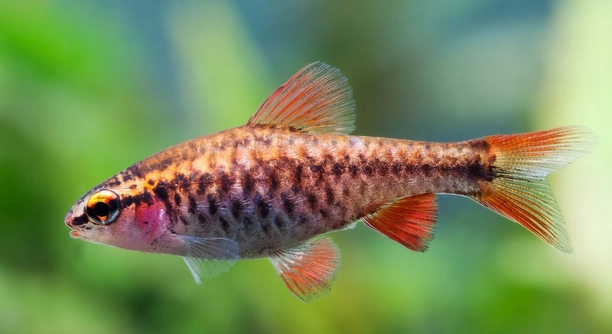
Cherry Barbs are active and colorful fish that thrive in a balanced environment. One key to their well-being is proper nutrition, which can support their growth and overall health. Understanding what to feed them can make a significant difference.
Providing Cherry Barbs with a natural, nutrient-rich diet is essential for their growth. Foods such as live or frozen foods, algae, and high-quality flake food offer the necessary vitamins and minerals for healthy development.
Proper nutrition plays a vital role in ensuring steady growth for Cherry Barbs. These foods, when included regularly, promote their vitality and longevity in your aquarium.
Live Foods for Cherry Barbs
Live foods are an excellent way to support Cherry Barb growth. Offering small live prey like brine shrimp, daphnia, or bloodworms provides essential protein that helps build muscle and boosts overall health. These foods are also high in moisture, which benefits hydration, encouraging growth at a steady pace. The movement of live food can also stimulate your Cherry Barbs’ hunting instincts, promoting mental stimulation and physical activity. It’s important to rotate live food types to avoid overfeeding any one nutrient and ensure variety.
Incorporating live foods into your Cherry Barb’s diet boosts both growth and energy. These small creatures offer natural nutrients that are crucial for their development. The movement of these foods mimics the Cherry Barb’s natural feeding behavior, encouraging healthy activity.
Live foods play an essential role in their growth process. The benefits extend beyond just nutrition, as the natural motion of these foods encourages your Cherry Barbs to stay active and engaged. This variety can make your fish’s diet more interesting and stimulating, leading to better health overall.
Vegetables for Cherry Barbs
Vegetables should be a regular part of Cherry Barbs’ diet. Lightly blanched spinach, zucchini, and peas are great options. These vegetables are full of vitamins and fiber, promoting digestion and general well-being. Fiber also aids in regulating the digestive system, helping Cherry Barbs stay healthy over time.
Vegetables help maintain a balanced diet for your fish. Rich in nutrients, they provide vital support for long-term health. They also ensure that your Cherry Barbs’ immune system remains strong and resilient against potential illnesses.
Introducing vegetables such as spinach, zucchini, and peas brings variety to their diet. These foods are not only easy to prepare, but they also serve an important purpose. Vegetables provide vitamins like vitamin A, which is necessary for proper growth and immune function. It’s important to offer these foods in moderation and ensure they are properly prepared, as they can sometimes be difficult for Cherry Barbs to digest raw. Blanching them makes them easier to consume and more digestible, ensuring your Cherry Barbs get the most out of their vegetables.
Algae for Cherry Barbs
Algae plays a key role in a Cherry Barb’s diet, providing essential nutrients and serving as a natural food source. Algae supplements are rich in fiber and minerals, aiding digestion and promoting a healthy immune system. They can be offered in various forms like dried sheets or live algae.
Algae provides a natural source of nutrition that supports both growth and health. In an aquarium, algae growth is inevitable, but supplementing it with algae wafers or algae-based foods ensures your Cherry Barbs receive a steady supply. This is especially useful if your tank has limited natural algae growth.
Algae also contributes to better digestion and hydration. These nutrients support the overall health of your Cherry Barbs, boosting their resistance to disease. Algae can be a valuable addition, especially when other food types might be missing some necessary nutrients. When offered alongside other foods, it enhances the variety and balance in their diet.
High-Quality Flake Food
High-quality flake food is a reliable, convenient option for feeding Cherry Barbs. Select flakes that include a variety of proteins, fats, and vitamins. This helps ensure your fish get a balanced diet without compromising their health. Regular use of flakes can complement other food types.
Flake food is formulated to provide all the basic nutrients that Cherry Barbs need to thrive. It’s particularly helpful as a staple food source, ensuring consistency in their diet. Choose a high-quality product free of fillers, as poor-quality flakes can lead to nutritional imbalances.
By including high-quality flake food in your Cherry Barb’s diet, you ensure they receive the vitamins and minerals essential for growth. This type of food also promotes their overall health by providing a stable, easy-to-digest source of nutrients. However, it should not replace live or vegetable foods but can work alongside them to complete their diet.
Bloodworms for Cherry Barbs
Bloodworms are an excellent protein source for Cherry Barbs. They promote muscle development and provide necessary fats for energy. This food type also encourages natural hunting behavior, adding variety to their diet. You can feed them as a treat or part of their regular meal plan.
Offering bloodworms once or twice a week is sufficient. Overfeeding can lead to excess fat, so moderation is key. Bloodworms come in frozen or freeze-dried forms. Always ensure the food is prepared correctly to avoid any issues with digestion or water contamination in the tank.
Tubifex Worms for Cherry Barbs
Tubifex worms are another great live food for Cherry Barbs. They offer rich nutrients, boosting growth and energy. These worms should be fed in moderation, as they can sometimes introduce impurities if not properly sourced. Fresh or frozen tubifex worms are most effective.
These worms are high in protein and fat, making them an ideal food for young or growing Cherry Barbs. However, they should be washed thoroughly to avoid introducing harmful bacteria into your aquarium. The right balance of protein from tubifex worms promotes healthy growth without excess fat.
FAQ
How often should I feed my Cherry Barbs?
Cherry Barbs should be fed once or twice a day. It’s important to avoid overfeeding, as this can lead to water quality issues. Offering small amounts each time ensures that your fish consume all the food. Regular feedings also mimic their natural feeding patterns, promoting healthy growth.
What foods should I avoid feeding Cherry Barbs?
Avoid feeding your Cherry Barbs foods that are high in artificial additives, fillers, or excessive amounts of fat. Processed foods or those with low nutritional value can harm their health over time. Also, avoid offering foods that could pollute the water, like uneaten live foods or rotten vegetables.
Can Cherry Barbs eat frozen food?
Yes, Cherry Barbs can eat frozen food. Frozen brine shrimp, daphnia, or bloodworms are excellent choices. Just ensure they are fully thawed before offering them. Frozen foods are a great alternative to live food and offer similar nutritional benefits, making them a convenient option for feeding.
Can I feed my Cherry Barbs live plants?
While Cherry Barbs are not known to eat plants regularly, they may nibble on soft leaves or algae. You should still provide a balanced diet, as they may not get all the necessary nutrients from plants alone. Offering occasional soft plant material can be a fun addition to their diet but shouldn’t replace other food sources.
Are there any special supplements I should give my Cherry Barbs?
If you feel your Cherry Barbs may not be getting a full range of nutrients, you can consider offering vitamin supplements specifically formulated for aquarium fish. However, a well-rounded diet of live foods, vegetables, and quality flakes is usually sufficient. Use supplements only if necessary.
How do I ensure my Cherry Barbs are getting enough protein?
To ensure your Cherry Barbs receive enough protein, include a variety of live foods such as bloodworms, brine shrimp, and tubifex worms in their diet. These protein-rich foods help promote growth and muscle development. Supplement with high-quality flakes to maintain a balanced diet.
Can Cherry Barbs eat algae wafers?
Yes, Cherry Barbs can eat algae wafers. These are a good source of plant matter and fiber, helping with digestion. Algae wafers are particularly helpful if you have limited algae growth in your tank, offering a reliable way to ensure they receive all the necessary nutrients.
Should I vary my Cherry Barb’s diet?
Yes, varying your Cherry Barb’s diet is important to provide a range of nutrients. A mix of live foods, vegetables, flakes, and algae can help ensure they get everything they need for proper growth and health. Regular changes in their meals also keep them interested in their food.
How do I know if I’m overfeeding my Cherry Barbs?
Signs of overfeeding include uneaten food lingering in the tank, poor water quality, and bloated fish. Overfeeding can also lead to obesity in your Cherry Barbs, which can negatively affect their health. Keep portions small and monitor your fish’s appetite to avoid overfeeding.
Can I feed Cherry Barbs during the night?
It’s generally not necessary to feed Cherry Barbs at night. They are diurnal and feed during the day. Feeding at night can result in uneaten food in the tank, which can lead to poor water quality. Stick to feeding them during daylight hours for best results.
What are the best vegetables for Cherry Barbs?
The best vegetables for Cherry Barbs are spinach, zucchini, and peas. Blanch the vegetables to soften them, making them easier for the fish to consume. Vegetables should be a supplemental part of their diet, adding variety and essential vitamins and minerals.
How can I prevent my Cherry Barbs from getting sick?
To prevent your Cherry Barbs from getting sick, provide them with a clean tank and proper water conditions. A balanced diet that includes protein, vegetables, and high-quality flakes will help support their immune system. Avoid overcrowding the tank, and regularly clean it to maintain a healthy environment.
Can I feed my Cherry Barbs once a day?
Feeding once a day can work for Cherry Barbs, but it’s important to offer an appropriate portion. If you choose to feed once daily, ensure the portion is small enough that all the food is consumed. Overfeeding at once can lead to excess waste and poor water quality.
Final Thoughts
Providing the right nutrition for your Cherry Barbs is essential for their growth and overall health. By incorporating a balanced diet of live foods, high-quality flakes, and occasional vegetable supplements, you can ensure that they thrive in your aquarium. Regularly offering a variety of foods helps maintain their energy levels, supports their immune system, and promotes natural growth patterns. Pay attention to portion sizes and avoid overfeeding, as this can lead to water quality issues and affect the well-being of your fish.
Maintaining a diverse diet is key to preventing nutritional imbalances in your Cherry Barbs. While protein-rich foods like bloodworms and tubifex worms are crucial for muscle development and energy, vegetables such as peas and spinach provide essential vitamins and fiber. Algae, whether naturally occurring or offered as supplements, is also an important addition. Each type of food contributes a unique set of nutrients that support different aspects of your Cherry Barb’s health, from digestion to immunity. By offering a range of foods, you can provide them with the variety needed for optimal growth.
Lastly, always monitor the response of your Cherry Barbs to their diet. Observe their behavior, eating habits, and overall appearance. Healthy, well-fed Cherry Barbs will exhibit active behavior, clear skin, and bright colors. If you notice any changes in their behavior or health, such as lethargy or loss of color, it may be an indication that adjustments are needed in their diet or environment. With consistent care and the right food choices, you can ensure that your Cherry Barbs live long, healthy lives in your aquarium.

Hello,
If you enjoy the content that we create, please consider saying a "Thank You!" by leaving a tip.
Every little bit helps us continue crafting quality advice that supports the health, happiness, and well-being of pets around the world, for pets of all shapes, sizes, and species.
We really appreciate the kindness and support that you show us!