
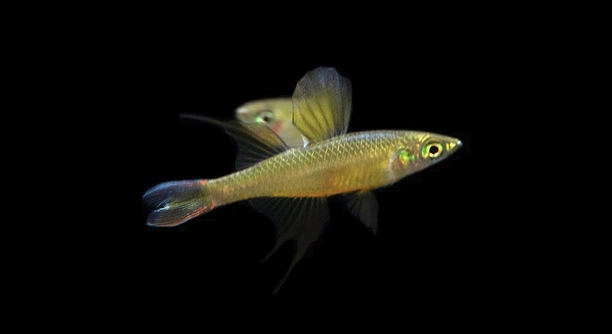
Threadfin fish are fascinating creatures, yet their breeding habits are often misunderstood by both amateur and experienced observers. Misinterpretations can lead to confusion about their behaviors in natural and controlled environments, affecting studies and care practices.
Many common misreads of threadfin breeding behavior arise from assuming social interactions indicate mating readiness. Observed actions often reflect territorial defense, feeding responses, or environmental stress, rather than reproductive activity, highlighting the need for careful observation and scientific verification.
Recognizing these common errors will improve understanding of threadfin reproduction and help enthusiasts and researchers interpret their behaviors more accurately.
Mistaking Aggression for Courtship
Threadfin fish often display aggressive behaviors that are easily mistaken for courtship. Males may chase each other, nudge females, or flare fins. While these actions appear similar to mating rituals, they frequently serve to establish dominance or protect territory. Observing aggression closely can prevent misinterpreting interactions as breeding. Environmental factors like tank size, food availability, and the presence of other fish can increase these aggressive displays. Overcrowded conditions may lead to constant chasing, making it harder to distinguish true reproductive behaviors. In natural habitats, these behaviors are often brief and situational, but in captivity, stress can intensify them. Learning to differentiate between aggressive posturing and actual courtship requires patience, careful observation, and note-taking. Even small details, such as the direction of swimming or fin positioning, provide clues to the fish’s intent. By focusing on these patterns, caretakers can better assess whether breeding is occurring or if behavior is merely social dominance.
Understanding aggression helps prevent unnecessary interventions. Recognizing natural dominance displays reduces stress for both fish and caretakers.
Accurately identifying aggression versus courtship also informs breeding strategies. For example, separating overly dominant males temporarily can minimize stress on females, while allowing compatible pairs to interact naturally. Keeping a detailed log of behaviors over days or weeks provides clear patterns, revealing which actions are reproductive and which are social. This careful tracking ensures that breeding efforts are timed correctly and reduces mistakes. Overlooking subtle cues, such as the frequency of nudges or the intensity of fin displays, can lead to misinterpretation. By combining observation with environmental adjustments, like controlled lighting or strategic tank decorations, caretakers can create conditions that encourage actual breeding behaviors while minimizing confusion. Learning these distinctions improves both fish welfare and success in managing reproduction.
Misinterpreting Nesting Behavior
Threadfin fish sometimes appear to be building nests when they are actually foraging or exploring. Mistaking these actions for reproductive activity can lead to false assumptions.
Careful observation over time reveals patterns. Fish may repeatedly move objects or sift substrate, but these behaviors often relate to comfort, territory, or feeding rather than breeding. Tracking consistency and context clarifies the fish’s true intent.
Nesting behavior can be subtle and easily misread. Threadfins may dig small depressions or move plants, leading observers to assume spawning preparation. However, these actions frequently serve multiple purposes, such as creating hiding spots or testing the environment. Differences between true nesting and environmental interaction can be identified by repetition, timing, and association with specific partners. True reproductive nesting often occurs with a consistent partner and follows courtship displays, whereas general substrate movement occurs more randomly or with multiple fish. Environmental conditions, including water temperature, flow, and substrate type, influence these behaviors. By noting patterns and separating random exploration from intentional nest building, observers can reduce errors in interpreting breeding activity, ensuring better care and understanding of threadfin behavior.
Confusing Feeding Rituals with Mating
Threadfin fish often perform elaborate movements while feeding that can resemble courtship, but these actions are usually related to food acquisition rather than reproduction. Recognizing this distinction prevents misinterpretation.
During feeding, threadfins may chase each other, circle objects, or nudge food items in ways that mimic courtship displays. These behaviors are motivated by competition for resources, not by breeding. Males and females alike engage in these movements, and they can be mistaken for pairing behavior. Watching the fish in different feeding contexts helps identify whether actions are linked to food or reproductive intent. Patterns that repeat daily, independent of specific partners, usually indicate feeding rather than mating. Over time, careful attention reveals subtle cues differentiating the two behaviors, such as the speed of movement, level of aggression, and consistency of the target, whether it’s food or another fish.
Noting the timing of these behaviors is critical. Feeding-related movements tend to cluster around meal times, and environmental factors like light and water temperature can influence activity levels. Contrasting these patterns with actual courtship rituals clarifies intent. Understanding these differences supports better management of tank interactions, reduces stress on fish, and allows accurate assessment of breeding progress. Overlooking these distinctions can lead to unnecessary interventions, so tracking and observation are essential to interpreting threadfin behavior correctly.
Misreading Pair Bonding
Threadfin fish sometimes swim closely together, which may be interpreted as a strong pair bond, but this behavior often reflects social comfort rather than mating preference. Observing interactions over time helps identify true reproductive bonds.
Close swimming can indicate familiarity, reduced stress, or shared territory. Fish may mirror movements, follow one another, or remain near each other without any breeding intention. These interactions are commonly seen in non-reproductive periods, suggesting that proximity alone is not evidence of pair bonding. True reproductive pairs, however, demonstrate synchronized courtship, specific nest preparation, and selective interaction with a chosen partner, differentiating them from general social cohesion. Environmental stressors, like tank size or sudden changes, can also increase these non-breeding associations, further complicating interpretation.
Consistency and exclusivity are key indicators. Observing which fish consistently engage in synchronized courtship behaviors and respond to each other’s signals is essential. Pairs preparing for reproduction will also perform complementary actions, like coordinated swimming around a nest site or simultaneous fin displays. In contrast, fish that simply swim together for comfort will often disperse when disturbed or when resources are introduced, revealing the non-reproductive nature of their association. By tracking patterns over weeks and noting environmental factors, observers can distinguish social comfort from actual reproductive bonding, improving understanding of threadfin breeding behavior.
Mistaking Play for Mating
Threadfin fish engage in playful interactions that can resemble courtship. Chasing, circling, or gentle nudging are often forms of social play rather than reproductive behavior, especially in younger or non-breeding individuals.
Play behaviors help establish social hierarchies and maintain physical fitness. These movements are usually brief, repeated with multiple fish, and not linked to nest building or mating rituals, differentiating them from true breeding behaviors.
Overinterpreting Color Changes
Color changes in threadfins are sometimes seen as mating signals, but they can result from stress, diet, or environmental conditions. Temporary color shifts do not always indicate readiness to breed. Observing patterns over time clarifies their cause.
Ignoring Environmental Influence
Threadfin reproductive behavior is heavily influenced by environmental factors such as temperature, light, and water quality. Changes in these conditions can alter activity levels, courtship intensity, or even suppress spawning entirely. Careful control and monitoring of the environment are crucial for accurate interpretation.
Misjudging Group Dynamics
The presence of multiple fish can complicate interpretations. Social hierarchies, competition, and territoriality often create behaviors that resemble mating interactions but are actually related to group structure. Observing interactions carefully helps separate reproductive activity from social behavior.
FAQ
What are the most common misreads of threadfin breeding behavior?
Many misreads involve confusing aggression, feeding, play, or social interactions with courtship. Actions like chasing, nudging, or fin displays are often interpreted as mating when they actually relate to dominance, territory, or general activity. Environmental factors can intensify these behaviors, making it easy to assume breeding is occurring.
How can I tell if aggressive behavior is related to mating?
Aggression linked to mating is usually directed toward rivals during courtship and may occur alongside nest preparation. True reproductive aggression is often specific to certain individuals, repeated over time, and accompanied by synchronized movements or displays toward a chosen partner, rather than random chasing or flaring in general tank activity.
Do color changes always mean readiness to spawn?
No. Color changes can be caused by stress, diet, light, or water quality. Temporary brightening or dulling does not automatically indicate reproductive readiness. Observing consistent patterns alongside courtship behaviors, like fin displays or proximity to a nest site, is essential before assuming mating activity.
How do I distinguish play from mating?
Play behaviors include chasing, circling, and gentle nudging without a specific partner or nest interaction. Unlike courtship, play is often repeated with multiple fish, lacks synchronized actions, and occurs without environmental cues like nest sites or elevated water temperatures.
Is pair bonding always an indicator of reproduction?
Not always. Close swimming or following a partner can reflect social comfort, shared territory, or reduced stress. True reproductive pair bonding involves selective, repeated interactions with synchronized movements, nest preparation, and coordinated behaviors exclusive to a chosen partner. Tracking these patterns over days or weeks is necessary to confirm breeding.
How does feeding behavior affect interpretations of courtship?
Feeding-related behaviors like chasing, circling food, or nudging objects can appear similar to courtship. Timing is key—feeding displays cluster around meal times and involve multiple fish, while reproductive behaviors are more focused, partner-specific, and associated with environmental cues like nesting areas.
Can environmental factors mislead observations?
Yes. Water temperature, light, flow, and tank layout influence activity, aggression, and courtship intensity. Stress or sudden changes can amplify behaviors that resemble mating, such as chasing or substrate digging. Careful environmental monitoring is essential to distinguish true reproductive actions from reactions to surroundings.
Are nesting behaviors easy to interpret?
No. Threadfins may move substrate or create depressions as part of exploration, comfort, or feeding. True reproductive nesting involves repeated, purposeful actions linked to a chosen partner, often near a consistent site, and typically follows courtship displays. Observing context and repetition is critical.
How long should I observe to confirm breeding behavior?
Extended observation is necessary. Single instances can be misleading due to overlapping behaviors like play, aggression, or feeding. Documenting patterns over days or weeks, including timing, interactions, and environmental conditions, ensures accurate differentiation between reproductive and non-reproductive behavior.
What mistakes do most people make when interpreting group dynamics?
Observers often misread dominance interactions, social hierarchies, or territorial behavior as mating. Multiple fish increase complexity, and behaviors may involve temporary alliances, competition, or mutual comfort rather than reproductive intent. Careful attention to exclusivity, coordination, and context helps clarify actual breeding activity.
Can stress influence breeding misreads?
Absolutely. Stress can amplify chasing, color changes, or substrate digging, mimicking courtship. Environmental stability, proper tank size, and reduced disturbances help distinguish natural reproductive behavior from stress-induced actions, providing clearer insights into threadfin breeding patterns.
How can I improve accuracy in observing threadfin reproduction?
Track behaviors systematically, note environmental conditions, distinguish patterns from random interactions, and focus on partner-specific actions. Understanding social dynamics, play, aggression, and feeding will prevent common misreads and help correctly interpret breeding activity over time.
This FAQ covers common questions and misinterpretations, providing a reference to separate true reproductive behavior from other activities in threadfin fish, ensuring more accurate observations and better care.
Final Thoughts
Understanding threadfin breeding behavior requires patience and careful observation. Many behaviors that appear to indicate mating are actually linked to other activities, such as feeding, play, or territorial displays. Chasing, nudging, fin flaring, or close swimming can easily be misinterpreted, especially by those unfamiliar with the species’ social dynamics. It is important to recognize that reproductive behavior is usually specific, repeated, and partner-focused, while non-reproductive behaviors are often random, involve multiple fish, and lack coordination. Environmental factors, including tank size, water temperature, light, and the presence of other fish, can influence activity levels and intensity, making accurate interpretation even more challenging. Observing fish over time, taking detailed notes, and paying attention to patterns rather than single events helps clarify which behaviors truly indicate mating.
Threadfin color changes and substrate interactions are also commonly misread. Temporary brightening or dulling of color does not automatically signal reproductive readiness, as stress, diet, and water conditions can cause similar changes. Likewise, substrate digging or moving objects may appear like nest building but often serves purposes such as exploring the environment, creating hiding spots, or securing food. True nesting behavior is usually consistent, repeated, and directly associated with a chosen partner. Understanding these subtleties is crucial for anyone studying or caring for threadfins, as misinterpretation can lead to unnecessary interventions, increased stress on the fish, and confusion about breeding success. Patience and careful observation are key to distinguishing genuine reproductive behavior from other social or environmental responses.
Accurate interpretation of threadfin breeding also relies on understanding group dynamics. Social hierarchies, territorial interactions, and general comfort behaviors can mimic courtship in multi-fish environments. Pair-specific actions, such as synchronized swimming or coordinated nest preparation, are more reliable indicators of reproductive activity than general proximity or mirroring movements. Extended observation over several days or weeks is often necessary to identify consistent patterns and differentiate between social bonding and true breeding behavior. Keeping track of timing, environmental conditions, and the specific actions of individual fish helps build a clear picture of reproductive activity. By focusing on these distinctions, observers can reduce common misreads, improve care practices, and support the natural behaviors of threadfin fish in both captive and natural settings. This careful approach ensures the health and well-being of the fish while providing accurate insights into their complex breeding behaviors.

Hello,
If you enjoy the content that we create, please consider saying a "Thank You!" by leaving a tip.
Every little bit helps us continue crafting quality advice that supports the health, happiness, and well-being of pets around the world, for pets of all shapes, sizes, and species.
We really appreciate the kindness and support that you show us!