
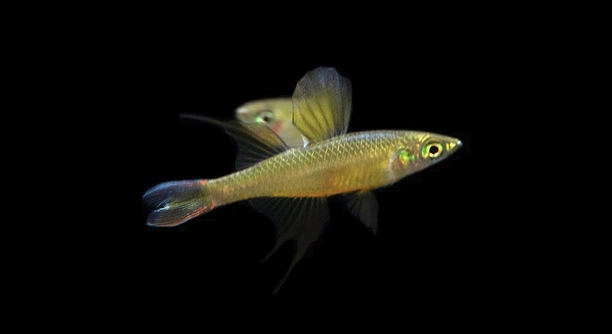
New threadfins entering a school can create a noticeable shift in the group’s dynamics. Observing how the older members respond reveals the social patterns and interactions that help maintain harmony within the school.
The seven common reactions to new threadfins include initial curiosity, cautious observation, territorial displays, following behavior, schooling adjustments, subtle aggression, and eventual acceptance. Each response reflects instinctual strategies for adapting to new members and maintaining group cohesion in a shared environment.
These reactions provide insight into the balance and communication strategies of threadfins, showing how individuals adjust and interact within their social groups.
Initial Curiosity
When new threadfins join a school, the first reaction is often curiosity. The existing members tend to observe the newcomers carefully, watching their movements, size, and behavior. This initial phase helps the school assess whether the new fish will fit in or cause disruption. Many threadfins swim closer to inspect, sometimes forming temporary circles around the newcomers. They may also test the waters by nudging or swimming alongside them to gauge responses. This period is brief but crucial, as it sets the tone for social interaction. Newcomers are often hesitant at first, moving slowly or staying at the edges until they feel safer. Experienced members use this time to establish subtle boundaries and hierarchies. Observing this behavior can be fascinating because it highlights the social intelligence of threadfins. By the end of this phase, most schools have a clearer idea of how the newcomers will integrate and what adjustments might be necessary.
The curiosity phase allows both newcomers and residents to gather information, forming the basis for future interactions and group harmony.
Through careful observation and interaction, threadfins establish early connections, ensuring that the school remains balanced and organized as newcomers adjust to their surroundings.
Cautious Observation
During cautious observation, older threadfins keep a watchful eye on the new members.
This period often involves maintaining distance while tracking movements and reactions. Residents avoid immediate contact, allowing newcomers to explore while evaluating any potential risks or unusual behavior. The school’s collective vigilance helps prevent conflicts and ensures safety. Observing patterns of swimming, feeding, and grouping behavior is essential.
As cautious observation continues, newcomers begin to recognize the boundaries and routines of the school. They learn where it is safe to swim, when to join group movements, and how to avoid triggering defensive reactions from older members. Residents also adjust, sometimes subtly shifting positions or altering their own swimming patterns. This phase can last several hours or even days, depending on the number of newcomers and the size of the school. Over time, both groups develop a rhythm, with the new threadfins gradually feeling more confident and integrated. The balance between vigilance and acceptance is key to preventing aggressive encounters. By observing carefully, the school maintains order while newcomers gain experience and confidence, leading to smoother interactions.
Territorial Displays
Territorial displays occur when established threadfins feel their space is threatened. They may flare fins, swim aggressively, or chase newcomers to assert dominance and mark boundaries. These behaviors are temporary but important for maintaining the school’s structure.
During territorial displays, the older members make their presence known without causing serious harm. Chasing and nudging help communicate limits clearly, allowing newcomers to learn acceptable distances. These interactions also reinforce social hierarchies, so everyone understands their place in the group. While it can seem intense, this behavior is normal and usually declines as the newcomers respect boundaries. Observing these displays offers insight into how threadfins manage space and interactions efficiently, balancing authority and tolerance within the school.
Newcomers gradually adapt to these displays, recognizing which areas are restricted and which positions are safer. This learning reduces conflicts and promotes smoother integration over time. By the end of this phase, both groups understand the school’s social map, minimizing future tension.
Following Behavior
Following behavior is common as new threadfins adapt to the school’s movement patterns.
Newcomers often swim behind experienced members to learn routes, feeding locations, and safety strategies. This mimicry helps them integrate more quickly while reducing stress and confusion. Residents tolerate and guide newcomers, creating a cooperative environment.
Over time, following behavior strengthens group cohesion. New threadfins observe how established members respond to threats, navigate currents, and interact with other fish. By aligning with experienced members, newcomers gain confidence and understanding of group routines. This phase promotes learning and adaptation, helping them become fully functional participants in the school. Experienced fish also adjust slightly, accommodating the newcomers while maintaining established norms. As a result, the school moves more efficiently, with everyone aware of their role. Following behavior is an essential step for blending new members into the existing social and spatial structure of the group.
Subtle Aggression
Subtle aggression appears when older threadfins test newcomers’ responses. They may nip gently, block paths, or create minor disturbances. These behaviors are controlled and rarely cause serious harm, serving more as social regulation than actual conflict.
Newcomers quickly learn to avoid certain areas or behaviors. Subtle aggression helps establish limits, ensuring everyone respects personal space and the school’s hierarchy.
Schooling Adjustments
As newcomers settle in, the entire school may adjust its formation. Positions shift to accommodate new members, balancing spacing, speed, and direction. Experienced threadfins may move slightly forward or outward, creating room while keeping cohesion. Newcomers learn to match the group’s rhythm, following cues for turns, stops, and acceleration.
These adjustments are vital for safety and efficiency. Schools of threadfins rely on coordinated movement to evade predators and find food. By integrating newcomers gradually, the group maintains its structure and reduces collisions or confusion. Over several days, these adjustments become almost automatic, with newcomers blending seamlessly into the established formation and contributing to the school’s synchronized flow.
Eventual Acceptance
Eventually, newcomers are accepted as full members of the school.
FAQ
How long does it take for new threadfins to be fully accepted?
Acceptance varies depending on the size of the school and the temperament of its members. Small schools may integrate newcomers within a few days, while larger schools may take a week or more. Observing interactions such as following behavior and reduced aggression helps gauge progress.
Are territorial displays dangerous for newcomers?
Most territorial displays are controlled and rarely cause serious harm. Older threadfins use these behaviors to establish boundaries and communicate social hierarchy. Newcomers usually learn quickly which areas to avoid, reducing potential for injury and helping them adapt safely.
Why do older threadfins chase new members?
Chasing is a natural response to perceived intrusion or disruption. It signals limits and reinforces the school’s social order. The behavior diminishes as newcomers respect boundaries and integrate into group routines, creating a balanced environment for all members.
What does following behavior indicate?
Following behavior shows learning and adaptation. New threadfins mimic the movements of experienced members to understand feeding patterns, safe areas, and overall school structure. It also signals acceptance by the older members, as they tolerate the newcomers’ presence.
Do subtle aggressive behaviors escalate into fights?
Rarely. Subtle aggression is mostly controlled, aimed at teaching boundaries rather than causing injury. Serious fights are uncommon once newcomers adjust, understand their position, and respect the established hierarchy of the school.
How do schooling adjustments benefit everyone?
Adjustments allow the school to maintain cohesion while incorporating new members. Positions shift to balance spacing and speed, reducing collisions and confusion. Experienced members help guide newcomers, ensuring smooth collective movement and increasing overall safety for the group.
Can new threadfins disrupt feeding patterns?
Initially, yes. Newcomers may hesitate, move unpredictably, or occupy key feeding areas. Over time, they learn the routines and integrate, minimizing disruption. Experienced members adjust slightly to accommodate newcomers, keeping feeding efficient and orderly.
Do all threadfins react the same way to newcomers?
No. Individual personalities influence reactions. Some may be more curious, others cautious or slightly aggressive. These differences shape the dynamics of the school but generally do not prevent eventual integration if social cues are respected.
What signs show that newcomers are fully integrated?
New members swim confidently within the group, follow routines, and encounter minimal aggression. They take part in schooling formations, feeding activities, and respond appropriately to group cues. By this stage, interactions are mostly harmonious, with newcomers accepted as regular members of the school.
How can observing these reactions help aquarists or researchers?
Understanding these behaviors offers insights into social structure, communication, and adaptation. Observing interactions allows caretakers to anticipate stress points, design better habitats, and promote smoother integration. Researchers gain valuable data on collective behavior, hierarchy, and species-specific responses to environmental changes.
Is aggression more common with larger schools?
Not necessarily. Aggression depends more on individual temperaments and the availability of space than the size of the school. Crowding can increase stress, but structured schools with sufficient space tend to manage interactions efficiently, even with many newcomers.
Do newcomers ever fail to integrate?
Occasionally, a newcomer may struggle due to illness, extreme shyness, or inability to understand social cues. In such cases, monitoring, providing safe areas, and gradual introduction can improve chances of successful integration. Most healthy newcomers eventually adapt without lasting issues.
Why do threadfins prioritize social hierarchy?
Social hierarchy ensures order and minimizes conflict. By understanding roles and limits, members can coexist with fewer disputes. Hierarchies also help coordinate movement, feeding, and defense, making the school more efficient and resilient.
How can you tell if a newcomer is stressed?
Signs of stress include erratic swimming, hiding, hesitation to join the group, or flaring when approached. Stress usually decreases as the newcomer learns boundaries, follows experienced members, and experiences reduced aggression.
Can observing schooling reactions improve aquarium management?
Yes. Recognizing normal behaviors allows caretakers to design spaces that reduce stress, prevent aggression, and promote natural schooling behavior. Adjustments like adding hiding spots or regulating introduction timing can significantly enhance the wellbeing of all fish.
What is the role of curiosity in integration?
Curiosity drives initial interactions, allowing newcomers and residents to assess each other. It encourages observation, learning, and gradual acceptance, serving as a foundation for social bonding and cohesion within the school.
How do feeding times influence social interactions?
Feeding can intensify reactions as space and resources become points of contention. Newcomers learn quickly to navigate these situations, while older members establish order. Proper feeding management helps reduce aggression and supports smooth integration.
Does size difference affect reactions to newcomers?
Yes. Larger residents may assert dominance more strongly, while smaller newcomers may adopt cautious behavior. However, size alone does not prevent integration, as social cues and following behavior guide successful adaptation over time.
Are all reactions observed immediately?
No. Some behaviors, like subtle aggression or schooling adjustments, appear gradually. Initial curiosity and cautious observation come first, followed by territorial displays, following behavior, and eventual acceptance as newcomers adapt and learn group norms.
Can newcomers influence existing social hierarchies?
Occasionally. A confident or unusually large newcomer may shift minor dynamics, causing older members to adjust positions or behavior. However, strong hierarchies usually remain stable, with only subtle changes in roles or spacing.
Do environmental factors affect reactions?
Yes. Space, water quality, and available shelter influence behavior. Crowded or poorly structured environments can increase aggression or stress. Optimal conditions support smoother integration, reduce tension, and encourage natural schooling patterns.
What is the key to successful integration?
The combination of cautious observation, following behavior, and gradual acceptance ensures newcomers become part of the school. Respect for boundaries, clear social cues, and supportive adjustments by existing members create a stable and cohesive group.
How long should monitoring continue after introduction?
Monitoring is important for several days to ensure newcomers adapt properly. Observing behavior, feeding, and interactions helps identify stress, aggression, or health concerns, allowing timely interventions if needed.
Does personality play a role in adaptation speed?
Yes. Curious or bold newcomers often integrate faster, while shy or hesitant individuals take longer. Social tolerance among residents also influences how smoothly newcomers are accepted, creating variation in adaptation timeframes.
Can observing these behaviors inform natural studies?
Absolutely. Studying social reactions, hierarchy formation, and schooling adjustments in controlled environments provides insights into wild behavior. Researchers can understand survival strategies, communication methods, and collective decision-making in natural populations.
Do all schools behave identically?
No. Each school has unique dynamics shaped by member personalities, size, and environmental factors. Reactions may vary in intensity or timing, but the general progression from curiosity to eventual acceptance remains consistent across schools.
Is stress inevitable for newcomers?
Some stress is normal initially, as they navigate new boundaries and social hierarchies. With patience, clear cues, and adequate space, stress decreases rapidly, allowing full integration without lasting effects.
How does following behavior reduce conflict?
By mimicking experienced members, newcomers stay aligned with group routines, avoid restricted areas, and reduce accidental provocations. This minimizes misunderstandings and helps maintain harmony while they learn acceptable behavior.
What role do older members play in newcomer adaptation?
Older members guide behavior through subtle aggression, positioning, and tolerance. Their interactions teach newcomers boundaries, routines, and social cues, ensuring smoother integration and preserving group cohesion.
Can environmental enrichment aid integration?
Yes. Providing hiding spots, structured spaces, and varied feeding areas reduces stress, disperses tension, and allows newcomers to explore safely, promoting faster and more peaceful adaptation.
How do reactions change over time?
Initial curiosity and cautious observation give way to territorial displays, following behavior, subtle aggression, schooling adjustments, and finally, eventual acceptance. Each phase contributes to learning, establishing hierarchy, and creating a stable, harmonious school environment.
What signs show the school is functioning well after integration?
Indicators include coordinated swimming, minimal aggression, equitable access to food, and newcomers participating in group routines. A balanced and calm school demonstrates successful integration and healthy social dynamics.
Do repeated introductions affect school behavior?
Yes. Frequent introductions may prolong caution or territorial behavior, requiring careful management. Gradual, well-spaced introductions allow smoother adaptation, reduce stress, and maintain social harmony.
Can monitoring behavior predict future conflicts?
Observation helps anticipate potential disputes, identify stressed or aggressive individuals, and implement interventions before serious issues arise, ensuring a stable environment for all members.
How do newcomers contribute to school cohesion?
Once integrated, newcomers enhance the school by adding numbers, balancing formations, and participating in collective movement, feeding, and defense, strengthening group functionality and social resilience.
Does observing these reactions improve understanding of social behavior?
Yes. Watching how threadfins react to newcomers provides valuable insights into hierarchy, adaptation, communication, and cooperation, deepening understanding of social strategies in aquatic species.
Are there long-term benefits to proper integration?
Proper integration reduces stress, aggression, and disorganization. It supports healthy growth, efficient feeding, coordinated movement, and long-term stability of the school, benefiting all members.
Can integration patterns vary by species?
Yes. While the general stages—curiosity, cautious observation, aggression, following, and acceptance—are common, intensity, timing, and specific behaviors may differ between species, reflecting ecological and social adaptations.
How important is patience during integration?
Patience is crucial. Rushing introductions or ignoring early signs of stress can lead to conflicts. Gradual, monitored integration ensures smoother adjustment, healthier interactions, and a more cohesive school environment.
What should be done if a newcomer struggles?
Provide safe spaces, observe interactions closely, and limit stressors. Gradual exposure and supportive guidance from older members help the newcomer learn boundaries and adapt successfully, preventing prolonged stress or aggression.
How does group size influence integration?
Smaller schools may integrate newcomers quickly, while larger schools take longer due to more complex dynamics. Adequate space and structured introduction are key for smooth adaptation in all sizes.
Can observing these behaviors aid breeding programs?
Yes. Understanding social interactions, hierarchy, and integration helps manage breeding environments, reduce stress, and ensure healthy social development, improving success rates for offspring and overall population health.
Does individual health affect integration?
Absolutely. Sick or weak newcomers may struggle to follow routines, avoid aggression, or adapt to schooling patterns. Ensuring health prior to introduction improves integration success and reduces stress on the entire group.
How do newcomers learn social cues?
They observe older members’ reactions, following behavior, and subtle signals like nudges or flaring. Repetition and experience teach them when to approach, retreat, or adjust movement to fit the group.
Is aggressive behavior more common during feeding?
Yes. Competition for food can trigger chasing, blocking, or nipping. Newcomers learn to navigate feeding areas safely, while residents assert control without escalating conflict. Proper management reduces tension and ensures fair access.
Do newcomers ever become leaders?
Occasionally, confident or large newcomers may influence minor aspects of schooling or movement. True leadership is rare, as hierarchy favors established members, but subtle adjustments may occur to accommodate new participants.
How do environmental changes affect integration?
Changes in space, obstacles, or water conditions can heighten stress and aggression, slowing integration. Stable, well-structured environments help newcomers adapt more efficiently and maintain harmony within the school.
Can observing reactions help identify compatible newcomers?
Yes. Monitoring initial interactions can show which newcomers adapt quickly, respect boundaries, and integrate smoothly, helping select individuals for successful introductions in other schools.
Does aggression ever return after integration?
Occasionally, stressors like feeding, overcrowding, or environmental changes may trigger temporary aggression. Integrated newcomers usually respond appropriately, minimizing disruption and maintaining stability within the school.
How do newcomers affect group learning?
Newcomers observing experienced members can accelerate learning for both themselves and the school. Their presence encourages adaptability, reinforces routines, and maintains the overall cohesion and efficiency of collective behavior.
Is full acceptance guaranteed?
While most healthy newcomers integrate successfully, individual differences, stress, or poor conditions can delay or prevent full acceptance. Monitoring, structured introduction, and supportive environments maximize success rates.
How can these observations inform conservation efforts?
Understanding social integration, hierarchy, and schooling dynamics helps design effective habitats, reduce stress, and improve survival in managed or restored populations, supporting conservation and species management goals.
Do older threadfins benefit from newcomers?
Yes. They learn to adjust social roles, maintain vigilance, and reinforce group cohesion. The presence of newcomers can enhance schooling efficiency, challenge routines, and strengthen social dynamics, benefiting experienced members as well.
Can repeated stress affect integration?
Yes. Excessive or repeated stress can slow adaptation, increase aggression, and compromise health. Maintaining calm introductions, adequate space, and predictable routines is essential for smooth integration.
What is the ultimate goal of these reactions?
The reactions guide newcomers toward understanding boundaries, group routines, and social cues. By progressing through curiosity, observation, aggression, following, and eventual acceptance, the school achieves cohesion, efficiency, and stability.
Do all newcomers experience the same stress level?
No. Individual temperament, size, and previous experience affect stress responses. Some adjust quickly, while others require extended observation and support to integrate fully.
Can monitoring reactions improve fish welfare?
Yes. Observing behaviors ensures stress is minimized, aggression is managed, and the social environment supports health, feeding, and natural schooling behavior for all members.
Are subtle aggression and following behavior connected?
Yes. Subtle aggression teaches boundaries, while following behavior helps newcomers avoid conflict and learn routines. Together, they facilitate smoother integration and reduce potential stress or injury.
Does integration influence survival?
Yes. Proper integration improves access to food, safety, and coordinated movement, enhancing the survival chances of both newcomers and the school as a whole.
How important is space during integration?
Adequate space reduces stress, prevents unnecessary aggression, and allows both newcomers and residents to interact naturally. Crowding increases tension and slows adaptation, making space a key factor for successful integration.
What can disrupt the integration process?
Sudden environmental changes, overcrowding, illness, or aggressive residents can hinder adaptation. Careful observation, gradual introductions, and proper conditions help maintain smooth integration.
Are some behaviors more visible than others?
Yes. Curiosity and following behavior are easy to see, while subtle aggression or schooling adjustments may require closer observation. Understanding all behaviors provides a complete picture of integration.
Can observing these patterns help in research?
Absolutely. Studying these reactions gives insight into social structures, communication, adaptation strategies, and collective behavior, contributing valuable knowledge for both scientific and practical applications.
Does integration affect long-term group dynamics?
Yes. Successful integration strengthens cohesion, reinforces hierarchy, and improves efficiency in movement and feeding, promoting long-term stability and resilience of the school.
How can aquarists apply this knowledge?
By observing, providing structured introductions, managing space, and monitoring stress, aquarists can support smoother integration, reduce aggression, and maintain healthy, balanced schools of threadfins.
Is there a way to speed up integration safely?
Gradual introduction, adequate space, and supportive older members help newcomers adapt faster without increasing stress or aggression. Patience remains essential for natural and safe integration.
Do newcomers eventually influence school behavior?
Yes. Once integrated, newcomers participate fully, shaping group dynamics, schooling formations, and social interactions, contributing to the overall stability and efficiency of the school.
How can observing aggression help prevent issues?
Monitoring early aggression allows interventions, such as adjusting space or hiding spots, before conflicts escalate. This ensures the safety and wellbeing of all members during integration.
Do newcomers always follow older members exactly?
Initially, they mimic closely, but over time, they may explore minor variations or take different positions while still respecting group routines, balancing independence with cohesion.
Can following behavior indicate stress levels?
Yes. Hesitant or overly rigid following may indicate uncertainty or stress, while confident alignment suggests adaptation and comfort within the school structure.
Does repeated observation provide better results?
Yes. Consistent monitoring reveals patterns, progression through behavioral phases, and potential problems, allowing informed management and improved integration outcomes.
How important is consistency in environmental conditions?
Very important. Stable conditions reduce stress, support predictable behavior, and allow both newcomers and residents to interact naturally, promoting successful integration.
Can newcomers teach older members new behaviors?
Occasionally. Newcomers may introduce variations in movement, feeding strategies, or exploration. Older members adapt subtly, showing that integration can influence the school in small but meaningful ways.
Do social cues vary between individual threadfins?
Yes. Some fish are more expressive, while others communicate subtly. Understanding these differences helps interpret reactions and anticipate interactions during integration.
Is eventual acceptance always permanent?
Generally, yes, if environmental conditions remain stable and no major stressors arise. Integrated newcomers continue participating fully in group routines and social interactions indefinitely.
Does monitoring improve both health and social stability?
Yes. Observing behavior ensures newcomers adapt safely, reduces aggression, maintains proper feeding and movement, and supports overall health and cohesion within the school.
How do newcomers affect predator awareness?
By observing experienced members and following routines, newcomers learn predator avoidance strategies, improving their survival chances and contributing to collective vigilance within the school.
Are environmental enrichment tools helpful?
Yes. Structures, hiding spaces, and varied terrain reduce stress, allow safe exploration, and facilitate smoother integration, improving both newcomer adaptation and overall school dynamics.
Can integration phases overlap?
Yes. Curiosity, cautious observation, aggression, and following behaviors can occur simultaneously, especially in larger schools, creating a fluid and adaptive integration process that gradually stabilizes.
What is the final indicator of full social harmony?
Newcomers swim confidently, follow group routines, experience minimal aggression, and contribute to coordinated movement. The school functions efficiently, and social dynamics are balanced.
Does observing these reactions have long-term benefits for caretakers?
Yes. Understanding social behavior aids in habitat design, stress reduction, feeding efficiency, and overall health, creating a stable and well-functioning school environment.
Can newcomers influence feeding efficiency?
Yes. Once adapted, they follow established patterns, balance spacing, and contribute to orderly feeding, maintaining efficiency for the entire group.
Is patience more important than speed during integration?
Absolutely. Gradual adaptation ensures safety, reduces stress, prevents aggression, and allows both newcomers and residents to adjust naturally, resulting in long-term stability.
How do newcomers learn the school’s routines?
Through observation, following behavior, and responses to subtle aggression. Repetition and experience teach them timing, positioning, and movement patterns essential for cohesive schooling.
Does monitoring social interactions reveal hidden hierarchies?
Yes. Watching subtle behaviors, positioning, and aggression highlights underlying social structures, clarifying roles and relationships that guide group dynamics.
**Can newcomers influence
Final Thoughts
New threadfins entering a school demonstrate a clear progression of behaviors that help maintain order and cohesion. From the moment they arrive, older members respond with curiosity and cautious observation, which allows both groups to assess one another. This initial interaction is essential for setting boundaries and understanding social hierarchies. Newcomers observe established patterns, while residents evaluate the potential impact of the new arrivals. Early interactions are generally non-threatening, though subtle aggression or territorial displays may occur. These behaviors are part of a natural process that encourages newcomers to learn the school’s routines and respect boundaries. Over time, as the newcomers follow experienced members and adjust to the group’s rhythm, these early signs of tension decrease. Careful observation reveals that each reaction has a purpose, guiding integration while ensuring the school continues to function efficiently.
Territorial displays and subtle aggression are important phases that teach newcomers limits and acceptable behavior. Older threadfins use these behaviors to communicate without causing significant harm. Chasing, nudging, or blocking are temporary actions that help define space and reinforce hierarchy. Following behavior emerges as newcomers begin to understand these cues and align with the school’s patterns. This stage allows them to gain confidence and integrate smoothly into daily activities such as feeding and coordinated swimming. Over time, the school adjusts its formation to accommodate new members, balancing spacing, speed, and direction. Experienced fish make subtle movements to create space and maintain cohesion, while newcomers gradually adapt to the group’s rhythm. These schooling adjustments demonstrate how threadfins manage change efficiently, ensuring that both newcomers and established members maintain harmony. Through observation, it becomes clear that integration is not just about fitting in; it is a mutual process where both groups adapt to each other’s presence.
Eventually, newcomers achieve full acceptance, becoming regular participants in the school’s social structure. They swim confidently within the group, follow established routines, and experience minimal aggression. This stage reflects successful adaptation, where learning, observation, and adjustment have led to harmony. The presence of newcomers also benefits the group, as they contribute to schooling efficiency and overall balance. By progressing through curiosity, cautious observation, territorial displays, subtle aggression, following behavior, and schooling adjustments, the school maintains stability while allowing growth and adaptation. Observing these reactions provides insight into the complexity of social behavior among threadfins. It highlights how instinct, learning, and environmental factors combine to create a balanced and resilient community. Understanding these processes not only helps in managing aquariums but also provides a broader perspective on collective behavior, social learning, and group dynamics in aquatic species. Integration, patience, and careful observation are key to fostering a healthy and well-functioning school, ensuring that newcomers adapt successfully while the existing group remains stable.

Hello,
If you enjoy the content that we create, please consider saying a "Thank You!" by leaving a tip.
Every little bit helps us continue crafting quality advice that supports the health, happiness, and well-being of pets around the world, for pets of all shapes, sizes, and species.
We really appreciate the kindness and support that you show us!