
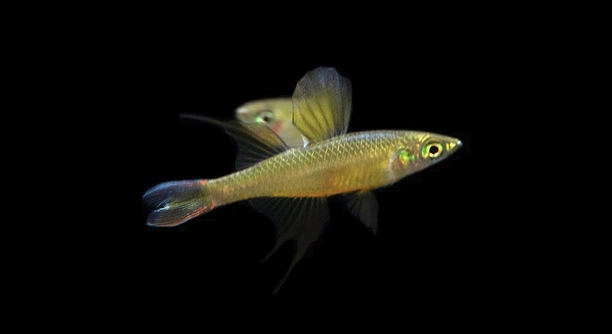
Threadfins are fascinating fish that often capture attention with their delicate movements and shimmering bodies. Observing them in their natural habitat reveals how their daily routines revolve around feeding, social interaction, and environmental cues, shaping their behavior consistently.
Research indicates that threadfins exhibit memory retention related to feeding schedules. When their regular feeding times are disrupted, they show behavioral adjustments, indicating an ability to remember previous patterns and anticipate food availability based on learned experiences.
Understanding these patterns provides insight into the complex lives of threadfins and the ways their memory influences daily behavior and survival.
How Threadfins Track Their Feeding Times
Threadfins rely heavily on routine to maintain their feeding schedules. In their natural environment, they swim to specific areas where food is usually abundant. Their behavior changes slightly if the feeding pattern shifts, showing they notice differences in timing. Over time, they learn to anticipate meals and adjust swimming patterns accordingly. This anticipation is visible when they gather near feeding spots before food appears, a clear indication that memory plays a role in their daily activities. Observing these fish shows how sensitive they are to environmental cues. Light, current, and the presence of other fish all influence when and where they expect to feed. Even minor delays in feeding can trigger small adjustments in movement and energy use, demonstrating that threadfins are actively learning from past experiences rather than reacting purely on instinct. Their consistency in seeking food highlights a structured internal rhythm tied to memory and routine.
When disrupted, threadfins adapt quickly but remain alert to the next feeding time.
These adaptations reflect a balance between survival and energy conservation. Memory allows threadfins to optimize foraging without wasting effort. By observing the shifts in behavior when feeding is delayed, researchers can better understand how these fish remember patterns. This knowledge helps in designing aquaculture systems and protecting natural populations, ensuring that feeding routines support healthy growth. It also reveals the intelligence behind seemingly simple aquatic behavior, showing how threadfins integrate memory into daily life.
Behavioral Changes After Feeding Disruptions
Threadfins exhibit visible stress when their feeding schedule is disrupted. They may swim more erratically and gather at unusual spots.
Extended research shows that these changes affect energy use and social interactions. Fish that experience irregular feeding often adjust swimming speed and grouping behavior to cope with unpredictability. Memory of previous schedules helps them anticipate food and reduce wasted effort. In controlled studies, threadfins that missed expected feeding times were observed revisiting usual feeding locations repeatedly, indicating recognition of the change. Over several days, they gradually recalibrated to new feeding times, demonstrating flexibility in behavior. Memory is not rigid; it allows threadfins to modify routines while still relying on prior experience to guide actions. Understanding these patterns is essential for anyone maintaining threadfins in captivity or studying their natural behavior. Predictable schedules support health, growth, and stress management. Recognizing how quickly they adjust provides insight into the broader cognitive abilities of these fish.
Their behavior shows that memory plays a crucial role in both survival and daily efficiency.
Memory Mechanisms in Threadfins
Threadfins use environmental cues to remember feeding times. Changes in light, water movement, and nearby activity all help them anticipate meals and adjust behavior accordingly, showing that memory is linked closely to sensory input.
Studies suggest that threadfins form short- and long-term memories related to feeding. They recognize specific locations and associate them with past food availability. When conditions change, such as delays or relocation of food, threadfins rely on memory to explore familiar areas first. This behavior demonstrates learning from past experiences. Memory allows them to optimize energy use while maintaining feeding efficiency. Patterns in movement and social interactions indicate that memory influences not just timing, but strategy in obtaining food. Threadfins that consistently experience changes in feeding schedules can gradually adapt, showing flexibility and resilience in their behavior.
Their memory extends to social cues as well. Fish observe the actions of peers, adjusting timing and location based on collective experiences. This social learning supports survival, allowing them to respond effectively to changes in their environment. Memory, therefore, integrates individual experience with group behavior to guide feeding decisions efficiently.
Effects of Feeding Disruptions on Health
Irregular feeding can increase stress and reduce overall energy in threadfins. Fish may show reduced appetite or altered swimming patterns during disruptions.
Long-term inconsistencies in feeding schedules affect growth and overall vitality. When threadfins miss expected meals, metabolic processes adjust to conserve energy, but prolonged irregularity can weaken immune responses. Consistent feeding supports predictable activity levels, reducing stress hormones and maintaining proper physiological function. Stress responses are often observed as increased movement, tight schooling, or avoidance behaviors, signaling that the fish are actively trying to cope with unpredictability. Controlled studies indicate that threadfins exposed to fluctuating feeding schedules show slower growth rates compared to those with stable routines. Providing predictable feeding times ensures that fish maintain proper body condition, energy reserves, and social interactions, all of which contribute to long-term health.
Anticipation and Routine
Threadfins often gather near usual feeding spots before food appears. This behavior reflects their ability to anticipate meals based on previous experiences.
They adjust swimming speed and location depending on how close feeding time is. Memory helps them reduce energy waste and stay ready for feeding opportunities.
Learning From Past Experiences
Threadfins remember past disruptions and adapt to new feeding schedules over time. When meals are delayed, they revisit familiar locations repeatedly, using memory to guide actions. This learning process allows them to gradually align with new patterns, maintaining efficiency in energy use. Memory also helps threadfins observe peers and adjust behavior collectively.
Implications for Aquaculture
Maintaining consistent feeding schedules improves threadfins’ health, growth, and stress management. Predictable routines support both individual and group well-being.
FAQ
How do threadfins react to missed feeding times?
Threadfins usually show signs of anticipation even if the feeding schedule is disrupted. They may swim more actively or gather at usual feeding locations. These behaviors indicate that they remember the expected timing and are prepared to feed, even after delays.
Can threadfins adjust to new feeding schedules?
Yes, threadfins are capable of adjusting to new feeding routines. Initially, they may continue visiting previous feeding spots at old times, but over days, they gradually learn the updated schedule. Memory allows them to modify behavior without wasting energy searching randomly for food.
Do threadfins rely on visual cues for feeding memory?
Visual cues play an important role. Threadfins recognize familiar areas, movements of other fish, and changes in light patterns to anticipate feeding. These environmental indicators help them remember where and when food is likely to appear.
Does social behavior influence feeding memory?
Social interactions significantly impact memory. Threadfins observe the behavior of other fish, which helps them locate food and time their feeding. Collective actions provide additional cues, reinforcing learned patterns and allowing individuals to benefit from group experience.
How long can threadfins remember disrupted feeding times?
Memory for feeding patterns can last several days to weeks, depending on the consistency and regularity of previous schedules. Repeated disruptions may initially confuse them, but threadfins can recalibrate based on consistent exposure to a new routine.
Are younger threadfins more adaptable than older ones?
Younger fish tend to be more flexible, learning new feeding schedules faster. Older threadfins may take longer to adjust but still retain strong memory of past patterns. Adaptability depends on prior experiences and environmental stability.
What happens if feeding disruptions are frequent?
Frequent disruptions can increase stress and reduce growth rates. Fish may expend extra energy searching for food, affecting overall health. Maintaining predictable feeding times supports metabolic efficiency and helps prevent behavioral stress responses.
Can memory improve feeding efficiency in aquaculture?
Yes, memory allows threadfins in aquaculture to anticipate feeding, reducing wasted effort and optimizing growth. Consistent schedules enhance overall well-being and ensure better management of resources. Fish that remember routines are calmer and more efficient during feeding periods.
Do threadfins show signs of stress when feeding times change?
Behavioral signs like faster swimming, tighter schooling, and repeated visits to previous feeding areas indicate stress. Memory of the old schedule drives anticipation, and until they adapt, these behaviors are common.
How can observation help improve feeding practices?
Observing threadfins’ reactions to disrupted feeding provides insight into their memory and adaptation. Monitoring behavior allows caretakers to adjust schedules gradually, reducing stress and maintaining health. Awareness of these patterns ensures fish thrive in both natural and controlled environments.
Do threadfins remember the quality or type of food as well as timing?
Yes, threadfins can associate specific food types with certain locations or times. Positive reinforcement from preferred food helps strengthen memory, guiding them toward predictable feeding behavior. This association also contributes to social learning when fish observe peers consuming favored food.
Is memory consistent across different species of threadfins?
Memory capacity and adaptability vary slightly among species, but most exhibit similar patterns. They remember locations, timing, and environmental cues to optimize feeding. Differences often depend on natural habitat complexity and feeding behavior in the wild.
Can threadfins anticipate feeding without direct cues?
Over time, memory allows threadfins to anticipate feeding even with minimal environmental cues. Previous experience helps them form internal schedules, so they often appear near feeding locations at the expected time, demonstrating learned behavior rather than instinct alone.
Does disrupted feeding affect social hierarchy?
Temporary disruptions can influence group behavior. Fish that adjust more quickly may access food first, slightly altering the social dynamic. Memory allows individuals to recover routines and restore normal social interactions once the schedule stabilizes.
How important is consistency for long-term health?
Consistency in feeding supports growth, reduces stress, and improves overall well-being. Threadfins thrive when they can rely on predictable schedules, using memory to efficiently allocate energy and interact with their environment. Unpredictable feeding can have lasting effects if prolonged.
Final Thoughts
Threadfins are remarkable fish that show clear signs of memory and learning when it comes to feeding. Observing their behavior over time reveals how they respond to changes in routine and adapt accordingly. They do not rely solely on instinct; instead, they combine past experiences with environmental cues to guide their daily activities. Memory allows them to anticipate feeding times, locate food more efficiently, and adjust energy expenditure. This ability is evident in the way they gather near feeding areas before food is provided and in their repeated visits to familiar locations when schedules are disrupted. Even small changes in light, water movement, or the presence of other fish can trigger adjustments, demonstrating that their memory is sensitive to multiple factors in their environment.
Disruptions in feeding schedules affect threadfins in noticeable ways. When meals are delayed or inconsistent, they may swim more actively, gather in unusual spots, or change their social interactions with other fish. These behaviors indicate that they are actively responding to changes, relying on memory to find food while coping with uncertainty. Over time, they can recalibrate to new schedules, showing flexibility and resilience in their behavior. However, repeated or prolonged disruptions can increase stress levels, impact growth, and affect overall health. Consistency in feeding supports both physical and behavioral well-being, allowing threadfins to maintain proper energy balance and social stability. Memory plays a crucial role in this process, helping fish navigate both predictable and unpredictable aspects of their environment efficiently.
Understanding the memory and learning patterns of threadfins has practical implications, particularly for aquaculture and conservation. Maintaining predictable feeding routines ensures that fish grow healthily and experience minimal stress. Observing their responses to schedule changes can provide insight into cognitive abilities and behavioral flexibility. Memory is not only a tool for survival but also a guide for daily efficiency, allowing threadfins to optimize energy use while maintaining social cohesion. By appreciating how these fish remember past experiences and adapt to new conditions, caretakers and researchers can support their well-being effectively. Consistent routines, careful observation, and attention to environmental cues are key to helping threadfins thrive, whether in controlled habitats or natural ecosystems. Their behavior serves as a reminder that even small creatures can possess complex, adaptable patterns shaped by memory, learning, and interaction with their surroundings.

Hello,
If you enjoy the content that we create, please consider saying a "Thank You!" by leaving a tip.
Every little bit helps us continue crafting quality advice that supports the health, happiness, and well-being of pets around the world, for pets of all shapes, sizes, and species.
We really appreciate the kindness and support that you show us!