
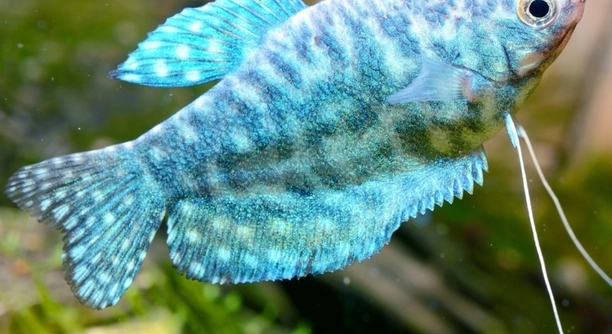
Are your gouramis acting strangely, hiding more than usual, or refusing to eat? These behaviors can often be traced back to issues in their water conditions.
Gourami activity is strongly influenced by water quality, temperature, pH levels, and other environmental factors. Changes in any of these can lead to stress, illness, or inactivity. Ensuring balanced water conditions is essential for their overall well-being.
Each issue tells a story about your aquarium’s ecosystem and how it affects your fish. Understanding these problems can help you create a healthier space for your gouramis.
Ammonia Spikes
Ammonia spikes are one of the most common water issues that affect gourami activity. This usually happens when uneaten food, waste, or decaying plants break down and raise ammonia levels in the tank. Gouramis are sensitive to these changes and may become sluggish, breathe heavily at the surface, or stay hidden. The stress caused by ammonia can weaken their immune system, making them more likely to get sick. Regular water testing is important to catch these spikes early. Cleaning the substrate, avoiding overfeeding, and making consistent water changes are simple ways to reduce ammonia buildup. Using a properly cycled filter also helps keep ammonia in check. Don’t ignore small changes in behavior, as they could point to a growing issue. Keep your tank clean and balanced to support your gourami’s health. A healthy environment encourages normal swimming, feeding, and social behaviors in your fish, which are signs of comfort and stability.
Frequent ammonia spikes can lead to long-term health problems if not handled quickly.
If your gourami seems to lose interest in food or is gasping near the water’s surface, check your ammonia levels first. A small spike may not be obvious at a glance, but your fish will feel it. Regular tank maintenance and good feeding habits make a big difference.
Poor Oxygen Levels
Low oxygen can make gouramis act lethargic, stay near the surface, or breathe heavily. This often occurs in overcrowded tanks or ones with little water movement.
Poor oxygen levels can be stressful and dangerous for gouramis, even though they have a labyrinth organ that lets them breathe air. They may seem to manage better than other fish, but this doesn’t mean they are comfortable. Still water with low surface agitation limits gas exchange, reducing available oxygen. High temperatures and waste buildup can also lower oxygen. If you see your gouramis frequently gulping air at the surface, it’s likely a sign of low oxygen rather than just their natural behavior. Adding an air stone, increasing filtration, or slightly lowering the water temperature can help improve oxygen flow. Avoid overstocking your tank and make sure there is enough space and surface area for proper gas exchange. A well-oxygenated tank helps your gouramis stay active, alert, and healthy.
Incorrect pH Levels
An unstable or incorrect pH level can make gouramis uncomfortable and less active. Sudden shifts may lead to stress, which often shows in dull colors, erratic swimming, or lack of appetite. These fish do best in slightly acidic to neutral water, around 6.5 to 7.5 pH.
When the pH is too low or too high, it affects how your gourami’s body functions. They may struggle to regulate breathing, digestion, and other basic processes. Tap water, new decorations, or substrate changes can influence the tank’s pH. It’s important to test your water regularly and make changes gradually. Avoid harsh chemicals unless necessary, and try natural methods like driftwood or peat to adjust pH safely. Keeping pH stable is more important than aiming for a perfect number. Stability helps gouramis feel safe, which encourages them to swim, eat, and interact normally without stress-related behavior.
If you notice your gourami staying at the bottom or hiding for long periods, check your pH levels. Even if the number seems only slightly off, sensitive fish like gouramis can still feel the effects. Use a reliable pH test kit and keep track of your readings over time. Stability is key, and consistency will always help your gourami thrive.
Temperature Fluctuations
Fluctuating water temperatures can confuse and stress your gouramis. These fish are tropical and prefer stable, warm conditions. Rapid changes—even just a few degrees—can weaken their immune system and affect their daily behavior and energy levels.
Gouramis feel most comfortable in temperatures between 75°F and 80°F. If the tank temperature drops too low at night or swings too high during the day, it can cause stress and lead to illness. You might notice signs like slow movement, clamped fins, or hiding in corners. A reliable aquarium heater with a built-in thermostat helps keep temperatures steady. Avoid placing the tank near windows or vents, which can cause drafts or overheating. During water changes, match the temperature of the new water with what’s already in the tank. If you’re using fans or chillers in the summer, make sure the changes happen slowly. Small adjustments help your gourami stay balanced, active, and healthy.
Dirty or Cloudy Water
Dirty or cloudy water can make gouramis stressed and inactive. Waste buildup, leftover food, and decaying plants all contribute to poor water clarity. If not cleaned regularly, the tank becomes unhealthy and affects how your fish behave.
Even if the water looks slightly cloudy, it may still be harmful. High levels of bacteria and debris make it harder for gouramis to stay comfortable and breathe properly.
High Nitrate Levels
High nitrate levels often go unnoticed but can slowly affect your gourami’s health. Unlike ammonia or nitrite, nitrate builds up over time and doesn’t usually cause immediate problems. But when levels get too high, your fish may become less active, more sensitive to illness, and show reduced appetite. Nitrate comes from fish waste, leftover food, and decaying matter. Regular water changes, proper filtration, and not overfeeding your fish help control nitrate buildup. Live plants can also help absorb excess nitrate. Testing your water weekly gives you a better idea of how things are changing. A clean, well-balanced tank supports your gourami’s overall health and energy.
Strong Water Currents
Gouramis prefer calm water, and strong currents can wear them out quickly. Powerful filters or pumps might push them around, making them hide or avoid swimming altogether.
Why is my gourami not very active?
Gouramis can become less active due to several water-related factors. Common reasons include poor water quality, improper temperature, low oxygen levels, or incorrect pH. Stress from these conditions often causes gouramis to hide, stop eating, or swim sluggishly. Checking and stabilizing water parameters usually helps restore their normal behavior.
How often should I test the water in my gourami tank?
Testing water weekly is a good routine to keep your gouramis healthy. Frequent tests help catch problems like ammonia spikes, high nitrate levels, or pH changes early. Use reliable test kits to monitor ammonia, nitrites, nitrates, and pH. Regular checks combined with partial water changes help maintain a stable environment for your fish.
Can overfeeding affect gourami activity?
Yes, overfeeding can cause water quality issues, which then affect gourami activity. Uneaten food decays and raises ammonia and nitrate levels, stressing the fish. Stress often leads to inactivity, loss of appetite, and illness. Feeding small amounts once or twice a day, and removing leftover food promptly, helps keep water clean and your gouramis active.
What is the ideal temperature range for gouramis?
Gouramis thrive in temperatures between 75°F and 80°F (24°C to 27°C). Temperatures outside this range, especially rapid fluctuations, can stress the fish and reduce their activity. Maintaining a stable temperature using a good-quality heater and thermometer supports healthy metabolism and behavior. Avoid placing the tank near drafts or direct sunlight.
How can I improve oxygen levels in my aquarium?
To improve oxygen levels, increase water surface agitation by adding an air stone or adjusting your filter’s output. Live plants also help oxygenate the water during the day. Avoid overcrowding and remove decaying matter regularly, as waste consumes oxygen. Cooler water holds more oxygen, so keep the temperature stable and within the ideal range.
Why does cloudy water affect my gouramis?
Cloudy water often means high bacterial growth, leftover food, or waste buildup. This creates an unhealthy environment and can cause stress or illness in gouramis. Cloudy water also reduces oxygen availability and makes it harder for your fish to breathe. Regular cleaning, water changes, and proper filtration keep the water clear and safe.
Is a strong current bad for gouramis?
Yes, gouramis prefer calm water since strong currents tire them out. Powerful filter flows can stress them and make swimming difficult. This often results in hiding or reduced activity. Use adjustable filters or create areas with less flow using decorations or plants, so your gouramis can rest when needed.
How do pH changes affect gouramis?
Sudden or large pH changes stress gouramis and interfere with their bodily functions. They prefer a stable pH between 6.5 and 7.5. If the pH swings frequently, it can cause hiding, loss of appetite, or illness. Regular water testing and gradual adjustments help keep pH steady for happier fish.
What signs show my gourami is stressed from water issues?
Signs include hiding, loss of appetite, clamped fins, rapid breathing, and dull colors. Stress often shows in reduced activity or erratic swimming. If you notice these behaviors, test your water for ammonia, nitrites, nitrates, pH, and temperature. Fixing any problems usually helps your gouramis return to normal behavior.
Can plants help with water quality for gouramis?
Yes, live plants improve water quality by absorbing nitrates and producing oxygen. They also provide hiding spots, making gouramis feel secure. Healthy plants reduce waste buildup and help keep water parameters stable. Adding easy-care plants like java fern or anubias benefits both water quality and gourami wellbeing.
Keeping gouramis healthy and active means paying close attention to their water environment. Water quality plays a big role in how these fish behave. Factors like ammonia, nitrate levels, pH balance, and temperature all affect their comfort and energy. When these conditions are off, gouramis may become less active, hide more, or stop eating. It is important to maintain a stable and clean tank by regularly testing water and making necessary adjustments. Doing this helps prevent many common problems and keeps your fish feeling good.
Water changes and tank maintenance are simple but powerful tools in caring for gouramis. Removing waste, leftover food, and debris stops harmful chemicals from building up. Using a good filtration system supports water clarity and oxygen levels, which are essential for your fish’s health. Proper feeding habits also make a difference; overfeeding can pollute the tank and cause stress. Taking small, regular steps to care for the water will make a noticeable difference in your gouramis’ activity and overall well-being.
Finally, patience and observation go hand in hand with aquarium care. Changes in your gourami’s behavior can be early signs that something is wrong with the water. Being aware of these signals lets you act quickly before problems get worse. Keeping water stable and clean may take some effort, but it pays off by creating a safe and comfortable home for your gouramis. This helps them stay lively, healthy, and happy for a long time.

Hello,
If you enjoy the content that we create, please consider saying a "Thank You!" by leaving a tip.
Every little bit helps us continue crafting quality advice that supports the health, happiness, and well-being of pets around the world, for pets of all shapes, sizes, and species.
We really appreciate the kindness and support that you show us!