
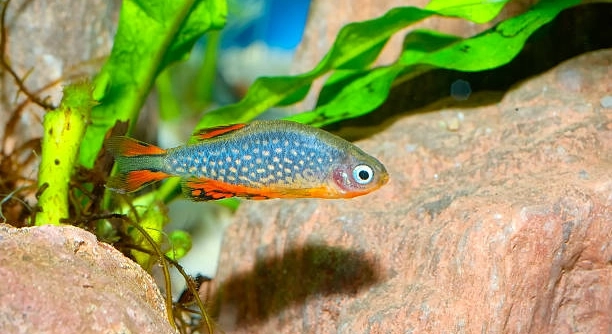
Are your danios showing signs of sluggish behavior or uneven growth despite regular feeding? Observing their habits closely can reveal subtle issues with diet and nutrition that affect overall health. A well-balanced feeding routine is essential for vitality.
Introducing variations in feeding can enhance danio health by providing a broader nutrient spectrum. Alternating food types, adjusting portion sizes, and incorporating live, frozen, or plant-based options ensures proper growth, strengthens immune function, and supports vibrant coloration and energy levels.
Small adjustments in feeding can have a noticeable impact on your danios’ wellbeing. Implementing these strategies encourages healthier, more active, and visually striking fish.
High-Protein Feeding
Danios thrive on a diet rich in protein, which is essential for their growth, muscle development, and overall energy. Incorporating high-protein foods like brine shrimp, daphnia, or specially formulated fish flakes ensures they receive sufficient nutrients. I noticed that when I started alternating between live and frozen protein sources, my danios became noticeably more active and displayed brighter coloration. It’s important to feed small portions multiple times a day rather than one large meal to avoid overfeeding, which can lead to water quality issues. Mixing in protein-rich options with occasional vegetable matter also helps maintain a balanced diet. Over time, this combination reduces lethargy, supports immune function, and encourages healthy schooling behavior. Tracking how your fish respond to different protein sources is valuable for adjusting portions and types, ensuring each fish receives what it needs without excess waste in the tank.
High-protein diets improve both energy levels and appearance, making danios more vibrant and lively in daily activity.
Observing the effect of protein variations is simple. Start with small amounts and note changes in swimming patterns, appetite, and color. Switching between live and frozen protein prevents boredom and stimulates natural hunting behaviors. Consistent high-quality protein feeding builds resilience against disease, supports reproductive health, and strengthens bones. Over time, these adjustments result in a more dynamic, healthy, and visually appealing group of danios.
Plant-Based Additions
Including vegetables or algae-based foods helps maintain digestive health and nutrient balance.
Leafy greens like spinach, zucchini, and spirulina flakes can be finely chopped or blanched before feeding. These additions supplement protein-heavy diets, providing fiber and vitamins. I gradually introduced small portions to avoid sudden digestive upset, and the danios adapted quickly. Regularly rotating plant-based options encourages appetite and prevents nutritional gaps. Some danios are hesitant at first, but persistence often results in acceptance. Balanced feeding ensures their gastrointestinal system functions smoothly while enhancing overall vitality. Feeding plants two to three times per week supports normal growth without compromising protein intake, creating a sustainable routine that benefits both individual fish and the group. Proper preparation of vegetables—blanching or softening—reduces the risk of choking and promotes easier consumption.
A consistent schedule with plant-based foods strengthens digestion and encourages natural feeding habits.
To integrate vegetables effectively, offer small, manageable portions that can be consumed within minutes. Gradually increase variety to include spinach, peas, zucchini, or spirulina flakes. Combining these with protein-rich meals supports healthy digestion and prevents constipation, which is common in fish on strictly high-protein diets. Monitoring how the fish respond helps tailor the balance between plant and protein sources. The right approach keeps danios active, prevents bloating, and promotes long-term health, making feeding both practical and beneficial.
Live Food Variation
Live foods such as brine shrimp and daphnia provide essential nutrients and stimulate natural hunting behavior in danios. Offering them occasionally adds protein variety and encourages active feeding habits, keeping the fish engaged and healthy.
Introducing live food has noticeable effects on danios’ activity levels and coloration. I observed that when small portions of brine shrimp were added twice a week, my fish became more alert and energetic. Live foods contain natural enzymes and nutrients that frozen or processed options may lack, supporting digestion and growth. Feeding live food in moderation avoids water quality issues while still giving danios a stimulating experience. Rotating between live and frozen foods ensures variety without overfeeding or imbalance. It also encourages natural foraging behavior, which reduces stress and keeps the fish mentally active. Over time, this contributes to stronger immune systems and better overall health.
Consistency is key when offering live food. Start with small amounts and gradually adjust frequency. Observe the fish’s response to each type, and combine with flakes or frozen food for a balanced feeding routine. Careful preparation of live food, such as rinsing or hatching brine shrimp, reduces the risk of introducing contaminants. Maintaining this variation encourages natural behaviors, improves nutrition, and supports growth and vitality in your danios.
Feeding Frequency Adjustments
Altering feeding schedules helps regulate metabolism and reduces overeating, supporting overall health. Short, frequent feedings are more effective than one large meal.
Adjusting feeding frequency allows danios to maintain steady energy levels and supports digestion. I shifted from feeding once daily to offering small portions three times a day. The change reduced aggressive competition at feeding time and improved growth uniformity across the tank. Smaller, frequent meals minimize waste, keeping the water cleaner and reducing the risk of bacterial spikes. Observing how the fish respond ensures portions are appropriate for the number of danios present. This approach also helps avoid bloating and digestive issues. Feeding frequency impacts activity levels, coloration, and general wellbeing, making it a vital component of a proper care routine.
Tracking responses to different schedules allows precise tailoring of feeding times. Combine varied food types with the adjusted schedule to maximize benefits. Shorter, more frequent feedings mimic natural grazing, reduce stress, and maintain energy throughout the day. Proper monitoring ensures all fish get enough food without excess waste. Over time, this method strengthens immune function, encourages consistent growth, and keeps danios vibrant. Adjusting feeding intervals is a simple yet highly effective strategy to enhance overall health and vitality.
Frozen Food Options
Frozen foods like bloodworms and brine shrimp provide convenience without sacrificing nutrition. They retain much of their natural protein and are easy to store, making them a practical choice for regular feeding schedules.
Using frozen foods ensures variety while controlling portion sizes effectively. I often alternate between frozen bloodworms and brine shrimp to keep my danios interested. Thawing before feeding prevents sudden temperature changes in the tank, which can stress the fish. Frozen foods are less likely to carry parasites compared to live options, offering a safer alternative. They also allow precise measurement, reducing overfeeding and waste accumulation. Integrating frozen options with flakes or plant-based foods maintains nutritional balance while keeping feeding routines manageable and consistent.
Portion Control
Proper portioning prevents overfeeding, maintains water quality, and supports steady growth. Small, measured amounts per feeding are ideal.
Rotating Food Types
Rotating between flakes, live, frozen, and plant-based options ensures balanced nutrition and prevents dietary monotony. Changing food types regularly supports long-term health and stimulates natural feeding behaviors, keeping danios active, engaged, and visually vibrant in the aquarium.
Occasional Treats
Occasional treats like tiny insects or specialty flakes add variety without disrupting diet. Using them sparingly keeps feeding interesting and encourages natural hunting instincts.
FAQ
How often should I feed my danios?
Feeding small portions two to three times daily works best for most danios. I found that splitting meals prevents overeating and keeps water cleaner. Consistent timing helps maintain energy levels and reduces stress in the tank. Avoid large, infrequent meals, which can lead to bloating and poor digestion.
What is the best type of food for danios?
A combination of flakes, live food, frozen options, and occasional plant-based foods offers the most balanced nutrition. I rotate these types regularly to prevent dietary monotony. Live foods like brine shrimp encourage natural hunting behavior, while flakes and frozen foods provide consistent protein. Vegetables or algae-based foods help digestion and support vitamins.
Can danios eat only flakes?
Feeding only flakes is possible but not ideal. Flakes provide basic nutrients but may lack the variety needed for optimal health. I noticed that introducing live or frozen foods improved color vibrancy and energy levels. Combining flakes with other options ensures they receive proteins, fiber, and vitamins.
How do I prevent overfeeding?
Measure portions carefully and feed only what can be consumed within a few minutes. I often prepare separate small amounts for each feeding. Observing the fish while they eat helps determine if adjustments are needed. Overfeeding can cause water quality issues and digestive problems, so keeping it moderate is key.
Are live foods necessary for danios?
Live foods are not strictly required but are highly beneficial. They stimulate natural foraging behavior and provide enzymes that support digestion. I include live foods once or twice a week to keep feeding interesting. Combining live options with frozen or flakes maintains balance and reduces risk of overfeeding or contamination.
How can I introduce vegetables to danios?
Start with small, finely chopped or blanched pieces of spinach, zucchini, or peas. I gradually added them to avoid digestive upset. Feeding plant-based foods two to three times weekly supports fiber intake and overall nutrition. Watch for acceptance, as some danios take longer to adjust.
Is it safe to mix live and frozen foods?
Yes, mixing live and frozen foods is safe and effective. I alternate types to provide variety and maintain nutrition. Thaw frozen foods before feeding to prevent temperature shock. Combining these options ensures balanced protein intake and stimulates natural feeding behavior, keeping the fish active.
How important is food rotation?
Rotating foods is essential for balanced nutrition. I switch between flakes, live, frozen, and plant-based foods weekly. Rotation prevents dietary deficiencies, encourages healthy growth, and keeps fish engaged. Long-term use of a single food type can cause nutrient gaps or boredom, reducing activity and overall wellbeing.
Can treats be included regularly?
Treats should be occasional, not daily. Small insects or specialty flakes work well, but overuse can disrupt the diet. I use treats sparingly to maintain interest and natural hunting behavior without negatively impacting nutrition. They add variety but should not replace staple foods.
What signs indicate poor nutrition?
Lethargy, faded coloration, uneven growth, and loss of appetite often signal dietary issues. I monitor my fish daily for changes in behavior or appearance. Adjusting food types, portions, and frequency usually restores health. Maintaining a varied diet is the most effective prevention.
How do feeding habits affect tank health?
Overfeeding leads to excess waste, water contamination, and algae growth. I feed only measured portions and remove uneaten food promptly. Balanced feeding helps maintain water quality, reduces disease risk, and keeps fish active and vibrant, supporting both their health and the aquarium environment.
What is the best schedule for rotating foods?
I alternate between protein, plant-based, live, and frozen foods every few days. This keeps the diet varied without overwhelming the digestive system. Sticking to a consistent rotation supports nutrition, encourages activity, and improves overall vitality. Observing how fish respond helps fine-tune the schedule for optimal results.
Can danios survive on a vegetarian diet?
Danios can consume some plant-based foods, but a purely vegetarian diet is not sufficient. I always include protein sources to ensure proper growth and energy. Balanced inclusion of plant matter supports digestion, while protein maintains muscle, immune function, and coloration.
How do I measure proper portions?
A pinch or two of flakes or the equivalent for live or frozen food is usually enough for a small group of danios. I observe how quickly they finish each portion and adjust slightly if necessary. Measuring prevents waste and keeps fish healthy.
Does feeding affect coloration?
Yes, proper nutrition enhances natural colors. I noticed brighter stripes and improved vibrancy when introducing live or frozen protein alongside flakes. Balanced diets, including occasional plant-based foods, strengthen pigmentation and overall appearance. Malnutrition or monotony in food often results in dull colors.
Can I combine protein sources in one feeding?
Combining small portions of different protein sources is effective. I mix flakes with frozen or live foods occasionally to maintain variety. This approach supports digestion and nutrient absorption while keeping meals interesting and promoting healthy growth.
Is feeding frequency more important than portion size?
Both matter, but small, frequent feedings are more effective for metabolism and digestion. I feed two to three times daily, ensuring portions are controlled. Regular intervals prevent overeating and support consistent energy levels, improving overall health and vitality.
How do I handle picky eaters?
Introduce new foods gradually and in small amounts. I mix them with familiar options to encourage acceptance. Patience is key, as some danios take longer to adjust. Observing their response helps identify preferred foods while maintaining nutritional balance.
Can overfeeding be reversed?
Yes, reducing portions and adjusting frequency can correct overfeeding effects. I monitor water quality and fish behavior closely during adjustments. Gradually returning to a balanced routine restores digestion, activity levels, and overall health, while preventing long-term issues.
How do I store frozen or live foods?
Keep frozen foods in a sealed container in the freezer and thaw before feeding. Live foods should be stored in clean water at appropriate temperatures. I maintain strict hygiene to prevent contamination and preserve nutritional value. Proper storage ensures safety and consistent feeding quality.
Are there any seasonal adjustments needed?
Temperature changes may affect appetite and metabolism. I observe feeding response and adjust portions or frequency accordingly. Cooler water slows digestion, so smaller, more frequent meals are preferable. Seasonal monitoring helps maintain health and energy levels year-round.
How long can danios go without food?
Healthy adult danios can survive a short period, usually one to two days, without food. I avoid skipping feedings regularly, as prolonged fasting can lead to stress and weakened immunity. Maintaining a consistent schedule is best for long-term health.
Can overfeeding cause disease?
Yes, overfeeding can lead to digestive issues, obesity, and water contamination, increasing susceptibility to disease. I limit portions and remove uneaten food promptly. Proper feeding routines reduce stress, maintain immune function, and protect against infections.
How do I track effective feeding practices?
I keep a simple log of food types, portions, and frequency, observing fish behavior and appearance daily. Tracking allows adjustments and ensures balanced nutrition. Noting which foods improve energy, color, and appetite helps refine routines and maintain optimal health consistently.
Is it safe to feed commercial treats?
Commercial treats are safe in moderation. I use them sparingly alongside staple foods. Excessive treats can unbalance nutrition or create water quality issues. Occasional inclusion provides variety and stimulation without negatively affecting health or growth.
Can young danios have different feeding needs?
Yes, fry require more frequent, smaller portions of finely crushed flakes, live baby brine shrimp, or micro foods. I adjust feeding schedules to support rapid growth and high energy needs. Proper nutrition at this stage sets the foundation for healthy adult fish.
How do I know if feeding adjustments are working?
Increased activity, brighter coloration, improved growth, and consistent appetite indicate effective changes. I monitor these indicators over several weeks after adjustments. Positive results confirm that portion, frequency, and food type are supporting health.
What is the safest way to introduce new foods?
Introduce gradually in small amounts mixed with familiar options. I observe acceptance and digestion closely. Gradual integration reduces stress and ensures nutritional balance while encouraging acceptance of varied foods over time.
Can feeding routines affect social behavior?
Yes, regular feeding and portion control reduce competition and aggression. I noticed that when meals were spread throughout the day in small amounts, danios school more calmly and show less stress-related behavior. Balanced routines improve group harmony.
How important is variety in feeding?
Variety prevents nutritional deficiencies, boredom, and reduced activity. I rotate protein, plant, live, and frozen foods to maintain health and engagement. Consistent variety supports growth, immune function, and coloration while encouraging natural behaviors.
Are there signs of overfeeding I should watch for?
Uneaten food, bloating, sluggish swimming, and poor water quality are key indicators. I adjust portions immediately when noticed. Preventing overfeeding protects digestive health and reduces risks of illness or tank contamination.
Can feeding habits influence breeding?
Yes, proper nutrition and frequency improve reproductive success. I provide high-protein foods, occasional live options, and plant matter to support healthy spawning. Balanced feeding strengthens energy levels, coloration, and overall readiness for breeding behavior.
Is it necessary to adjust food based on tank size?
Yes, more fish require proportionally more food. I scale portions to the number of danios to prevent underfeeding or overfeeding. Maintaining correct portion sizes for the tank ensures all fish receive adequate nutrition without compromising water quality.
How can I make feeding less stressful?
Use small, controlled portions and a consistent schedule. I feed quietly and observe from a distance. Avoid sudden changes in food type or quantity. Predictable routines reduce stress and encourage healthy feeding behaviors while maintaining energy and color.
Can feeding affect lifespan?
Yes, proper diet, portion control, and feeding frequency contribute to longevity. I’ve noticed that consistent, balanced nutrition keeps danios active and reduces disease risk. Healthy feeding practices support long-term vitality and quality of life in the aquarium.
Is it necessary to clean up uneaten food immediately?
Yes, removing leftover food prevents water contamination and reduces disease risk. I observe feedings closely and remove anything remaining after a few minutes. This keeps the tank clean and protects both water quality and fish health.
What is the impact of feeding too infrequently?
Feeding too rarely leads to nutrient deficiency, lethargy, and poor growth. I ensure meals are frequent enough to meet metabolic needs without overfeeding. Consistency in feeding frequency supports energy, immunity, and long-term health of danios.
How do I balance protein and plant-based foods?
Protein should form the core of the diet, supplemented by plant matter for fiber and vitamins. I alternate protein and vegetables throughout the week to maintain balance. Proper ratios support digestion, growth, and immune function while encouraging natural behaviors and color vibrancy.
Are there foods to avoid entirely?
Avoid overly fatty, processed human foods, and anything that sinks rapidly and decomposes before consumption. I stick to fish-specific flakes, frozen, live, and plant-based options. Unsafe foods can cause digestive issues, water quality problems, or toxicity, making selection critical for long-term health.
Can feeding times be adjusted seasonally?
Yes, cooler temperatures slow metabolism, requiring smaller, more frequent meals. I observe appetite and adjust accordingly. Warmer months allow slightly larger portions. Seasonal adjustments maintain energy balance, support digestion, and prevent stress or bloating throughout the year.
Is monitoring water quality related to feeding?
Absolutely. Uneaten food and excessive portions increase ammonia and nitrate levels. I test water regularly and adjust feeding to maintain stability. Clean water supports digestion, prevents disease, and ensures all feeding efforts positively impact health.
How can I tell if my danios are getting enough nutrients?
Active swimming, bright coloration, steady growth, and normal behavior indicate adequate nutrition. I watch closely and adjust diet if any signs of weakness or dull colors appear. Balanced feeding maintains energy, health, and overall vitality.
What is the role of fiber in danio diets?
Fiber from vegetables supports digestion and prevents constipation. I include plant-based foods a few times weekly to ensure gastrointestinal health. Balanced fiber intake promotes regularity, improves nutrient absorption, and supports overall wellbeing.
Can feeding habits influence behavior during tank cleaning?
Yes, consistent feeding reduces aggression and stress during maintenance. I maintain a predictable routine, allowing fish to focus on food rather than competition or hiding. Well-fed fish are calmer, making tank upkeep easier and less stressful for both fish and caretaker.
Are there signs that my feeding routine is too rigid?
If fish refuse certain foods or show boredom with repetitive meals, the routine may need variety. I rotate food types and adjust portions to maintain engagement. Flexibility ensures optimal nutrition while keeping danios active and interested.
Is portion size more critical than type of food?
Both matter, but improper portioning has immediate negative effects. I emphasize measuring carefully while maintaining varied types. Correct portion sizes prevent waste, support digestion, and reduce stress, making diet management more effective overall.
How long should live foods be offered in a week?
Once or twice weekly is sufficient. I found this frequency balances nutritional benefits with practicality and water quality maintenance. Overuse can increase contamination risk, while infrequent use limits behavioral stimulation and protein variety.
Can sudden food changes harm danios?
Yes, abrupt changes can cause digestive upset or stress. I introduce new foods gradually, mixing them with familiar options. This approach reduces risk and allows the fish to adapt while maintaining nutritional balance.
What is the best way to thaw frozen food?
Place frozen items in a small container of tank water or at room temperature for a few minutes. I avoid microwaving or hot water. Proper thawing prevents temperature shock and preserves nutrient content, keeping fish healthy and active.
Are there any long-term feeding strategies to follow?
Maintaining variety, proper portions, balanced protein and plant matter, and frequent small meals is key. I rotate food types and monitor behavior regularly. Long-term strategies support growth, immunity, coloration, and overall vitality, ensuring danios remain healthy throughout their lifespan.
Can feeding impact stress levels in danios?
Yes, irregular or excessive feeding can cause aggression, competition, and stress. I follow a consistent schedule with measured portions. Balanced feeding reduces tension, supports social behavior, and improves energy and health.
Is it necessary to adjust diet as danios age?
Yes, older fish may require slightly smaller portions or more easily digestible foods. I monitor appetite and activity, adjusting food types accordingly. Age-appropriate feeding supports digestion, energy, and overall vitality.
Do danios benefit from fasting days?
Occasional short fasts, once a week, can help digestion and prevent overfeeding. I ensure this is done carefully without causing stress. Fasting supports gut health and maintains appetite for subsequent feedings.
Can feeding influence disease resistance?
Proper nutrition strengthens the immune system, reducing susceptibility to infection. I provide a balanced diet with varied protein, plant matter, and occasional live foods. Healthy feeding routines directly support disease resistance and long-term vitality.
How do I combine different textures in food?
Mix flakes, frozen, live, and plant-based items to provide varied textures. I alternate these in meals to keep feeding stimulating and encourage natural foraging. Combining textures supports digestion, engagement, and overall health.
Can overfeeding cause deformities?
Yes, chronic overfeeding may lead to abnormal growth or obesity. I control portions and monitor growth carefully. Balanced feeding ensures proper skeletal development, energy distribution, and overall body structure.
Are there signs my danios are underfed?
Rapid weight loss, lethargy, faded coloration, or slow growth indicate underfeeding. I increase small portions gradually and monitor for recovery. Adequate nutrition ensures healthy energy levels, growth, and vibrancy.
Does feeding influence water pH?
Yes, decomposing food can alter pH. I remove uneaten food promptly and maintain balanced feeding. Stable water chemistry supports digestion, health, and activity, minimizing risks of stress or disease.
What is the role of variety in maintaining appetite?
Rotating foods prevents boredom and maintains consistent interest in feeding. I alternate protein, plant-based, frozen, and live foods weekly. Variety ensures adequate nutrition, encourages activity, and supports long-term health.
Can feeding frequency affect sleep patterns?
Yes, irregular feeding can disrupt natural rest cycles. I maintain predictable schedules, providing small meals throughout the day. Consistent feeding supports normal activity and rest cycles, contributing to overall wellbeing.
Is it necessary to monitor leftover food?
Yes, leftover food can contaminate water and attract algae. I remove uneaten portions after a few minutes. Monitoring leftovers keeps water clean and protects the health of the entire aquarium.
How do I prevent picky eating?
Gradually introduce new foods mixed with familiar options. I start with small portions to encourage acceptance. Persistence and variety help danios develop a balanced diet without rejecting nutritious foods.
Can feeding habits improve social interaction?
Yes, proper portions and consistent schedules reduce competition. I noticed calmer, more coordinated schooling behavior when feeding was structured. Balanced feeding promotes harmony and reduces aggression.
Does temperature affect feeding?
Yes, cooler water slows metabolism, requiring smaller, more frequent meals. Warmer water allows slightly larger portions. I monitor appetite and adjust accordingly to maintain health and energy.
Can dietary supplements be beneficial?
Occasionally, supplements like spirulina or vitamin-enriched flakes enhance nutrition. I use them sparingly to support coloration, immune function, and growth without overwhelming the standard diet.
Are there signs that feeding is optimal?
Active swimming, bright colors, steady growth, and eagerness during mealtime indicate effective feeding. I observe these regularly to confirm diet and routine are supporting health.
How can feeding impact breeding behavior?
Proper nutrition and consistent feeding increase readiness to spawn, improve egg quality, and strengthen offspring survival. I provide high-protein foods, occasional live options, and plant-based nutrients to support reproductive health.
Is it better to feed multiple small portions or one large meal?
Multiple small portions are preferable. I feed two to three times daily in small amounts to maintain energy, prevent overfeeding, and reduce stress. This approach promotes better digestion and overall health.
Can feeding methods affect tank cleanliness?
Yes, controlled portions and proper removal of leftovers reduce waste and algae growth. I observe feedings closely and maintain consistent routines. Clean water supports digestion, reduces disease risk, and improves overall fish health.
How do I ensure all fish get food in a group tank?
Distribute food evenly across the tank. I observe feeding to ensure slower or shy danios are not left out. Balanced distribution prevents dominance, promotes fair nutrition, and maintains harmony within the group.
Are there risks of feeding too much live food?
Yes, excessive live food can introduce parasites or contaminate water. I limit live feedings to once or twice weekly and monitor water quality closely. Moderation ensures safety while maintaining nutritional benefits.
Can feeding times influence growth rates?
Yes, consistent,
Feeding danios properly is essential for their overall health and wellbeing. A balanced diet that combines flakes, live foods, frozen options, and plant-based items ensures that they receive the nutrients needed for growth, coloration, and energy. Overfeeding or relying on a single type of food can lead to digestive issues, water quality problems, and uneven growth among the fish. Observing how your danios respond to different foods and adjusting portions and feeding frequency accordingly helps maintain a healthy and active tank. Paying attention to behavior, appetite, and appearance is an important part of monitoring their diet and making improvements where necessary. Consistent routines and proper portion control reduce stress and improve the overall vitality of the group.
Introducing variety in the diet also keeps the fish engaged and encourages natural feeding behaviors. Live foods, like brine shrimp or daphnia, stimulate hunting instincts and provide enzymes that support digestion. Frozen foods offer convenience without sacrificing nutrition and allow for precise measurement to avoid overfeeding. Plant-based foods, such as spinach, zucchini, or spirulina flakes, add fiber and essential vitamins to support digestion and overall health. Rotating food types on a regular basis ensures that danios are receiving a well-rounded diet while preventing boredom or selective feeding. Small adjustments, like alternating between protein sources or including occasional treats, can make a noticeable difference in activity levels, color vibrancy, and growth. Proper preparation of foods, such as blanching vegetables or thawing frozen items, also ensures safety and maximizes nutritional value for the fish.
Feeding routines, portion control, and food variety all contribute to long-term health and longevity. Providing small, frequent meals rather than one large feeding prevents overfeeding and supports steady energy throughout the day. Monitoring the tank environment is equally important, as leftover food can impact water quality and stress levels if not removed promptly. Understanding the specific needs of your danios, including the differences in age, activity levels, and individual appetites, allows for more precise feeding strategies. Maintaining this balance promotes immune function, prevents disease, and supports vibrant, healthy fish. By being attentive, consistent, and thoughtful in feeding practices, you can create a sustainable routine that enhances both the health and behavior of your danios, ensuring they remain active, colorful, and lively in your aquarium over time.

Hello,
If you enjoy the content that we create, please consider saying a "Thank You!" by leaving a tip.
Every little bit helps us continue crafting quality advice that supports the health, happiness, and well-being of pets around the world, for pets of all shapes, sizes, and species.
We really appreciate the kindness and support that you show us!