
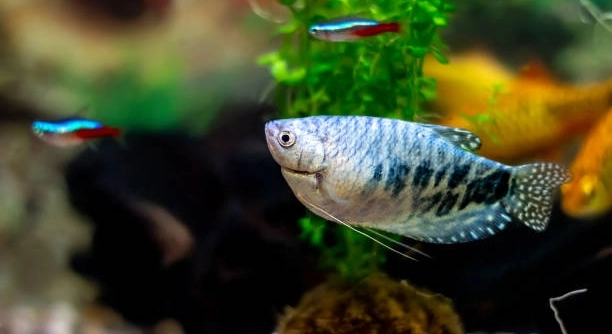
Defensive gouramis show subtle signs when they feel threatened or uncomfortable. These quiet warnings can help owners understand their fish better and respond appropriately. Recognizing these signals ensures a healthier environment for the gourami.
The seven quiet warnings from a defensive gourami include changes in color, fin clamping, erratic swimming, hiding behavior, rapid gill movement, reduced appetite, and sudden stillness. Each signal indicates stress or discomfort, requiring timely attention to maintain the fish’s well-being.
Knowing these behaviors can improve your care routine and deepen the bond with your gourami. This insight helps prevent larger problems before they develop.
Color Changes in Defensive Gouramis
When a gourami feels threatened, one of the first signs you might notice is a change in its color. The fish’s colors may fade, darken, or become blotchy. This happens because stress affects the pigments in their skin. It’s a natural response that helps them blend in with their surroundings, trying to avoid attention. Sometimes, the color change is subtle, but it can become quite noticeable if the stress continues. This visual cue is an important warning that the fish is uncomfortable or scared.
Watching for these color shifts helps you know when your gourami is stressed. Acting quickly can prevent long-term health issues.
Color changes are a clear, easy-to-spot sign that your gourami needs a calmer environment. Adjusting tank conditions or removing stressful triggers can make a big difference in their comfort and health.
Fin Clamping and Erratic Swimming
Fin clamping is when a gourami keeps its fins tight against its body instead of spreading them out. This behavior usually shows the fish is feeling uneasy or threatened. Along with this, the fish might swim in quick, jerky movements or dart around the tank unexpectedly. Erratic swimming means the gourami is trying to escape a perceived danger or is confused by its environment.
Both fin clamping and erratic swimming are signals that your gourami is stressed. These signs should not be ignored because constant stress can weaken the fish’s immune system. To help, check water quality, tank mates, and environmental changes. Sometimes, introducing hiding spots or reducing sudden movements around the tank calms the fish. Observing these behaviors early lets you respond and improve the tank’s atmosphere, helping your gourami feel safer and more secure.
Hiding Behavior
Gouramis often hide when they feel stressed or unsafe. This can be a way to avoid perceived threats or uncomfortable tank conditions.
Hiding is a natural defense mechanism. When your gourami stays in one spot for long periods or hides behind plants or decorations, it signals unease. Too much hiding may mean the fish feels overwhelmed by tank mates, poor water quality, or sudden changes in the environment. Watching for this behavior helps identify problems early.
Providing plenty of hiding spots like plants, caves, or decorations can reduce stress. However, if your gourami hides excessively, review tank conditions and make adjustments. Keeping a stable environment encourages your fish to be more active and comfortable in the tank.
Rapid Gill Movement
Rapid gill movement in gouramis often indicates stress or difficulty breathing. It’s important to notice this behavior early.
This quick breathing can result from poor water quality, low oxygen levels, or the presence of harmful substances. Stress from overcrowding or aggressive tank mates may also cause this. When gouramis struggle to breathe, their gills move faster to take in more oxygen. Left unchecked, this condition can lead to serious health problems or even death. Regular water testing and maintaining a clean tank reduce these risks and keep your gourami healthy. Proper filtration and aeration help maintain good oxygen levels, which is crucial for your fish’s well-being. Observing gill movement is an easy way to catch issues before they worsen.
Reduced Appetite
A defensive gourami often eats less when stressed or uncomfortable. This drop in appetite signals something is wrong in its environment.
Ignoring reduced feeding can lead to weakened health. It’s important to check tank conditions and any possible causes of stress quickly.
Sudden Stillness
Sudden stillness is when a gourami freezes in place, sometimes for minutes. This behavior often means the fish is scared or trying to avoid detection.
Remaining motionless helps gouramis avoid attention from threats. If this happens frequently, it indicates ongoing stress or discomfort in the tank.
What to Do When You See These Signs
Observing any of these behaviors means your gourami needs immediate attention. Check water quality, temperature, and tank mates for causes of stress. Ensure the tank has enough hiding spots and a calm environment. Regular maintenance and gentle handling reduce stress. Adjusting lighting and avoiding sudden movements around the tank also help. Feeding a balanced diet supports recovery. Prompt action prevents illness and helps your gourami return to normal behavior.
Key Takeaway
Recognizing these quiet warnings early can make a big difference in your gourami’s health. Regular observation and care keep your fish happy.
FAQ
What causes a gourami to become defensive?
Gouramis become defensive mainly due to stress or feeling threatened. Changes in the tank, aggressive tank mates, poor water quality, or sudden loud noises can all make them uneasy. These factors cause the fish to react by showing defensive behaviors like hiding, clamping fins, or changing color. Understanding these causes helps you create a calm and safe environment for your gourami.
How can I tell if my gourami is stressed?
Signs of stress include faded or darkened colors, fin clamping, erratic swimming, hiding more than usual, rapid gill movement, reduced appetite, and sudden stillness. Watching for these signs regularly is important. Stress can weaken your fish’s immune system, making it prone to illness, so addressing it early is crucial.
Why does my gourami change color suddenly?
Color changes happen when gouramis feel scared or stressed. This is a natural reaction to help them blend in and avoid attention from threats. If the color change lasts a long time or worsens, it means the fish is under ongoing stress. Improving tank conditions can help restore normal colors.
What should I do if my gourami is hiding all the time?
If your gourami hides frequently, check the tank for possible stressors like aggressive fish, poor water quality, or lack of hiding places. Adding plants or decorations can provide comfort. If hiding continues despite changes, it may be a sign of illness, and consulting a vet or fish expert is a good idea.
How do I improve water quality for my gourami?
Regular water changes, proper filtration, and testing for ammonia, nitrites, and nitrates keep the water clean. Avoid overcrowding the tank and remove leftover food quickly. Stable temperature and pH levels also help maintain a healthy environment. Good water quality reduces stress and supports your gourami’s health.
Can aggressive tank mates cause defensive behavior?
Yes, aggressive or overly active tank mates often stress gouramis. They may nip fins, chase, or compete for food, causing your gourami to feel threatened. Choose peaceful species and provide plenty of space and hiding spots to reduce conflicts and defensive reactions.
Why is my gourami breathing rapidly?
Rapid breathing usually means low oxygen or poor water conditions. It can also be caused by disease or stress. Check the tank’s aeration and filtration, and test water parameters. Improving oxygen levels and keeping the tank clean helps your fish breathe easily.
What is fin clamping, and why does it happen?
Fin clamping is when a gourami holds its fins tight against its body. This shows stress or discomfort. It can be caused by poor water quality, bullying, or illness. Fin clamping should not be ignored, as it signals the fish is unhappy or unwell.
How do I encourage my gourami to eat more?
Offer a varied diet including high-quality flakes, pellets, and occasional live or frozen foods. Feed small amounts multiple times a day and avoid overfeeding. Make sure tank conditions are comfortable, as stress reduces appetite. Patience and a good environment often bring back normal eating habits.
When should I seek help for my gourami?
If defensive behaviors continue despite improving the tank, or if your gourami shows signs of illness like sores, swelling, or extreme lethargy, seek advice from a fish specialist or vet. Early intervention improves recovery chances and keeps your fish healthy.
Can changing the tank setup reduce defensive behavior?
Yes, rearranging the tank to add plants, caves, and hiding spots can help gouramis feel safer. Avoid sudden changes, though, as these can cause more stress. A well-structured environment lets your gourami explore while having places to retreat.
Is it normal for gouramis to be still for long periods?
Short stillness can be normal, especially when resting. However, if your gourami freezes often or for very long times, it can indicate stress or illness. Observe other behaviors and tank conditions to decide if action is needed.
How often should I check my gourami for signs of stress?
Daily observation is best. Watching your fish during feeding or while swimming helps catch early signs of stress or illness. Regular monitoring allows you to respond quickly and maintain a healthy environment.
What role does tank size play in defensive behavior?
A tank that is too small can stress gouramis by limiting space to swim and hide. Providing enough room reduces competition and anxiety. Make sure the tank size matches the number and size of your fish for their comfort.
How can lighting affect my gourami’s behavior?
Bright or constant lighting can stress gouramis. Use a balanced light cycle with periods of dim or no light to mimic natural conditions. This helps reduce stress and encourages normal activity.
Are gouramis sensitive to noise or vibrations?
Yes, loud noises or vibrations near the tank can startle gouramis and trigger defensive behaviors. Keeping the tank in a quiet area with minimal disturbances helps keep your fish calm and comfortable.
Understanding the quiet warnings from a defensive gourami helps create a better environment for your fish. These subtle signs, like color changes, fin clamping, or hiding, are the fish’s way of telling you something is not right. By paying attention to these behaviors, you can catch problems early before they affect your gourami’s health. It’s important to regularly observe your fish and the tank conditions to ensure they feel safe and comfortable.
Maintaining clean water, providing enough space, and choosing peaceful tank mates are key steps to reduce stress. Stress can make your gourami defensive and even lead to illness if not addressed. Small changes like adding plants or hiding spots, controlling lighting, and feeding a balanced diet make a big difference. Avoid sudden movements or loud noises near the tank because these can frighten your gourami. With consistent care and attention, you can help your fish feel more relaxed and confident in its home.
Keeping a defensive gourami happy requires patience and observation. No two fish are exactly alike, so learning your gourami’s normal behavior helps you spot when something is off. If you notice any warning signs, don’t ignore them. Taking quick action improves your fish’s well-being and can prevent bigger problems. With time, you’ll better understand your gourami’s needs and how to support it, creating a peaceful tank where it can thrive.

Hello,
If you enjoy the content that we create, please consider saying a "Thank You!" by leaving a tip.
Every little bit helps us continue crafting quality advice that supports the health, happiness, and well-being of pets around the world, for pets of all shapes, sizes, and species.
We really appreciate the kindness and support that you show us!