
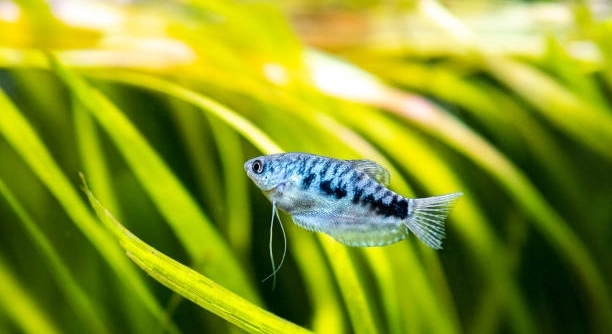
Gouramis are popular freshwater fish often kept in home aquariums for their vibrant colors and peaceful nature. Many owners enjoy watching their fish swim and interact with the environment. It is common to wonder how aware gouramis are of human presence.
Research shows that gouramis can recognize when they are being watched and may respond with increased alertness or curiosity. This behavior suggests a level of awareness that allows gouramis to detect movement and changes in their surroundings, including the presence of observers.
Understanding how gouramis perceive their environment can enhance the experience of keeping them and improve their care. This article explores the ways gouramis react to human attention and what it means for their behavior.
How Gouramis Sense Their Environment
Gouramis rely heavily on their senses to navigate their surroundings. Their eyesight is quite developed, allowing them to detect movement outside the tank. This ability helps them stay alert for potential threats or changes. Additionally, gouramis have a specialized organ called the labyrinth, which enables them to breathe atmospheric air. This organ also contributes to their sensitivity to changes in the environment, such as vibrations or shifts in water quality. Because of these senses, gouramis can detect when someone is near the tank. When you watch them, they may respond by becoming more still or turning toward you. These behaviors indicate a form of recognition and awareness, which shows gouramis are not just passive creatures but actively engaged with their surroundings.
This sensory awareness plays an important role in their daily behavior and interaction with the aquarium environment.
Gouramis’ ability to notice observers can also be linked to their natural instincts. In the wild, being aware of predators is essential for survival. This awareness translates into their captive behavior. When you watch a gourami, it may pause or swim closer to the glass, showing curiosity or caution. Such reactions are part of how gouramis assess safety. This means your presence can influence their behavior, sometimes making them more alert or interactive. Understanding this can help aquarium owners create a calm environment, reducing stress for their fish. Observing how gouramis respond can also build a better connection between the owner and the fish, making the aquarium experience more engaging.
Recognizing Signs That Gouramis Notice You
Gouramis often show clear signs when they sense someone watching. They may stop swimming or follow your movements across the tank.
These responses are subtle but consistent and reflect the fish’s awareness of external stimuli.
When a gourami notices a person watching, it might change its behavior in various ways. Some gouramis become more active, swimming closer to the front glass or displaying their colors more vividly. Others may freeze for a moment, observing the watcher carefully. These behaviors are natural responses to stimuli and can vary depending on the individual fish’s personality. Factors such as previous interactions, environment, and tank conditions can influence how a gourami reacts to being observed. Over time, gouramis may even learn to associate their owner’s presence with feeding or interaction, increasing their attentiveness. Recognizing these signs helps owners better understand their fish’s needs and responses, improving care and interaction.
By paying attention to these behaviors, aquarium owners can create a more responsive and engaging environment for their gouramis.
How to Encourage Interaction with Gouramis
Gouramis respond well to gentle, consistent interaction. Moving slowly near the tank and speaking softly can make them more comfortable around you. Regular feeding at predictable times helps them associate your presence with positive experiences, encouraging them to approach the front of the tank.
Consistency is key to building trust with gouramis. Repeated exposure to your movements and voice reduces their stress and increases their curiosity. Avoid sudden motions or tapping on the glass, as this can frighten them. Providing plants and hiding spots also helps gouramis feel secure, making them more willing to explore when you are near. Over time, they may swim closer or even follow your hand along the tank’s edge. This interaction enhances the bond between owner and fish, making aquarium care more rewarding and enjoyable.
Feeding gouramis by hand or using feeding tools can strengthen their recognition of you. They learn to associate feeding times with your presence, which encourages them to seek interaction. Engaging with your gouramis regularly helps maintain their mental stimulation and overall well-being.
Common Misunderstandings About Gourami Behavior
Some owners believe gouramis do not notice people watching because fish are often thought to have limited awareness. This misconception leads to less interaction, missing chances to bond with the fish. Others think gouramis react only out of fear, but their behavior often shows curiosity or comfort instead.
Understanding gouramis’ responses requires recognizing their natural instincts and environment. These fish are more perceptive than commonly assumed and show various behaviors when observed. Their reactions can indicate interest, caution, or recognition, depending on the situation. Misinterpreting these signs can result in missed opportunities for meaningful interaction. Taking time to observe and learn these behaviors helps owners provide better care and create a more enriching habitat. Awareness of their sensitivity improves the aquarium experience for both the fish and their keepers.
Environmental Factors Affecting Gourami Behavior
Lighting and tank placement impact how gouramis react to observers. Bright lights can make them shy, while dimmer areas help them feel secure. Positioning the tank in a quiet, low-traffic area reduces stress and encourages natural behavior.
Water quality also affects their alertness. Clean, well-maintained water keeps gouramis healthy and responsive. Poor conditions can cause lethargy and reduce interaction with their environment and watchers.
How to Create a Comfortable Environment for Gouramis
Providing plenty of plants and hiding spots allows gouramis to feel safe. These elements reduce stress and help them display natural behaviors. A balanced environment encourages them to explore and respond more openly to human presence.
Feeding Behavior and Human Interaction
Gouramis often associate feeding times with people nearby. They learn to recognize feeding cues and may swim closer when they see you approaching. This connection enhances interaction and stimulates their natural instincts.
Observing Gouramis Without Stress
Minimize sudden movements and avoid tapping on the glass. Patience and gentle observation create a calm atmosphere that gouramis appreciate and respond to positively.
FAQ
Can gouramis really tell when you are watching them?
Yes, gouramis can detect movement and changes outside their tank, including when a person is watching. Their keen eyesight and sensitivity to environmental changes allow them to recognize the presence of observers. This awareness often causes them to become more alert or curious when they notice someone nearby.
Why do my gouramis stop swimming when I watch them?
When gouramis notice a person watching, they sometimes freeze or pause to assess the situation. This behavior is a natural response, reflecting caution and curiosity. They are trying to understand if there is any threat or something interesting. This pause helps them decide whether to approach or stay away.
Do gouramis get stressed if I watch them too much?
Excessive or sudden attention can stress gouramis. They prefer calm and predictable environments. Watching them gently and avoiding sudden movements or tapping on the glass reduces stress. Maintaining a quiet environment and consistent routine helps gouramis feel safe and comfortable.
How can I encourage my gouramis to interact more with me?
Building trust takes time. Approach the tank slowly and speak softly. Feeding gouramis at regular times helps them associate your presence with positive experiences. Hand-feeding or using feeding tools can increase interaction. Providing hiding spots and plants also makes them feel secure enough to explore and respond.
Why does my gourami swim closer to the glass when I am near?
This behavior often shows curiosity or recognition. Gouramis learn to associate the owner with food or interaction, which makes them swim closer. It can also be a sign of comfort in their environment and willingness to engage with you.
Are gouramis more active when they know they are being watched?
Sometimes. Some gouramis become more alert or display brighter colors when observed, showing natural curiosity. However, individual personality and tank conditions influence this. Others may become shy or hide. Understanding your fish’s behavior helps create better interaction.
Can gouramis recognize individual people?
Gouramis show some ability to distinguish between different stimuli and routines. While they may not recognize people like mammals do, they learn to associate specific individuals with feeding or care activities. This recognition influences their behavior, often making them more responsive to familiar people.
What environmental factors affect how gouramis react to being watched?
Lighting, water quality, and tank placement affect gouramis’ alertness. Bright or flashing lights can cause shyness, while clean water and stable conditions promote natural behavior. A quiet location reduces stress and encourages interaction. Proper environmental care is essential for responsive fish.
Is it normal for gouramis to ignore me sometimes?
Yes, gouramis have varying moods and needs. They may ignore watchers when resting, exploring, or stressed. It is important to respect their space and avoid forcing interaction. Consistent care and gentle observation improve chances of positive engagement over time.
How do gouramis show they are comfortable with human presence?
Comfortable gouramis swim confidently near the front of the tank, explore openly, and sometimes follow your movements. They may also display vibrant colors and approach during feeding. These behaviors indicate trust and a calm environment.
What should I avoid doing when watching my gouramis?
Avoid tapping on the glass, sudden movements, and loud noises near the tank. These actions can frighten gouramis and cause stress. Patience and slow, gentle observation create a more positive environment for interaction.
Can watching gouramis improve their well-being?
Regular, calm observation can stimulate gouramis mentally and build recognition of their owner. This interaction enriches their environment and encourages natural behaviors. However, it must be balanced with respect for their comfort and space to avoid stress.
Final Thoughts
Gouramis are more aware of their surroundings than many people realize. They can detect movement and changes outside their tank, including when someone is watching them. This ability is linked to their natural instincts and helps them respond to potential threats or interesting activities. Their reactions can vary, from becoming still and cautious to swimming closer with curiosity. Understanding these behaviors allows owners to better connect with their fish and provide a comfortable environment that encourages natural responses.
Creating a suitable habitat is essential for gouramis to feel secure and exhibit healthy behaviors. Proper lighting, water quality, and tank placement influence how gouramis act around observers. A calm and quiet area reduces their stress and makes them more likely to interact or show curiosity. Adding plants and hiding spaces further enhances their sense of safety. When gouramis trust their environment, they are more responsive to their owners and more willing to engage during feeding times or quiet observation.
Watching gouramis can be a rewarding experience when done with patience and respect. Approaching the tank slowly, avoiding sudden movements, and maintaining consistent care help build trust over time. Feeding routines play an important role in encouraging gouramis to recognize and respond to their owners. While gouramis do not have the same level of recognition as mammals, they can associate people with positive experiences. This bond enhances the overall care and enjoyment of keeping gouramis. Treating these fish with gentle attention fosters a healthy environment where they can thrive and interact naturally.

Hello,
If you enjoy the content that we create, please consider saying a "Thank You!" by leaving a tip.
Every little bit helps us continue crafting quality advice that supports the health, happiness, and well-being of pets around the world, for pets of all shapes, sizes, and species.
We really appreciate the kindness and support that you show us!