
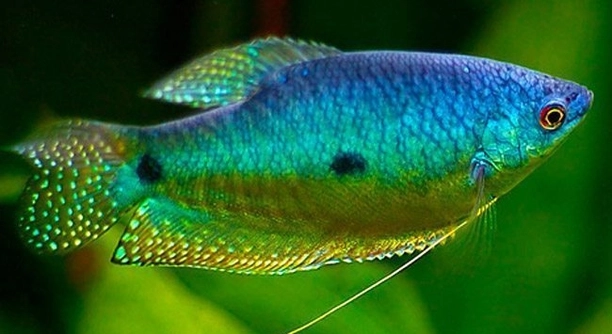
Loud environments can be stressful for many animals, including gouramis. These colorful freshwater fish are sensitive to changes in their surroundings. Understanding how they react to noisy rooms can help maintain their well-being and create a more peaceful habitat.
Gouramis exhibit several behavioral and physiological responses to loud environments, including increased hiding, reduced activity, erratic swimming, heightened stress indicators, changes in breathing rate, decreased feeding behavior, and altered social interactions. These reactions reflect their sensitivity to noise and potential stress.
Recognizing these signs can improve how you care for your gouramis and enhance their overall comfort in your aquarium. This article explores the key reactions gouramis show in loud rooms and what they mean for their health.
Increased Hiding Behavior
Gouramis tend to seek shelter more often when exposed to loud noises. This behavior is a natural response to stress and perceived threats. When the environment becomes noisy, gouramis may retreat behind plants, decorations, or into caves. They use hiding as a way to feel safe and reduce their exposure to disturbance. Prolonged hiding, however, can indicate chronic stress, which affects their health negatively. It is important to observe if your gouramis spend excessive time hidden, as this may reduce their feeding and activity levels. Creating plenty of hiding spots in the aquarium helps gouramis cope with stress, but reducing noise exposure is the best way to prevent this behavior from becoming excessive.
This hiding response is an indicator of discomfort caused by loud surroundings.
Keeping noise levels down ensures gouramis remain visible and active, which is important for their well-being.
Erratic Swimming and Stress Indicators
Erratic swimming patterns are common when gouramis are stressed by loud noises. They may dart around quickly, swim in circles, or bump into tank objects. This is a sign of agitation and confusion. Stress can also cause physical symptoms like rapid gill movement or color fading. Over time, these behaviors can weaken the fish’s immune system, making them more susceptible to illness. Stress-related erratic swimming disrupts normal behavior, feeding, and resting patterns. Preventing loud disturbances and providing a calm environment minimizes these stress responses. Regular monitoring of your gouramis’ activity helps detect early signs of stress, allowing timely adjustments in their habitat to improve their health and comfort.
Reduced Feeding Behavior
Gouramis often eat less when exposed to loud noises. This is a direct result of stress, which suppresses their appetite. Consistent noise can lead to significant drops in feeding, impacting their growth and overall health.
Stress from loud rooms disrupts the gouramis’ normal feeding routine. When they feel threatened or uneasy, their focus shifts away from eating toward survival behaviors. This reduction in food intake weakens their immune system and can cause nutritional deficiencies. It may also lead to weight loss and make them more vulnerable to disease. Monitoring their feeding habits closely during noisy periods is important to catch any changes early. Offering food in quieter times or hiding feeding spots can encourage them to eat despite disturbances.
Ensuring a calm environment encourages regular feeding, which supports gouramis’ health and vitality. Adjusting noise levels can prevent this issue from becoming serious.
Altered Social Interactions
Loud environments affect how gouramis interact with one another. They may become more aggressive or withdrawn depending on the individual fish and the severity of noise. Some gouramis show increased territorial behavior, while others avoid social contact.
These changes occur because noise increases stress hormones, disrupting normal social dynamics. Aggression can lead to injuries or stress among tank mates, whereas withdrawal isolates fish and reduces group cohesion. In communal tanks, this imbalance can negatively impact overall harmony. Observing how your gouramis behave around each other during noisy conditions helps identify social disruption. Adjusting the tank environment or separating aggressive individuals may be necessary to reduce stress. Maintaining a quiet and stable habitat supports balanced social behavior and minimizes conflict within the aquarium.
Changes in Breathing Rate
Gouramis often breathe faster when exposed to loud noises. This increased breathing rate is a sign of stress and discomfort caused by their environment.
If the noise continues, rapid breathing can strain their respiratory system. It is important to monitor this change as it may indicate prolonged stress or poor water quality exacerbated by their reaction to noise.
Decreased Activity Levels
Loud surroundings commonly cause gouramis to reduce their movement. They become less active, conserving energy due to stress.
Prolonged low activity can affect their muscle tone and overall health. Providing a quiet space helps restore their normal behavior and encourages healthy activity levels.
Heightened Stress Indicators
Stress in gouramis caused by loud noises is visible through physical signs like faded colors and clamped fins. These signs show the fish are struggling to cope.
Maintaining a calm and quiet environment reduces these stress indicators, improving their chances for long-term health and happiness.
FAQ
Why do gouramis hide more in loud rooms?
Gouramis hide more in loud environments as a natural defense mechanism. Noise creates stress and makes them feel unsafe, so they seek shelter to protect themselves. This behavior helps them avoid potential threats and reduces exposure to the disturbing stimulus. However, if hiding becomes constant, it may indicate ongoing stress that needs to be addressed for their well-being.
How can I tell if loud noise is stressing my gouramis?
Signs of stress from loud noise include increased hiding, erratic swimming, reduced feeding, rapid breathing, and faded colors. You might also notice changes in social behavior like aggression or withdrawal. Observing these behaviors consistently, especially when noise levels rise, suggests that your gouramis are negatively affected.
Is loud noise harmful to gouramis physically?
Yes, prolonged exposure to loud noise can physically harm gouramis. Stress weakens their immune system, making them vulnerable to diseases. It can also disrupt their breathing and reduce appetite, which affects their overall health and growth.
What types of noise bother gouramis the most?
Sudden, loud, and continuous noises tend to bother gouramis the most. Household noises such as music, television, talking loudly near the tank, or vibrations from appliances can all cause distress. These noises interfere with their ability to feel secure and calm.
Can gouramis get used to loud environments?
Some gouramis may become somewhat accustomed to consistent background noise over time, but loud or sudden noises will almost always cause stress. Even if they appear less reactive, the noise can still affect their health and behavior negatively.
How can I reduce stress caused by noise for my gouramis?
To reduce stress, keep the aquarium in a quiet area away from frequent loud sounds. Adding plants, caves, and hiding spots can help gouramis feel safer. Using soft background sounds like a white noise machine or keeping the room at a steady, low noise level also helps.
Does noise affect all gourami species the same way?
While all gouramis are sensitive to noise, some species may react more strongly than others. Factors like temperament and environment influence their reactions. Generally, quieter and more stable surroundings benefit all types of gouramis.
What should I do if my gouramis stop eating due to noise?
If noise causes your gouramis to stop eating, try feeding them during quieter times of the day. Providing hiding spots near feeding areas can encourage them to eat. If the problem persists, consider moving the tank to a quieter location to reduce stress.
Are there signs that stress is causing illness in gouramis?
Yes. Stress weakens the immune system, making gouramis prone to infections. Look for symptoms like clamped fins, lethargy, discoloration, or abnormal swimming. If these appear alongside signs of stress from noise, consult a specialist or take steps to improve their environment.
Can loud noise impact breeding behavior in gouramis?
Loud noise can disrupt breeding behavior. Stress lowers reproductive hormones and reduces activity, which negatively affects mating. A calm, quiet environment supports natural breeding cycles and increases the chances of successful spawning.
Is it okay to play music near an aquarium with gouramis?
Playing soft, calm music at low volume may be tolerated, but loud or sudden music can stress gouramis. It is best to avoid loud sounds near the tank to ensure a peaceful habitat.
How often should I check on my gouramis’ reactions to noise?
Regularly observe your gouramis, especially during noisy periods or changes in the household. Early detection of stress signs helps prevent health problems. Checking daily is ideal to maintain a healthy and stress-free environment.
Can aquarium equipment noise affect gouramis?
Yes, noisy filters, pumps, or air stones can contribute to stress. Ensuring equipment runs quietly and is well-maintained reduces additional noise and helps keep gouramis comfortable.
What environmental changes besides noise affect gouramis similarly?
Sudden changes in lighting, water temperature, or tank movement can cause stress reactions like those from loud noise. Stability in all aspects of their habitat is important for their well-being.
Are stress reactions from noise reversible in gouramis?
Yes, many stress reactions are reversible if the noisy environment is improved. Gouramis can recover if given a quiet space, good nutrition, and proper care. Persistent stress, however, may lead to long-term health issues.
Final Thoughts
Gouramis are sensitive fish that respond noticeably to loud noises in their environment. Their natural reactions include hiding, reduced feeding, changes in breathing, and altered social behavior. These responses are not just behavioral but can affect their overall health and well-being. It is important for anyone keeping gouramis to understand these reactions and recognize the signs of stress caused by noise. Awareness of how loud rooms impact these fish helps in providing a better and more stable habitat for them.
Creating a quiet and calm environment is key to minimizing the negative effects of loud noise on gouramis. This can be achieved by placing the aquarium in a less noisy part of the home and reducing sudden or constant sounds near the tank. Adding plants and hiding places within the tank can also help gouramis feel safe and secure. These simple adjustments allow the fish to maintain their normal feeding and social behaviors, which are essential for their health. Managing noise levels benefits not only gouramis but other sensitive aquarium species as well.
It is important to monitor gouramis regularly for any signs of stress or health issues related to noise exposure. Quick action in reducing loud noises or adjusting the environment can prevent long-term damage and improve their quality of life. Healthy gouramis are more active, eat better, and show more natural behaviors, which makes caring for them more rewarding. Paying attention to these factors ensures that gouramis can thrive in home aquariums despite the potential challenges of noisy surroundings.

Hello,
If you enjoy the content that we create, please consider saying a "Thank You!" by leaving a tip.
Every little bit helps us continue crafting quality advice that supports the health, happiness, and well-being of pets around the world, for pets of all shapes, sizes, and species.
We really appreciate the kindness and support that you show us!