
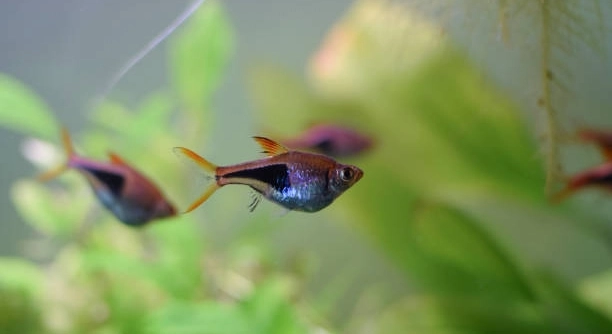
Do your Rasboras seem restless or hover near the water surface more than usual? Observing these small fish can reveal subtle changes in their environment that affect their overall health and comfort in the tank.
Low oxygen levels in a Rasbora tank can lead to stress, lethargy, and health complications. Recognizing early signs such as rapid gill movement, gasping at the surface, and erratic swimming allows timely intervention to restore adequate oxygen levels.
Maintaining proper oxygenation is essential for the well-being of your Rasboras, and noticing these signs early ensures a healthier and more vibrant tank environment.
Rapid Gasping at the Surface
When Rasboras repeatedly come to the water surface and appear to gulp for air, it is often a sign that oxygen levels in the tank are insufficient. These small fish rely on dissolved oxygen in the water to breathe, and when levels drop, they instinctively move closer to the surface where oxygen is more available. Observing this behavior over time can help identify whether it is an isolated incident or a consistent problem. Environmental factors such as overcrowding, high water temperature, and decaying organic matter can all reduce oxygen availability, making the fish more likely to exhibit gasping behavior. Regular monitoring of both the tank conditions and fish activity can prevent serious health issues. Introducing proper aeration methods, like air stones or improved water circulation, ensures that dissolved oxygen remains at optimal levels. Adjustments to feeding routines and tank cleaning schedules also help maintain a stable environment conducive to healthy respiration.
Consistent surface gasping indicates oxygen deficiency and requires immediate intervention.
Adding aeration devices and improving water circulation can quickly reduce stress and restore comfortable oxygen levels, keeping Rasboras healthy.
Lethargy and Reduced Activity
Rasboras showing low activity or sluggish movements often reflect inadequate oxygen in their environment. Fish may linger at the bottom, avoid swimming, or respond slowly to stimuli. These subtle behavioral changes are early indicators that the tank may need additional oxygenation to maintain healthy conditions.
Prolonged oxygen deficiency weakens the fish’s immune system, increasing susceptibility to disease. Maintaining proper dissolved oxygen is essential for metabolic processes, including feeding, growth, and overall vitality. Overcrowding, high temperatures, or stagnant water can exacerbate oxygen depletion. Observing how fish interact with each other and their environment provides insights into tank health. Introducing aeration equipment such as bubblers or increasing water movement through filters can correct low oxygen levels efficiently. Adjusting feeding schedules and avoiding overfeeding prevents organic buildup, which consumes oxygen during decomposition. Regular partial water changes help restore equilibrium while reducing stress. Proper plant selection can also aid oxygenation by releasing oxygen during photosynthesis while absorbing excess nutrients that may lower water quality. Maintaining these practices ensures Rasboras remain active, vibrant, and healthy in their habitat.
Erratic Swimming Patterns
Erratic swimming, such as sudden bursts, circling, or crashing into objects, often signals oxygen stress in Rasboras.
Low oxygen affects the fish’s nervous system and muscle coordination, causing them to swim irregularly. When dissolved oxygen drops, their energy levels fluctuate, leading to unpredictable movements. Tanks with poor water circulation, excessive waste, or overcrowding intensify these behaviors. Observing swimming patterns consistently helps determine if oxygen levels are inadequate. Correcting the environment through improved aeration or filtration stabilizes their behavior and reduces stress, allowing Rasboras to regain normal, coordinated swimming routines over time.
Erratic swimming can also result from interactions with other stressed fish, as low oxygen makes them more reactive. Providing hiding spots and gentle water flow can mitigate these effects while restoring comfort. Monitoring temperature and water quality further supports healthier movement patterns. Overfeeding and decaying food worsen oxygen depletion, so adjusting feeding habits is essential. Consistent tank maintenance, including water changes and substrate cleaning, helps maintain stable oxygen levels, preventing recurrent erratic swimming.
Gills Moving Rapidly
Rapid gill movement is a clear indicator of oxygen deficiency in the tank, reflecting the fish’s struggle to extract enough oxygen.
When Rasboras’ gills move quickly, it signals that they are working harder to breathe. Dissolved oxygen in the water may be insufficient due to overcrowding, high temperatures, or decaying organic matter. Observing gill activity alongside swimming patterns and surface behavior helps identify stress levels. Improving aeration through air stones or filters increases oxygen availability. Adjusting water temperature, reducing excess food, and performing regular water changes maintain stable conditions.
Consistently rapid gill movement can lead to chronic stress, reducing immunity and growth. Providing proper tank maintenance, suitable water circulation, and adequate spacing between fish supports healthy respiration. Ensuring plants are balanced and removing debris prevents oxygen depletion while maintaining natural filtration. Monitoring pH and ammonia levels alongside oxygenation ensures a stable, comfortable environment. These combined practices reduce stress, normalize gill activity, and promote overall Rasbora health.
Pale or Faded Colors
When Rasboras display dull or faded colors, it can indicate stress from low oxygen.
Reduced oxygen affects metabolism and overall health, making vibrant coloration difficult to maintain. Consistently monitoring water quality and improving aeration helps restore their natural hues and vitality.
Clinging Near Plants or Decorations
Rasboras often stay close to plants or decorations when oxygen levels are low. They seek areas where water movement is minimal and dissolved oxygen may be slightly higher. Observing this behavior alongside other signs can confirm insufficient oxygen, prompting timely intervention through aeration or circulation improvements.
Reduced Appetite
A sudden loss of appetite is common when Rasboras experience low oxygen. Fish may ignore food, swim slowly, or show disinterest in feeding, reflecting stress and decreased metabolism caused by insufficient oxygen in the tank. Monitoring feeding habits helps identify when oxygenation needs adjustment.
How can I quickly increase oxygen in my Rasbora tank?
Adding an air stone or sponge filter is the fastest way to improve oxygen levels. These devices increase water movement, allowing more surface oxygen exchange. Adjusting the water flow in your filter or adding a small powerhead can also help. Regular partial water changes with dechlorinated water ensure fresh oxygenated water enters the tank, which is especially helpful if the tank is overcrowded or has accumulated waste.
Why are my Rasboras gasping at the surface even though I have a filter?
Filters do move water but may not provide sufficient surface agitation to oxygenate the tank fully. Overcrowding, high water temperatures, or decomposing food and plants can lower oxygen faster than the filter can compensate. Increasing water movement at the surface and maintaining proper tank hygiene can reduce surface gasping. Adding live plants that produce oxygen during the day can also supplement aeration naturally.
Is temperature affecting my Rasboras’ oxygen intake?
Yes, warmer water holds less dissolved oxygen. Even minor increases in temperature can reduce oxygen availability and stress your fish. Using a reliable thermometer to monitor the tank, maintaining a stable temperature within the species’ preferred range, and improving aeration are essential steps to prevent oxygen-related stress. Fans or slightly lower room temperatures can help in tropical setups during hot months.
Can too many plants reduce oxygen levels?
While live plants produce oxygen during the day, excessive plants can increase oxygen consumption at night. Decomposing plant matter also reduces dissolved oxygen. Balancing plant density and trimming dead or decaying leaves ensures a healthy tank that supports adequate oxygen levels throughout the day and night. Combining moderate plant coverage with proper water circulation maintains equilibrium.
How often should I check oxygen levels?
Regular monitoring is important, especially in smaller tanks or heavily stocked setups. Checking oxygen levels weekly, or whenever you notice behavioral changes like gasping, lethargy, or erratic swimming, can prevent health problems. Using a dissolved oxygen meter or observing fish behavior provides insight into the tank’s current oxygen conditions. Maintaining routine checks alongside water changes and filter maintenance supports long-term tank stability.
Can overfeeding contribute to low oxygen?
Yes, excess food decomposes in the tank and consumes oxygen during breakdown. Overfeeding also increases waste, leading to higher bacterial activity, which further depletes oxygen. Feeding small portions appropriate to the tank size and promptly removing uneaten food prevents oxygen depletion and keeps Rasboras healthy. Consistent feeding routines complement aeration improvements effectively.
Are Rasboras more sensitive to oxygen fluctuations than other fish?
Rasboras are small, active fish with higher oxygen demands relative to tank size. While hardy, they quickly display stress signs if oxygen levels drop. Recognizing early signs like rapid gill movement, surface gasping, and erratic swimming is crucial. Prompt adjustments to aeration, filtration, and tank maintenance ensure their well-being.
What long-term solutions improve oxygen without constant intervention?
Investing in a quality filter that provides good water circulation and adding air stones or sponge filters can maintain oxygen levels consistently. Including moderate live plants and performing regular partial water changes prevent oxygen depletion naturally. Avoid overcrowding, control feeding, and maintain optimal temperature to reduce stress on Rasboras. These measures create a self-sustaining, well-oxygenated tank environment.
Can poor water quality worsen oxygen issues?
Yes, high ammonia, nitrite, or nitrate levels increase stress and reduce oxygen efficiency. Regular water testing and corrections through water changes or filtration adjustments are critical. Keeping substrate clean, removing debris, and avoiding excess fertilizers or chemicals also ensures a healthier, oxygen-rich environment for your Rasboras.
How can I tell if my intervention is working?
Observe behavioral changes like reduced surface gasping, more active swimming, and restored appetite. Improved coloration and normal gill movement are also indicators that oxygen levels are adequate. Tracking these signs after aeration adjustments, water changes, or circulation improvements confirms the tank environment is stabilizing.
Maintaining a healthy Rasbora tank requires attention to oxygen levels, which are critical for the fish’s overall well-being. Low oxygen can lead to stress, lethargy, erratic behavior, and even disease. By observing the fish’s behavior closely, such as surface gasping, rapid gill movement, or faded colors, you can identify early signs of oxygen deficiency before serious problems develop. Consistent monitoring of both water quality and fish activity is key. Simple measures, such as proper aeration, filtration, and partial water changes, can maintain stable oxygen levels and create a comfortable environment for Rasboras to thrive.
Proper tank management goes beyond just installing equipment. Factors like temperature, overcrowding, and excess waste all influence oxygen availability. Warmer water holds less oxygen, and overcrowded tanks increase the demand for oxygen, which can stress the fish. Feeding practices also play a role; overfeeding leads to decaying food, which consumes oxygen during decomposition. Plants can help balance oxygen levels during the day, but decaying plant matter can have the opposite effect at night. Understanding these dynamics allows you to make informed decisions about tank setup and maintenance, ensuring that the Rasboras remain healthy and active.
Maintaining adequate oxygen levels is a long-term commitment that benefits both the fish and the tank environment. Small, regular adjustments like improving water circulation, adding air stones, and removing debris can have a significant impact on the overall health of the fish. Observing the Rasboras daily for behavioral changes and acting quickly when oxygen-related signs appear helps prevent stress and illness. By keeping the tank clean, monitoring water parameters, and maintaining proper aeration, you provide a stable and comfortable habitat. Taking these steps ensures that Rasboras live longer, more vibrant lives, and the tank remains balanced and enjoyable to watch.

Hello,
If you enjoy the content that we create, please consider saying a "Thank You!" by leaving a tip.
Every little bit helps us continue crafting quality advice that supports the health, happiness, and well-being of pets around the world, for pets of all shapes, sizes, and species.
We really appreciate the kindness and support that you show us!