
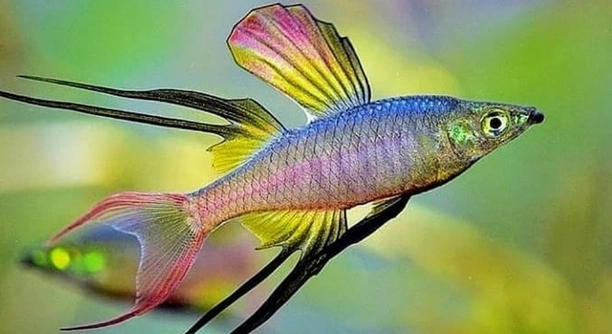
Do you enjoy keeping threadfin rainbowfish but sometimes notice subtle changes in their behavior or appearance? These small differences can signal more serious issues that affect their health and well-being in your aquarium environment.
Threadfin rainbowfish often display early signs of illness through changes in coloration, appetite, swimming patterns, and fin condition. Prompt recognition of these symptoms allows for timely intervention, which can prevent disease progression and ensure the fish maintain optimal health.
Monitoring your fish closely and understanding these early warnings will help maintain a healthy and thriving aquarium environment for your rainbowfish companions.
Changes in Coloration
Threadfin rainbowfish often show changes in coloration when they are unwell. Healthy fish usually display vibrant, even colors across their bodies. Fading, darkening, or patchy coloration can indicate stress, poor water quality, or underlying illness. Observing these changes early can help prevent more serious health problems. Color changes may also occur if the fish is overfed or undernourished, as diet affects overall vitality. Consistent monitoring is essential, as minor differences are often easier to address than severe symptoms. Environmental factors, including lighting and temperature fluctuations, may also influence coloration. Sudden shifts in color should never be ignored, as they are usually the first visible sign that something is amiss. Taking note of these alterations allows timely adjustments in care practices, including water treatment, diet modification, or isolation if disease is suspected. Early attention increases the chances of recovery and maintains the aesthetic appeal of your aquarium.
Noticing fading or unusual patches in coloration can signal an early stage of illness in threadfin rainbowfish.
Paying attention to your fish’s colors helps you catch problems before they worsen. Consistent observation supports healthier, more vibrant fish over time.
Loss of Appetite
Loss of appetite is one of the earliest signs that your rainbowfish may be unwell. Fish that normally eat eagerly may start ignoring food or eating smaller amounts. This behavior can result from stress, poor water conditions, or internal infections. Identifying the cause quickly allows for proper intervention. Temperature fluctuations, overcrowding, and sudden changes in diet can all contribute to appetite loss. Observing feeding habits regularly provides insight into the fish’s overall condition and helps determine if a more serious health issue exists. Appetite changes often coincide with other early warning signs, such as lethargy or unusual swimming patterns, making careful observation critical. Providing a stable environment and high-quality nutrition can prevent further complications. In cases of prolonged appetite loss, isolating the affected fish for treatment is recommended. Regular monitoring ensures that corrective actions are taken promptly, safeguarding the fish’s health and the balance of the aquarium ecosystem.
Maintaining a keen eye on feeding behaviors allows you to detect subtle signs of illness early.
Addressing appetite loss involves evaluating water quality, tank conditions, and diet. Removing stress factors and adjusting feeding practices can restore normal eating patterns. Infections may require targeted treatment, and isolation helps prevent spread to other fish. A proactive approach ensures recovery and continued vitality.
Lethargy and Reduced Activity
Lethargy is a common sign of illness in threadfin rainbowfish. Fish may spend extended periods near the bottom or remain motionless, showing little interest in swimming or interacting with their environment. Immediate observation is important to identify potential causes.
Lethargic behavior can stem from infections, poor water quality, or stress caused by overcrowding. Water parameters such as temperature, pH, and ammonia levels significantly impact activity levels. Fish that are normally active and suddenly appear sluggish may be experiencing internal issues, such as parasitic infections or organ stress. Proper monitoring and timely intervention can prevent the condition from worsening. Maintaining a consistent environment and providing nutritious food are crucial for recovery.
Sometimes, lethargy is accompanied by other symptoms like clamped fins, loss of appetite, or abnormal swimming. Observing these patterns helps determine whether medical treatment, environmental adjustments, or dietary changes are needed. Addressing the issue early improves recovery chances and overall aquarium health.
Abnormal Swimming Patterns
Abnormal swimming is a reliable indicator of underlying health issues. Fish may swim erratically, tilt to one side, or struggle to maintain balance. This behavior often signals physical or neurological stress.
Irregular swimming patterns can result from swim bladder disorders, bacterial or parasitic infections, or poor water conditions. Fish that float near the surface, spiral, or collide with tank objects require careful evaluation. Maintaining stable water temperature, proper oxygen levels, and balanced nutrition can reduce the occurrence of these issues. Early detection allows for targeted treatments and prevents complications that could lead to long-term harm.
Observing swimming behavior alongside other symptoms such as fin clamping, discoloration, or appetite changes helps determine the severity and cause of illness. Immediate corrective action, including water quality adjustments or medical intervention, ensures the fish regain normal movement. Consistent care and attention to environmental stability are key to restoring health and preventing recurring swimming abnormalities.
Clamped Fins
Clamped fins are a clear sign of stress or illness in threadfin rainbowfish. The fins stay close to the body rather than spreading naturally. This can indicate infections, poor water conditions, or sudden changes in the environment.
Persistent clamping may be linked to parasitic infestations or bacterial infections. Monitoring water quality and maintaining a clean tank can reduce this behavior. Timely intervention prevents further complications and supports recovery.
Rapid Gill Movement
Rapid gill movement often signals difficulty breathing. Fish may gasp near the surface or appear to struggle with oxygen intake. This can result from low oxygen levels, high ammonia, or external parasites. Regular water checks and proper aeration are essential to address these issues.
Weight Loss and Emaciation
Significant weight loss in threadfin rainbowfish indicates prolonged illness or nutritional deficiencies. A thin body and sunken belly are visible signs. Rapid detection and correction of diet, water quality, and disease treatment are necessary to prevent further deterioration.
Visible Spots or Lesions
White, red, or black spots on the body or fins are signs of infection or injury. Treating infections promptly and isolating affected fish helps prevent the spread of disease in the aquarium.
FAQ
How can I tell if my threadfin rainbowfish is sick?
Early signs of illness include changes in coloration, clamped fins, lethargy, loss of appetite, abnormal swimming, rapid gill movement, weight loss, and visible spots or lesions. Observing these behaviors daily allows you to identify issues before they become severe.
What should I do if my fish shows color fading?
Color fading often indicates stress or poor water quality. First, test water parameters for ammonia, nitrite, nitrate, and pH levels. Adjust the environment if needed, ensure proper filtration, and provide high-quality food. If fading continues, isolate the fish and consult a veterinarian for potential infections.
Why is my fish not eating?
Loss of appetite can result from water quality problems, temperature fluctuations, overcrowding, or internal infections. Offering a varied diet of high-quality flakes, pellets, and occasional live food may stimulate feeding. Prolonged refusal to eat requires evaluating water conditions and isolating the affected fish for observation and treatment.
How do I address abnormal swimming patterns?
Abnormal swimming can indicate swim bladder issues, infections, or stress. Ensure the tank is stable with proper temperature, clean water, and enough space for movement. Monitor for additional symptoms like clamped fins or discoloration. Treat underlying infections promptly and adjust diet to aid recovery.
What causes clamped fins?
Clamped fins often result from stress, infections, or poor water conditions. Maintaining a clean tank with stable temperature and optimal water parameters reduces the likelihood of fin clamping. Isolating the affected fish and treating infections early helps restore normal fin behavior.
When should I worry about rapid gill movement?
Rapid gill movement signals oxygen stress or potential parasites. Check water oxygen levels, temperature, and filtration. If the issue persists, examine the fish for external parasites or infections. Treating the condition promptly prevents long-term health problems and reduces stress on other fish.
How do I manage weight loss in my fish?
Weight loss indicates prolonged illness, poor diet, or nutrient absorption issues. Provide a balanced diet rich in proteins and vitamins. Evaluate water quality and observe for signs of internal parasites or infections. Early intervention, including medication if necessary, supports recovery and prevents further deterioration.
What should I do if I notice spots or lesions?
Visible spots or lesions can be caused by bacterial, fungal, or parasitic infections. Isolate the affected fish immediately to prevent transmission. Treat the tank and fish with appropriate medications, maintain optimal water conditions, and monitor closely for improvement or worsening of symptoms.
Can environmental factors cause illness?
Yes, poor water quality, overcrowding, sudden temperature changes, and inadequate filtration contribute to stress and illness. Maintaining stable conditions, proper tank size, and consistent water testing helps prevent many common health issues in threadfin rainbowfish.
How often should I monitor my fish?
Daily observation is recommended. Look for changes in behavior, appetite, coloration, and swimming patterns. Frequent monitoring allows early detection of illness, helping to prevent severe disease and ensuring your fish remain healthy and active.
Are there preventive measures I can take?
Regular water testing, proper filtration, balanced diet, and avoiding overcrowding are key preventive steps. Quarantining new fish before introducing them into the main tank reduces the risk of disease. Maintaining a clean, stable environment supports long-term health and reduces stress for all fish.
How long does it take for sick fish to recover?
Recovery time depends on the illness, its severity, and how quickly it is addressed. Mild stress or dietary issues may resolve within days, while infections or internal parasites may take several weeks of treatment. Consistent care, proper nutrition, and clean water are essential for full recovery.
Is it necessary to isolate sick fish?
Yes, isolation prevents disease spread and allows focused treatment. Quarantine tanks with stable conditions, appropriate water quality, and minimal stress promote faster recovery while protecting healthy fish in the main tank.
Can stress alone make my fish sick?
Stress weakens the immune system, making fish more susceptible to illness. Causes include poor water quality, overcrowding, sudden temperature changes, and aggressive tank mates. Reducing stress through stable conditions and a calm environment supports overall health and prevents secondary infections.
What types of food help sick fish recover?
High-quality flakes or pellets enriched with vitamins, supplemented with live or frozen foods, provide necessary nutrients. Variety and proper feeding promote appetite, boost the immune system, and aid recovery from illness, especially when fish have lost weight or show signs of weakness.
How do I prevent recurring health problems?
Maintain consistent water quality, a balanced diet, proper tank size, and regular monitoring. Quarantine new fish and treat illnesses promptly. Keeping a stable and clean environment minimizes stress and reduces the risk of recurring health issues in threadfin rainbowfish.
Can water temperature affect health?
Yes, sudden or extreme changes in water temperature stress fish, weaken immunity, and increase susceptibility to disease. Maintain the recommended range for threadfin rainbowfish, use a reliable heater or thermometer, and avoid drafts or rapid fluctuations.
How can I recognize internal infections?
Internal infections may present as weight loss, loss of appetite, lethargy, and abnormal swimming. Visible symptoms are subtle, so careful observation is needed. Diagnosis may require veterinary consultation or treatment with broad-spectrum medications to prevent worsening.
When should I consult a veterinarian?
Consult a veterinarian if symptoms persist despite correcting water quality and diet, or if the fish shows severe lethargy, weight loss, abnormal swimming, or widespread lesions. Professional guidance ensures proper diagnosis and effective treatment for long-term health.
How important is water testing?
Regular water testing is essential. Parameters like pH, ammonia, nitrite, nitrate, and temperature directly impact fish health. Monitoring water quality helps prevent stress, illness, and sudden deaths, allowing timely interventions and maintaining a healthy, thriving aquarium environment.
Final Thoughts
Caring for threadfin rainbowfish requires close attention to their behavior and environment. These fish are sensitive to changes in water quality, temperature, and diet, which can quickly affect their health. Early detection of illness is essential because it allows for timely intervention and increases the chances of recovery. Subtle signs like faded coloration, clamped fins, loss of appetite, abnormal swimming, or rapid gill movement often appear before more severe symptoms develop. Observing your fish daily provides insight into their overall well-being and helps identify potential problems before they escalate. Even minor changes should not be ignored, as they may indicate underlying stress or disease. Maintaining a clean and stable aquarium, including regular water testing and careful monitoring of water parameters, reduces stress and supports the immune system, keeping the fish healthy. Proper nutrition is equally important. A balanced diet that includes high-quality flakes or pellets and occasional live or frozen food ensures your fish receive the vitamins and minerals they need. This helps prevent weight loss, strengthens the immune system, and supports normal growth and coloration.
Consistency in care plays a critical role in preventing health problems. Sudden changes in water conditions, overcrowding, or improper handling can lead to stress, which weakens the fish and makes them more susceptible to infections. Quarantining new fish before introducing them to the main tank helps prevent the spread of disease. Additionally, isolating sick fish allows for focused treatment and reduces the risk of transmission to healthy tank mates. Paying attention to environmental factors such as filtration, aeration, and tank size ensures that the fish have sufficient space, clean water, and proper oxygen levels. These preventive measures reduce the likelihood of illness and promote a stable, comfortable habitat. Regularly monitoring your fish, even when they appear healthy, is a proactive way to maintain long-term wellness. Early identification of stress or minor health issues allows adjustments in diet, water quality, or medical treatment before problems worsen.
Understanding and responding to the early warnings of illness is crucial for the long-term health of threadfin rainbowfish. Being observant and proactive helps maintain a thriving aquarium and prevents unnecessary loss. Every fish is unique, and careful attention to individual behavior and appearance provides valuable insight into their well-being. By keeping water quality consistent, providing a nutritious diet, and monitoring behavior, you can reduce stress and prevent illness. Promptly addressing signs such as lethargy, abnormal swimming, weight loss, or visible spots ensures your fish recover more quickly and remain healthy. A stable environment, combined with careful observation and timely intervention, forms the foundation of responsible fishkeeping. Consistent care not only improves survival rates but also enhances the beauty and vitality of your rainbowfish. Over time, these practices become routine, making it easier to recognize changes and respond effectively. Prioritizing observation, preventive measures, and proper nutrition supports the overall health of the aquarium and ensures that threadfin rainbowfish can live full, active lives.

Hello,
If you enjoy the content that we create, please consider saying a "Thank You!" by leaving a tip.
Every little bit helps us continue crafting quality advice that supports the health, happiness, and well-being of pets around the world, for pets of all shapes, sizes, and species.
We really appreciate the kindness and support that you show us!