
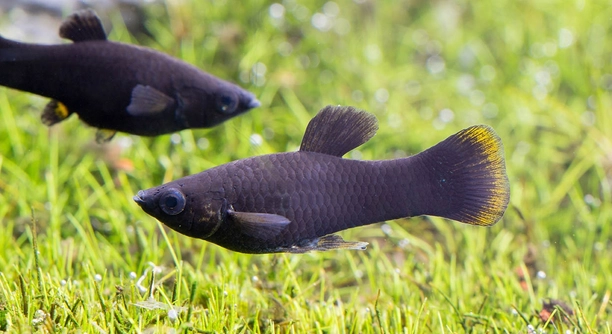
Black Mollies are popular freshwater fish known for their hardiness and adaptability. Many aquarium owners wonder how these fish respond to sudden changes, such as moving to a new tank or an abrupt change in environment.
Black Mollies can generally adapt to sudden moves if proper care is taken. Gradual acclimation, maintaining water parameters, and minimizing stress during transfer are critical to ensuring their health and preventing shock or illness after relocation.
Understanding the best practices for moving Black Mollies will help keep them healthy and comfortable in new surroundings. Proper preparation can make the transition smoother and safer.
Preparing Your Black Molly for a Move
Before moving your Black Molly, it is important to prepare the fish and the new tank properly. Start by ensuring the new tank is fully set up with clean water, proper temperature, and balanced pH levels. Use a water conditioner to remove chlorine or other harmful chemicals, as Black Mollies are sensitive to water quality changes. Feeding should be reduced a day before the move to prevent digestive stress during transport. During the transfer, gently scoop the fish with a soft net or use a container filled with tank water to minimize stress. Avoid sudden exposure to direct light or loud noises, as this can further disturb your fish. Keeping the moving environment calm and controlled will help your Black Molly adjust faster once placed in the new tank. Gradual acclimation after moving is key to ensuring their health.
Moving day can be stressful for your Black Molly, but careful handling reduces risk of shock.
After moving, place the fish in a quiet area of the tank and allow it to swim freely. Monitor its behavior closely for the first few hours. Signs of stress include erratic swimming, hiding, or reduced appetite. Gradually introduce feeding and avoid overfeeding, as the digestive system may still be adjusting. Check water parameters daily for the first week, ensuring temperature, pH, and cleanliness remain stable. Using a gentle water filter and minimal disturbance helps your fish regain normal activity. With proper attention and patience, your Black Molly can acclimate smoothly and continue to thrive in its new environment, maintaining its health and vitality.
Monitoring Behavior After the Move
Observe your Black Molly closely during the first week after relocation. Stress can affect feeding, swimming, and overall health.
After moving, it is important to keep a consistent routine and monitor the fish’s behavior. Changes in tank placement, lighting, and companions can influence how quickly your Black Molly adapts. Provide hiding spots to help reduce anxiety, and avoid sudden movements or loud noises around the tank. Observe interactions with other fish carefully, as territorial behavior may increase temporarily. Keep feeding schedules regular but modest to avoid overloading the digestive system. Testing water quality regularly ensures that no sudden shifts in parameters cause additional stress. By maintaining a stable environment and monitoring closely, you can support your Black Molly’s health and help it regain confidence in its new surroundings. Tracking subtle changes in activity, appetite, and social behavior gives valuable insight into its adjustment progress.
Signs of Stress in Black Mollies
Stress in Black Mollies can appear quickly after a sudden move. Watch for erratic swimming, hiding, or refusal to eat. Faded coloration and rapid gill movement are also common indicators that your fish is under pressure.
If your Black Molly shows signs of stress, acting promptly can prevent long-term health issues. Provide shaded areas or decorations for hiding, and reduce handling to minimize disturbance. Keep the water temperature and pH stable, as fluctuations can worsen stress. Feeding smaller portions helps the digestive system adjust, while observing interactions with tank mates ensures aggression doesn’t increase. These small steps help your fish regain normal behavior faster and reduce the risk of illness.
Persistent stress may affect the immune system, making your Black Molly more susceptible to disease. Watch for unusual spots, fin damage, or lethargy. Maintaining optimal water conditions and reducing sudden changes in the tank environment helps the fish recover. Regular observation allows you to notice subtle improvements or setbacks, ensuring timely intervention if health problems develop. Supporting your Black Molly through this period strengthens resilience and helps it adapt to its new environment.
Acclimating Gradually to a New Tank
Gradual acclimation reduces stress and prevents shock. Introduce your Black Molly slowly, letting it adjust to water temperature and chemistry over a period of time.
Start by floating the transport bag in the new tank for 15-20 minutes. Gradually mix small amounts of tank water into the bag every few minutes. This helps the fish adapt to differences in temperature and pH. Once the water in the bag is mostly from the new tank, gently release your Black Molly. Avoid pouring the original water directly into the tank to prevent introducing contaminants. Continue to monitor the fish closely for the next few hours, keeping disturbances to a minimum. Providing hiding spots and observing behavior ensures a smooth transition. Patience and careful handling during this process significantly improve the fish’s comfort and health.
Water Quality Importance
Maintaining stable water quality is essential after moving Black Mollies. Sudden changes in pH, temperature, or ammonia levels can cause stress and illness. Regular testing ensures the tank remains safe for your fish.
Filtration and partial water changes help keep the environment clean. Avoid using harsh chemicals, and monitor nitrate levels to prevent long-term health issues.
Feeding During Adjustment
Offer small, frequent meals while your Black Molly acclimates. Overfeeding can cause digestive issues, so keep portions modest. Provide high-quality flake or pellet food to maintain nutrition. Watching how your fish responds helps you adjust feeding habits and ensures proper intake during the adjustment period.
Tank Setup Considerations
Include plants and decorations for hiding spots. These provide security and reduce stress while your Black Molly adapts to the new tank.
FAQ
How long does it take for a Black Molly to adjust to a new tank?
Adjustment times vary depending on the fish and conditions. Typically, Black Mollies begin settling within a few hours, but full acclimation can take up to a week. Stress levels decrease gradually if water quality is stable, hiding spots are available, and feeding is consistent. Keeping a calm environment helps the process significantly.
What signs indicate my Black Molly is stressed after a move?
Common signs include erratic swimming, hiding, loss of appetite, faded coloration, and rapid gill movement. Stress can also cause lethargy or unusual interactions with other tank mates. Observing these behaviors early allows for immediate action, which prevents further health complications.
Can sudden water changes harm Black Mollies?
Yes, sudden shifts in temperature, pH, or hardness can shock the fish, weakening their immune system. Gradual acclimation by mixing small amounts of tank water into the transport water reduces the risk of shock and helps them adjust safely.
Should I separate my Black Molly during the first few days in a new tank?
Separation is generally unnecessary unless other fish are aggressive. Providing hiding spots and monitoring interactions is usually sufficient. Isolation can increase stress in some fish, so it is better to maintain a calm communal environment unless conflict arises.
How often should I feed my Black Molly after moving?
Feed small portions two to three times a day. Avoid overfeeding, as digestive stress can be compounded by the adjustment to a new environment. Monitor appetite and adjust accordingly to ensure proper nutrition while preventing uneaten food from contaminating the tank.
Is it necessary to test water parameters daily after a move?
Yes, daily testing for the first week helps catch any sudden fluctuations in ammonia, nitrites, nitrates, pH, and temperature. Stable water conditions are crucial for recovery, and early detection allows for timely adjustments to prevent stress or illness.
What are the best hiding spots for a Black Molly?
Live or artificial plants, small caves, and decorations provide secure areas. Hiding spots reduce stress and give the fish a sense of safety while it acclimates. Ensure spaces are easily accessible and do not overcrowd the tank.
How do I know if my Black Molly is eating properly after relocation?
Observe feeding behavior closely. Active swimming toward food and consistent nibbling indicate good appetite. Refusal to eat, spitting out food, or only nibbling occasionally may signal stress or digestive issues. Adjust feeding size and timing if needed.
Can water temperature fluctuations affect adjustment?
Yes, even small temperature changes can increase stress. Maintain consistent temperature according to species requirements. Sudden warming or cooling can cause shock, reduce appetite, and make the fish more prone to illness. Use a reliable heater and thermometer for stability.
How long should I minimize tank disturbances?
For the first 24 to 48 hours, reduce sudden movements, loud noises, and frequent handling. This period allows your Black Molly to explore the new environment safely and start settling without additional stress. Gradually, normal tank activity can resume as the fish adjusts.
Are there supplements or treatments that help after moving?
In general, high-quality water conditioners and stress-reducing products can be beneficial, but they are not a substitute for proper acclimation. Avoid overusing medications unless a health issue arises, and always follow manufacturer guidelines carefully.
What should I do if my Black Molly shows prolonged stress?
If stress persists beyond a week with signs like poor appetite, constant hiding, or unusual swimming, check water quality, feeding practices, and tank mates. Consulting a veterinarian or experienced aquarist may be necessary to address potential health concerns.
How do tank mates affect adjustment?
Peaceful tank mates reduce stress, while aggressive or territorial fish can worsen it. Observe interactions closely and rearrange decorations or provide additional hiding spots to minimize conflicts during acclimation. Properly chosen companions contribute to a smoother adjustment process.
Can acclimation affect coloration?
Yes, stress can temporarily dull coloration. Once your Black Molly adjusts to stable conditions, proper nutrition and calm surroundings help restore vibrant colors over time. Monitor closely and ensure the environment supports overall health.
Is it better to move one fish at a time?
Moving one or a few at a time can reduce stress and make monitoring easier. Large groups may create chaos in transport containers, increasing risk of injury or shock. Gradual relocation is safer and more controlled.
How can I make future moves easier for my Black Molly?
Maintain consistent tank setups and water parameters whenever possible. Minimize changes, provide secure transport containers, and acclimate gradually. Experienced handling and preparation reduce stress, making any future moves smoother for your fish.
This FAQ addresses common concerns and practical steps for helping Black Mollies adjust safely to sudden moves, focusing on health, behavior, and environment management.
Black Mollies are resilient fish, but they are not immune to the stress of sudden moves. Their response depends largely on how well the move is managed and how stable the new environment is. By paying attention to water parameters, providing hiding spots, and reducing disturbances, you give your fish the best chance to adapt smoothly. Even minor changes in temperature, pH, or water quality can affect their health, so consistency is key. A well-prepared tank allows your Black Molly to settle quickly and reduces the likelihood of stress-related problems. Observing behavior carefully during the first few days can help detect any issues early, allowing for timely adjustments.
Feeding practices also play an important role in helping your Black Molly adjust. Offering smaller, frequent meals helps prevent digestive problems that can arise from sudden changes in environment or diet. Avoid overfeeding, and choose high-quality flake or pellet food that meets nutritional needs. Monitoring appetite is essential, as reduced interest in food can indicate stress or underlying health concerns. Gradually reintroducing normal feeding routines once the fish appears comfortable ensures that energy levels remain steady and supports overall wellbeing. Coupled with a calm tank environment, proper feeding contributes to a smoother acclimation process.
Patience and careful observation are the most important factors during this period. Stress may manifest in different ways, such as hiding, erratic swimming, or faded coloration, but these behaviors typically improve with time if the environment remains stable. Regular testing of water quality, along with minimizing sudden changes and disturbances, ensures your Black Molly remains healthy. Creating a tank with secure hiding spots, gentle lighting, and consistent care encourages the fish to regain confidence in its surroundings. By understanding the needs of your Black Molly and approaching the move with preparation and attention, you can make the transition less stressful and help your fish thrive in its new home. This approach not only protects health but also strengthens the bond between your fish and its environment, making future adjustments easier.

Hello,
If you enjoy the content that we create, please consider saying a "Thank You!" by leaving a tip.
Every little bit helps us continue crafting quality advice that supports the health, happiness, and well-being of pets around the world, for pets of all shapes, sizes, and species.
We really appreciate the kindness and support that you show us!