
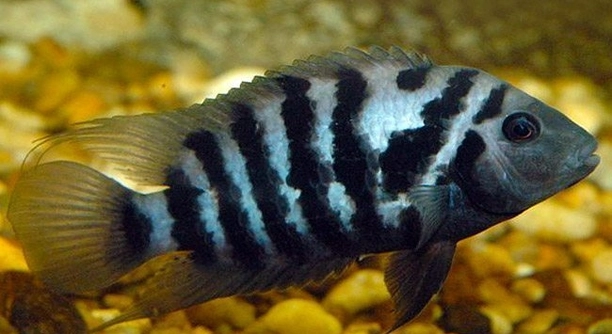
Overcrowding in cichlid tanks is a common challenge many aquarium enthusiasts face. When too many fish share a confined space, it can lead to several problems that affect their health and behavior. Understanding these issues helps in creating a better environment for your cichlids.
Overcrowded cichlid tanks lead to increased stress, poor water quality, aggression, stunted growth, disease spread, oxygen depletion, and limited hiding spaces. These factors negatively impact the overall well-being and longevity of the fish, making proper tank management essential.
Recognizing these problems is important to maintain a healthy and balanced aquarium. The following details will help you identify and address overcrowding effects effectively.
Stress and Aggression in Overcrowded Tanks
When too many cichlids live in a small space, stress levels rise quickly. Fish need enough room to swim and establish their territories. Without proper space, they become stressed, which weakens their immune systems and makes them more prone to illness. Aggression is another big issue. Cichlids are naturally territorial, and overcrowding makes them fight more often. These fights can lead to injuries and sometimes even death. Watching fish constantly chase or nip at each other shows that the tank is too crowded. Stress and aggression affect the overall harmony of the aquarium, making it less enjoyable to care for and observe. It’s important to give each fish enough room and plenty of hiding spots to reduce tension.
Stress lowers fish health and aggression causes physical harm, both of which threaten your cichlids’ survival. Managing tank space carefully helps keep peace and wellness.
Keeping your tank calm improves your cichlids’ mood and health. Adding plants, rocks, and caves gives them places to hide and reduces fights. Overcrowding can be fixed by moving some fish to another tank or upgrading to a larger one. Taking these steps helps your fish feel safe and live longer.
Poor Water Quality
Overcrowded tanks quickly suffer from poor water quality because more fish produce more waste. This waste builds up harmful chemicals like ammonia and nitrites, which are toxic to cichlids. Even with filters, the water can become polluted faster than it can be cleaned. Dirty water stresses the fish and makes them vulnerable to disease. High waste levels also increase algae growth, which clouds the water and reduces oxygen. Proper tank maintenance becomes harder when too many fish are packed together, requiring more frequent water changes and filter cleaning. Without good water quality, fish cannot thrive.
Maintaining clean water is critical. Overcrowding makes this difficult, putting fish at risk of health problems.
To avoid poor water quality, reduce fish numbers or increase tank size. Regular water testing and partial water changes keep toxins low. Filters should be checked and cleaned often. Adding live plants helps absorb waste and improves oxygen levels. Preventing overcrowding protects water quality and fish health, making the aquarium more stable and enjoyable.
Stunted Growth and Health Issues
Overcrowding limits the space cichlids need to grow properly. Fish in cramped tanks often don’t reach their full size.
When cichlids are crowded, they compete for food and oxygen, which affects their growth. Limited swimming space can also restrict muscle development. Stress from overcrowding weakens their immune systems, making them more prone to diseases. These health issues reduce their lifespan and cause discomfort. Proper tank size and balanced population help fish grow healthy and strong.
In a crowded tank, illnesses spread quickly because infected fish are near many others. Fighting injuries can get infected, adding to health problems. Giving cichlids room and clean water supports better growth and overall health.
Oxygen Depletion and Its Effects
Overcrowding raises the demand for oxygen in the tank water. Fish struggle to get enough oxygen when many share a small space.
Low oxygen levels cause fish to gasp at the surface and become lethargic. Oxygen depletion stresses their bodies, weakening immune responses and making them vulnerable to infections. Filtration and aeration systems may not keep up with the higher oxygen demand, especially in small tanks. Regular monitoring and tank maintenance are needed to prevent oxygen shortage. Increasing water surface area or adding air stones can help improve oxygen levels. Avoiding overcrowding reduces oxygen depletion and supports healthier fish.
Limited Hiding Spaces
Overcrowding reduces the available hiding spots for each cichlid. Without enough cover, fish feel exposed and stressed.
Hiding places are essential for cichlids to feel secure and reduce aggression. Rocks, plants, and decorations help create safe zones where fish can retreat and rest.
Disease Spread
Crowded tanks increase the risk of disease transmission among fish. Close contact and shared water make it easier for infections to spread rapidly.
Keeping fish healthy requires space, good water quality, and careful observation. Quarantining new fish before adding them to the main tank also helps prevent outbreaks.
Poor Breeding Conditions
Overcrowding creates a stressful environment that disrupts breeding behavior. Cichlids need space and calm to reproduce successfully. Stress from tight quarters can prevent spawning or harm fry survival.
FAQ
How many cichlids can I keep in one tank?
The number depends on the tank size and the species of cichlids. As a general rule, allow at least 10 gallons of water per adult cichlid. Larger species need more space. Overcrowding even a few extra fish can cause stress and water quality issues, so it’s better to keep fewer fish than overcrowd.
What are the signs of overcrowding in my tank?
Signs include increased aggression, constant chasing, hiding, poor water clarity, algae overgrowth, fish gasping at the surface, and stunted growth. If you notice many of these, your tank may be overcrowded. Fish that appear weak or frequently injured also indicate stress from too many tank mates.
Can I fix overcrowding without buying a bigger tank?
Yes, but it requires effort. You can reduce the number of fish by rehoming some, increase filtration and aeration, and add more hiding places. Regular water changes and careful monitoring help too. However, these are only temporary fixes; ultimately, providing more space is best for your cichlids.
Does overcrowding affect water parameters?
Absolutely. More fish produce more waste, which raises ammonia, nitrite, and nitrate levels. This harms water quality and makes fish sick. Overcrowded tanks often have cloudy water and algae blooms. Testing water regularly and performing frequent water changes can help manage these issues but won’t fully solve them without reducing fish numbers.
How does stress from overcrowding impact cichlids?
Stress weakens fish immune systems, making them prone to disease and infections. It also causes behavioral changes like hiding or constant aggression. Stressed fish eat less and grow slower. Chronic stress lowers their lifespan and quality of life.
Are certain cichlid species more sensitive to overcrowding?
Yes. Some cichlids are more territorial or aggressive and require more space to avoid conflicts. Species like African cichlids can tolerate higher densities if managed carefully, but others need more room. Research your species’ behavior and space needs before deciding how many to keep.
How often should I clean an overcrowded tank?
Overcrowded tanks need more frequent maintenance. Water changes of 25-50% weekly are common to keep toxins low. Filters should be cleaned or replaced regularly, but avoid cleaning all media at once to keep beneficial bacteria. Regular gravel vacuuming removes waste buildup.
Can overcrowding cause fish to stop breeding?
Yes, crowded conditions increase stress and reduce the chances of successful spawning. Fish may not build nests or care for their fry properly when stressed. Providing enough space and a calm environment improves breeding success.
What can I do to prevent overcrowding from the start?
Plan your tank size based on the adult size of your cichlids and their space needs. Research the species carefully. Start with fewer fish and add gradually if space allows. Monitor fish behavior and water quality regularly to catch problems early.
Is overcrowding harmful to other aquarium inhabitants?
Yes, overcrowding affects all tank inhabitants, including plants and beneficial bacteria. Too many fish can damage plants, reduce oxygen, and overload the biological filter, harming the whole ecosystem. Keeping a balanced tank population supports everyone’s health.
What should I do if I notice overcrowding symptoms?
Act quickly by testing water quality and performing water changes. Consider rehoming some fish or upgrading your tank. Add decorations to create hiding spots and reduce stress. Monitor fish closely for signs of illness or injury and treat them if needed.
Can filtration alone solve overcrowding problems?
No, filtration helps maintain water quality but cannot fix the underlying issue of too many fish in limited space. Overcrowding causes stress and aggression that filters cannot resolve. Proper stocking levels are essential for a healthy tank.
How do hiding spots help reduce overcrowding effects?
Hiding spots allow fish to escape aggression and rest, which lowers stress levels. They break up sight lines and territory boundaries, reducing fights. Even in smaller tanks, adding caves, plants, or decorations can improve fish comfort and behavior.
Are water changes more important in crowded tanks?
Yes, frequent water changes help remove toxins and keep water clearer. They compensate for the extra waste produced by many fish. In crowded tanks, skipping water changes can quickly lead to harmful conditions.
Can overcrowding cause oxygen depletion?
Yes, more fish consume more oxygen. In a crowded tank, oxygen levels can drop, especially at night or if aeration is poor. Low oxygen causes fish to gasp at the surface and become weak. Aerators, air stones, and surface agitation improve oxygen but reducing fish numbers is best.
Overcrowding in cichlid tanks can cause many problems that affect both the fish and the overall health of the aquarium. When too many cichlids share a small space, it leads to stress, aggression, poor water quality, and health issues. These problems make it harder for the fish to grow and live long lives. Giving each cichlid enough space and proper care is important to keep them healthy and happy. Overcrowding is not just about the number of fish but also about how much space and resources are available for each one.
Taking care of water quality is one of the most important steps to prevent problems caused by overcrowding. Fish produce waste that can build up quickly in a small tank, making the water toxic. Regular water changes, good filtration, and keeping an eye on water parameters help maintain a clean and safe environment. However, even with the best filtration, overcrowding can still cause stress and aggression among fish. Providing hiding places, such as rocks, plants, and decorations, also helps reduce fights and gives fish a place to feel secure. These efforts can improve the tank conditions, but they cannot fully replace the need for proper stocking.
Managing the number of cichlids in your tank is key to avoiding overcrowding. It is better to have fewer fish with enough room than many fish cramped together. If the tank becomes too full, consider moving some fish to another tank or upgrading to a larger one. Watching your fish’s behavior and health closely can help you spot early signs of overcrowding. By paying attention and acting on these signs, you can create a balanced and peaceful environment where your cichlids thrive. Taking these steps shows care and responsibility, making your aquarium a better place for the fish to live.

Hello,
If you enjoy the content that we create, please consider saying a "Thank You!" by leaving a tip.
Every little bit helps us continue crafting quality advice that supports the health, happiness, and well-being of pets around the world, for pets of all shapes, sizes, and species.
We really appreciate the kindness and support that you show us!