
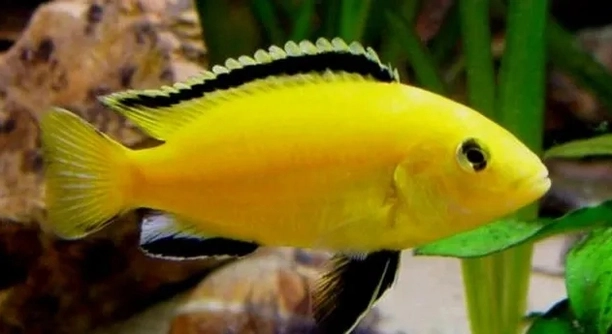
Have you ever felt excited about adding a colorful cichlid to your home aquarium but unsure if you are prepared for the responsibility? Many beginners share this feeling as they explore the world of fishkeeping.
The process of choosing a first cichlid involves evaluating tank size, water conditions, compatibility and long term care needs to prevent stress or aggression. Proper planning supports a stable environment that helps both fish and the keeper succeed with confidence.
Learning a few essential points before selecting your first cichlid can make your experience smoother and help you feel confident.
Understanding Cichlid Requirements
Choosing the right cichlid starts with knowing what each species needs in order to stay calm and healthy. Many beginners focus on colors first, but it helps to look closely at tank size, water balance, hiding areas and feeding habits. Some cichlids prefer quiet spaces while others stay active and territorial, so planning ahead prevents stress. A stable setup also reduces maintenance issues later. When I bought my first cichlid, I realized that understanding these basics made the entire process feel easier and more enjoyable. Taking time to match your home setup with the needs of the fish can save you from dealing with unnecessary problems. It also helps the fish adjust smoothly without constant conflict. Clear decisions at the start support a peaceful aquarium. This simple approach removes confusion and gives you a better chance of keeping your new cichlid comfortable for a long time.
Setting up conditions correctly allows your cichlid to settle without unnecessary stress or aggression forming in the tank.
Paying attention to lighting, temperature shifts, filtration strength and reliable testing habits creates a balanced environment. These details shape the behavior of your cichlid and help you avoid issues that often appear when conditions stay unstable.
Choosing the Right Species
Selecting a species that fits your tank and experience level prevents avoidable problems and keeps your setup running smoothly.
Some cichlids grow rapidly and need large spaces, while others stay smaller and adapt well to moderate tanks. Understanding adult size, behavior patterns and territorial habits helps you avoid overcrowding or aggression. When comparing species, look for those that match your routine, especially if you prefer simple care tasks. Researching feeding habits also matters because some cichlids require specific diets to maintain color and energy. It helps to select fish that remain steady in temperament, especially if you plan to add more tankmates later. Compatibility is important since certain cichlids act calmly when paired correctly but become difficult when placed with the wrong companions. Observing these factors gives you a realistic view of what your tank can handle. By choosing wisely, you create a stable environment filled with healthy fish that interact safely and stay comfortable under your care.
Managing Tank Compatibility
Keeping cichlids peaceful starts with planning which fish can live together without constant tension. Size, temperament and feeding schedules all influence how well they coexist. Observing these details prevents sudden issues that can interrupt the balance of your tank.
Selecting tankmates that share similar needs reduces the chance of territorial behavior. Some cichlids react strongly when others invade their space, so choosing species with calmer habits can help maintain order. I learned early on that watching how each fish behaves during feeding is helpful because it shows signs of stress before problems grow. Adding hiding spots and clear boundaries allows each fish to claim a safe area. Keeping stocking levels moderate also prevents aggression from forming. With steady monitoring and small adjustments, you can guide your tank toward a more predictable rhythm that keeps every fish secure and comfortable.
Introducing new fish slowly encourages smoother interactions. Sudden additions increase tension and disrupt established patterns, so allowing gradual adjustments keeps the entire environment steadier. Careful observation helps you notice early signs of discomfort, making it easier to correct issues before they escalate.
Water Quality and Maintenance
Stable water quality keeps cichlids healthy and responsive. Regular testing helps you understand what needs attention before it becomes a problem. Small, consistent water changes support cleaner conditions and reduce stress that often appears when the tank falls out of balance.
Maintaining your filter properly strengthens the stability of the tank. Rinsing media in tank water protects beneficial bacteria that help manage waste, while avoiding overcleaning keeps the system functioning smoothly. Checking temperature and pH regularly prevents sudden changes that can affect behavior or appetite. When I first started, I noticed that keeping a simple schedule made everything feel easier and more manageable. Removing debris, adjusting food portions and watching for unusual reactions all contribute to a healthier space. By staying consistent with these tasks, you give your cichlids the steady environment they need to remain active and comfortable.
Feeding and Nutrition
Feeding cichlids correctly supports their growth, color and overall comfort. A balanced routine with quality pellets, occasional frozen foods and steady portions helps prevent digestive issues. Watching how your fish respond during feeding can show early signs of stress or imbalance.
Offering variety keeps cichlids more active and reduces boredom. Some species prefer protein rich foods while others need more plant based options, so matching the diet to the fish makes a noticeable difference. Consistent feeding habits also help maintain stable water conditions.
Monitoring Behavior
Regular observation helps you notice changes in posture, appetite or movement that may signal discomfort. Cichlids often show their needs through subtle behavior shifts, so staying aware lets you take action before small issues become bigger problems. Simple routines make this easier and feel less overwhelming.
Planning for Growth
Considering how large your cichlid will become helps you avoid overcrowding. Allowing enough space supports calmer interactions and steadier movement, which keeps the aquarium more peaceful over time.
FAQ
How often should I feed my cichlids?
Most cichlids thrive when fed small portions once or twice a day. This keeps them active without causing excess waste. I found that giving only what they can finish in a short time keeps the tank cleaner and prevents overeating. Some species handle slightly larger meals, but it is safer to start small and adjust based on how your fish behave. Watching their appetite helps you understand their rhythm and make changes if they appear sluggish or too eager during feeding. Keeping portions steady also helps maintain better water quality.
Do cichlids need a specific type of substrate?
The substrate you choose affects their behavior and comfort. Many cichlids like sand because it allows them to sift through it naturally, while others do fine with smooth gravel. I prefer sand for most species since it looks cleaner and supports natural habits. Some cichlids also rearrange the substrate, so using a type that is easy to move helps them feel more secure. Avoid sharp materials because they can cause injuries. A stable layer that matches their needs keeps them more relaxed.
How can I tell if a cichlid is stressed?
Stress appears through changes in color, appetite or movement. Faded colors, hiding, rapid breathing or refusing food are common signs. In my tank, pacing along the glass often showed something was off. Checking water parameters is usually the first step because unstable conditions trigger stress quickly. Watching how your fish interact with tankmates also helps you understand if territory issues are forming. Addressing problems early keeps stress from affecting their health.
What size tank is best for beginners?
A medium sized tank offers more stability and is easier to manage than a small one. Larger volumes dilute waste better and keep temperature and pH steadier. Many new keepers believe smaller tanks are simpler, but they actually require more attention. A tank around 30 gallons or larger gives room for natural movement and reduces aggression. This size also lets you add hiding spots and plants more comfortably.
Do cichlids need live plants?
Not all cichlids require live plants, but they can help create a calmer environment. Some species dig, which means they may uproot plants frequently. Hardy plants work best because they handle disturbance well. I noticed that even a few sturdy plants make the tank feel more balanced. Plants offer cover and break up territories, which helps reduce unwanted conflicts. If live plants are difficult to maintain, artificial options still provide structure and hiding areas.
Can cichlids live with other fish?
Many cichlids can live with certain tankmates, but compatibility depends on species, size and temperament. Choosing peaceful companions that can handle similar water conditions prevents unnecessary problems. I always research behavior patterns before adding anything new. Slow introductions allow the fish to adjust without feeling threatened. Watching early interactions helps you understand whether the match will work long term.
How often should I clean the tank?
Regular maintenance keeps the tank stable. Partial water changes once a week remove waste without disrupting the environment. Cleaning the filter gently in tank water protects helpful bacteria. I found that sticking to a simple schedule makes everything feel manageable. Small, consistent tasks prevent large problems from forming.
Final Thoughts
Caring for cichlids becomes much easier when you take time to understand their needs and create a steady routine that keeps the tank predictable. These fish respond well to structure, so paying attention to water quality, compatible tankmates and proper feeding habits makes a noticeable difference in how they behave each day. I learned that even small adjustments, like improving filtration or offering a better hiding area, can shape a calmer and healthier environment. When things stay consistent, cichlids become more confident, more active and more relaxed, which makes the experience feel smoother for you as well. Building a strong foundation early helps you avoid stressful situations later, especially when the fish begin to grow or develop stronger territorial habits. A good setup supports them through these changes and allows you to enjoy your aquarium without constant worry.
Starting with the right species also plays a major role in whether your cichlid keeping experience feels enjoyable or overwhelming. Some cichlids demand more space, more attention and more precise conditions, while others adapt easily to standard care routines. When you select a fish that matches your comfort level, you reduce the risk of unexpected challenges. Over time, you will learn to recognize their behaviors, understand their signals and respond to their needs with more confidence. Small observations help you notice problems before they become serious. Routine checks, simple cleaning habits and thoughtful feeding schedules make each day more manageable. Even if you face occasional issues with aggression or water shifts, the experience becomes easier when you have already built a dependable system that supports quick corrections. I found that approaching everything one step at a time removes pressure and keeps the hobby enjoyable.
As you continue caring for your cichlids, you will see how much smoother things feel when the aquarium stays balanced and predictable. A steady environment helps the fish develop brighter colors, stronger appetites and more natural behaviors. It also reduces stress, not only for them but for you as well. When your setup runs smoothly, you can spend more time enjoying the small details that make cichlids interesting and less time fixing problems. The effort you put in during the early stages becomes the foundation that supports long term success. Whether you keep a single peaceful species or plan to expand your tank in the future, understanding these basic principles gives you a clear path forward. With patience, simple habits and consistent care, you can create a space where your cichlids thrive and where you can feel confident in every decision you make along the way.

Hello,
If you enjoy the content that we create, please consider saying a "Thank You!" by leaving a tip.
Every little bit helps us continue crafting quality advice that supports the health, happiness, and well-being of pets around the world, for pets of all shapes, sizes, and species.
We really appreciate the kindness and support that you show us!