
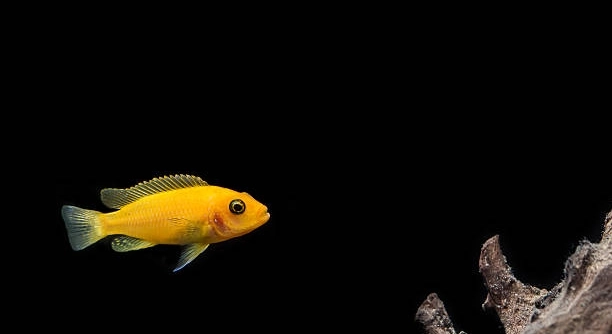
Electric Yellow Cichlids are popular freshwater fish known for their bright color and lively behavior. Many aquarists enjoy keeping them, but identifying their sex can be confusing without careful observation of their physical traits and behavior.
Male Electric Yellow Cichlids are generally larger with more pointed fins and brighter colors, while females tend to be smaller, rounder, and display duller hues. Examining body shape, fin structure, and subtle color differences provides reliable indicators for sex identification.
Recognizing these differences helps you manage your aquarium more effectively and ensures a balanced, healthy environment for your fish companions.
Physical Differences Between Males and Females
Male Electric Yellow Cichlids are often larger than females and show more vibrant yellow coloring. Their fins are usually longer and more pointed, especially the dorsal and anal fins. Females tend to have a rounder body shape and shorter, more rounded fins. Observing the pelvic fins can also help, as males’ are slightly longer and sharper. The overall body size can be a key indicator once the fish reach maturity, generally around 6 to 8 months of age. Color intensity is another reliable clue, as males display brighter, more saturated yellows, while females may appear paler or slightly golden. Sometimes, males show a faint blue or green tint near the gills or on the fins, which females rarely have. Body posture can also differ; males often swim more assertively, maintaining dominant positions in the tank, while females stay closer to hiding spots or lower areas.
These visual cues can make identifying males and females much easier in a well-kept tank.
Understanding these physical traits is essential for managing breeding or maintaining harmony in a community aquarium. Correctly identifying sexes prevents overcrowding issues and reduces stress among the fish. If planning to breed, selecting the right male and female pair ensures healthier fry. Environmental factors like tank size, hiding spaces, and water quality can influence coloration and fin growth, so observations over time are recommended. Regular monitoring allows you to spot subtle changes as juveniles mature. For female cichlids, body rounding becomes more noticeable as eggs develop. Males may show slight aggression, displaying territorial behavior and fin flaring. Keeping a record of each fish’s characteristics can help track development and predict sex with more confidence.
Behavioral Traits to Observe
Males are typically more aggressive, often defending territories or asserting dominance over other fish.
Behavior is another key indicator of sex in Electric Yellow Cichlids. Males often swim actively around the tank, claiming spaces near rocks or decorations. They may flare fins or chase other fish to show dominance, which is less common in females. Females are generally calmer, moving cautiously and staying near shelter. Feeding patterns can also differ, with males eating more assertively, while females wait their turn. During breeding, females show specific behaviors like digging shallow pits for eggs and guarding them carefully. Males may hover nearby, but the females take the lead in caring for the eggs and fry. Observing these actions consistently over days provides strong evidence for distinguishing sex. Keeping a small group of fish allows you to watch interactions closely, making it easier to identify which fish are male and which are female without unnecessary stress to the aquarium environment.
Tank Setup and Environment
Proper tank setup helps reveal sex differences more clearly. Males thrive with open swimming areas and hiding spots for territory. Females prefer spaces with shelter to reduce stress, which makes their colors and behavior easier to observe.
Providing rocks, caves, and moderate plants creates natural territories that encourage males to display their fins fully. Females use hiding spaces to feel secure, allowing you to watch their body shape and color without stress. Adequate water flow, clean substrate, and consistent water quality are essential, as stressed fish may hide or lose coloration, making sex identification harder. Monitoring fish in their preferred areas of the tank offers insight into dominance, fin flare behavior, and color intensity.
Lighting also plays a role in observing sex traits. Bright, even lighting highlights subtle color differences between males and females. Avoid overly dim or harsh lighting, as this can distort perception of fin length and hue. Regular observation during feeding or active hours allows you to see interactions that indicate dominance or nurturing tendencies, helping confirm male or female identification accurately.
Breeding Considerations
Pairing a compatible male and female increases chances of successful breeding. Proper observation prevents stress and aggression.
Males and females display different roles during breeding. The female typically selects a suitable site, often digging a shallow pit in substrate or preparing a flat rock. She lays eggs while the male hovers nearby, guarding the territory and fending off intruders. Once eggs are laid, females tend to incubate and protect them, while males patrol the surrounding area. This division of responsibilities makes observing behaviors critical for identifying sexes.
Water quality and diet are crucial during breeding. Maintaining stable temperatures, pH levels, and clean water promotes healthy eggs and fry. Providing high-quality food supports energy levels, especially for the female during incubation. Monitoring interactions closely helps prevent aggression or stress that could harm eggs. Understanding the specific breeding behaviors allows for better tank management and ensures the health and development of both adults and fry. Tracking these patterns over time provides confidence in sex identification and future breeding success.
Feeding Habits
Males often eat more aggressively, quickly taking food from other fish. Females tend to be slower and more cautious, waiting their turn to feed.
Observing feeding patterns can help identify males and females. Males may dart forward immediately, while females hang back and choose smaller portions or feed more gently.
Color Intensity
Male Electric Yellow Cichlids usually display brighter, more vivid yellow hues than females. Color saturation is strongest during dominance displays or breeding periods.
Color differences can be subtle in young fish. Adult males often have golden-yellow bodies with occasional blue or green highlights near fins or gills, while females are paler or more muted. Monitoring color under consistent lighting over time provides a reliable method for distinguishing sexes, especially when combined with fin and body shape observations.
Juvenile Identification
Young Electric Yellow Cichlids are harder to sex, as size and color are not fully developed. Observing behavior and gradual growth helps in predicting their sex accurately.
FAQ
How soon can I tell the sex of my Electric Yellow Cichlids?
Sexing Electric Yellow Cichlids becomes easier once they reach 6 to 8 months old. By this age, males are larger with more pointed fins, and their color is brighter. Juveniles are harder to distinguish because body shape, fin length, and color are not fully developed. Watching behavior during feeding and interaction over several weeks helps identify sex in younger fish.
Are fin shapes a reliable way to determine sex?
Yes, fin shapes provide a strong visual cue. Males generally have longer, more pointed dorsal and anal fins. Females’ fins are shorter, rounder, and less pronounced. Observing pelvic fins is also helpful, as males’ pelvic fins extend slightly farther than females’.
Does color intensity change with mood or environment?
Color can fluctuate slightly based on stress, lighting, and tank conditions. Males show their brightest yellow when asserting dominance or during breeding. Females may appear paler when stressed or hiding. Consistent lighting and clean water make color differences easier to observe over time.
Can behavior alone determine sex?
Behavior offers important clues but should be combined with physical traits. Males are more territorial, swim assertively, and flare fins. Females are calmer, stay near shelters, and display egg-guarding behavior if breeding. Watching patterns over days provides reliable evidence of sex.
Do males fight more than females?
Yes, males are typically more aggressive. They chase rivals, flare fins, and defend territories. Females are less confrontational, often retreating to hiding spots. Recognizing aggression patterns helps maintain a peaceful tank by arranging compatible groups and preventing stress.
Will diet affect the sex traits?
A balanced diet supports healthy growth and coloration, making sex traits more visible. Protein-rich foods enhance size and fin development, which helps distinguish males. Poor nutrition may cause stunted growth or dull colors, making sex identification harder.
How do breeding behaviors help in identification?
During breeding, females dig pits or prepare flat surfaces for eggs, while males hover and guard territory. Observing who performs each role clarifies sex. Female parental care is a strong indicator, while males focus on defending the area and showing dominance displays.
Can multiple males in one tank be a problem?
Yes, multiple males often compete aggressively, which can lead to stress or injury. Providing ample hiding spots and visual barriers reduces conflict. Observing fin flaring, chasing, and territory claims helps identify dominant males and prevent constant aggression.
Do females always stay near shelters?
Females prefer hiding spaces but will venture out during feeding or social interactions. Their cautious behavior contrasts with males’ assertive swimming. Noting where fish spend time in the tank helps distinguish sexes, especially when combined with color and fin observations.
Is it possible for sex identification to be wrong?
Yes, especially in juveniles or stressed fish. Misidentification is common when traits are subtle or tank conditions affect behavior and color. Combining multiple indicators—size, fin shape, color, and behavior—provides the most reliable results.
How long should I observe my fish before confirming sex?
Regular observation over several weeks is recommended. Changes in growth, color, and behavior become more noticeable over time. Patience ensures accurate identification and prevents unnecessary stress from moving fish or pairing incorrectly.
Do tank conditions influence physical differences?
Yes, water quality, temperature, and space affect growth and color. Optimal conditions allow males to develop pointed fins and vibrant color, while females maintain a healthy, round body. Poor conditions can mask differences, making sexing more difficult.
Can color alone determine the sex?
Color is a helpful clue but not definitive. Males generally appear brighter, while females are paler, but stress or lighting can alter perception. Combining color with fin shape, body size, and behavior gives a clearer identification.
Are there any quick tips for beginners?
Focus on multiple traits: body shape, fin length, color, and behavior. Observe interactions during feeding and movement. Keep tank conditions stable to ensure colors and fins develop properly. Documenting each fish over weeks improves confidence in distinguishing males from females.
How do I prepare for breeding pairs?
Ensure compatible male and female selection by observing physical and behavioral traits. Provide clean water, hiding spots, and proper diet. Monitor closely to prevent aggression, and allow the female to select a spawning site. Clear roles during breeding help confirm sex and promote healthy fry development.
Can females be aggressive too?
Females may show aggression while guarding eggs or fry but are generally less territorial than males. Their aggression is situational, focused on protecting offspring rather than dominating territory. Recognizing this difference helps prevent confusion when monitoring fish behavior in the tank.
Final Thoughts
Identifying the sex of Electric Yellow Cichlids takes patience and careful observation. While males and females share many similarities, differences in size, body shape, fin length, and color can provide reliable clues. Males generally grow larger, develop pointed fins, and display brighter yellow coloration, especially during dominance or breeding periods. Females tend to be smaller, with rounder bodies and shorter, softer fins. Their color is often paler or more muted, though it can still appear vibrant under optimal tank conditions. Observing these traits consistently over time is important, as juvenile fish may not show clear differences until they mature. Paying attention to physical characteristics in combination with behavioral patterns gives the most accurate picture of their sex.
Behavior is another important factor when distinguishing males from females. Males are usually more territorial, assertive, and active, swimming through open areas of the tank and flaring their fins to show dominance. They may chase other fish or defend specific spaces around rocks, caves, or decorations. Females are typically calmer and more cautious, often staying near hiding places or lower areas of the tank. During breeding, females take on the main role of caring for eggs and fry, while males defend territory and show off their brighter colors. Watching feeding habits can also help; males often eat more aggressively and assertively, while females may wait their turn or feed more slowly. Combining these behavioral cues with physical traits provides a clearer and more reliable way to determine sex.
Tank setup and environment play a significant role in observing and confirming sex differences. Providing open swimming areas, hiding spots, and proper decorations encourages natural behavior and highlights physical traits. Good water quality, stable temperatures, and consistent lighting help maintain vibrant colors, healthy growth, and visible fin development. A well-planned tank also reduces stress, which can mask physical and behavioral differences. Paying attention to diet is equally important; balanced nutrition supports size, color, and overall health, making traits more distinguishable. Tracking observations over several weeks, noting color changes, fin growth, and interactions, ensures confidence in sex identification. By combining attention to physical traits, behavioral patterns, and environmental factors, you can accurately identify males and females while maintaining a healthy and balanced aquarium. Accurate sex identification also supports successful breeding, reduces conflicts, and helps maintain harmony among fish in your tank, ensuring their long-term well-being.

Hello,
If you enjoy the content that we create, please consider saying a "Thank You!" by leaving a tip.
Every little bit helps us continue crafting quality advice that supports the health, happiness, and well-being of pets around the world, for pets of all shapes, sizes, and species.
We really appreciate the kindness and support that you show us!