
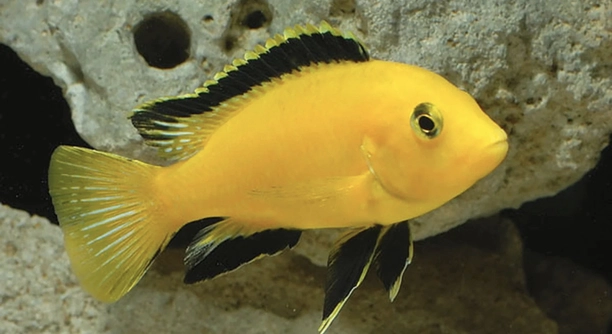
Do your cichlids often seem restless or pick fights with each other? Many fish owners struggle to keep their tanks peaceful, even when water conditions and feeding routines are correct. Aggression can make daily care stressful and tiring.
Reducing cichlid aggression can be achieved through careful tank management, environmental enrichment, and strategic feeding practices. Adjusting space, adding hiding spots, and controlling interactions are proven methods to lower conflict and promote a calmer, healthier aquarium community.
Learning simple ways to create harmony in your tank can save both your energy and your fish’s well-being. These practical steps offer clear guidance for improving daily life in your aquarium.
Rearrange the Tank Layout
Changing the arrangement of decorations, rocks, and plants in your cichlid tank can have an immediate effect on aggression. Fish often establish territories based on the layout of their environment. By moving caves, hiding spots, and plants to new positions, dominant fish are forced to reassess their territories. This reduces constant chasing and fighting. Softening the boundaries with more hiding spaces helps less dominant fish find refuge, decreasing stress levels. Even simple adjustments, like rotating decorations or adding a new plant, can make a big difference. Fish feel less trapped, and conflicts over specific spots are minimized. Observing how your cichlids react after moving things gives insight into their social dynamics. Some species thrive with open swimming areas, while others prefer clustered territories. Small changes made gradually ensure the fish adapt smoothly without causing panic or increased aggression. Overall, rearranging is an easy, low-cost method to balance power struggles in the tank.
Rearranging decorations keeps fish curious and reduces fighting immediately. It also lets shy fish explore more freely and feel safer in the tank.
Regularly adjusting the tank layout allows all fish to experience different spaces and reduces repetitive territorial disputes. Fish often become predictable in their behavior, and reshuffling their environment interrupts aggressive patterns. Introduce plants and rocks gradually so no fish feels threatened. Observing interactions during and after changes helps you identify which setups reduce conflict most effectively. Some species respond well to tall plants, while others prefer rock structures for hiding. By paying attention to these preferences, you can create zones that satisfy different fish personalities. Over time, your cichlids learn to share space more peacefully. Consistent monitoring ensures that new arrangements don’t create new conflicts. This method also supports mental stimulation, keeping the fish active and less focused on aggression. Small shifts, repeated occasionally, maintain a dynamic and calm environment.
Introduce Hiding Spots
Adding extra hiding spots immediately reduces visible fights between fish.
Cichlids naturally seek cover when stressed or threatened. Providing multiple caves, plants, or artificial shelters allows fish to retreat instead of confronting rivals. Position these strategically to break up open areas and prevent line-of-sight aggression. Avoid overcrowding, as too many hiding spots can confuse fish and increase territorial disputes. Using a variety of materials, like rocks and PVC tubes, appeals to different species and personalities. Observing which spots are most used can guide future placement. Hiding spaces not only decrease aggression but also improve fish health by lowering stress levels, encouraging natural behaviors like exploring and grazing. Ensure all fish have access to at least one secure spot. Over time, this approach creates a more balanced community where dominant individuals cannot monopolize key areas. By planning the tank thoughtfully, aggression reduces significantly without constant intervention.
Monitor Feeding Times
Consistent feeding schedules help reduce aggression. Fish are less likely to fight when they know food will come at predictable times, and hunger-driven chasing is minimized.
Uneven feeding often sparks competition. Dominant cichlids may chase others away from food, leaving some underfed. Providing multiple feeding spots spreads food evenly, ensuring all fish receive adequate nutrition. Feeding smaller portions more frequently can also prevent aggressive bursts linked to competition. Observing your fish during meals helps you adjust timing and portions. This strategy not only lowers fights but also supports healthy growth and overall well-being. By planning feeding carefully, you reduce stress and improve harmony in the tank.
Feeding behavior directly influences aggression. Overfeeding can cause water quality issues, while underfeeding triggers fights. Striking the right balance ensures calm, healthy fish. Regular observation and adjusting the routine fosters a peaceful tank environment.
Maintain Proper Water Conditions
Stable water conditions significantly impact cichlid behavior. Fluctuations in temperature, pH, or hardness can increase stress and aggression, so testing regularly is essential.
Keeping water clean reduces irritability. Frequent water changes, proper filtration, and monitoring chemical levels create a comfortable environment for all fish. Stress from poor water quality can make even peaceful species more aggressive. Cichlids are particularly sensitive to ammonia and nitrite spikes. Using a reliable test kit helps detect problems early. Maintaining stable temperature prevents sudden shock, which often triggers chasing or bullying. Gradually adjusting parameters when needed avoids sudden stress. Clean gravel, removal of waste, and aeration also contribute to a calmer tank. By prioritizing water quality, you minimize aggression naturally.
Water maintenance is not only about cleanliness but also stability. Consistency in water parameters supports immune health, reduces stress, and prevents escalation of fights. Observing fish behavior alongside water checks helps identify subtle issues early, promoting long-term peace in the aquarium.
Separate Aggressive Fish
Some cichlids display persistent aggression that others cannot tolerate. Removing overly dominant individuals from the main tank can immediately restore peace.
Quarantining or creating a separate tank for aggressive fish prevents injuries and stress. Temporary separation allows calmer fish to regain confidence and reduces continuous chasing, creating a more balanced social environment for everyone.
Add More Plants
Dense planting gives fish natural cover and breaks sight lines, lowering aggression. Plants reduce stress by providing personal space and retreat areas.
Cichlids often fight over visible territory. By adding tall plants, floating species, or thick clusters, you create zones where less dominant fish can hide and feel safe. Plants act as buffers, preventing constant confrontation. This approach supports natural behaviors like grazing and exploring while reducing direct competition. Observing which areas are most used can guide future planting decisions. Plants also improve water quality and oxygenation, indirectly supporting calmer behavior. Regular trimming keeps plants healthy and ensures spaces remain usable. Proper plant placement is a simple, effective method to maintain a peaceful tank.
Adjust Tank Size
Larger tanks allow fish more space to establish territories, which reduces conflict. Proper space limits constant encounters between dominant and submissive individuals.
Observe Social Dynamics
Careful observation of interactions helps identify aggressive patterns. Recognizing triggers allows timely adjustments in environment or groupings.
FAQ
How can I tell if my cichlids are stressed from aggression?
Signs of stress include torn fins, frequent hiding, rapid breathing, and loss of appetite. Fish may also swim erratically or chase each other excessively. Monitoring behavior closely during feeding or territorial disputes helps identify which individuals are affected most. Stress can escalate quickly if ignored, so early action is key to preventing injury or illness.
Is it better to keep fewer cichlids in a tank to reduce aggression?
Not necessarily. While overstocking increases fights, too few fish can allow one dominant individual to bully the others repeatedly. A balanced number with proper hiding spots and space usually works best. Grouping species that tolerate each other well also reduces conflict. Proper stocking considers tank size, fish size, and temperament.
How often should I rearrange decorations to minimize fights?
Small adjustments every few weeks or months work well. Sudden changes may stress fish, while too little movement allows territories to become overly rigid. Observing how fish react after each rearrangement informs which setups keep aggression low. Rotating plants, rocks, and shelters gradually helps all fish adapt smoothly.
Do certain species of cichlids naturally fight more than others?
Yes. African cichlids, like those from Lake Malawi, are often more territorial than South American species such as angelfish. Understanding natural behavior helps plan tank layout, population density, and hiding spaces. Some species are more peaceful and suitable for community tanks, while others need species-only setups.
Can diet influence aggression levels?
Absolutely. Hungry fish are more likely to chase and fight. Feeding small amounts multiple times a day reduces competition. Offering a variety of high-quality foods ensures all fish get enough nutrients. Sometimes live or frozen foods can redirect aggressive energy toward feeding rather than fighting.
What is the best way to introduce new cichlids?
Introduce new fish gradually, preferably using a divider or quarantine tank. Allow current fish to see but not touch newcomers first. This minimizes immediate aggression and gives everyone time to adjust. Adding new hiding spots during introduction also helps reduce conflicts over territory.
Can water temperature affect aggression?
Yes. Sudden changes in temperature can make fish irritable and more likely to fight. Keeping a stable temperature within the species’ preferred range supports calm behavior. Using a reliable heater and thermometer ensures consistency, reducing stress-induced aggression.
Are there signs that an aggressive fish needs to be removed permanently?
If a fish consistently injures tank mates or prevents others from eating or resting, removal is necessary. Chronic bullying can harm health and stress the entire tank. Sometimes relocation to a separate species-only tank or rehoming is the safest solution.
Do hiding spots completely eliminate fights?
Not completely, but they greatly reduce intensity. Hiding spots give submissive fish options to escape, preventing injuries. Combined with tank rearrangements, proper stocking, and feeding strategies, hiding spaces make a significant difference in maintaining peace.
How do I maintain long-term peace in my cichlid tank?
Regular observation, proper feeding, stable water conditions, and strategic tank layout are key. Adjusting decorations, adding hiding spots, monitoring social dynamics, and addressing aggressive individuals promptly helps maintain a calm environment. Consistency and attention to behavior prevent most long-term conflicts.
Can lighting affect aggression?
Bright or inconsistent lighting can stress fish and trigger fights. Providing a consistent light cycle with gradual changes, along with shaded areas, helps fish feel secure and reduces confrontations.
Is separating aggressive fish always the best solution?
Separation is sometimes necessary, but it should be combined with environmental adjustments. Removing a single dominant fish temporarily can restore balance, while long-term solutions involve tank layout, hiding spots, and proper feeding routines.
Does tank size really matter for aggression?
Yes. Larger tanks allow fish to establish distinct territories, minimizing constant interactions. Small tanks can concentrate conflict, especially among territorial species. Ensuring enough space per fish and providing vertical and horizontal zones reduces stress and fighting.
Can social hierarchies stabilize on their own?
Sometimes, dominant and submissive roles establish naturally over time. However, ongoing observation is needed to ensure no fish is being excessively harassed. Interventions like adding hiding spots, rearranging the tank, or separating aggressive individuals may still be required.
Do cichlids remember aggressive encounters?
Yes. Fish can recognize rivals and remember previous conflicts. Past fights can influence future behavior, making careful tank management important. Gradual introductions, environmental changes, and proper hiding spots help reduce memory-driven aggression.
How important is regular water testing in preventing fights?
Extremely important. Poor water quality increases stress, which in turn raises aggression. Regular testing for ammonia, nitrite, nitrate, and pH helps maintain a stable environment. Clean water supports health, reduces irritability, and makes the tank calmer overall.
Can decorations alone control aggression?
Decorations help, but they work best with other strategies. Rearrangements, hiding spots, proper feeding, and monitoring social dynamics all contribute. Decorations provide boundaries and visual barriers, but managing fish behavior requires a combination of methods.
Is it normal for cichlids to show some aggression?
Yes. Some aggression is natural and part of territorial behavior. The goal is to reduce harmful fights, not eliminate all interactions. Controlled aggression is typical and healthy, while constant chasing and injury signal a need for intervention.
Do certain cichlids do better in species-only tanks?
Territorial species, like many African cichlids, often thrive in species-only tanks where aggressive behaviors don’t threaten other types. This allows natural social hierarchies without endangering less dominant or peaceful fish.
How do I know if my tank setup encourages peace?
Peaceful behavior is indicated by minimal chasing, healthy fish, and equal access to food and hiding spots. Observing interactions daily helps determine if adjustments are needed. A calm tank is the result of stable water, proper layout, and well-fed fish.
Can aggressive fish ever become calmer with age?
Some may mellow slightly as they mature, but territorial instincts often remain. Long-term management, including proper space, hiding spots, and observation, is still necessary. Even older fish can cause stress if conditions aren’t balanced.
What should I do if fights escalate despite all efforts?
Immediate separation of the most aggressive fish is crucial. Evaluate tank size, hiding spots, feeding practices, and water conditions. Continuous monitoring and adjustments are required until peace is restored. Sometimes permanent relocation is necessary for the safety of all fish.
How important is observing interactions daily?
Daily observation is vital. It allows early detection of aggression, stress, and injury. Timely interventions prevent escalation, ensure all fish remain healthy, and maintain long-term harmony in the tank. Small, consistent efforts are more effective than reactive measures.
Can rearranging the tank disrupt social hierarchies?
Yes. Changing territory boundaries forces fish to reassess dominance, which can reduce aggression temporarily. Gradual rearrangements prevent panic and support more balanced interactions, helping maintain a calmer environment.
Are all hiding spots equally effective?
No. Fish have preferences for caves, plants, or shaded areas. Observing which spots are used most helps guide placement. Variety in size and type ensures all individuals have access to a safe retreat.
Do aggressive encounters affect fish health?
Repeated stress from fighting weakens immunity, slows growth, and increases disease risk. Reducing aggression improves overall health, longevity, and well-being for the entire tank population.
How long does it take to see results after changes?
Some adjustments, like adding hiding spots or rearranging decorations, show improvement within days. Feeding changes and water stability may take weeks. Patience and consistent monitoring are essential to maintain lasting peace.
Can aggressive fish be rehomed successfully?
Yes. Placing aggressive fish in a suitable tank with compatible species or sending them to experienced keepers can prevent injuries and reduce stress for other tank mates. Proper acclimation ensures a smooth transition.
What role does lighting and environment play in aggression?
Consistent lighting with shaded areas supports calmer behavior. Bright or uneven light can increase stress and trigger territorial disputes. Creating visual breaks and maintaining a stable environment reduces triggers for conflict.
Does the presence of other species affect aggression?
Yes. Peaceful species may become targets if mixed with highly territorial cichlids. Choosing compatible species and monitoring interactions is crucial to prevent bullying and maintain a balanced community.
Is it ever too late to fix aggression problems?
No. With proper adjustments in tank size, layout, feeding, water quality, and careful monitoring, most aggression can be managed effectively at any stage. Consistent effort ensures safer, calmer conditions for all fish.
Managing aggression in cichlid tanks can feel overwhelming at first, but it becomes much easier once you understand the main triggers and solutions. Aggression is a natural behavior for cichlids, especially territorial species, but it does not have to dominate your aquarium. By paying attention to tank layout, feeding routines, water quality, and social dynamics, you can create a calmer environment for all your fish. Simple steps like adding hiding spots, rearranging decorations, and monitoring dominant individuals can make a noticeable difference. These adjustments allow less aggressive fish to have their own space, reducing constant chasing and stress. Over time, you will start to notice more balanced interactions, where fish are exploring, grazing, and swimming without constant conflict. Even small changes, like rotating plants or providing additional shelters, can have a meaningful impact on daily behavior.
Consistent observation is a key part of long-term success. Watching how your cichlids interact during feeding, exploration, and rest periods helps you identify patterns of aggression early. Some fish may show short bursts of dominance that fade quickly, while others may become persistent bullies. Recognizing these behaviors allows you to act before injuries occur. Maintaining stable water conditions is equally important, as sudden changes in temperature, pH, or water chemistry can increase irritability and stress, making even typically calm fish more aggressive. Combining careful environmental management with attentive observation ensures that all fish can thrive together. It is also helpful to understand the natural behavior of the species you keep. Some cichlids are more territorial, while others are naturally social, and knowing these traits allows you to plan tank setups, groupings, and feeding strategies more effectively.
Patience and gradual adjustments are essential when working to lower aggression. Changes that are too sudden or drastic can create new stressors, so implementing solutions step by step allows fish to adapt comfortably. Feeding multiple small portions, providing additional hiding spots, and rearranging decorations over time encourages peaceful behavior without overwhelming your fish. If aggressive behavior persists, temporary separation or creating species-specific tanks may be necessary to maintain harmony. Over time, with careful attention, most cichlid tanks reach a stable balance where aggressive behavior is minimized, fish remain healthy, and daily care is more enjoyable. Taking these steps not only protects the fish from injury but also fosters a calmer, more predictable environment. By combining observation, environmental management, and understanding of species traits, you can maintain a peaceful tank that allows each fish to flourish.

Hello,
If you enjoy the content that we create, please consider saying a "Thank You!" by leaving a tip.
Every little bit helps us continue crafting quality advice that supports the health, happiness, and well-being of pets around the world, for pets of all shapes, sizes, and species.
We really appreciate the kindness and support that you show us!