
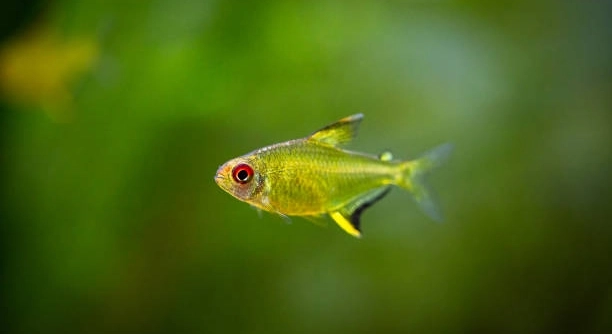
Do you ever find yourself admiring the bright colors of lemon tetras and imagining a small school swimming in your own aquarium? Breeding them can be rewarding, but it requires careful thought and preparation for success.
Breeding lemon tetras demands proper knowledge of water conditions, tank setup, diet, and fish health. Understanding these factors ensures offspring survival, reduces stress on the adults, and maintains the overall well-being of the aquatic environment.
Knowing the basics before starting will make the breeding process smoother and more enjoyable for both you and your fish.
Understanding Lemon Tetra Behavior
Lemon tetras are peaceful fish that prefer to live in schools of at least six. Observing their behavior is key before attempting breeding. Males often display brighter colors when ready to spawn, while females appear rounder when carrying eggs. Providing hiding spots and plants can reduce stress and create a comfortable environment. Water temperature and pH levels play a significant role in their activity and breeding readiness. Lemon tetras are sensitive to sudden changes, so gradual adjustments in water conditions are essential. Monitoring their swimming patterns and interactions helps you identify dominant pairs. A calm environment with low lighting can encourage natural behaviors. Feeding a varied diet rich in protein supports their health and increases chances of successful spawning. Consistent care and observation allow you to anticipate needs, preventing common mistakes. Taking note of these small details can make a noticeable difference in the overall well-being of your tetras.
Observing natural behaviors helps determine readiness for breeding and ensures the fish remain healthy and stress-free.
Recognizing the subtle signs of readiness is important. Females may hide more often, and males will show more vivid colors and chase gently. Ensuring the tank mimics their natural environment encourages spawning without forcing the process.
Setting Up the Breeding Tank
A separate breeding tank is essential to protect both the eggs and the adult fish. Keep the water soft, slightly acidic, and stable in temperature. Provide fine-leaved plants or spawning mops for eggs to attach.
Proper tank setup prevents eggs from being eaten and supports fry development. Using a gentle filter and maintaining clean water is critical for survival.
Breeding tanks should be quiet and undisturbed. Water changes should be frequent but gentle, keeping conditions optimal. Fine-leaved plants, marbles, or spawning mops provide surfaces for eggs. Once eggs are laid, removing adults prevents predation. Monitoring temperature and pH ensures proper hatching conditions. Aged water helps maintain stability and reduces stress. Light should be soft, avoiding sudden changes that might scare the fish. Feeding parents a protein-rich diet improves egg quality. Patience is important, as lemon tetra eggs typically hatch in a few days. After hatching, providing infusoria or freshly hatched brine shrimp ensures fry growth. Careful observation during these early days prevents losses and encourages healthy development, giving your lemon tetras a strong start in life.
Feeding for Breeding
High-quality, protein-rich food encourages spawning and improves egg health. Live or frozen foods like brine shrimp and daphnia are ideal. Feed small amounts multiple times a day to keep fish healthy without overfeeding.
A varied diet ensures lemon tetras receive the nutrients needed for reproduction. Live foods stimulate natural hunting behavior, which can trigger breeding instincts. Frozen alternatives work if live food is unavailable. Regular feeding schedules help maintain consistent energy levels, and supplementing with finely crushed flake food ensures balance. Overfeeding can pollute the tank, so careful portion control is essential. Observing how fish respond to different foods helps determine the best feeding routine for breeding success.
Feeding also impacts fry development. Healthy parents produce stronger eggs, increasing survival rates. Once fry appear, gradually introducing infusoria and baby brine shrimp provides nutrition for early growth. Maintaining clean water during feeding prevents bacterial buildup, supporting long-term health.
Selecting Breeding Pairs
Choosing compatible pairs reduces aggression and improves breeding success. Look for healthy, active fish with vibrant colors and rounded females. Avoid pairing fish that appear stressed or sick.
Compatibility influences spawning frequency and egg survival. Males that chase too aggressively can harm females, while passive males may not trigger spawning. Observing interactions over several days helps identify suitable pairs. Selecting fish with strong coloration and vitality ensures healthier offspring. Gradual introduction to the breeding tank allows adjustment without stress. Maintaining optimal water conditions during pairing supports readiness and encourages natural behavior, giving eggs a better chance of developing properly.
Once pairs are established, monitor interactions closely. Females should show minimal stress, and males should display courting behavior. Adjust conditions as needed to prevent conflict and optimize breeding outcomes. Consistent care during this stage improves overall success and fry survival.
Water Conditions
Maintaining soft, slightly acidic water is crucial for lemon tetra breeding. Temperature should stay stable between 75–80°F. Regular monitoring prevents sudden changes that can stress the fish and reduce spawning success.
Consistent water quality encourages natural spawning behaviors. Avoid harsh chemicals, and use aged or dechlorinated water. Gentle filtration prevents strong currents, keeping eggs and fry safe. Small, frequent water changes help maintain stability and oxygenation without shocking the fish.
Egg Care
Once eggs are laid, removing adults prevents them from being eaten. Eggs attach to plants or spawning mops and hatch in about two to three days.
Careful observation of eggs ensures they remain healthy. Remove any fungus-infected eggs to prevent contamination. Maintaining clean water and stable temperature supports successful hatching and fry survival.
Fry Feeding
Fry require tiny, nutrient-rich food like infusoria or newly hatched brine shrimp. Feed small amounts multiple times a day to support growth and prevent water pollution.
Providing consistent food and gentle care during the first weeks helps fry develop quickly. Monitor water quality closely, as fry are sensitive to toxins and overcrowding, ensuring a strong start for young lemon tetras.
FAQ
How long does it take for lemon tetra eggs to hatch?
Lemon tetra eggs usually hatch in about 48 to 72 hours under stable conditions. Temperature and water quality play a major role in timing. Keeping the water between 75–80°F and maintaining clean, soft, slightly acidic water encourages faster hatching.
Can I keep adult lemon tetras in the breeding tank?
It is best to remove adults after eggs are laid. Lemon tetras may eat their own eggs or newly hatched fry. Moving adults back after fry grow ensures safety and reduces stress, allowing the young to develop properly in a controlled environment.
What should I feed the fry?
Fry need very small, nutrient-rich food like infusoria for the first few days. After about a week, you can introduce freshly hatched brine shrimp or finely crushed flake food. Feeding small amounts multiple times a day prevents overfeeding and maintains water quality.
How often should I change the water in the breeding tank?
Small, frequent water changes are best. Changing about 10–15% of the water every day or every other day helps maintain clean, stable conditions. Avoid sudden temperature or pH shifts, as fry are very sensitive to environmental changes during their early development.
How can I tell if a female is ready to breed?
A female ready to breed will appear rounder and fuller in the belly due to eggs. She may hide more often or move slowly compared to males. Observing her behavior and physical condition helps determine readiness, especially when paired with a brightly colored male showing courtship behaviors.
How can I prevent fungus on eggs?
Using a clean breeding tank and providing adequate water circulation can reduce fungus growth. Some breeders lightly sprinkle antifungal treatment or methylene blue in the water. Removing infected eggs promptly prevents the spread, protecting healthy eggs and ensuring higher hatching success.
Do lemon tetras breed year-round?
Under proper conditions, lemon tetras can breed year-round. Stable temperature, soft water, and a nutritious diet are key factors. However, they are more likely to spawn when conditions closely mimic their natural environment, which includes slightly acidic, warm, and calm waters.
Can I breed more than one pair in the same tank?
It is not recommended to breed multiple pairs together. Competition and aggression between males can stress females, reduce spawning success, and increase the likelihood of eggs being eaten. Separate breeding tanks for each pair help maximize survival rates of eggs and fry.
How many eggs does a lemon tetra usually lay?
A female lemon tetra can lay between 20 and 60 eggs in one spawning session. The number depends on her size, health, and diet. Healthy, well-fed females tend to produce more eggs, and consistent care of parents increases the likelihood of a larger, viable clutch.
When can fry be moved to the main tank?
Fry can be introduced to the main tank once they are strong swimmers, about 3–4 weeks old. Ensure the main tank has no aggressive fish, and provide plenty of hiding spots. Gradual acclimation to water conditions prevents shock and supports their growth.
Can I use tap water for breeding?
Tap water must be treated and aged to remove chlorine and chloramines. Lemon tetras prefer soft, slightly acidic water, so adding driftwood or peat can help adjust pH. Using untreated tap water can harm eggs and fry, reducing survival rates significantly.
How important is lighting in the breeding tank?
Soft lighting is sufficient. Bright or direct light can stress both adults and fry. Maintaining a gentle light cycle helps simulate natural conditions, encourages spawning behaviors, and supports healthy development of fry without causing unnecessary stress.
Is it necessary to remove uneaten food immediately?
Yes. Uneaten food can quickly pollute water and encourage harmful bacteria growth. For breeding tanks and fry, maintaining clean water is critical. Feeding small portions multiple times a day and removing leftovers keeps the environment safe and stable for healthy development.
What is the best way to acclimate fry to new water conditions?
Introduce fry gradually using small amounts of new water over several hours. Rapid changes in temperature or pH can be fatal. This slow acclimation helps fry adjust safely, ensuring they remain healthy as they transition to slightly different water conditions in either the main tank or a grow-out tank.
Can stress affect breeding success?
Stress significantly reduces the chances of successful breeding. Sudden changes in water, aggressive tank mates, or overcrowding can prevent spawning and harm eggs or fry. A quiet, stable, well-maintained environment is key to encouraging natural breeding behaviors and improving survival rates.
How do I tell if fry are healthy?
Healthy fry are active, swim freely, and show steady growth. They should feed regularly and respond to food. Weak, slow-moving, or discolored fry may indicate water quality issues, disease, or insufficient nutrition. Early observation allows corrective action to support survival and healthy development.
Can lemon tetras breed without live plants?
While live plants provide ideal spawning surfaces, spawning mops or artificial fine-leaved decorations can also work. The key is giving eggs a secure place to attach. Plants also improve water quality and reduce stress, increasing the likelihood of successful spawning and fry survival.
How often should adults be conditioned for breeding?
Adults benefit from a high-protein diet for at least two weeks before breeding. Feeding live or frozen foods regularly helps improve egg quality and overall health. Conditioning ensures fish are strong, energetic, and ready to reproduce successfully, which increases survival rates of eggs and fry.
What should I do if eggs don’t hatch?
Unhatched eggs may result from poor water conditions, fungal infection, or unhealthy parents. Check temperature, water quality, and remove any fungus-infected eggs. Adjust diet and care for adults before trying again. Consistent monitoring and proper preparation improve chances of future successful spawning.
Can I keep multiple batches of fry in the same tank?
It is possible if the tank is large enough and food is abundant, but overcrowding increases competition and stress. Separating batches ensures consistent growth, reduces risk of disease, and allows easier observation of individual fry health, ultimately supporting higher survival and healthier fish development.
How can I tell when a male is ready to breed?
A male lemon tetra will display brighter, more vivid colors and actively chase females. He may perform gentle courting behaviors, nudging females near spawning sites. Observing these signals helps identify optimal timing for breeding and ensures both adults are ready, improving chances of successful egg fertilization.
Breeding lemon tetras can be a rewarding experience, but it requires careful preparation and consistent attention. Understanding their behavior, providing the right water conditions, and offering a high-quality diet are essential steps for success. Lemon tetras are delicate and sensitive to changes, so maintaining stable temperature, pH, and water quality helps reduce stress and encourages natural spawning behavior. Observing their interactions closely before and during breeding allows you to choose compatible pairs and monitor for signs of readiness. This careful observation ensures that both adults and fry remain healthy and minimizes potential problems during the breeding process.
A properly set-up breeding tank is critical for protecting eggs and fry. Using soft, slightly acidic water, gentle filtration, and hiding places such as fine-leaved plants or spawning mops creates a safe environment. Once eggs are laid, removing adults prevents predation and gives fry a better chance of survival. Regular but gentle water changes maintain cleanliness without shocking the developing fish. Fry require tiny, nutrient-rich foods like infusoria or newly hatched brine shrimp to grow strong. Feeding multiple small portions each day while monitoring water quality ensures healthy development and avoids water pollution. Consistency in care during this stage has a major impact on survival and growth.
Patience and attention to detail are key when breeding lemon tetras. Success does not come from rushing or forcing the process; it comes from observing natural behaviors, maintaining proper conditions, and responding to the needs of both adults and fry. Selecting healthy breeding pairs, conditioning them with a protein-rich diet, and keeping the environment stable all contribute to higher success rates. Over time, these small but consistent efforts lead to stronger fry and a more rewarding experience. By taking the time to prepare and care for the fish properly, you can enjoy seeing healthy, active lemon tetras thrive in your aquarium while gaining a deeper understanding of their behavior and needs.

Hello,
If you enjoy the content that we create, please consider saying a "Thank You!" by leaving a tip.
Every little bit helps us continue crafting quality advice that supports the health, happiness, and well-being of pets around the world, for pets of all shapes, sizes, and species.
We really appreciate the kindness and support that you show us!