
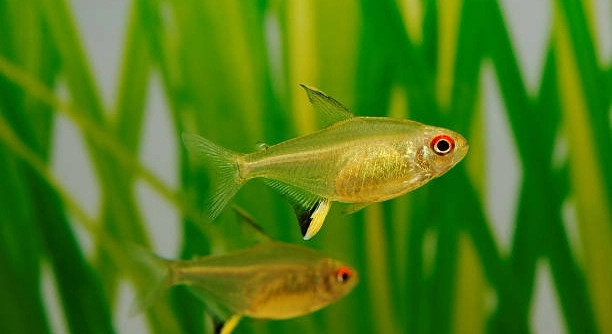
Lemon tetras are small, vibrant fish that brighten any aquarium with their golden hues and lively movements. Caring for them properly requires understanding their environment, especially how clean water and filtration can impact their overall health.
There are several types of filtration that support Lemon Tetra well, including sponge filters, hang-on-back filters, canister filters, internal filters, undergravel filters, corner filters, and power filters. Each type provides distinct benefits in water clarity, oxygenation, and waste removal.
Choosing the right filtration system ensures a stable and healthy aquarium environment, promoting the tetras’ well-being and allowing their natural colors to shine.
Sponge Filters
Sponge filters are a gentle and reliable option for Lemon Tetra tanks. They work by drawing water through a porous sponge, trapping debris and allowing beneficial bacteria to colonize the surface. This natural biological filtration helps break down harmful ammonia and nitrites, keeping water safe for your fish. Unlike strong power filters, sponge filters create minimal water flow, which is ideal for Lemon Tetras because they prefer calm waters. They are also simple to maintain; cleaning involves gently rinsing the sponge in tank water to preserve beneficial bacteria. Sponge filters are powered by an air pump, which also adds oxygen to the water, supporting the overall health of the tank. Many hobbyists find them effective for small to medium-sized aquariums. The low noise and gentle bubbling make them suitable for home settings, especially if the tank is in a quiet room. They are cost-effective, durable, and can last for many years with proper care.
Sponge filters offer both biological and mechanical filtration while maintaining gentle water flow for delicate fish. They are easy to clean and maintain.
Because they support beneficial bacteria growth, sponge filters help establish a stable ecosystem. Their minimal flow reduces stress on Lemon Tetras. They can be combined with other filtration systems for added efficiency. Proper sponge care ensures longevity and consistent performance, making them a practical choice for most freshwater tanks.
Hang-On-Back (HOB) Filters
HOB filters attach directly to the back of the aquarium and are easy to install. They draw water through filter media to remove debris and impurities.
These filters provide mechanical, chemical, and biological filtration in a single unit. They are efficient at clearing water quickly and can handle slightly larger tanks, making them a versatile choice. The flow rate is adjustable, which helps match the gentle water movement preferred by Lemon Tetras. Many HOB filters include compartments for sponges, activated carbon, or ceramic rings, allowing customization for your tank’s specific needs. Maintenance involves removing the filter media for rinsing or replacement, which keeps the system effective without disrupting the tank environment. They are convenient for hobbyists who want a reliable filtration system that does not require complicated setup. With consistent care, HOB filters can maintain water clarity and reduce the buildup of waste. Their design keeps equipment out of the main view, providing a clean and organized appearance. Overall, they are a practical choice for those seeking a combination of ease and efficiency in one unit.
Canister Filters
Canister filters sit outside the tank and pump water through multiple filtration media. They are powerful and ideal for larger Lemon Tetra aquariums. They provide mechanical, chemical, and biological filtration, keeping water crystal clear and maintaining stable conditions for delicate fish.
Canister filters can handle high volumes of water efficiently. Water passes through sponges, activated carbon, and bio-media, removing debris and toxins while supporting beneficial bacteria growth. The adjustable flow allows you to maintain gentle currents suitable for Lemon Tetras. Though setup can be more complex than other filters, the maintenance is manageable. Periodic cleaning ensures consistent performance, and their quiet operation makes them suitable for living spaces. Canisters are durable and long-lasting, offering a reliable solution for maintaining water quality over time. They are especially effective in tanks with heavy stocking or live plants, providing balanced filtration.
These filters are versatile and highly efficient. Their ability to combine different filtration types ensures a healthy, stable environment. With proper care, canister filters remain a dependable choice for years.
Internal Filters
Internal filters are submerged inside the aquarium and provide direct water filtration. They are compact, easy to install, and suitable for small to medium Lemon Tetra tanks.
They use mechanical sponges, activated carbon, and bio-media to clean the water while maintaining oxygenation. Internal filters create mild currents, reducing stress on delicate fish. They are easy to remove for cleaning without disturbing the tank. Adjustable flow allows customization to match your fish’s preference. Some models also include aeration features, which enhance oxygen levels. Internal filters are cost-effective and efficient, offering steady performance for freshwater tanks. They are ideal for aquariums with limited space or simple setups. The straightforward design and easy maintenance make them a practical solution for consistent water quality, supporting the tetras’ health and activity levels.
Using an internal filter ensures a balanced aquatic environment. Regular cleaning maintains performance, prevents clogging, and supports healthy bacterial colonies, keeping your Lemon Tetras thriving.
Undergravel Filters
Undergravel filters sit beneath the substrate and pull water through gravel, trapping debris. They encourage beneficial bacteria growth, promoting biological filtration.
They create gentle water movement, which suits Lemon Tetras. Maintenance involves vacuuming the gravel and ensuring proper airflow to prevent clogging and maintain efficiency.
Corner Filters
Corner filters are small, compact units placed in the tank’s corner. They use sponges and bio-media to clean the water efficiently. These filters are suitable for small tanks or as supplemental filtration, providing steady water flow without stressing the fish.
Power Filters
Power filters are external or internal units with strong flow. They offer mechanical, chemical, and biological filtration. Regular maintenance is essential to prevent buildup and ensure consistent performance. These filters are effective in medium to large tanks and maintain clear water for Lemon Tetras.
FAQ
What is the best filtration type for a small Lemon Tetra tank?
For a small tank, sponge filters and internal filters are often the most practical. They provide gentle water flow, which Lemon Tetras prefer, and support biological filtration without taking up much space. Regular cleaning keeps them efficient and safe for delicate fish.
Can I combine different filtration types for my Lemon Tetra aquarium?
Yes, combining filters can improve water quality. For example, a sponge filter paired with a small HOB or internal filter ensures both gentle flow and effective debris removal. This setup maintains stable conditions while supporting beneficial bacteria and reducing waste buildup.
How often should I clean the filter?
Cleaning depends on the type and tank size. Sponge and internal filters usually need rinsing every two to four weeks, while HOB and canister filters may require media replacement monthly. Always rinse filter media in tank water to preserve beneficial bacteria.
Will strong water flow stress Lemon Tetras?
Yes, Lemon Tetras prefer calm water. Strong currents from power filters can cause stress, reduce swimming efficiency, and affect feeding. Using adjustable flow settings or combining gentle filters can create a comfortable environment without compromising filtration efficiency.
Do I need chemical filtration like activated carbon?
Chemical filtration helps remove odors, discoloration, and some toxins but is not always essential for small, lightly stocked tanks. It is more useful in larger tanks, tanks with live plants, or if using tap water with impurities. Carbon should be replaced regularly to remain effective.
Are undergravel filters still effective?
Undergravel filters provide biological filtration and gentle water movement but may be less effective in heavily stocked tanks. Regular gravel cleaning is necessary to prevent debris buildup. They work best in combination with other filters to maintain clarity and stability.
How do canister filters compare to HOB filters?
Canister filters are more powerful and suitable for larger tanks, handling higher water volume and providing customizable filtration media. HOB filters are simpler to maintain and ideal for medium tanks. Both support mechanical, biological, and chemical filtration but differ in flow strength and installation.
Can filter maintenance affect fish health?
Yes, improper maintenance can harm fish. Cleaning filters too aggressively or replacing all media at once can remove beneficial bacteria, causing ammonia spikes. Gentle rinsing and staggered media replacement help maintain water stability and prevent stress for Lemon Tetras.
What signs indicate a filter is not working properly?
Cloudy water, unusual odors, visible debris, or stressed fish are indicators. Reduced water flow, strange noises, or leaking also suggest maintenance is needed. Timely inspection and cleaning keep filtration effective and ensure a healthy tank environment.
Is aeration important alongside filtration?
Aeration enhances oxygen levels, supporting fish health and beneficial bacteria. Sponge filters and some internal filters provide mild aeration, while HOB and canister filters often create surface agitation. Proper oxygenation ensures tetras remain active and vibrant.
Can I use a filter in a heavily planted tank?
Yes, but choose gentle flow filters to avoid disturbing plants. Sponge filters, internal filters, or adjustable HOB filters are ideal. Avoid strong currents that uproot plants, while still maintaining clear water and stable biological conditions.
How long do filters typically last?
With proper care, sponge and internal filters can last several years, while HOB and canister filters may last five to ten years. Regular maintenance and replacing worn parts extend their lifespan, ensuring consistent water quality for Lemon Tetras.
Are corner filters sufficient for multiple Lemon Tetras?
Corner filters work well for small or lightly stocked tanks but may be inadequate for larger groups. They are best as supplemental filtration combined with another type to maintain water clarity and reduce stress.
Do Lemon Tetras prefer a specific filtration location in the tank?
Filters should be positioned to create gentle water flow without strong currents in swimming areas. Sponge and corner filters are unobtrusive, while HOB and internal filters can be placed at the back or sides to minimize disruption.
Can I leave a filter running continuously?
Yes, filters should run 24/7 to maintain water quality. Sudden shutdowns can cause waste buildup, reduced oxygen, and stress. Regular monitoring ensures the filter functions properly without interruption.
Does filter size matter for Lemon Tetra tanks?
Yes, filter size should match tank volume. Underpowered filters struggle to remove waste efficiently, while oversized filters can create strong currents. Choosing the right size ensures proper water turnover and a stable, healthy environment.
Can filters help prevent fish disease?
Proper filtration reduces ammonia and nitrites, lowering stress and susceptibility to disease. It does not replace quarantine or proper feeding but is essential for maintaining a clean and stable environment that supports fish immunity.
Are DIY filtration systems effective?
DIY systems can work if designed carefully, providing mechanical and biological filtration. However, they require monitoring to ensure proper water flow, oxygenation, and stability. Commercial filters are usually more reliable for consistent results.
How do I know if my filter is too strong for my Lemon Tetras?
Signs include fish constantly swimming against the current, hiding, or showing stress behaviors. Adjust flow or use flow-reducing attachments to create a gentle environment suitable for delicate tetras.
Can I use multiple sponge filters in one tank?
Yes, multiple sponge filters improve circulation and biological filtration, especially in larger tanks. They create gentle currents, increase oxygenation, and reduce waste, supporting a stable and healthy environment for Lemon Tetras.
Is it necessary to turn off filters during water changes?
It is not usually necessary unless cleaning or maintenance is involved. Keeping the filter running ensures continuous circulation, reduces ammonia spikes, and maintains oxygen levels during partial water changes.
Can filters remove uneaten food efficiently?
Yes, mechanical filtration captures debris and uneaten food, preventing decay. However, regular feeding practices and manual removal complement filtration, ensuring cleaner water and healthier Lemon Tetras.
How do I prevent clogging in my filter?
Rinse filter media in tank water periodically and avoid overfeeding. Combining multiple filtration types can reduce strain on a single unit and prevent buildup, maintaining consistent water flow.
Do filters make noise that stresses fish?
Most modern filters run quietly. Sponge and internal filters produce minimal noise, while HOB and canister filters may generate slight hums. Positioning the filter and adjusting flow can reduce disturbances for sensitive Lemon Tetras.
How do I choose between chemical, mechanical, and biological filtration?
A balanced approach works best. Biological filtration supports bacteria to process waste, mechanical filtration removes debris, and chemical filtration manages impurities. Selecting filters that combine these functions ensures clear water and a stable, healthy tank.
Can filters handle cloudy water from new setups?
Filters help but may not clear initial cloudiness caused by substrate particles or bacterial blooms. Patience, regular maintenance, and proper cycling allow filters to stabilize water clarity effectively over time.
What is the lifespan of sponge media?
Sponges can last several years if cleaned properly. Avoid using tap water with chlorine, which can kill beneficial bacteria. Regular gentle rinsing in tank water preserves efficiency and extends their usefulness.
Do Lemon Tetras need any special filtration considerations?
They prefer gentle currents, stable water parameters, and efficient biological filtration. Avoid strong flows or filters that disturb plants and substrate. Combining sponge, internal, or HOB filters often creates the optimal balance for these delicate fish.
How do I know when to replace filter media?
Signs include reduced flow, odor, or visibly worn media. Replace carbon monthly, sponges every few years if degraded, and other media as recommended by the manufacturer to maintain filtration performance.
Are filters necessary in low-stock tanks?
Yes, even a few Lemon Tetras produce waste. Proper filtration ensures clean water, reduces toxins, and maintains stable conditions, supporting health and longevity in smaller setups.
Can filters help with algae control?
Indirectly, yes. By removing excess nutrients and debris, filters reduce conditions that promote algae growth. Proper maintenance and regular water changes complement filtration for better algae management.
Do filters affect water temperature?
Generally, no. Most filters do not alter temperature, but they help circulate water evenly, preventing hot or cold spots in the tank, which supports a stable environment for Lemon Tetras.
Is it okay to leave a filter running during power outages?
Filters will stop during outages, but this is usually short-term. Avoid turning them off manually unless necessary. Once power returns, check water parameters and restart the filter to maintain stability.
How can I optimize filter performance for a planted tank?
Use gentle flow filters like sponges or adjustable HOBs to avoid disturbing plants. Clean media carefully to preserve bacteria and ensure proper oxygenation, keeping both fish and plants healthy.
What are common mistakes with filtration for Lemon Tetras?
Overpowered flow, irregular maintenance, removing all media at once, and overfeeding are common issues. These can stress fish, reduce beneficial bacteria, and lead to poor water quality. Consistent care prevents problems and maintains a healthy tank environment.
Can filters remove tannins from driftwood?
Some chemical filtration, like activated carbon, can reduce tannins slightly. Regular water changes are often more effective for controlling discoloration from driftwood while maintaining stable conditions.
Do filters impact the aquarium’s noise level?
Most are quiet, but some HOB or power filters may create slight hums or vibrations. Adjusting placement or using flow diffusers can minimize disturbances and maintain a calm environment for Lemon Tetras.
Are filter warranties important?
Yes, warranties provide coverage for defects and ensure replacement options. Reliable brands often include warranties, giving peace of mind while maintaining consistent filtration for your aquarium.
How do I balance filtration with feeding schedules?
Feed in small amounts to prevent excess debris. Filters will remove uneaten food, but moderation ensures water quality remains high and reduces strain on the filtration system.
Can filters remove fish waste entirely?
Filters capture particles but cannot eliminate all dissolved waste. Biological filtration is essential for processing ammonia and nitrites. Regular water changes complement filters to maintain a clean, safe environment.
How do I troubleshoot a filter that isn’t circulating water?
Check for clogs, air bubbles, or impeller issues. Clean or replace media as needed. Ensuring proper installation and routine maintenance keeps water circulating efficiently.
Do Lemon Tetras prefer any specific filter brand?
There is no specific brand preference. The focus should be on gentle flow, consistent filtration, and appropriate size. Reliable brands with adjustable settings generally work well for maintaining healthy conditions.
Are filters necessary for breeding Lemon Tetras?
Yes, filtration maintains water quality and stable conditions, which is important for spawning and raising fry. Gentle flow prevents stress while supporting healthy development.
Can filters remove medication from the water?
Some chemical filtration media, like activated carbon, can absorb medication. Remove or bypass carbon during treatment to ensure effectiveness. After treatment, resume normal filtration to maintain water clarity and quality.
How do I maintain multiple filters in one tank?
Coordinate cleaning schedules to avoid removing all beneficial bacteria at once. Stagger maintenance, rinse media gently in tank water, and monitor flow rates to maintain stable, healthy conditions for Lemon Tetras.
Do filters help with cloudy water after feeding?
Yes, mechanical filtration captures uneaten food and particles, reducing cloudiness. Frequent cleaning and moderation in feeding improve overall water clarity alongside filter performance.
Can filters prevent ammonia spikes?
Proper biological filtration converts ammonia into less harmful substances, reducing spikes. Regular maintenance and avoiding overfeeding further support stable water chemistry.
Are all filters safe for Lemon Tetra fry?
Some filters with strong currents may be unsafe for fry. Sponge filters or adjustable flow options are preferred, providing gentle filtration while protecting small, delicate fish.
Do filters affect water hardness or pH?
Most filters do not directly alter pH or hardness, but chemical media may slightly influence water chemistry. Regular testing ensures stable parameters suitable for Lemon Tetras.
Can filters help with sediment from tap water?
Mechanical and chemical filtration remove sediment and impurities. Using pre-filters or carbon media enhances clarity and reduces stress on fish.
How do I know if a filter is sufficient for my tank size?
Check the filter’s rated flow rate against tank volume. A filter with appropriate turnover ensures water cycles efficiently, maintaining stable, clean conditions for Lemon Tetras.
Is it okay to use a filter with live plants?
Yes, as long as the flow is gentle. Sponge, internal, or adjustable HOB filters work well without disturbing roots or delicate foliage, keeping plants and fish healthy.
Do filters remove odors from the aquarium?
Chemical filtration, like activated carbon, helps reduce odors caused by waste or uneaten food. Regular cleaning complements this, maintaining fresh water for Lemon Tetras.
Can filters be used in community tanks?
Yes, effective filtration maintains water quality in tanks with multiple species. Gentle flow filters ensure compatibility with delicate fish while supporting overall tank health.
How important is filter placement?
Placement affects water circulation and current strength. Position filters to create gentle flow without disturbing swimming areas, substrate, or plants, ensuring a comfortable environment for Lemon Tetras.
Can I upgrade my filter over time?
Yes, upgrading allows better filtration efficiency, flow control, and capacity as your tank size or stocking level changes. Gradual upgrades maintain stability while improving water quality.
Do filters consume a lot of electricity?
Most modern filters are energy-efficient. Power usage varies by type and size, but running a filter continuously is generally cost-effective compared to the benefits of maintaining clean water and healthy fish.
How can I extend the life of my filter?
Regular maintenance, gentle cleaning, and avoiding overfeeding help prevent clogs and wear. Using high-quality parts and following manufacturer instructions ensures longevity and consistent performance.
Are replacement parts easy to find?
For most popular filter brands, replacement media, impellers, and other components are widely available. Using compatible parts ensures proper function and extends the filter’s lifespan.
Do filters require priming?
Some filters, like HOB and canisters, may require priming to start water flow. Follow the manufacturer’s instructions for proper setup to ensure consistent performance and avoid damage to the unit.
Can filters help in controlling algae growth indirectly?
Yes, by removing excess nutrients and debris, filters reduce conditions that encourage algae. Combined with proper lighting and water changes, this helps maintain a balanced tank environment.
Is it necessary to monitor flow rates regularly?
Yes, flow rate affects fish comfort and filtration efficiency. Adjust as needed to maintain gentle currents for Lemon Tetras and ensure consistent water turnover.
Do filters remove dissolved organic compounds?
Chemical filtration, like activated carbon, absorbs dissolved organic compounds, helping maintain clear water. Regular replacement ensures effectiveness and supports a healthy aquarium environment.
How do I prevent airlocks in filters?
Check tubing and connections regularly. Ensure proper priming for canister and HOB filters. Small air bubbles can reduce efficiency but are generally easy to fix with routine monitoring.
Can filters handle sudden increases in waste?
Filters can manage moderate increases, but excessive waste from overfeeding or high stocking may overwhelm the system. Frequent maintenance and partial water changes help prevent water quality issues.
Are filters safe for other small fish species in a community tank?
Yes, as long as flow is appropriate. Sponge, internal, or adjustable HOB filters suit most small freshwater species, including Lemon Tetras, without causing stress or harm.
Do filters affect water clarity immediately?
Mechanical and chemical filtration often improve clarity quickly, but biological filtration takes time. Patience and proper maintenance allow filters to maintain stable, clean water over the long term.
Can filters help reduce stress in fish?
Yes, by maintaining stable water conditions, proper oxygenation, and gentle flow, filters create an environment that minimizes stress, supporting the health and activity of Lemon Tetras.
Do filters require special care during tank moves?
Filters should be carefully disconnected, media preserved, and reinstalled promptly to avoid loss of beneficial bacteria. Proper handling ensures continuous filtration and water stability.
Can filters prevent fin rot and other infections?
While filters do not directly cure disease, maintaining clean, well-oxygenated water reduces the risk of bacterial and fungal infections, supporting overall fish health.
Are corner filters sufficient for breeding Lemon Tetras?
They provide gentle flow but may not fully support larger tanks or heavily stocked breeding setups. Combining with another filter type ensures stable conditions for successful spawning.
Do filters need adjustments for seasonal changes?
Flow and maintenance schedules may need slight adjustments to accommodate temperature fluctuations or seasonal feeding patterns, maintaining consistent water quality for Lemon Tetras.
Can I use a single filter for multiple small tanks?
It is generally not recommended. Each tank requires its own filtration system to maintain stable water chemistry and ensure adequate flow for all fish.
Do filters reduce the need for water changes?
Filters improve water quality but do not replace regular water changes. Partial water changes are essential for removing dissolved waste, replenishing minerals, and maintaining stability.
How do I test filter effectiveness?
Monitor water clarity, ammonia, nitrite, and nitrate levels regularly. Observing fish behavior and flow rates also indicates whether the filter performs optimally and maintains a healthy environment.
Are filters compatible with saltwater tanks for Lemon Tetras?
Lemon Tetras are freshwater fish, so saltwater setups are not applicable. However, similar filtration principles apply for freshwater community tanks with other species.
Can filters handle fluctuating tank temperatures?
Filters do not directly control temperature but help circulate water evenly, preventing hot or cold spots. Additional heaters or chillers maintain proper thermal conditions.
Do filters remove floating debris effectively?
Mechanical filtration captures debris, uneaten food, and waste particles. Combined with skimming and occasional siphoning, this ensures clear water and reduces stress on Lemon Tetras.
Can filters be left unattended during vacations?
Yes, filters maintain water circulation and oxygenation while you are away. Ensure they are functioning properly before leaving and avoid overfeeding beforehand to prevent water quality issues.
Are battery-operated filters reliable?
Battery-powered filters work temporarily but may not provide consistent flow for long periods. They are best used as emergency backup rather than a primary filtration solution.
Can filters support live plants and fish simultaneously?
Yes, gentle filters like sponge, internal, or adjustable HOB units maintain water quality without disturbing roots or delicate foliage, creating a balanced environment for both plants and Lemon Tetras.
How do I handle filter noise in quiet spaces?
Position filters on soft surfaces or use flow diffusers to minimize vibrations. Most modern units are quiet, but minor adjustments can reduce noise further, maintaining a peaceful tank environment.
Do filters need regular inspections even if the water looks clear?
Yes, clear water does not always indicate optimal filtration. Regular inspection of flow, media condition, and fish behavior ensures long-term stability and health.
Can filters reduce odors from uneaten food?
Activated carbon and regular mechanical filtration remove particles that produce odors. Combining filtration with proper feeding practices maintains fresh-smelling water.
**Do Lemon Tetras interact with
Final Thoughts
Maintaining a healthy aquarium for Lemon Tetras depends greatly on proper filtration. Clean water is essential for their well-being, as it reduces stress and prevents diseases caused by poor water quality. Choosing the right type of filter ensures the tank remains clear and safe while supporting the fish’s natural behavior. Filters such as sponge, HOB, canister, and internal units each provide different benefits. Gentle flow is particularly important, as Lemon Tetras are small, delicate fish that can become stressed in strong currents. Effective filtration also promotes oxygenation and supports the growth of beneficial bacteria, which naturally process waste and keep water parameters stable. By understanding the advantages of each filter type, you can select a system that suits your tank size, fish population, and overall setup, creating a balanced environment where your tetras can thrive. Proper placement and maintenance of the filter are equally important, as these factors affect the efficiency of water circulation and cleanliness.
Regular maintenance is a key aspect of successful aquarium care. Cleaning the filter media, monitoring flow rates, and checking for blockages help ensure consistent performance. Neglecting maintenance can lead to debris buildup, ammonia spikes, and cloudy water, which stress the fish and can harm their health over time. Different filters require different approaches: sponge filters need gentle rinsing, HOB and internal filters may require partial media replacement, and canister filters benefit from periodic cleaning of the tubing and impellers. Observing your Lemon Tetras’ behavior provides clues about water quality and filter performance. Healthy, active fish with bright coloration usually indicate a well-maintained tank and properly functioning filtration. Combining routine maintenance with careful feeding practices and regular water changes maximizes the effectiveness of any filtration system and helps maintain a stable and comfortable habitat for your fish.
Choosing the right filtration setup ultimately enhances both the health of your Lemon Tetras and the overall enjoyment of keeping an aquarium. Consistent care, monitoring, and adjustment based on the tank’s needs create a reliable system that supports long-term fish health. Filtration not only removes waste and debris but also helps maintain balanced water chemistry, which is essential for fish growth, breeding, and overall vitality. While some filters may require a higher initial investment or more frequent attention, the benefits in water quality, fish comfort, and stress reduction are significant. Each type of filter has its own strengths and limitations, so matching the right system to your specific tank ensures efficient performance. By prioritizing filtration and following proper maintenance practices, Lemon Tetras can live in a stable, clean, and well-oxygenated environment. This provides a healthy and attractive aquarium where the tetras’ natural colors and behaviors can be observed and enjoyed over time.

Hello,
If you enjoy the content that we create, please consider saying a "Thank You!" by leaving a tip.
Every little bit helps us continue crafting quality advice that supports the health, happiness, and well-being of pets around the world, for pets of all shapes, sizes, and species.
We really appreciate the kindness and support that you show us!