
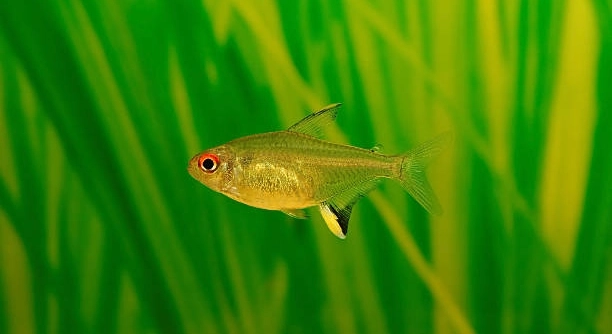
Are your lemon tetras suddenly staying at the bottom of the tank or floating unusually? Observing their behavior can be worrying for any fish owner. Understanding the reasons behind this change is important for their health and wellbeing.
Lemon tetras may stop swimming due to water quality issues, temperature fluctuations, lack of oxygen, disease, stress, improper diet, or injuries. Identifying the specific cause is crucial for taking corrective measures and restoring normal swimming behavior.
Addressing these factors promptly can prevent long-term health problems for your tetras and improve their overall activity and vitality.
Water Quality Problems
Poor water quality is one of the main reasons lemon tetras stop swimming. High levels of ammonia, nitrites, or nitrates can stress fish, making them lethargic or causing them to cling to the bottom. Uneven pH levels or uncycled tanks also create an unstable environment. Regular water testing is essential. Changing 20-30% of the water weekly can maintain balance. Avoid using soaps or chemicals that harm fish. Filter maintenance is equally important, as a clogged filter reduces water circulation and oxygen levels. Even slight water temperature swings can affect fish behavior. Observing your tetras daily helps catch problems early. Water clarity is not always a true indicator of safety; clear water can still harbor dangerous chemicals. Keeping track of all parameters ensures a stable and healthy environment. Your tetras rely on consistent conditions to remain active and healthy.
Regular water checks and timely maintenance can prevent swimming issues and support overall fish health.
Monitoring water quality consistently protects your lemon tetras and allows early correction of potential problems, keeping them active and stress-free.
Temperature Fluctuations
Sudden changes in water temperature can shock lemon tetras and reduce their swimming activity.
Maintaining a stable 23-27°C (73-81°F) range is ideal. Avoid placing the tank near heaters, windows, or air conditioners that cause temperature swings. Using a reliable aquarium heater with a thermostat ensures consistent warmth. Even small daily fluctuations can increase stress and vulnerability to disease. Rapid changes slow metabolism, leading to lethargy. Gradually acclimating new fish to the tank reduces the risk of shock. Monitoring the thermometer daily can prevent unnoticed dips or spikes. Combining stable temperature with proper water quality creates an optimal environment. Consistent conditions promote healthy swimming patterns and activity levels, allowing tetras to display natural behavior. Taking proactive steps ensures their comfort and vitality in the tank, preventing unnecessary stress and health issues. A steady environment benefits both new and established tetras.
Lack of Oxygen
Low oxygen levels make lemon tetras sluggish and reduce swimming activity. Proper aeration and water movement are essential to maintain healthy oxygen levels in the tank.
Using an air pump or adjusting the filter output can improve oxygen circulation. Plants can help oxygenate the water, but overcrowding reduces efficiency. Monitoring fish behavior can indicate low oxygen; gasping at the surface signals a problem. Avoid covering the tank completely, as limited surface exchange decreases oxygen intake. Regular water changes also maintain dissolved oxygen. Balancing oxygen levels ensures your tetras remain active and reduces stress, keeping them healthy.
Observing tank conditions daily helps prevent oxygen depletion. Adding floating plants may provide shelter without limiting surface access. Aeration devices should run consistently, especially in warmer months, as higher temperatures reduce oxygen solubility. Maintaining proper stocking levels ensures each fish receives enough oxygen. Consistent monitoring, combined with appropriate equipment, protects your tetras from lethargy and supports normal swimming behavior.
Disease or Infection
Lemon tetras may stop swimming due to bacterial, fungal, or parasitic infections. Symptoms include clamped fins, white spots, or unusual swimming patterns. Prompt identification is critical.
Quarantining sick fish prevents disease spread. Treatments vary depending on the infection type, including medicated baths or water additives. Maintaining clean tanks reduces the risk of recurring issues. Stress from poor water quality or temperature fluctuations can weaken immunity, making fish more susceptible. Regular observation helps detect early signs, allowing timely intervention. Isolating infected fish protects healthy tetras and prevents outbreaks. Combining proper care, clean water, and treatment measures restores normal activity.
Preventive measures include routine tank maintenance and avoiding overcrowding. Healthy diet and stable conditions strengthen immunity, reducing susceptibility. Disease management requires careful monitoring and appropriate treatment to return tetras to normal swimming. Prompt response and consistent care support recovery and long-term health, ensuring a stable and stress-free environment.
Stress from Tankmates
Aggressive or overly active tankmates can stress lemon tetras, causing them to hide or stop swimming. Peaceful community fish are ideal for their tank.
Providing plants, decorations, and hiding spots helps reduce stress. Observing interactions allows early detection of aggression.
Improper Diet
A poor diet weakens lemon tetras, affecting energy and swimming behavior. Balanced nutrition is essential for vitality and overall health.
Feeding a variety of high-quality flakes, micro-pellets, and occasional live or frozen foods ensures proper nutrient intake. Overfeeding or inconsistent schedules can lead to lethargy and digestive issues. Maintaining a consistent feeding routine and offering small portions prevents water quality issues and supports active swimming, helping tetras remain healthy and energetic.
Injuries or Physical Damage
Physical injuries from sharp decorations or rough handling can impair swimming ability.
Regularly inspect the tank for hazards and ensure gentle handling when moving fish or cleaning the tank.
FAQ
Why is my lemon tetra staying at the bottom of the tank?
This behavior often signals stress, illness, or poor water conditions. Low oxygen levels, incorrect temperature, or high ammonia and nitrate can make tetras lethargic. Observing other symptoms such as clamped fins, labored breathing, or discoloration helps identify the cause. Correcting water parameters and providing hiding spaces can encourage normal activity.
How do I improve oxygen levels in my aquarium?
Using an air pump, adjusting filter output, or adding water movement improves oxygen circulation. Live plants contribute to oxygenation, but overcrowding reduces efficiency. Partial water changes also increase dissolved oxygen. Observing fish for surface gasping is an effective early warning sign of low oxygen.
Can disease cause my tetras to stop swimming?
Yes. Bacterial, fungal, or parasitic infections can reduce activity. Symptoms include white spots, fin rot, unusual swimming patterns, or lethargy. Quarantining affected fish and applying appropriate treatments restores health. Preventive measures like maintaining clean water and reducing stress support long-term immunity.
What dietary changes can help?
Feeding high-quality flakes, micro-pellets, and occasional live or frozen foods ensures proper nutrition. Overfeeding or irregular schedules can cause lethargy. Small, frequent feedings maintain energy and prevent digestive issues. A balanced diet combined with stable water conditions supports active swimming.
How do I reduce stress from tankmates?
Keep lemon tetras with peaceful, non-aggressive species. Overcrowding or aggressive fish increases stress and reduces swimming. Adding plants, decorations, or hiding spots helps fish feel secure. Observing interactions allows you to separate aggressive individuals early and maintain a calm environment.
Can water temperature affect swimming activity?
Yes. Lemon tetras prefer 23-27°C (73-81°F). Sudden fluctuations or prolonged exposure outside this range can slow metabolism and cause lethargy. Using a reliable heater with a thermostat and monitoring daily ensures stable conditions and encourages normal swimming patterns.
What should I do if my tetra is injured?
Inspect the tank for sharp decorations or rough surfaces. Isolate injured fish to prevent further harm. Maintain clean water and monitor the healing process. Minor injuries often recover with proper care, but severe damage may require veterinary advice or specialized treatments.
How often should I test water quality?
Test water weekly for ammonia, nitrites, nitrates, and pH. Regular monitoring identifies problems early. Maintaining stable parameters through partial water changes, filter upkeep, and careful feeding prevents stress and supports healthy, active tetras.
Can overcrowding affect swimming behavior?
Yes. Too many fish reduce space, increase stress, and lower oxygen levels. Following recommended stocking guidelines ensures each tetra has sufficient room to swim. Proper tank size and compatible species promote a harmonious, active aquarium environment.
Are there signs that indicate a serious problem?
Lethargy, clamped fins, unusual swimming, discoloration, gasping, or loss of appetite are warning signs. Early intervention through water testing, quarantine, treatment, and environmental adjustments prevents long-term health issues. Consistent observation and care ensure tetras remain active and healthy.
Lemon tetras are small, active fish that bring life and color to any aquarium. Their swimming behavior is a clear indicator of their health and comfort. When a tetra stops swimming or remains near the bottom, it is a signal that something in its environment may be affecting its well-being. Water quality, temperature, oxygen levels, and stress from other tankmates all play a significant role in their activity. Consistently monitoring these factors helps prevent issues before they become serious. Regular observation allows you to notice small changes in behavior, which can be an early warning sign of a problem. Even minor adjustments, such as removing aggressive tankmates or providing more hiding spots, can restore a tetra’s normal swimming patterns. Maintaining a stable and clean environment benefits all fish in the tank and ensures their long-term health.
Diet and nutrition are equally important for keeping lemon tetras active and healthy. A balanced diet consisting of high-quality flakes, micro-pellets, and occasional live or frozen foods provides essential nutrients and energy. Overfeeding or inconsistent feeding schedules can lead to lethargy and digestive problems, which in turn affect swimming behavior. Monitoring portions and offering small, frequent meals encourages natural activity while preventing excess waste, which can harm water quality. Supporting proper nutrition combined with stable tank conditions strengthens their immune systems, making them less susceptible to disease. Additionally, understanding the specific needs of lemon tetras, such as their preferred temperature range and peaceful nature, helps create an environment where they feel secure and comfortable. This reduces stress and allows the fish to display normal behavior, including regular swimming and interaction with their tankmates.
Injuries, illness, or environmental stressors can affect lemon tetras, but prompt action often leads to recovery. Quarantining sick fish, treating infections properly, and maintaining clean, oxygen-rich water are essential steps to restore their health. Small changes in tank setup, such as adjusting temperature, removing sharp objects, or improving aeration, can significantly improve their comfort and activity levels. Paying attention to daily behavior and noting any irregularities ensures issues are addressed before they escalate. Preventive care, including consistent water testing, proper diet, and observing interactions among tankmates, reduces the likelihood of serious problems. Taking these steps helps your lemon tetras remain active, vibrant, and healthy. By focusing on consistent care and monitoring, you create a stable environment where your fish can thrive, swim freely, and enjoy a long, stress-free life in their tank.

Hello,
If you enjoy the content that we create, please consider saying a "Thank You!" by leaving a tip.
Every little bit helps us continue crafting quality advice that supports the health, happiness, and well-being of pets around the world, for pets of all shapes, sizes, and species.
We really appreciate the kindness and support that you show us!