
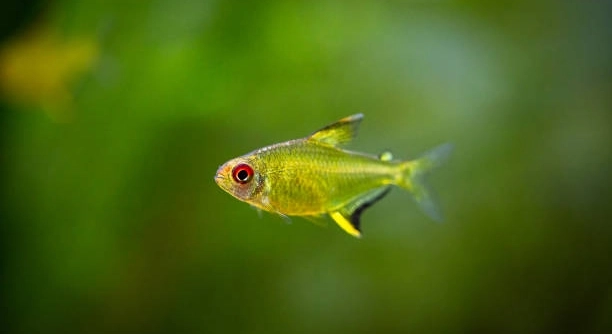
Many aquarists think about adding Lemon Tetra to brighten their tanks, often finding themselves considering how these small fish might fit into their current setup and daily care routines in a simple and gentle way.
Evaluating tank size, water parameters, community compatibility, feeding demands, stress tolerance, quarantine needs, and long term maintenance helps determine whether Lemon Tetra will thrive in your aquarium. These factors guide responsible planning and reduce potential issues before introducing this species.
These insights guide you toward a smoother aquarium experience, helping Lemon Tetra settle comfortably while supporting a stable tank environment.
Tank Size Requirements
Choosing the right tank size for Lemon Tetra is essential because these fish rely on open swimming space and stable conditions to stay comfortable. A small group does best in a tank that offers enough room for steady movement, gentle planting, and predictable water flow. When space is tight, their behavior can shift in ways that make the tank feel tense, so giving them a wider area helps keep them relaxed. A larger tank also holds its temperature and water chemistry more consistently, which reduces stress on such delicate fish. Many keepers overlook how quickly waste builds up in smaller tanks, and this can affect the fish before you even notice the change. By planning for a tank that supports a peaceful space, you set the tone for a calm and healthy setup. Thinking ahead with your tank size lets the fish adjust gently without unnecessary pressure in daily care.
A tank that gives Lemon Tetra enough room helps maintain stable behavior and smoother swimming patterns. Adequate space lowers stress and prevents crowding issues that appear in tight setups. With the right dimensions, the fish settle more easily and show their natural schooling movements without constant disruption in your aquarium.
Planning appropriate tank size also supports long term upkeep because larger volumes handle waste and minor fluctuations with greater stability. Lemon Tetra respond well to consistent surroundings, and extra room reduces sudden changes that may unsettle them. When you choose a wider tank, you also create better circulation, which helps distribute warmth and oxygen more evenly. This balance benefits the fish and the plants you include for shelter. It also makes routine cleaning simpler since debris spreads out rather than piling up in tight corners. With thoughtful sizing, you create a calmer environment that supports steady growth and schooling behavior.
Water Parameters and Stability
Stable water parameters are essential for keeping Lemon Tetra comfortable, since these fish depend on predictable conditions to stay calm. Consistent temperature, pH, and hardness prevent stress while supporting healthy coloration and steady schooling behavior throughout their daily routine. Reliable stability helps them maintain energy and settle in shared tanks.
Maintaining proper water conditions for Lemon Tetra means keeping temperature, pH, and hardness within ranges that support steady behavior and smooth adaptation. These fish are sensitive to abrupt shifts, so a stable setup protects them from unnecessary stress. Regular testing allows you to correct minor changes before they affect the group. Slight adjustments made early prevent larger issues later, especially in tanks with mixed species that may influence chemistry through waste production and feeding habits. Good filtration plays a major role because it removes excess waste and helps maintain clarity, allowing the fish to move without irritation. Gentle flow is also useful since it keeps oxygen distributed evenly without overwhelming their delicate bodies. When you care for the water consistently, the fish react by displaying brighter color and tighter schooling patterns. This shows that they feel secure in their environment. Clean water also supports plant health, which adds shelter and softens the overall look of the tank. Consistent monitoring helps you understand how the tank responds to feeding and lighting changes, giving you control over stability.
Community Compatibility
Lemon Tetra settle best with peaceful tank mates that share similar behavior and water needs. Choosing calm species helps prevent stress, since active or territorial fish can disrupt their schooling patterns. A gentle mix supports better feeding, cleaner movement, and a more predictable daily routine.
Selecting compatible species reduces tension in the tank and keeps Lemon Tetra focused on steady schooling rather than avoiding aggressive neighbors. Peaceful companions like small rasboras, other mild tetras, and bottom dwellers create a stable atmosphere. This balance helps reduce competition during feeding and lowers the chance of fin nipping. Matching water requirements ensures everyone benefits from the same temperature and pH, reducing sudden adjustments that may trouble sensitive fish. Careful planning also prevents overcrowding, which can quickly lead to stress. When you choose calm species with similar habits, the tank feels more coordinated and the fish return to their natural patterns.
Keeping community harmony also means avoiding species that move too quickly or behave unpredictably. Large or pushy fish may interrupt schooling, making Lemon Tetra hide more often and lose confidence. Observing behavior after introducing new tank mates helps you understand if the group feels safe or pressured. Balanced feeding routines also matter, since fast eaters may outcompete the tetras for food. Offering small, frequent meals allows everyone to eat without rushing. Plants, driftwood, and soft lighting help ease interactions between species, giving each group a place to retreat when needed. Thoughtful stocking choices lead to a calmer aquarium with fewer conflicts.
Feeding Demands
A consistent feeding routine helps Lemon Tetra stay active and comfortable, since their small size and gentle nature require predictable meals. Light flakes, fine pellets, and tiny frozen foods give them enough nutrition while keeping their behavior steady during feeding time.
Providing balanced meals helps maintain their energy, coloration, and smooth swimming patterns. These fish eat small foods that drift slowly, allowing them to catch pieces without aggressive competition. Mixing flakes with micro pellets and occasional treats like baby brine shrimp creates a well rounded diet. It is helpful to keep portions modest, since overfeeding quickly affects water quality and unsettles the group. Small feedings twice a day work well for most tanks. Some keepers also use feeding rings to keep food organized in one place, which helps avoid scattered waste. When the diet stays consistent, the fish respond with stronger color, tighter schooling, and calmer movement through the tank.
Stress Tolerance
Lemon Tetra respond poorly to sudden changes, so stable lighting, gentle flow, and predictable routines help keep them calm. Even small disruptions can affect their confidence, making it important to maintain steady conditions throughout the day to support their natural behavior.
A quiet environment with minimal tapping and reduced quick movements near the tank also helps them stay relaxed. These fish feel safer when they can school without interruption, and steady surroundings let them move smoothly. Careful monitoring allows you to catch early signs of stress before they escalate.
Quarantine Needs
Quarantining new fish protects the main tank from issues that may appear after purchase. A separate space lets you watch for subtle signs of trouble, adjust feeding, and confirm that newcomers eat well. This extra step reduces risk and helps every fish start off in stable conditions.
Long Term Maintenance
Regular water changes, filter upkeep, and consistent testing support the long term comfort of Lemon Tetra. These tasks prevent hidden shifts that slowly unsettle sensitive species. Keeping the tank clean and predictable helps them maintain color, energy, and smooth schooling patterns while reducing unnecessary stress.
FAQ
How many Lemon Tetra should be kept together for healthy behavior?
Lemon Tetra feel safer and more confident in groups, and keeping at least six helps them maintain proper schooling patterns. Larger groups often look smoother because the fish follow each other naturally, creating a calmer atmosphere. When kept in very small numbers, they may become nervous or hide more often. A bigger group spreads out attention, lowering stress and helping each fish interact in a predictable way. This also supports better feeding since they behave more consistently when surrounded by companions. Giving them enough room to move together helps their schooling appear more fluid and controlled.
What tank size works best for maintaining stable movement and comfort?
A setup that offers enough space for swimming helps Lemon Tetra stay relaxed. A longer tank is useful because it supports their tendency to move side to side in a steady rhythm. Small tanks can feel cramped, making them change direction too abruptly. Choosing a tank with enough length also helps water conditions remain steady, since more water volume handles small changes with less impact. This stability plays a major role in keeping them comfortable day to day. With enough room, their color appears brighter, and their behavior becomes more predictable.
How often should water parameters be tested to keep them stable?
Testing once or twice each week helps you catch changes before they affect the group. Lemon Tetra react quickly to shifts in temperature, pH, or hardness, so keeping a routine makes upkeep much easier. Regular testing also helps you understand how the tank responds to feeding, lighting, and plant growth. When you see changes early, you can fix them gently without stressing the fish. Their comfort depends on consistent surroundings, so establishing this habit adds stability to the tank. Over time, the readings become easier to interpret, and you can refine your maintenance rhythm.
What foods help support their natural movement and steady energy?
Small floating or slowly sinking foods work best because Lemon Tetra prefer gentle feeding. Flakes, micro pellets, and tiny frozen items keep their digestion smooth and their energy even. These fish do not compete aggressively, so offering manageable portions helps them eat without rushing. Mixing foods during the week introduces variety, which supports healthy coloration and steady swimming behavior. Simple feeding routines also prevent waste buildup, since extra food affects water clarity quickly. When feeding stays consistent, their school moves in a more unified pattern. Balanced nutrition encourages them to explore the tank calmly.
What signs show that a Lemon Tetra may be stressed or unsettled?
Changes in schooling behavior are often the first sign. When a fish leaves the group, hides, or moves more erratically, it may feel unsafe or pressured by water conditions. Pale color, quick breathing, or unusual stillness also point to discomfort. These signs appear slowly at first, so observing daily patterns helps you catch them early. Stress can come from sudden lighting changes, noisy surroundings, or fast tank mates. Working on stability usually helps the fish return to normal behavior. When conditions improve, their movements become smooth again, and the school regains its usual rhythm.
Can Lemon Tetra live with more active species without feeling pressured?
They do best with calm companions, since very active fish may disrupt their movements. Fast species can push them into hiding or create stressful feeding conditions. Choosing gentle tank mates allows the group to swim normally without tension. When the tank feels balanced, their color stays bright, and their movement remains coordinated. Avoiding large or territorial fish reduces conflict and makes upkeep easier. Peaceful communities help them maintain their natural patterns and stay comfortable. With the right companions, the entire tank feels calmer.
How important is lighting when keeping Lemon Tetra stable and comfortable?
Soft lighting keeps their color natural and reduces sudden reactions. Very harsh lighting can make them nervous, while dim setups help them feel settled. Plants help break up the light and create shaded areas that the school moves through with more confidence. Lighting that stays consistent throughout the day prevents abrupt shifts that may startle them. When the lighting is balanced, their behavior stays steady, and the tank feels more peaceful. This gentle approach supports long term comfort and better schooling.
Final Thoughts
Keeping Lemon Tetra comfortable depends on steady care, a calm layout, and predictable routines that support their natural behavior. These fish respond strongly to stability, so every choice you make shapes how they move, eat, and interact. A peaceful tank gives them confidence, and confidence helps them show their best colors. When their environment stays consistent, their schooling becomes smooth and coordinated, and they explore the space without hesitation. This sense of safety comes from thoughtful planning, like choosing the right tank size, selecting gentle companions, and giving them balanced meals that match their needs. Even the smallest change can affect their comfort, so paying attention to daily patterns helps you understand what works and what may need adjustment. With time, these habits become second nature, and the tank settles into a predictable rhythm that benefits the fish and makes care simpler for you.
Understanding their sensitivity also helps you avoid stressful situations before they develop. Many issues come from quick changes in temperature, lighting, or water quality, so keeping everything steady is the best way to protect them. Regular testing helps you track small fluctuations and correct them early, which keeps the fish from experiencing sudden shifts that might unsettle them. Watching how they behave around tank mates is equally important, since community pressure can influence their mood and movement. When they feel crowded or challenged, their schooling becomes loose, and they may hide more often. Choosing calm species prevents these problems and creates a balanced atmosphere that supports their natural rhythm. Plants, gentle flow, and soft lighting work together to create a stable environment, giving them a simple and predictable setting where they can move without tension. This kind of attention to detail builds a tank that stays comfortable long term.
Caring for Lemon Tetra becomes easier when you see how each part of the tank affects their behavior. Their needs are not difficult, but they do require consistency, patience, and gentle adjustments rather than big changes. Over time, you build a space where the fish can settle, and their daily patterns help guide your routine. A tank that stays clean, peaceful, and stable allows them to show their natural schooling and stay active without stress. When everything supports their comfort, they respond with brighter color, calmer movement, and steady interaction with the group. This creates a tank that feels serene and enjoyable to watch. Focusing on predictability and gentle care ensures that both you and the fish benefit from a space designed with their needs in mind, making long term keeping more rewarding and more stable.

Hello,
If you enjoy the content that we create, please consider saying a "Thank You!" by leaving a tip.
Every little bit helps us continue crafting quality advice that supports the health, happiness, and well-being of pets around the world, for pets of all shapes, sizes, and species.
We really appreciate the kindness and support that you show us!