
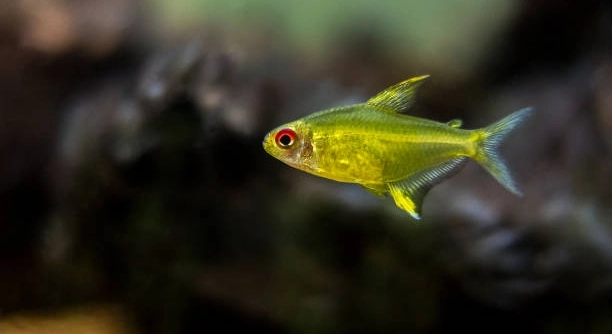
Is your lemon tetra constantly circling in its tank, creating a restless whirl of movement? This unusual behavior can catch any fish owner’s attention. Observing your pet carefully is important to understand the cause and maintain its well-being.
Constant circling in lemon tetras is often linked to stress, poor water quality, or neurological issues. Ensuring proper tank conditions, consistent water parameters, and a balanced diet can help minimize this behavior and promote normal swimming patterns.
Identifying the underlying cause early ensures your tetra’s health remains stable and supports a peaceful, thriving aquarium environment.
Understanding Lemon Tetra Behavior
Lemon tetras are active, small fish that thrive in calm, well-maintained aquariums. Observing your tetra’s movement patterns is key to identifying any irregularities. Circling is not always a sign of illness but can indicate stress or discomfort. Changes in water temperature, pH levels, or tank companions can affect their swimming. Overcrowding or sudden shifts in the environment can make them restless, causing repetitive motion. A stable routine with minimal disturbances helps them adjust and feel secure. Their diet also influences behavior. Providing a variety of high-quality flakes, pellets, and occasional live or frozen food ensures they receive proper nutrition. Even small deficiencies can cause nervous swimming or lethargy. Paying attention to their body condition, coloration, and social interactions with other tetras gives insight into their overall health. Regular observation allows you to spot issues early before they become serious problems.
Maintaining a calm environment reduces stress and encourages natural swimming habits.
Monitoring tank conditions and fish behavior consistently helps prevent persistent circling and supports long-term health.
Water Quality and Tank Conditions
Water quality directly impacts lemon tetra behavior. Poor filtration, ammonia spikes, or inconsistent water changes can cause stress and abnormal swimming.
Regular testing for ammonia, nitrite, nitrate, and pH levels ensures the tank remains safe. Lemon tetras prefer slightly acidic to neutral water and stable temperatures between 72-78°F. Sudden fluctuations in these parameters can make them disoriented, leading to continuous circling. Proper tank size is also important; small, overcrowded tanks limit movement and increase tension among fish. Decorations and plants provide hiding spots, helping fish feel secure and reducing stress-related behaviors. Frequent partial water changes maintain cleanliness and minimize toxins. Avoid overfeeding, as leftover food decomposes and affects water quality. Observing other tank mates is essential, since aggressive or incompatible fish can trigger stress responses in tetras. By keeping a consistent routine for water maintenance and monitoring fish interactions, you create an environment that encourages healthy, natural swimming patterns and reduces repetitive circling behavior.
Regular water changes and stable conditions are crucial for preventing stress in lemon tetras.
Common Health Issues
Circling can be a sign of health problems such as parasites, infections, or swim bladder disorders. Prompt attention is essential to prevent further complications and ensure your tetra’s well-being.
Parasites and bacterial infections often manifest as unusual swimming patterns. External signs may include frayed fins, white spots, or redness around the body. Internal infections can cause lethargy or erratic motion. Swim bladder issues are another frequent cause, affecting buoyancy and making the fish struggle to maintain normal swimming. Identifying the problem quickly allows for targeted treatment, whether through medicated food, water treatments, or adjustments in tank conditions. Consistent observation and early intervention can prevent serious health decline.
Nutrition plays a role in maintaining overall fish health. Feeding a balanced diet strengthens immunity, supports growth, and reduces susceptibility to infections. Incorporating variety prevents deficiencies that may contribute to abnormal behavior.
Stress and Environmental Factors
Stress can trigger circling in lemon tetras. Overcrowding, aggressive tank mates, and sudden changes in lighting or temperature contribute to this behavior.
Providing adequate space, calm companions, and stable water parameters helps minimize stress. Decorations and plants give fish hiding spots and security, which reduce anxiety. Frequent disturbances, such as tapping on the glass or rearranging the tank, can increase stress levels. Temperature fluctuations or inconsistent feeding routines also play a role. Maintaining a predictable environment allows your tetras to feel safe and swim naturally. Stress management is as important as health care for preventing repetitive circling.
Observation is key to identifying environmental stressors affecting your fish. Addressing tank layout, water quality, and social interactions can significantly improve behavior. Adjusting lighting cycles, ensuring proper filtration, and monitoring fish compatibility all contribute to a calmer tank. Stress reduction also includes avoiding overfeeding and maintaining consistent feeding schedules. By carefully managing these factors, circling behavior often diminishes. A proactive approach to tank conditions ensures lemon tetras remain healthy, active, and display normal swimming patterns over time.
Tank Size and Space
Limited swimming space can cause lemon tetras to circle constantly. Small or overcrowded tanks restrict movement, increasing stress and agitation.
Providing a larger tank with sufficient swimming room allows tetras to explore and interact naturally. Open areas combined with plants and decorations create a balanced environment for healthy activity.
Social Dynamics
Lemon tetras are schooling fish and thrive in groups. Isolation or improper group sizes can lead to abnormal behaviors like circling. Maintaining at least six tetras together helps them feel secure and exhibit natural swimming patterns.
Lighting and Day-Night Cycle
Inconsistent or overly bright lighting can disturb tetras’ natural rhythm. Maintaining a stable light schedule with periods of darkness promotes normal behavior and reduces stress.
Observing Behavioral Changes
Monitoring your fish daily helps identify early signs of stress, illness, or environmental issues. Keeping notes on swimming patterns and interactions can guide timely interventions.
FAQ
Why is my lemon tetra circling only at certain times of the day?
Circling at specific times often relates to changes in lighting, feeding schedules, or tank activity. Lemon tetras are sensitive to sudden changes in their environment. Bright lights, noise near the tank, or irregular feeding can make them restless. Adjusting light schedules and maintaining consistency in daily routines often reduces this behavior.
Can water temperature cause circling behavior?
Yes, temperature fluctuations can stress lemon tetras, affecting their swimming patterns. They prefer stable temperatures between 72-78°F. Sudden drops or rises in temperature can disorient them, causing repeated circling or frantic movement. Using a reliable heater and thermometer helps maintain consistent conditions.
Is circling a sign of illness?
Circling can indicate health issues such as swim bladder disorders, parasites, or bacterial infections. Look for other symptoms like clamped fins, discoloration, or lethargy. Early identification and treatment with proper medications or water adjustments improve recovery chances.
Does tank size influence circling?
Small or overcrowded tanks limit swimming space, which can trigger repetitive motion. Lemon tetras need room to move freely in groups. Providing at least a 20-gallon tank for six tetras with plants and open swimming areas reduces stress and supports natural behavior.
Can diet affect swimming patterns?
Yes, nutritional deficiencies or inconsistent feeding can lead to erratic swimming. Feeding a balanced diet with flakes, pellets, and occasional frozen or live food supports overall health. Avoid overfeeding, as leftover food decomposes, affecting water quality and increasing stress.
Do tank mates impact circling?
Aggressive or incompatible tank mates can stress lemon tetras, causing them to circle or hide. Peaceful, similarly sized fish reduce stress and encourage natural schooling behavior. Monitor interactions and separate aggressive fish to maintain a calm environment.
How long should I observe before taking action?
If circling persists beyond a few days or is accompanied by physical signs of distress, it is best to take action. Assess water quality, tank setup, diet, and potential illnesses immediately to prevent worsening conditions.
Can plants and decorations help reduce circling?
Yes, adding live or artificial plants and hiding spots provides security, reducing stress-related behavior. Tetras feel safer with areas to explore and retreat to, which encourages normal swimming patterns. Avoid overcrowding the tank while adding decorations.
Is it normal for young tetras to circle more than adults?
Juvenile tetras are more energetic and may exhibit circling while exploring their surroundings. Adults usually swim more calmly. Ensuring a balanced tank environment helps both young and adult fish maintain healthy activity levels without excessive repetitive movement.
Should I consult a vet for circling behavior?
If the behavior is persistent, worsening, or accompanied by visible health issues, consulting an aquatic veterinarian is recommended. Professional assessment ensures proper diagnosis and treatment, particularly for infections or swim bladder disorders that cannot be corrected by environmental changes alone.
Can sudden changes in water parameters trigger circling?
Yes, sudden shifts in pH, ammonia, nitrite, or nitrate levels can cause stress and abnormal swimming. Regular testing and gradual adjustments prevent shock. Stability in water conditions is essential for maintaining healthy swimming behavior in lemon tetras.
How does schooling behavior affect circling?
Lemon tetras are social fish, and isolation can increase stress, leading to circling. Maintaining groups of at least six allows them to interact naturally, reducing anxiety and promoting coordinated, smooth swimming patterns.
Are there long-term effects if circling continues?
Persistent stress or health issues from circling can weaken immunity, stunt growth, and increase susceptibility to disease. Early intervention through environmental improvements and medical care is essential to ensure long-term well-being.
Can filtration influence behavior?
Poor filtration can deteriorate water quality, increasing stress and erratic swimming. Proper filtration maintains clean water, reduces toxins, and supports healthy oxygen levels, all of which help minimize circling behavior in tetras.
What role does consistency play in preventing circling?
Consistency in feeding, lighting, temperature, and tank maintenance reduces stress. Predictable routines help lemon tetras feel secure, encouraging calm and normal swimming behavior while minimizing repetitive circling.
Final Thoughts
Watching your lemon tetra circle constantly can be concerning, but it is often a response to stress, environmental changes, or minor health issues. This behavior does not always indicate a serious problem, but it is a sign that something in the tank needs attention. Small adjustments in water quality, tank layout, or feeding routines can make a significant difference in reducing circling. Observing your fish closely and maintaining consistent conditions helps you identify what triggers the behavior and prevents it from becoming a long-term issue. Stability is key for lemon tetras, as they thrive in predictable and calm environments.
Ensuring proper tank conditions is one of the most effective ways to address circling. Water parameters such as temperature, pH, and cleanliness should be monitored regularly. Overcrowded tanks or aggressive tank mates can increase stress, while adequate space and compatible companions promote natural swimming patterns. Decorations, plants, and hiding spots give tetras a sense of security and reduce anxiety. Diet also plays an important role; a balanced feeding routine with high-quality flakes, pellets, and occasional live or frozen food supports overall health and prevents deficiencies that may affect behavior. By focusing on these factors, you can create a tank environment that encourages calm and natural movement.
Persistent circling may sometimes indicate a health concern, such as swim bladder disorders, parasites, or bacterial infections. It is important to watch for additional symptoms like clamped fins, discoloration, or lethargy, which may require treatment. Early identification and intervention can prevent further complications and improve recovery. Keeping a consistent routine, monitoring your fish daily, and making gradual adjustments to the environment help ensure their long-term well-being. With careful observation and attention to tank conditions, your lemon tetras can maintain healthy, active swimming behavior and enjoy a stable, comfortable habitat.

Hello,
If you enjoy the content that we create, please consider saying a "Thank You!" by leaving a tip.
Every little bit helps us continue crafting quality advice that supports the health, happiness, and well-being of pets around the world, for pets of all shapes, sizes, and species.
We really appreciate the kindness and support that you show us!