
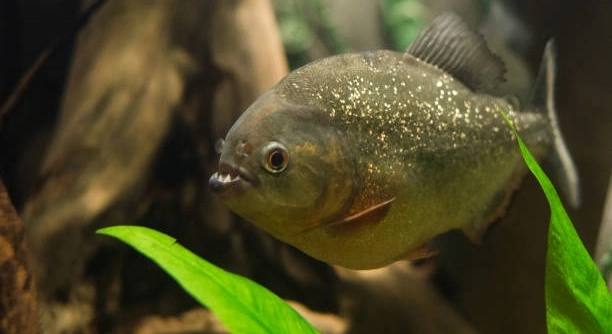
Are your aquarium inhabitants living peacefully, or is it time to consider adding a tank divider? Many hobbyists face this decision when managing space or separating species within the same tank environment. It’s important to understand the factors before making this change.
Adding a tank divider involves assessing tank size, fish compatibility, water flow, and maintenance requirements to ensure the divider improves conditions without causing stress or harm to your aquatic life. Proper planning is essential for success.
Knowing these key considerations will help you decide if a divider is right for your tank and how to implement it effectively for a healthy, balanced aquarium.
Why Consider a Tank Divider?
When you have multiple fish or aquatic creatures in one tank, sometimes they don’t get along well. Adding a tank divider can help keep aggressive fish apart or separate different species with varying needs. It also allows you to manage breeding pairs or protect young fish from adults. Another reason for dividers is to create zones within the tank, making maintenance easier and reducing stress among the inhabitants. However, it’s important to choose the right type of divider to avoid blocking too much light or water flow. The divider should be secure but not harm the fish if they come close to it. Planning for the size and shape of the divider will ensure it fits well and serves its purpose. Considering these details will help keep your aquarium balanced and healthy.
Tank dividers help maintain peace, protect vulnerable fish, and organize the tank environment effectively. They can improve overall tank management.
Using a divider is not just about separating fish. It can also help with water quality control by directing flow in certain areas, reduce fighting, and give shy fish their own safe space. This way, every inhabitant gets the right environment without disturbing others.
Choosing the Right Divider Material
Dividers come in various materials such as plastic mesh, acrylic panels, or glass. Each has its pros and cons. Plastic mesh is easy to install and allows good water flow but might not be strong enough for very active fish. Acrylic and glass panels provide a solid barrier and prevent fish from crossing but may reduce circulation between sections.
The material choice depends on your tank size, the type of fish you have, and how you plan to use the divider. For small fish or fry, a fine mesh is best, while bigger or aggressive fish may need a solid barrier. Also, consider how easy it will be to clean and maintain the divider material over time.
Selecting the right divider material ensures it serves its function well and fits your tank’s needs. It helps avoid problems like water stagnation or fish injuries, keeping the tank safe and comfortable for all its inhabitants.
Placement and Fit
The divider must fit securely inside the tank without gaps that fish can squeeze through. Proper placement helps maintain water flow and keeps fish safe.
Measure your tank carefully before buying or making a divider. A tight fit prevents fish from escaping or getting stuck. Consider the height as well to avoid fish jumping over the divider.
If the divider blocks too much water flow, it can cause poor water quality in one section. Positioning it where the filter output can still circulate water on both sides helps maintain balance. Sometimes adding small holes or using mesh materials can improve flow while keeping separation. Testing the setup before adding fish is a good idea.
Impact on Aquarium Maintenance
Dividers can make cleaning easier by limiting mess to smaller sections. Waste and leftover food stay in one area, reducing overall tank contamination.
However, dividers may also require extra care. You need to clean both sides separately, which can double your maintenance time. Some materials attract algae more easily, so regular scrubbing is important. Also, watch for buildup near the divider edges that might block water flow or trap debris. Balancing these factors helps keep the tank healthy without adding too much extra work. Planning your cleaning routine with the divider in mind will save time and stress later.
Compatibility with Fish Species
Some fish are more likely to accept a divider than others. Territorial species often benefit from separation.
Schooling fish may become stressed if divided from their group, so consider social behavior when deciding.
Effects on Fish Behavior
A divider changes how fish interact. Aggressive fish may become calmer with less direct contact, while shy fish get a safe space.
However, limited space can cause frustration if a fish feels trapped or restricted, so monitor their behavior closely.
Installation Tips
Make sure the divider is stable and won’t shift easily. Use suction cups or brackets designed for aquarium use.
Test the divider by gently pushing it to check for movement, and adjust as needed to prevent injury to your fish.
FAQ
How do I know if my fish need a tank divider?
If your fish show signs of aggression, stress, or injury, a divider can help. It’s also useful when housing species with different needs or separating breeding pairs. Observe their behavior closely—if fights break out often or certain fish hide all the time, a divider might improve their environment.
Can a tank divider affect water quality?
Yes, a divider can impact water flow and circulation. If the divider blocks water movement, one side may develop poor water quality faster. Choose dividers that allow some water exchange, like mesh or panels with holes. Position your filter and heater to ensure both sections get enough circulation and temperature balance.
Will fish get stressed being separated by a divider?
Some fish may initially stress from separation, especially schooling species used to being together. However, territorial or aggressive fish often become calmer once divided. Watch your fish after installation and adjust if you see signs of stress like hiding, loss of appetite, or unusual swimming patterns.
What materials are safest for tank dividers?
Plastic mesh, acrylic, and glass are common materials. Plastic mesh is good for small fish and allows water flow, but can be chewed or damaged. Acrylic and glass are sturdy but block water flow more. Avoid sharp edges or materials that can leach harmful chemicals into the water. Always rinse dividers before placing them in the tank.
How do I clean a tank divider?
Clean the divider gently with a soft sponge or brush during regular tank maintenance. Avoid harsh chemicals or soaps that can harm fish. If algae build up, soak the divider in a diluted vinegar solution outside the tank, then rinse thoroughly before putting it back. Regular cleaning prevents blockage and keeps water healthy.
Can a tank divider be temporary?
Yes, dividers can be temporary or permanent depending on your needs. Temporary dividers are useful for breeding, quarantining sick fish, or gradual introductions. Permanent dividers can help maintain long-term separation for incompatible species. Make sure any temporary divider is secure and monitored to prevent escapes or damage.
What size should a tank divider be?
The divider should fit snugly inside the tank with no gaps larger than your smallest fish. It should be tall enough to prevent fish from jumping over but not so tall it interferes with the tank lid or equipment. Measure carefully before buying or building a divider to avoid poor fit or unstable installation.
Will a divider reduce my tank’s visual space?
Yes, dividers create separate sections, which can make the tank feel smaller. Clear acrylic or glass dividers reduce this effect, while mesh dividers are less visible but may break up the view. Think about how the divider affects your tank’s aesthetics and fish visibility before installing it.
Can plants grow on or near the divider?
Plants can grow near dividers, but some may be affected by reduced water flow or light on one side. If you use live plants, position them where they receive enough light and nutrients. Avoid placing plants directly against solid dividers that block circulation, as this can cause decay or algae growth.
Is it safe to use dividers in saltwater tanks?
Yes, dividers can be used in saltwater tanks but materials must be resistant to corrosion. Acrylic and plastic mesh work well. Avoid metals or materials that can rust or release harmful substances. Saltwater tanks often have more sensitive fish, so ensure good water flow and monitor fish health carefully when using dividers.
When thinking about adding a tank divider, it’s important to weigh the benefits and challenges carefully. Dividers can help keep fish safe, reduce aggression, and organize the tank space. They are especially useful if you have different species that do not get along or if you want to separate breeding pairs. A well-chosen divider can improve the overall health and comfort of your aquatic pets by giving them their own space. However, it’s also clear that dividers need to be chosen with care, keeping in mind the size of the tank, the type of fish, and how the divider will affect water flow.
Choosing the right material and placing the divider correctly are key factors to success. The divider must fit securely without leaving gaps that fish could slip through or get stuck in. It should allow enough water to circulate on both sides so the tank stays clean and well-oxygenated. Some materials block water flow more than others, so it’s important to balance security with proper circulation. Regular cleaning of the divider is also necessary to prevent buildup of algae or debris, which could harm water quality or fish health. Maintenance may take a little more effort with a divider, but it helps protect your fish in the long run.
Overall, adding a tank divider can be a helpful solution in many situations, but it is not a simple fix for every tank problem. Understanding your fish’s behavior and needs will guide you in making the best choice. Once installed, keep an eye on your fish to make sure they adjust well and remain healthy. If any issues arise, be ready to make changes or remove the divider if needed. Taking the time to plan and care for your aquarium setup will ensure that your fish live in a peaceful and balanced environment.

Hello,
If you enjoy the content that we create, please consider saying a "Thank You!" by leaving a tip.
Every little bit helps us continue crafting quality advice that supports the health, happiness, and well-being of pets around the world, for pets of all shapes, sizes, and species.
We really appreciate the kindness and support that you show us!