
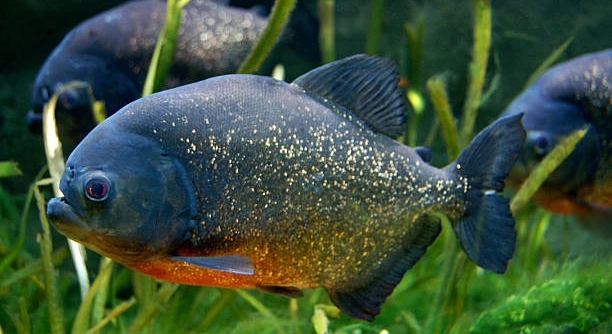
Many piranha owners notice times when their fish become unusually inactive. Understanding why this happens can help maintain a healthy and balanced aquarium environment. Inactivity may signal different underlying issues that need attention.
Piranha inactivity commonly results from factors such as poor water quality, improper temperature, stress, illness, inadequate diet, overcrowding, or lack of stimulation. These causes directly impact their behavior and overall health, requiring careful observation and management.
Identifying these causes can improve your piranhas’ well-being and keep your aquarium thriving with lively fish. The following sections explain each reason clearly and simply.
Poor Water Quality
Maintaining clean water is essential for piranhas to stay active and healthy. Dirty water can contain harmful toxins like ammonia and nitrites that stress fish and weaken their immune systems. If the water isn’t changed regularly or the filtration system is not working well, piranhas may become sluggish or stop swimming much. Sometimes, water that looks clear can still have high toxin levels, so testing water regularly is important. Changes in water pH or hardness can also affect piranha behavior. Keeping the tank clean with routine partial water changes and good filtration helps piranhas feel safe and energetic. This simple step prevents many health issues and keeps your fish swimming actively.
Dirty or toxic water leads to piranha inactivity by creating an unhealthy environment that stresses them out and slows their movements.
Regular water tests and timely cleanings protect your piranhas from illness and help maintain their natural liveliness in the tank.
Improper Temperature
Piranhas need stable, warm water to stay active. If the tank water is too cold, their metabolism slows down, making them less energetic. On the other hand, water that is too warm can cause stress and reduce oxygen levels, also leading to inactivity. The ideal temperature range for most piranhas is between 75 and 82 degrees Fahrenheit (24-28 degrees Celsius). Fluctuations outside this range can confuse the fish and affect their health. Using a reliable aquarium heater and thermometer ensures the water stays within a comfortable range. Keeping the temperature steady helps piranhas maintain normal activity levels and reduces their risk of illness. Avoid placing the tank near drafts or heat sources that cause sudden temperature changes, as this can disturb your fish’s routine and cause them to hide or become inactive.
Stress and Overcrowding
Stress can make piranhas inactive. Loud noises, sudden movements, or frequent tank disturbances cause anxiety. Overcrowding also leads to stress, as piranhas compete for space and resources.
Stress triggers a release of hormones that reduce piranhas’ energy and activity levels. When fish feel threatened or overwhelmed, they tend to hide or remain still to avoid conflict. Overcrowded tanks increase aggressive behavior, causing injuries and further stress. This unhealthy environment discourages normal swimming and feeding habits. To reduce stress, provide enough space for each piranha and minimize sudden changes around the tank. Adding plants or decorations can also offer hiding spots, helping fish feel safer and more relaxed.
Proper tank management is key. Avoid placing too many piranhas together, and keep their environment calm and stable. This balance encourages natural behavior and keeps them active.
Illness and Parasites
Illness and parasites are common reasons for piranha inactivity. Sick fish often become lethargic as their bodies fight infection or parasites. Signs of illness include faded color, clamped fins, and irregular breathing.
Piranhas are sensitive to various bacterial, fungal, and parasitic infections that affect their behavior. Parasites can irritate their skin and gills, causing discomfort and inactivity. If untreated, these health issues can worsen quickly, leading to more severe symptoms or death. Quarantining new fish before adding them to the main tank helps prevent disease spread. Regular observation is important to catch problems early. Treatment varies depending on the illness but often includes medication and improved water conditions. Early action can restore your piranhas’ health and activity.
Keeping the tank clean and avoiding overcrowding reduces the risk of illness and parasites, supporting your fish’s vitality.
Inadequate Diet
A poor diet can cause piranhas to lose energy and become inactive. They need a balanced mix of proteins and nutrients to stay healthy.
Feeding only one type of food or too little can lead to weakness. Variety and proper portions keep piranhas energetic and strong.
Lack of Stimulation
Piranhas need an environment that encourages natural behavior. Without enough hiding spots or space to explore, they may become bored and inactive.
Adding plants, rocks, or decorations can help keep your fish engaged and more active in their tank.
Overcrowding
Too many piranhas in one tank cause stress and limit swimming space. This often leads to inactivity and aggressive behavior.
Keeping an appropriate number of fish based on tank size helps maintain a peaceful, active community.
Why is my piranha not moving much?
When a piranha becomes inactive, it usually means something in its environment isn’t right. Common reasons include poor water quality, incorrect temperature, stress, illness, or lack of stimulation. Each of these can slow down their metabolism or cause discomfort. Checking water parameters and making sure the tank is clean and properly heated often solves the problem. Sometimes, piranhas rest during the day, but if inactivity lasts longer, it is a sign to take action.
How often should I change the water to keep piranhas active?
Regular water changes are vital for piranha health. Ideally, change about 25% of the water every week. This helps remove toxins and keeps the environment fresh. Using a water conditioner can also neutralize harmful chemicals. Skipping water changes allows waste to build up, which stresses the fish and reduces their activity. Keeping the water clean makes piranhas feel safe and energetic.
What temperature is best for piranhas?
Piranhas thrive between 75 and 82 degrees Fahrenheit (24-28 degrees Celsius). Temperatures below or above this range slow their metabolism or cause stress. Using a reliable heater and thermometer to maintain steady warmth helps your piranhas stay active. Avoid placing the tank near windows or air vents, which can cause sudden temperature changes.
Can stress really make piranhas inactive?
Yes, stress is a major factor in piranha inactivity. Stress can come from overcrowding, loud noises, sudden movements, or aggressive tank mates. When stressed, piranhas often hide or stop swimming much to conserve energy. Reducing disturbances, providing hiding spots, and ensuring enough space can help lower stress levels and boost their activity.
How can I tell if my piranha is sick or has parasites?
Look for signs like faded colors, clamped fins, unusual spots or growths, erratic swimming, or rapid breathing. Sick piranhas often stay still and avoid food. Parasites may cause scratching or rubbing against objects. Early detection is important, so observe your fish regularly. If you notice these symptoms, quarantine the affected fish and consult a vet or aquarium specialist for treatment.
What should I feed my piranhas to keep them active?
Piranhas need a diet rich in protein, including fish, shrimp, and insects. Feeding a variety of foods ensures they get all the necessary nutrients. Avoid feeding only flakes or pellets as a staple, since they don’t provide enough nutrition. Feed moderate amounts once or twice daily. Overfeeding can pollute the water and cause inactivity, so remove any leftover food after feeding.
How does overcrowding affect piranhas’ activity?
Overcrowding causes stress, aggression, and competition for space and food. This makes piranhas hide more and swim less. It can also lead to injuries and illness. Each piranha needs enough room to swim freely—generally, at least 20 gallons per fish is recommended. Keeping the right number of fish helps maintain calm and active behavior.
Can adding plants and decorations help with piranha inactivity?
Yes, decorations provide hiding spots and enrich the tank environment. This reduces boredom and stress, encouraging natural behavior and movement. Plants, rocks, and caves give piranhas places to explore and feel secure, which boosts their activity levels. A simple, well-decorated tank is healthier for your fish overall.
What if my piranha remains inactive after fixing these issues?
If inactivity continues despite good water quality, proper temperature, and a balanced diet, illness might be the cause. In this case, consult an aquatic veterinarian or expert. Sometimes, infections require medication. Also, make sure the tank isn’t overcrowded and the fish are not stressed by other factors. Persistent inactivity should never be ignored.
Is it normal for piranhas to be inactive sometimes?
Yes, piranhas do rest or hide occasionally, especially during the day. However, if they stay inactive for long periods or show other symptoms like poor appetite or unusual behavior, it’s a sign of a problem. Regular monitoring helps differentiate normal rest from potential health issues. Keeping their environment stable supports healthy activity patterns.
Understanding why piranhas become inactive is important for anyone who keeps them as pets. Many factors can cause this behavior, from water quality and temperature to stress and illness. Each of these elements affects how comfortable and healthy your piranhas feel in their tank. When piranhas are active, it usually means their environment meets their needs. When they become inactive, it’s a sign that something needs to be adjusted or improved. Paying attention to these signs can help you provide better care and prevent bigger problems down the line.
Keeping the water clean and at the right temperature is one of the most important steps. Dirty water or sudden temperature changes can stress piranhas and make them less active. Regular water changes and using a heater or thermometer to maintain steady warmth can keep the tank comfortable for them. Along with proper water conditions, feeding a balanced diet with enough protein is essential. Overfeeding or feeding the wrong food can also affect their energy levels. Making sure your piranhas have enough space and places to hide can reduce stress and encourage natural swimming behavior.
Finally, watching for signs of illness or parasites is very important. When piranhas are sick, they often stop moving much and may lose interest in food. Catching these problems early allows for quick treatment and recovery. Keeping the tank environment calm, avoiding overcrowding, and providing stimulation with plants or decorations will also help your piranhas stay active and healthy. By carefully managing these factors, you can enjoy watching lively and healthy piranhas in your aquarium.

Hello,
If you enjoy the content that we create, please consider saying a "Thank You!" by leaving a tip.
Every little bit helps us continue crafting quality advice that supports the health, happiness, and well-being of pets around the world, for pets of all shapes, sizes, and species.
We really appreciate the kindness and support that you show us!