
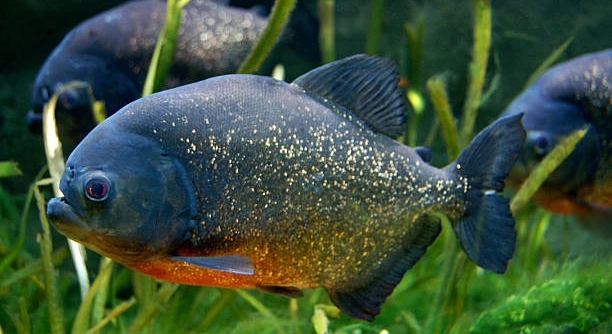
Piranhas are often seen as fierce fish, but they also have social structures within their groups. Understanding which piranha leads can reveal a lot about their behavior and interactions. Recognizing the leader helps us learn more about their complex dynamics.
The group leader piranha can be identified by specific behaviors such as dominance in feeding, territorial control, and consistent assertiveness within the school. These traits mark it as the main decision-maker and protector of the group’s interests.
Knowing how to spot the leader gives insight into piranha social life and their natural instincts in the wild. This knowledge can deepen appreciation for these often misunderstood fish.
Signs of Dominance in Feeding
The leader piranha often eats first and most aggressively during feeding times. This fish will push others aside and claim the best food pieces. It shows less hesitation and fear when approaching a food source. You might notice the leader taking bold bites while the others wait their turn or act more cautious. This dominant behavior ensures it gets enough energy to maintain its role in the group. The leader’s confidence during feeding also helps maintain order, preventing fights from breaking out. When food is scarce, this behavior becomes even more obvious, as the leader makes sure it secures what it needs. Observing feeding times closely is a reliable way to spot the dominant fish among a school of piranhas.
This assertive eating pattern is a key clue to identifying the group leader.
Watching how a piranha behaves around food gives you a clear idea of its rank. The leader’s boldness sets it apart in the group’s hierarchy and helps keep the school organized during meals.
Territorial Control
The group leader is often the most active defender of the group’s territory. It patrols the area and chases away intruders or potential threats. This fish is less likely to swim away from conflict and more likely to stand its ground. Its strong presence deters rivals and keeps the group safe. The leader also chooses resting spots that offer good visibility and control over the space. These locations are often central or elevated, allowing the leader to monitor activity nearby. By maintaining control over the territory, the leader protects both itself and the other piranhas in the group. This territorial behavior is not just about aggression but about ensuring the group’s survival and stability in their environment. Recognizing this pattern helps distinguish the leader from other members who may avoid confrontations or stay in the background.
Consistent Assertiveness
The leader piranha rarely backs down from challenges within the group. It remains confident and firm in its position, showing no signs of hesitation during encounters. This steady behavior marks it clearly as the dominant fish.
Consistent assertiveness is shown through the leader’s frequent displays of strength and confidence. It often initiates interactions with other piranhas, setting the tone for the group. Unlike others, the leader does not shy away from conflicts or changes in the environment. This fish maintains control by being predictable in its dominance, helping to keep the group stable. The assertive nature of the leader also reassures weaker members and helps maintain the social order, reducing chaos within the group.
Such steady confidence makes the leader easy to spot. Other fish may test the leader, but it rarely loses its place. This behavior supports group cohesion and smooth daily functioning.
Positioning in the School
The leader usually stays near the center or front of the group, guiding movements and decisions. It avoids the edges where threats are more common.
By positioning itself strategically, the leader monitors the surroundings closely. This central or front placement allows quick responses to danger and better control over the group’s direction. The leader’s location helps protect weaker members by facing threats first. This positioning also reinforces its role as the guide and protector of the school. Staying at the forefront requires confidence and strength, qualities the leader consistently shows. Observing where a piranha swims during group activities can reveal who holds this important role. The leader’s position is never random; it reflects its responsibility and status within the group.
Physical Size and Strength
The leader piranha is often larger and more muscular than the others. This size advantage helps it maintain control and defend its position.
Its strength is evident in how it moves and interacts. The leader shows more power in swimming and in confrontations, standing out physically in the group.
Protective Behavior
Leaders actively guard the group, especially the younger or weaker fish. This protective instinct helps keep the school safe from predators or rival groups.
The leader often places itself between threats and the rest of the group. This behavior shows responsibility and a clear role in ensuring the group’s survival.
Eye Contact and Focus
The leader piranha maintains steady eye contact with other fish, showing alertness and control.
This focus helps it respond quickly to changes and assert its dominance in group interactions.
FAQ
How can I tell if a piranha is the leader in a mixed group?
The leader piranha is usually the most confident fish, showing dominant behavior like eating first and controlling space. It often swims near the center or front of the group. Size and strength are also clues—leaders tend to be larger and more muscular. Watching how it interacts with others during feeding or territorial disputes can help you identify the leader.
Does the leader piranha always act aggressively?
Not always. While the leader shows assertiveness, especially during feeding or threats, it doesn’t constantly fight. Instead, it uses its presence and confidence to maintain order. This helps avoid unnecessary conflicts. The leader’s role is more about control and protection than constant aggression.
Can a leader piranha change over time?
Yes, leadership can shift, especially if the current leader gets weaker or injured. Other strong or confident piranhas may challenge and take over the role. This change helps keep the group stable by ensuring the strongest and most capable fish leads.
Is the leader always the biggest piranha?
Size often plays a role, but it’s not the only factor. Some smaller piranhas can lead if they are more assertive and confident. Strength, experience, and behavior also matter. The leader needs a combination of these traits to keep its position.
How does the leader piranha affect the group’s safety?
The leader is key to the group’s defense. It patrols the territory, drives off threats, and positions itself between danger and the group. This protective behavior helps keep weaker fish safe and reduces risks for the entire school.
Do piranha leaders help during feeding times?
Yes, the leader sets the tone for feeding. By eating first and showing confidence, it helps prevent chaos. Other fish follow its lead, which keeps the group organized and reduces fights over food. This role is important when food is limited.
What role does the leader play in group movement?
The leader usually guides the group’s direction. By staying near the front or center, it decides when to swim away from danger or move toward food. Its position allows quick decisions that help the group stay safe and find resources efficiently.
Are there signs of a leader in piranha behavior besides feeding and fighting?
Yes, eye contact and focused attention are subtle signs. The leader often watches other fish closely and responds quickly to changes. This alertness helps maintain control and signals confidence to the group.
How do piranhas decide who becomes the leader?
Leadership is usually decided through displays of strength and dominance. The fish that shows the most confidence, controls the best territory, and wins conflicts often becomes the leader. These qualities earn respect and submission from others in the group.
Can a leader piranha become aggressive toward its own group?
While leaders assert dominance, excessive aggression toward group members is rare. Too much fighting can harm group cohesion. The leader balances firmness with maintaining peace, ensuring the school functions smoothly and stays protected.
The role of a leader piranha in a group is an important part of their social structure. This fish helps keep order and protects the other members. By showing dominance in feeding, controlling territory, and staying assertive, the leader sets the rules for the group. These behaviors help reduce fights and confusion among the piranhas. When a leader is strong and confident, the group is more likely to stay safe and work together well. Understanding these clues can help anyone interested in piranhas recognize the leader and appreciate the way these fish interact.
Leaders are not just about strength or size, though those are often factors. A piranha’s attitude and behavior matter a lot. The leader is usually the one who stays in the best position in the group, watching for threats and guiding others. It also protects the weaker or younger fish by standing between them and danger. This protective role shows the leader’s responsibility. The leader’s steady and calm confidence helps keep the group balanced. When the leader is active and focused, it gives the whole group a better chance of surviving in their environment.
Leadership among piranhas can change, depending on conditions. If the leader gets weaker or injured, another fish might take its place. This change ensures the group always has a strong and capable leader. Watching how a piranha acts around food, during group movements, and in territorial disputes can reveal who holds the role. Knowing these signs allows us to understand piranhas better and respect their natural behavior. The leader plays a key part in the group’s survival, making the social life of these fish much more interesting than many people expect.

Hello,
If you enjoy the content that we create, please consider saying a "Thank You!" by leaving a tip.
Every little bit helps us continue crafting quality advice that supports the health, happiness, and well-being of pets around the world, for pets of all shapes, sizes, and species.
We really appreciate the kindness and support that you show us!