
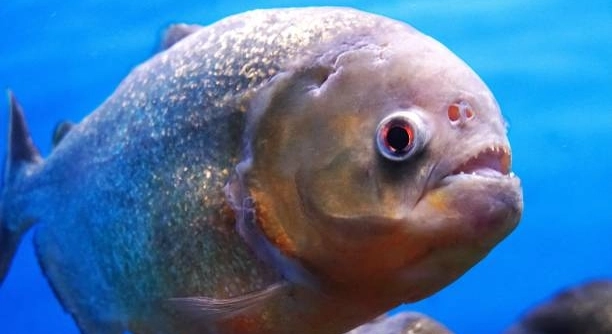
Is your piranha suddenly showing signs of aggression or injury by biting its own tail? This can be worrying and confusing to witness. Understanding why it’s happening can help you take the right steps to handle it.
Tail-biting in piranhas is often linked to stress, boredom, poor water quality, or overcrowded tanks. Addressing environmental factors and ensuring a proper diet and tank setup can reduce this behavior and promote your piranha’s overall well-being.
Knowing the root cause can help prevent future issues and keep your piranha safe and healthy in its environment.
Why Is Your Piranha Biting Its Own Tail?
Piranhas may bite their own tails due to a combination of stress, tank conditions, or behavioral triggers. One of the most common reasons is environmental stress—this includes poor water quality, lack of hiding spots, or tank overcrowding. These conditions can lead to anxiety or frustration, which sometimes results in self-harm. Additionally, if your piranha doesn’t have enough stimulation, it might engage in tail-biting out of boredom. Injuries or infections can also cause irritation in the tail area, prompting the fish to bite at it. It’s important to consider dietary issues as well, such as nutritional deficiencies. A lack of protein or essential nutrients might cause your piranha to behave erratically. Aggression from tank mates is another potential reason—tail injuries could be misinterpreted as self-inflicted when another fish is actually responsible. Regular monitoring and small adjustments in your tank setup can make a big difference in your piranha’s behavior.
Check the water parameters and tank size first. Poor water quality leads to stress, which often triggers abnormal behavior.
If everything in your tank seems okay, it’s time to observe your piranha more closely. Check for signs of infection or injury, especially around the tail. If you notice swelling, discoloration, or fraying, a bacterial or fungal issue might be causing the discomfort. In that case, you’ll need to isolate the fish and treat the tank with appropriate medication. If no injury is present, think about the setup. Does your tank offer places to hide or explore? Is the water temperature consistent? Simple changes like adjusting the lighting or improving the filtration system can help. Also, review your piranha’s diet—make sure it’s getting enough protein and variety. Introduce enrichment like floating plants or rearrange tank decorations to offer new stimulation. These small changes often reduce stress and discourage self-harming habits.
How to Help Your Piranha Recover
A stable, clean environment is the first step toward helping your piranha recover from tail-biting habits.
Start by testing the water for ammonia, nitrite, nitrate, and pH levels. Piranhas thrive in stable, clean water with a temperature between 75°F and 80°F. If the water is off, even slightly, your piranha may respond with stress behaviors like tail-biting. Next, check the tank layout. A tank with too little cover or too many bright lights can cause anxiety. Try adding rocks, driftwood, or live plants to make the space feel more secure. Observe how your piranha interacts with tank mates. If there are signs of bullying or aggressive encounters, consider separation. Feed your piranha a balanced diet that includes protein-rich options like shrimp, fish fillets, or quality pellets. Feed small portions twice a day to prevent boredom-related behavior. Over time, these efforts can reduce stress, eliminate tail-biting, and help your piranha feel secure in its home again.
When to Seek Outside Help
If your piranha continues to bite its tail despite changes to the environment, it may be time to consult a specialist. Ongoing behavior could point to a deeper health issue or stressor you haven’t identified yet.
A veterinarian who specializes in fish can perform tests to rule out internal parasites, infections, or nerve-related problems. Sometimes tail-biting behavior isn’t just about stress but could stem from something physiological, like nerve damage or internal inflammation. If you don’t have access to a fish vet, try reaching out to a local aquarium or fish store with experience in tropical or exotic fish species. They can often guide you toward someone qualified or suggest alternative treatments. In some cases, medication for inflammation or behavioral calming agents can help. The sooner you get a second opinion, the better your chances of stopping the tail-biting and keeping your piranha safe from long-term harm.
It’s also helpful to document what you’re observing. Take short videos of your piranha and note when the tail-biting happens—morning, after feeding, or at night. Keeping track of this pattern can help a vet or fish expert narrow down the possible causes more quickly. Additionally, bring along water test results and a list of any foods or supplements you’ve given recently. Being prepared saves time and improves the chances of finding a solution that works. It’s not always easy to tell whether a behavior is medical or behavioral, but getting help from someone experienced in aquatic care is one of the best steps you can take when at-home methods aren’t enough. You don’t have to figure it all out alone, and the right advice can often prevent things from getting worse.
Preventing the Behavior from Returning
Keep the tank consistent. Changes in lighting, temperature, or layout can cause stress and lead to tail-biting again. Stick to a routine and monitor the water regularly to maintain stability.
Feed your piranha on a regular schedule with a diet that offers variety. This helps prevent boredom and supports overall health.
Observing Long-Term Behavior
Watch for small changes over time. If your piranha becomes more active, less aggressive, or stops paying attention to its tail, that’s a good sign. Continue keeping a log of behaviors, feeding habits, and any environmental changes. This helps you recognize what works and what doesn’t. Long-term improvements often come from small, consistent adjustments. Rearranging tank décor every few weeks or rotating enrichment items like floating plants or hiding spots can keep your piranha engaged. If the behavior comes back, you’ll have a better idea of what might have triggered it and can act quickly.
Importance of Patience
Changes in behavior take time. Stay consistent with care and give your piranha space to adjust and heal without constant interference.
FAQ
Why does my piranha bite its own tail?
Tail-biting can happen for several reasons, including stress, poor water quality, overcrowding, or boredom. If the tank environment isn’t suitable, your piranha might feel anxious or frustrated, causing this behavior. Sometimes it’s a reaction to injury or irritation on the tail. Nutritional deficiencies or aggression from other fish can also play a role. Understanding these causes helps you address the problem properly.
How can I stop my piranha from biting its tail?
Start by improving tank conditions. Test the water regularly to keep it clean and balanced. Make sure the tank isn’t overcrowded and provide enough hiding spots and enrichment. Feed a balanced diet rich in protein to meet nutritional needs. Observe the fish closely for any injuries or signs of illness. Reducing stress and offering stimulation are key to stopping this behavior.
Is tail-biting harmful to my piranha?
Yes, tail-biting can cause serious harm. It may lead to infections or wounds that won’t heal if left untreated. Continuous biting can damage tissue and increase vulnerability to diseases. It’s important to act quickly and adjust the environment or get veterinary help to avoid long-term damage.
Can poor water quality cause tail-biting?
Absolutely. Dirty or improperly balanced water can stress your piranha, making it more prone to abnormal behaviors like tail-biting. High ammonia, nitrite, or nitrate levels irritate the fish’s skin and gills, leading to discomfort. Regular water changes, good filtration, and consistent testing prevent this problem.
Should I isolate my piranha if it bites its tail?
Isolation depends on the cause. If tail-biting is caused by aggression from tank mates, separating the fish can reduce stress and injury. However, if it’s related to environment or health issues, improving tank conditions is usually better. Consult a fish expert or vet to decide the best action.
What diet is best to prevent tail-biting?
A high-protein diet is essential. Offer foods like shrimp, fish fillets, or specially formulated piranha pellets. Variety keeps your fish interested and reduces boredom. Avoid overfeeding or giving too many plant-based foods since piranhas are mainly carnivores. Balanced nutrition supports overall health and reduces stress behaviors.
How long does it take for a piranha to stop biting its tail?
This varies depending on the cause and changes made. Some fish respond within days if the environment improves, while others need weeks or longer. Healing from injuries may take extra time. Patience and consistent care are important for recovery.
Can tail-biting indicate illness?
Yes, tail-biting can be a sign of infection, parasites, or other health issues. If you see swelling, redness, or fraying on the tail, it might be infected. In such cases, isolation and treatment with appropriate medications are needed. A vet can help diagnose the problem.
Are there behavioral reasons for tail-biting besides stress?
Yes. Boredom or lack of stimulation can lead to repetitive behaviors like tail-biting. Piranhas are active fish that need variety in their environment. Without enough enrichment, they may develop harmful habits. Providing hiding spots, plants, or changing tank decorations regularly helps.
Can tank mates cause my piranha to bite its tail?
Aggressive or territorial tank mates can cause injuries that appear like tail-biting. If your piranha is being chased or nipped, it might bite its tail in response or due to stress. Watch interactions carefully and separate aggressive fish to reduce stress and injury.
How can I tell if tail-biting is due to injury or stress?
Look closely at the tail. Injuries often have visible wounds or bleeding, while stress-related biting might not show immediate damage but occurs more frequently. Monitoring behavior alongside water quality and tank conditions helps determine the cause.
What should I do if medication is required?
Consult a fish vet before using medication. Treating with antibiotics or antifungals requires proper diagnosis and dosing to avoid harming your fish or tank ecosystem. Follow instructions carefully and monitor your piranha during treatment for any side effects.
Can changing tank décor help stop tail-biting?
Yes. Rearranging plants, rocks, or adding new hiding places can provide mental stimulation and reduce stress. This simple change encourages natural behavior and distracts your piranha from harmful habits. Rotate decorations regularly to keep the environment interesting.
Is tail-biting common in piranhas?
It’s not very common but can happen under stressful or poor conditions. Piranhas generally do not harm themselves unless something in their environment is off. Early attention to tank care prevents this behavior from developing.
What signs show my piranha is stressed?
Signs include hiding excessively, erratic swimming, loss of appetite, or aggression toward tank mates. Tail-biting is one of these signs. Regular observation helps catch stress early and lets you adjust care accordingly.
How often should I test my tank water?
Test water at least once a week, especially for ammonia, nitrite, nitrate, and pH. Frequent testing catches problems early and keeps conditions stable. Consistency in water quality is essential for your piranha’s health.
Can temperature affect tail-biting?
Yes, unstable or incorrect temperatures can stress your piranha, contributing to abnormal behavior. Keep the water between 75°F and 80°F and avoid sudden changes. Using a reliable heater and thermometer helps maintain a stable environment.
Are there any supplements that help?
Some fish owners use vitamins or stress-reducing supplements, but these should be used cautiously. Proper diet and environment are more important. Always research or consult a professional before adding supplements.
How to encourage healthy behavior long term?
Maintain clean water, a balanced diet, and a stimulating environment. Regular tank maintenance, proper feeding, and providing hiding spots promote well-being. Observing your piranha’s behavior helps catch issues early. Consistency is key to healthy habits.
Final Thoughts
Tail-biting in piranhas can be worrying, but it usually points to issues that can be fixed. The key is to act quickly and carefully observe your fish and tank. Sometimes the problem comes from poor water quality, stress, or lack of proper care. Other times, it could be caused by injury or boredom. Understanding the reason behind the behavior helps you make the right changes to keep your piranha healthy and safe. Taking steps like cleaning the tank regularly, maintaining a proper diet, and creating a stable environment will go a long way in preventing tail-biting.
Consistency is important when caring for piranhas. Changes should be slow and deliberate to avoid adding stress. Routine water testing, feeding at regular times, and watching for signs of illness or discomfort help you catch problems early. Offering hiding places and varying the tank setup can reduce boredom and improve your fish’s overall well-being. If tail-biting happens again, don’t ignore it. Review your tank conditions and behavior to find what might be causing the issue. Sometimes small adjustments can stop the behavior before it becomes serious.
Remember, patience is needed when working through tail-biting problems. Healing takes time, and your piranha needs space to recover without feeling threatened. Keep monitoring the fish’s behavior and health regularly. If you are unsure or the problem worsens, seek advice from a vet or fish care expert. Proper care and attention will improve your piranha’s life and help prevent tail-biting from happening in the future. With good care, your piranha can live comfortably and display natural, healthy behavior.

Hello,
If you enjoy the content that we create, please consider saying a "Thank You!" by leaving a tip.
Every little bit helps us continue crafting quality advice that supports the health, happiness, and well-being of pets around the world, for pets of all shapes, sizes, and species.
We really appreciate the kindness and support that you show us!