
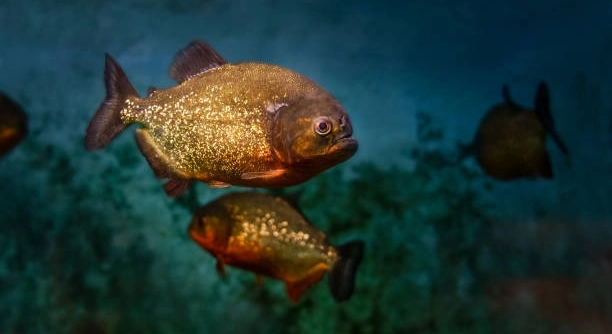
Piranhas are known for their sharp teeth and quick movements, but their behavior can also signal problems in their tank environment. Observing their reactions helps identify when something might be wrong. Knowing what to look for is important for their well-being.
Piranha reactions such as increased aggression, lethargy, loss of appetite, erratic swimming, hiding, gill flaring, and surface gasping often indicate underlying tank issues. These behaviors usually reflect poor water quality, incorrect temperature, overcrowding, or inadequate diet. Prompt diagnosis and intervention are essential.
Recognizing these signs early can help you maintain a healthy tank environment. Proper care ensures your piranhas remain active and stress-free for longer.
Increased Aggression
Piranhas are naturally aggressive, but when their aggression intensifies or becomes constant, it may signal tank problems. Overcrowding is a common cause; too many fish in one space increases competition and stress. Water quality also affects their behavior. Poor conditions, such as high ammonia or nitrite levels, can irritate fish, making them more hostile. Sometimes, aggression rises when the tank is too small or lacks sufficient hiding spots. Feeding plays a role as well—if food is scarce or of poor quality, piranhas may become more territorial and aggressive toward each other. Monitoring aggression levels helps determine if the tank environment is balanced and meets the fish’s needs.
Chronic aggression can lead to injuries and increased stress, weakening the fish’s immune system. Addressing tank size, water quality, and feeding habits can reduce this behavior significantly.
Ensuring proper tank maintenance, providing enough space, and balancing the diet will improve your piranhas’ temperament. Creating hiding spots and reducing overcrowding helps lower tension, resulting in a healthier and more peaceful aquarium environment.
Lethargy and Loss of Appetite
Lethargy and refusal to eat often indicate poor tank conditions or illness. These symptoms suggest your piranhas are struggling to thrive.
In many cases, water quality issues such as low oxygen levels or incorrect temperature cause lethargy. Illnesses, including parasites or infections, may also affect appetite. Nutritional deficiencies from an unbalanced diet weaken fish and reduce energy. Stress factors like sudden changes in environment or frequent disturbances play a part too. Regular water testing and maintaining stable conditions can prevent these problems. If lethargy persists, checking for disease signs and improving diet are essential steps.
Piranhas that refuse food lose strength rapidly, making early detection critical. Keep the tank clean and temperature steady. A varied diet rich in protein supports health. Consulting a veterinarian may be necessary if symptoms continue despite improvements. Consistent care prevents long-term damage and promotes recovery.
Erratic Swimming
Erratic swimming often signals stress or discomfort in piranhas. It can be caused by poor water quality or sudden changes in the tank environment.
Water parameters that fluctuate, such as pH or temperature, may cause disorientation and nervous behavior. Fish may dart suddenly, swim in circles, or bump into objects. Parasites and infections can also disrupt normal swimming patterns. Additionally, overcrowding can create stress, resulting in erratic movements as piranhas try to escape competition. Monitoring water regularly and maintaining stable conditions help reduce these behaviors and improve fish health.
Addressing erratic swimming means checking water quality, inspecting for parasites, and ensuring proper tank size. Stabilizing the environment calms the fish, encouraging regular swimming patterns. Adding plants or decorations offers hiding spots, reducing anxiety and creating a secure space.
Hiding Behavior
Hiding often indicates discomfort or stress in piranhas. When fish retreat frequently, the tank conditions might need adjustment.
Piranhas usually hide to avoid aggression or when water quality is poor. Insufficient space or lack of hiding spots increases stress, making fish seek shelter. Changes in lighting or temperature can trigger hiding behavior as well. Health issues like infections or parasites also cause withdrawal. Ensuring a balanced environment with adequate cover, proper water parameters, and enough space reduces hiding. Regular observation and maintenance prevent prolonged stress and promote normal behavior.
Gill Flaring
Gill flaring is a common sign of stress or poor water quality in piranhas. It usually indicates difficulty in breathing or irritation.
This behavior often points to low oxygen levels or high levels of toxins like ammonia. Improving filtration and aeration can help reduce gill flaring.
Surface Gasping
Piranhas gasping at the water surface typically means oxygen levels are too low. It suggests the tank needs better aeration or water movement.
Checking and adjusting the tank’s oxygen supply is essential. Adding an air stone or increasing surface agitation helps maintain healthy oxygen levels and prevents this behavior.
Overcrowding Issues
Too many fish in a tank create competition for space and resources. Overcrowding raises stress levels, leading to aggression, poor health, and abnormal behaviors in piranhas.
Maintaining the right fish density and providing enough hiding places ensure a stable, healthy environment for your piranhas to thrive.
FAQ
What causes sudden aggression in piranhas?
Sudden aggression often results from changes in the tank environment, such as overcrowding, poor water quality, or limited hiding spots. Stress from these factors causes piranhas to compete more fiercely for territory and resources. Additionally, feeding inconsistencies can increase aggressive behavior. Regular tank maintenance and balanced feeding routines help reduce sudden outbursts.
How can I tell if my piranha is sick?
Signs of illness include lethargy, loss of appetite, erratic swimming, gill flaring, and excessive hiding. Physical symptoms may also appear, such as discoloration, torn fins, or visible parasites. Consistent observation is key. Maintaining good water quality and a nutritious diet supports health. If symptoms persist, consulting a vet with aquatic experience is advisable.
Why does my piranha hide so much?
Piranhas hide to feel safe, especially when stressed or uncomfortable. Causes include poor water quality, overcrowding, or sudden environmental changes like temperature shifts or lighting adjustments. Providing sufficient hiding places and stable tank conditions encourages normal activity and reduces excessive hiding.
What water conditions are ideal for piranhas?
Piranhas thrive in water temperatures between 74°F and 82°F (23°C to 28°C), with a pH level around 6.5 to 7.5. Ammonia and nitrite levels should be at zero, and nitrate levels kept low. Regular water changes and filtration ensure these parameters stay within safe ranges, preventing stress and health problems.
How often should I feed my piranhas?
Feeding two to three times a week is sufficient. Overfeeding leads to poor water quality and health issues. Their diet should be protein-rich, including fresh or frozen fish, insects, and occasionally plant matter. Monitoring their response to food helps avoid underfeeding or overfeeding.
Can piranhas live with other fish?
Piranhas can be aggressive toward tank mates, especially smaller or slower fish. It’s best to keep them with similar-sized, robust fish or in a species-only tank. Proper space and hiding spots reduce territorial disputes if other fish are present.
What are common signs of poor water quality?
Cloudy water, algae overgrowth, foul odors, and unusual fish behavior such as gasping at the surface or lethargy indicate poor water conditions. Regular testing and maintenance prevent these issues, supporting healthy fish.
How can I reduce stress for my piranhas?
Maintain stable water parameters, provide enough space, avoid sudden changes in environment, and limit disturbances near the tank. Adding plants or decorations offers hiding places that help fish feel secure.
Why is my piranha gasping at the surface?
Surface gasping is a sign of low oxygen levels in the tank. Improving aeration through air stones, filters, or increased surface agitation helps maintain oxygen balance and prevents this behavior.
What should I do if my piranhas fight frequently?
Frequent fighting usually results from overcrowding or insufficient hiding spots. Increasing tank size, rearranging decorations, or reducing the number of fish helps ease aggression. Monitor interactions and separate especially aggressive individuals if necessary.
Final Thoughts
Maintaining a healthy piranha tank requires consistent attention to the fish’s behavior and the tank environment. The reactions of piranhas often provide important clues about underlying issues. Aggression, hiding, lethargy, or erratic swimming can all indicate problems with water quality, overcrowding, or stress. Addressing these early signs helps prevent long-term health issues and keeps the fish comfortable. It is important to regularly test the water and maintain proper filtration to provide stable conditions.
Feeding plays a significant role in piranha health and behavior. Providing a balanced, protein-rich diet in appropriate amounts supports their well-being and reduces stress-related aggression. Overfeeding or underfeeding can cause both health problems and behavioral changes. Along with diet, tank size and layout affect how piranhas interact. Offering enough space and hiding places can reduce tension among the fish, improving their overall quality of life.
Finally, patience and observation are key to successful piranha care. Each tank and group of fish may behave differently, so learning their unique patterns is helpful. Regular maintenance and timely adjustments based on their reactions create a healthier environment. By understanding the meaning behind common piranha reactions, it becomes easier to recognize and resolve issues before they worsen. Consistent care promotes longevity and a more enjoyable aquarium experience.

Hello,
If you enjoy the content that we create, please consider saying a "Thank You!" by leaving a tip.
Every little bit helps us continue crafting quality advice that supports the health, happiness, and well-being of pets around the world, for pets of all shapes, sizes, and species.
We really appreciate the kindness and support that you show us!