
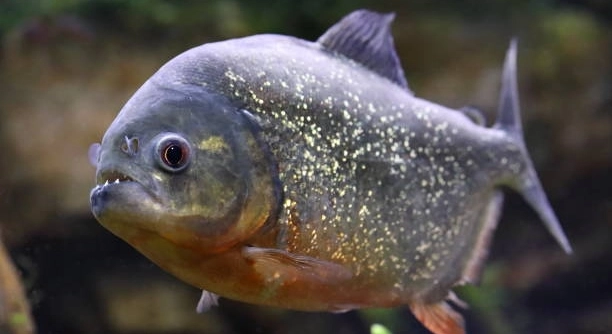
Piranhas are often known for their sharp teeth and fierce reputation in the water. These small fish have a unique set of teeth that help them survive and hunt. Learning about their teeth can reveal interesting facts beyond what most people expect.
Piranha teeth are sharp, triangular, and continuously replaced throughout their lives. Their powerful jaws allow them to bite with strong force, making them efficient predators in their natural habitat. The teeth fit tightly together to create a scissor-like cutting action.
Knowing these details about piranha teeth helps us better understand their behavior and role in the ecosystem. There is more to discover about how these teeth work and why they are so important.
How Piranha Teeth Grow and Replace Themselves
Piranhas have a fascinating way of maintaining their teeth. Unlike humans, their teeth grow continuously and get replaced throughout their lives. This means when one tooth falls out or wears down, another tooth grows in its place. This process ensures their teeth stay sharp and ready for biting. The teeth are arranged in a single row on each jaw, making it easier for new teeth to push out the old ones. The replacement happens quickly, sometimes within a week. This fast regeneration helps piranhas keep their hunting skills sharp and efficient. It is one of the key reasons they are such successful predators in their environment. The constant cycle of losing and regrowing teeth also helps prevent damage from eating tough or hard materials. This natural renewal is vital for their survival in the wild.
Their teeth replacement process is one of the fastest among fish species.
This continuous tooth replacement allows piranhas to maintain strong bites without losing effectiveness. Even if a tooth breaks or is lost during feeding, a new one will soon take its place. This ability is crucial since piranhas rely on their sharp teeth for catching prey and defending themselves. The quick renewal process minimizes downtime and helps keep their teeth in top condition. Understanding this aspect of their biology offers insight into how piranhas manage to stay at the top of their food chain.
The Role of Piranha Teeth in Feeding
Piranha teeth play a central role in how these fish eat. Their sharp teeth help them tear flesh quickly, allowing for fast feeding. The scissor-like bite cuts through tough skin and muscle with ease. Piranhas usually hunt in groups, and their teeth help them grab and hold onto slippery prey. Once caught, their teeth prevent the prey from escaping. These teeth are not designed for chewing but for slicing and shredding. Their feeding technique is efficient and suited to their environment. Sharp teeth also allow piranhas to scavenge by breaking down dead animals. This versatility helps them survive in different situations. The strength and design of their teeth support their aggressive feeding habits.
Piranha teeth shape their feeding behavior and diet.
Piranhas use their teeth to feed on a variety of prey, including fish, insects, and sometimes plants. Their teeth allow them to bite chunks of flesh quickly, which they swallow rather than chew. This fast feeding style is useful when hunting in groups or competing with other predators. Teeth structure also limits the size of prey, as piranhas cannot chew large animals but can strip pieces from them. Their teeth help break down food efficiently, aiding digestion. The way their teeth work together with their jaws gives piranhas a powerful advantage in catching and consuming food in rivers and lakes. Their teeth are perfectly adapted to their role as opportunistic feeders.
Piranha Teeth Are Exceptionally Sharp
Piranha teeth are razor-sharp and designed to cut through flesh quickly. Their edges are finely serrated, much like tiny saw blades, which helps them slice cleanly through prey. This sharpness is a key part of their hunting success.
The serrated edges on piranha teeth allow for efficient cutting and tearing. These teeth are not just sharp but built to handle tough materials like scales and skin. This design lets piranhas deliver quick, powerful bites without struggling to break down their food. Sharp teeth reduce the effort needed to feed and help piranhas consume prey rapidly before other predators arrive. The teeth’s shape also minimizes damage to the jaws by distributing bite force evenly. This balance between sharpness and strength is crucial for their survival in competitive environments.
Piranha teeth’s sharpness also helps when feeding on carcasses. They can strip meat quickly, allowing them to take advantage of limited food resources. Their teeth are a vital tool for both hunting and scavenging, making them highly adaptable feeders.
Teeth Size and Variation Among Species
Piranha teeth size varies depending on the species and the fish’s age. Larger piranhas tend to have bigger teeth, which can grow up to an inch long. Smaller species have proportionally smaller teeth.
The size of piranha teeth relates directly to their feeding habits. Larger teeth allow some species to handle bigger prey and tear through thicker hides. In contrast, smaller species may feed more on insects and smaller fish, requiring less robust teeth. This variation in teeth size helps different piranha species occupy various ecological niches. It also influences their social behavior, as bigger teeth and stronger bites can affect dominance and competition within groups. Teeth size reflects how each species has adapted to its particular environment and available food sources.
Piranha Teeth Are Stronger Than They Look
Piranha teeth may appear small, but they are incredibly strong. Their strength lets them bite through tough materials like bones and shells without breaking. This power is surprising for their size.
The combination of sharpness and strength makes piranha teeth a perfect tool for their feeding style. Their jaws can generate a powerful bite force, which helps the teeth cut cleanly and efficiently. This strength supports their ability to eat a wide variety of prey and survive in different conditions.
Teeth Help Piranhas Defend Themselves
Piranha teeth are also useful for protection. Their sharp teeth and strong bite can deter predators and rivals. This defense mechanism helps them survive in competitive habitats.
Teeth Shape Is Unique to Each Species
Each piranha species has a slightly different tooth shape. These differences reflect their diet and feeding habits. Teeth shape plays a key role in how they catch and process food.
What makes piranha teeth so sharp?
Piranha teeth are sharp because of their serrated edges, which are similar to tiny saw blades. These serrations allow the teeth to slice through flesh easily. The teeth are made of hard enamel, which keeps the edges from dulling quickly. This combination of shape and material makes piranha teeth extremely effective at cutting and tearing.
How often do piranhas replace their teeth?
Piranhas replace their teeth regularly, sometimes as quickly as every week. This fast replacement ensures their teeth stay sharp and functional. When an old tooth falls out or wears down, a new one grows right behind it, pushing the old one out. This constant cycle keeps them ready to feed and defend themselves.
Are piranha teeth dangerous to humans?
Piranha teeth can be dangerous, but attacks on humans are rare and usually not severe. Piranhas generally avoid people unless they feel threatened or are provoked. Their bite can cause painful cuts due to the sharp teeth, but serious injuries are uncommon. It’s best to be cautious around piranhas and respect their space.
Do piranha teeth vary by species?
Yes, teeth size and shape vary among piranha species. Some species have larger, more triangular teeth for tearing bigger prey. Others have smaller teeth suited for insects or smaller fish. These differences help piranhas adapt to their specific diets and habitats.
Can piranha teeth break?
Piranha teeth are strong, but they can break if subjected to extreme force or hard objects. However, since their teeth are regularly replaced, a broken tooth won’t cause long-term problems. The quick regrowth means they can maintain their biting power without lasting damage.
Why do piranhas have teeth that fit so perfectly?
Piranha teeth fit together like scissors, allowing a strong cutting action when they bite. This precise alignment helps them slice through flesh cleanly and efficiently. It reduces the effort needed to feed and makes their bite very effective.
Do piranhas use their teeth for anything besides feeding?
Besides feeding, piranha teeth are used for defense and competition. Their sharp teeth can deter predators or rivals during fights. Teeth also play a role in social interactions, like establishing dominance within groups.
How do piranha teeth grow?
Piranha teeth grow from the gums like human teeth, but much faster. New teeth form behind the current ones and push forward when it’s time to replace an old or lost tooth. This continuous growth keeps their teeth sharp and ready.
Are piranha teeth important for their survival?
Absolutely. Piranha teeth are essential for catching prey and protecting themselves. Without sharp, strong teeth, piranhas would struggle to feed and defend against threats, reducing their chances of survival in the wild.
Can piranha teeth be used to identify species?
Yes, tooth shape and size can help identify piranha species. Scientists often study teeth to understand differences between species and their feeding behaviors. Teeth are one of the key features that distinguish piranhas from similar fish.
Piranha teeth are fascinating because they show how well these fish are adapted to their environment. Their sharp, strong, and continuously growing teeth help them catch prey and protect themselves. These teeth are not just for biting but are part of a system that allows piranhas to survive in sometimes tough conditions. Understanding the details about their teeth gives us a clearer picture of how these fish live and thrive in rivers and lakes. The fact that their teeth can regrow so quickly is especially interesting because it keeps them ready to eat and defend at all times.
The design of piranha teeth shows a balance between strength and sharpness. Their teeth are serrated like little saws, which helps them cut through flesh easily. At the same time, the teeth are strong enough to handle tough materials like bones and shells without breaking. This combination allows piranhas to feed efficiently and make the most out of the food they catch. The way their teeth fit together also makes their bite very effective, acting like scissors to slice through prey. These features make piranha teeth an important tool in their daily life.
Overall, learning about piranha teeth gives insight into the important role they play in the fish’s survival and behavior. The teeth support their feeding habits, help in defense, and even affect social interactions among piranhas. Each species has teeth suited to its diet and environment, showing how piranhas have adapted over time. While these teeth may seem small, they are powerful and vital for the fish. Knowing more about them helps us appreciate the complexity of nature and how animals develop unique traits to live successfully.

Hello,
If you enjoy the content that we create, please consider saying a "Thank You!" by leaving a tip.
Every little bit helps us continue crafting quality advice that supports the health, happiness, and well-being of pets around the world, for pets of all shapes, sizes, and species.
We really appreciate the kindness and support that you show us!