
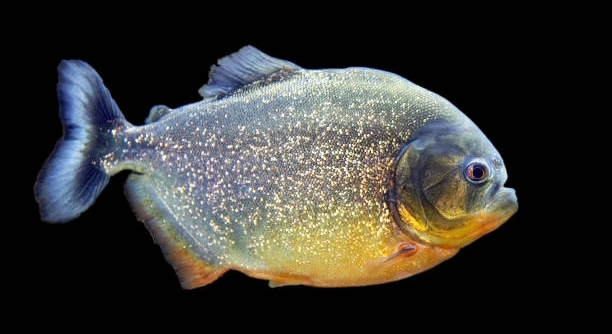
Observing piranhas can be fascinating but requires caution and respect for their behavior. These fish are known for their sharp teeth and swift movements, making it important to know what actions to avoid. Understanding these basics helps ensure a safe and informative experience.
When observing piranhas, it is crucial to avoid sudden movements, feeding them inappropriate items, and getting too close to their habitat. These actions can provoke aggressive behavior and increase the risk of injury, disrupting both the fish and the observer.
Knowing what to avoid will make your time watching piranhas safer and more enjoyable. This guide highlights key behaviors to steer clear of for a better understanding of these unique creatures.
Avoid Sudden Movements Near Piranhas
When watching piranhas, sudden movements can startle them and cause aggressive reactions. These fish are highly sensitive to changes in their environment, so quick gestures or splashing can make them feel threatened. Staying calm and moving slowly helps keep both you and the piranhas safe. It also allows you to observe their natural behavior without causing stress. If you want to get a good look, be patient and steady. Avoid leaning too close or tapping the glass if you’re at an aquarium. The key is to respect their space and remain composed. This way, you’ll have a better chance of enjoying their unique patterns and movements without putting yourself at risk or disturbing the fish.
Sudden movements can provoke defensive behavior in piranhas. Keeping calm ensures a safer and more peaceful observation experience for everyone involved.
Remaining still lets the piranhas feel less threatened and behave naturally. This calm approach helps you appreciate their habits without triggering aggression. In natural habitats, this means keeping your body language minimal and avoiding throwing objects or splashing water. Even small disturbances can cause a feeding frenzy or defensive attack. The goal is to observe quietly, making sure the piranhas don’t see you as a threat or a potential meal. This respect benefits both the observer and the fish, promoting a safer interaction.
Do Not Feed Piranhas Unfamiliar Food
Feeding piranhas without knowledge of their diet can harm their health and behavior. Many people might think tossing random food will attract them, but this can upset their digestion or cause illness. Piranhas have specific nutritional needs, mainly small fish or insects in the wild. Feeding them processed or human food can disrupt their natural feeding patterns and make them more aggressive. It’s better to let experts handle feeding or rely on natural food sources. This also prevents bad habits, like expecting food from humans or showing increased aggression around people. Feeding piranhas incorrectly affects not just individual fish but the balance of the entire group.
Offering the right food helps maintain healthy piranhas and a stable environment. It also keeps them from becoming aggressive or dependent on human interaction.
When piranhas receive unfamiliar food, they may develop digestive problems or lose interest in hunting. This disrupts their role in the ecosystem, where they help control fish populations and clean up debris. Human food can contain harmful chemicals or fats that fish bodies cannot process. Additionally, feeding them can cause crowding as they compete for the food, increasing stress and injuries. Over time, this behavior can lead to aggressive encounters not only with each other but also with observers. Respecting their diet means avoiding feeding unless supervised by professionals or in controlled settings, ensuring their health and natural behaviors remain intact.
Avoid Touching Piranhas or Their Habitat
Touching piranhas or their environment can cause stress and provoke aggressive behavior. Their skin and scales are sensitive, and any disturbance can harm them. It’s important to keep a respectful distance and avoid interference to protect both the fish and yourself.
Physical contact with piranhas is risky. Their sharp teeth and quick reactions mean even a gentle touch can lead to bites. Additionally, disturbing their habitat by touching plants or rocks can damage the delicate ecosystem they rely on. In natural settings, piranhas depend on clean water and stable surroundings for hunting and breeding. Introducing foreign substances from human skin, like oils or chemicals, may also affect their health. Observing without touching helps maintain their natural behavior and avoids unnecessary harm.
Respecting their space shows consideration for their well-being. It also reduces the chance of injury and supports a healthier aquatic environment, allowing piranhas to thrive without human interference.
Do Not Overestimate Their Danger
Piranhas have a fierce reputation, but they are not always as dangerous as people think. Most species are shy and avoid humans unless provoked. Understanding their behavior helps prevent unnecessary fear.
While piranhas can bite when threatened, attacks on humans are rare and usually involve defensive reactions. They mostly feed on smaller fish and only show aggression during feeding frenzies or when their territory is disturbed. Overestimating their danger can lead to unsafe or disrespectful actions, like trying to catch or scare them. Being aware of their true nature promotes safer interactions and a more balanced view of these fish. It’s best to observe calmly and avoid behaviors that might trigger stress or aggression. Recognizing their role in the ecosystem helps appreciate them beyond their scary image.
Avoid Flash Photography
Using flash when observing piranhas can startle them and disrupt their natural behavior. Bright lights may cause stress and make them act defensively. It’s best to rely on natural or low light to keep the environment calm.
Flash can also damage their sensitive eyes over time. Keeping the observation area dim helps the fish feel secure and allows you to watch them peacefully without causing harm.
Do Not Enter Their Water Without Precaution
Entering water where piranhas live without proper knowledge or protection is dangerous. They can bite if they feel threatened or hungry. Wearing protective gear and avoiding sudden movements lowers the risk of injury.
Knowing when and how to enter these waters safely is essential to prevent accidents. Respect their space even if you are swimming nearby.
Avoid Throwing Objects Into Their Habitat
Throwing sticks, stones, or food can disturb piranhas and provoke aggression. It upsets their environment and might cause unnecessary stress or fights.
Keeping the habitat clean and undisturbed helps maintain the natural balance and supports healthier fish behavior.
What should I do if I accidentally get bitten by a piranha?
If you get bitten by a piranha, it’s important to stay calm and get out of the water carefully. Clean the wound immediately with fresh water and soap to reduce infection risk. Apply pressure to stop any bleeding and seek medical help, especially if the bite is deep or bleeding doesn’t stop quickly.
Piranha bites can cause serious cuts because of their sharp teeth. Even though bites are rare, treating the injury properly helps avoid infections. Avoid using strong chemicals on the wound and keep it covered with a clean bandage. Watch for signs of infection like redness, swelling, or pus. Getting medical advice is always a safe choice after any animal bite.
Are all piranha species dangerous to humans?
Not all piranha species are equally dangerous. Some species are more aggressive than others, but many tend to avoid humans. Most piranhas prefer to feed on smaller fish and insects and only attack humans if provoked or threatened.
Piranhas are often misunderstood because of their reputation. In reality, attacks on humans are uncommon and usually happen when the fish feel cornered or hungry. Understanding their behavior helps reduce unnecessary fear. Respecting their space and not disturbing their habitat lowers the chances of any aggressive encounter.
Can piranhas live outside of their natural habitat?
Piranhas are native to freshwater rivers and lakes in South America, and they thrive best in these environments. They require warm water, specific oxygen levels, and the right type of food to survive.
Keeping piranhas in home aquariums is possible but challenging. They need proper care, tank size, and a diet similar to what they eat in the wild. Without these conditions, they may become stressed or unhealthy. Introducing piranhas into non-native waters can cause ecological problems and is illegal in many places.
How can I safely observe piranhas in the wild?
Observing piranhas safely involves maintaining a respectful distance and avoiding sudden movements. Stay calm and quiet to prevent startling them. Using binoculars or watching from a boat or shore is better than entering the water.
Avoid feeding or touching the fish, as this can cause aggressive behavior. Wear protective clothing if you must be close to their habitat, and always follow local safety guidelines. Being patient and cautious lets you enjoy watching these fish without risking harm to yourself or them.
Why do piranhas sometimes swim in large groups?
Piranhas swim in groups, called shoals, mainly for protection and hunting efficiency. Being in a group makes it harder for predators to attack any one fish. It also helps them find food more easily.
Group behavior can look intimidating, especially when the fish are feeding. However, shoaling is a natural survival tactic rather than a sign of constant aggression. Observing a shoal gives insight into how these fish interact socially and protect themselves.
Is it safe to keep piranhas as pets?
Keeping piranhas as pets requires experience and careful preparation. They need large tanks, clean water, and a proper diet to stay healthy. They can be aggressive toward other fish and sometimes even humans.
If you decide to keep piranhas, make sure to research their needs fully. Avoid overcrowding the tank and provide hiding places to reduce stress. Understand the risks and responsibilities, as piranhas are not typical beginner pets and require dedicated care.
What signs indicate piranhas are stressed?
Stressed piranhas may show erratic swimming, hiding more often, or refusing to eat. They might also display damaged fins or changes in color. Stress can come from poor water quality, overcrowding, or constant disturbance.
Reducing stress involves keeping their environment stable and quiet. Avoid tapping the tank or making loud noises. Regular water changes and proper feeding schedules help maintain their health and calm behavior. Recognizing stress early allows you to make changes before problems worsen.
Observing piranhas can be an interesting experience if done carefully and with respect for their nature. These fish are often misunderstood because of their sharp teeth and reputation for aggression. However, they play an important role in their ecosystems and usually only act aggressively when they feel threatened or during feeding times. By following basic safety guidelines, such as avoiding sudden movements, not feeding them inappropriate food, and keeping a safe distance, you can enjoy watching piranhas without causing harm to yourself or the fish. It’s important to remember that respecting their space helps maintain a peaceful environment for everyone involved.
When spending time near piranhas, it’s best to act thoughtfully and calmly. Avoid touching them or their habitat, as this can stress the fish and disrupt their natural behavior. Flash photography and loud noises can also cause discomfort and provoke defensive reactions. Keeping a calm and quiet presence allows the piranhas to behave naturally, which makes observation more rewarding and less risky. If you are in the wild or at an aquarium, always follow any posted rules or advice from experts to ensure a safe experience. Protecting the fish and their environment benefits both the observer and the aquatic life.
Finally, knowing what not to do around piranhas is just as important as knowing what to do. Overestimating their danger can cause unnecessary fear, but underestimating it can lead to injuries. Being aware of their habits, feeding needs, and behavior helps create a balanced understanding of these unique fish. Whether you are observing them in their natural habitat or a controlled setting, patience and respect are key. This approach not only keeps you safe but also supports the health and well-being of the piranhas, allowing you to appreciate them as fascinating creatures without causing disturbance.

Hello,
If you enjoy the content that we create, please consider saying a "Thank You!" by leaving a tip.
Every little bit helps us continue crafting quality advice that supports the health, happiness, and well-being of pets around the world, for pets of all shapes, sizes, and species.
We really appreciate the kindness and support that you show us!