
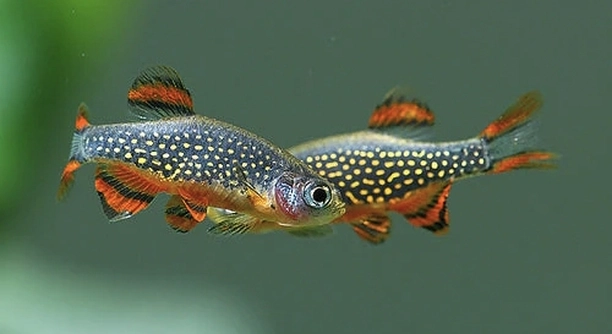
Danio fish are popular in home aquariums, admired for their vibrant colors and energetic swimming patterns. Many hobbyists focus on keeping them healthy but often overlook subtle factors that can slow their growth and development.
Several common mistakes can impede Danio development, including improper feeding schedules, inadequate tank conditions, insufficient social interaction, and neglecting water quality. Addressing these issues systematically ensures optimal growth and overall well-being for the fish in a controlled environment.
Recognizing these missteps early can help you create a thriving environment, promoting healthy growth and long-term vitality for your Danio fish.
Inconsistent Feeding Habits
Feeding Danios irregularly or providing inconsistent portions can have a noticeable effect on their growth. These small fish thrive on routine, and sudden changes in diet can stress them, slowing their development. Overfeeding is equally problematic, leading to poor water quality and potential health issues. Many people assume that more food equals faster growth, but this is not the case. A balanced approach, providing small amounts multiple times a day, works best. Observing how much the fish consume within a few minutes helps in adjusting portions. Uneaten food should be removed promptly to prevent decay. High-quality flake or pellet food designed for small tropical fish ensures proper nutrition. Supplementing with occasional live or frozen foods can provide essential proteins and nutrients. Regular, measured feeding contributes not only to healthy growth but also to stronger immune systems. Maintaining this balance is simple but often overlooked, making a big difference over time in the vitality of Danios.
Feeding on a regular schedule keeps Danios active and supports their natural growth patterns, preventing stress and health problems caused by overeating or irregular meals.
Consistency in feeding helps maintain clean water, strong immune responses, and predictable growth rates. This approach ensures that each fish receives the right nutrients without overloading the tank, allowing them to flourish naturally. Observing their behavior during feeding times also indicates their health and energy levels, providing early signs of potential issues. Implementing small adjustments gradually helps stabilize their environment.
Poor Water Quality
Dirty or unbalanced water directly impacts Danio development. Even slight shifts in pH, temperature, or ammonia levels can cause stress, slowing growth and affecting immune systems. Water changes are essential to maintain clarity and chemical balance. Filtration systems help, but they cannot replace regular maintenance. Testing water weekly ensures that parameters remain optimal. Danios are sensitive to sudden changes, so gradual adjustments are necessary when treating water or adding new fish. Avoid overcrowding, which increases waste and reduces oxygen, further impacting health. Aeration improves circulation and supports a stable environment. Observing the fish’s behavior, such as erratic swimming or lethargy, can indicate water problems before they become serious. Clean water not only promotes growth but also reduces disease risks, contributing to a longer, healthier life. Simple routines like partial weekly water changes and careful monitoring prevent most water-related development issues.
Maintaining clean water is critical for Danio health, providing a stable environment that supports growth and minimizes stress.
Water quality influences all aspects of Danio life, from energy levels to reproductive health. Poor conditions can stunt growth and make fish more prone to illness. Testing water parameters regularly allows for early corrections, preventing long-term damage. Filtration systems should be matched to tank size and load, while partial water changes remove excess waste without shocking the fish. Temperature consistency is key, as fluctuations can reduce feeding efficiency and slow metabolism. Even minor debris buildup can introduce harmful bacteria. Aeration ensures proper oxygenation and supports natural behavior. Overcrowding must be avoided, as high density increases waste and stress, directly impacting development. Monitoring the fish’s activity provides insight into overall health and environmental suitability. By maintaining a clean, balanced habitat, Danios are able to reach their growth potential, display natural colors, and maintain robust health over time, creating a more rewarding aquarium experience.
Inadequate Tank Size
A small tank limits Danio movement and growth. Crowded conditions increase stress, reduce oxygen, and make maintaining water quality harder. Providing sufficient space allows natural swimming patterns and supports overall development.
A tank that is too small can stunt growth and trigger aggressive behaviors. Danios are active swimmers and need space to move freely, explore, and interact with tank mates. Limited swimming space reduces exercise, which can impact muscle development and overall health. Overcrowding also leads to faster waste accumulation, forcing more frequent water changes and making it harder to maintain stable water parameters. A larger tank not only supports physical growth but also improves behavior, reducing stress and minimizing conflicts. Planning the tank size according to the number of fish ensures a healthy, thriving environment.
Proper tank size encourages regular activity and natural behavior, enhancing immunity and growth. Inadequate space stresses the fish, slows development, and increases the risk of disease. Choosing the right dimensions for the tank is a simple yet crucial step for keeping Danios healthy and vibrant. Regular observation of swimming patterns can indicate if the environment meets their needs, allowing timely adjustments.
Lack of Environmental Enrichment
Danios benefit from plants, decorations, and hiding spots. A plain tank limits stimulation and may slow development.
Providing environmental enrichment improves mental and physical health. Plants, rocks, and safe decorations create hiding spaces, reduce stress, and encourage exploration. Active engagement in the tank promotes natural behaviors such as schooling, foraging, and chasing, all of which support growth. Enrichment prevents boredom, which can lead to lethargy and weaker immune responses. Arranging plants and objects in a way that allows swimming paths while offering cover creates a balanced habitat. Both live and artificial plants work well, though live plants improve water quality. Observing interactions with the environment helps identify preferences and adjust layouts. A dynamic tank encourages healthy activity and strengthens muscles while supporting natural instincts and overall well-being.
Regularly updating tank decor and rearranging objects maintains engagement. This simple practice ensures continuous stimulation, reducing stress, and promoting natural behaviors. Danios show more vitality, improved growth, and consistent energy levels when their habitat feels interactive. Environmental enrichment is a key factor that complements feeding and water management, creating a thriving tank where fish flourish. Monitoring their use of plants and hiding spots also indicates comfort and satisfaction, guiding adjustments for an optimal setup.
Ignoring Water Temperature
Stable water temperature is essential for Danio growth. Sudden changes can stress the fish, slowing metabolism and development. Maintaining consistent warmth ensures healthy activity and proper digestion.
Cold or fluctuating water reduces feeding efficiency and energy levels. Using a reliable heater and thermometer helps keep conditions steady, supporting steady growth and vitality.
Poor Diet Variety
A limited diet can prevent Danios from receiving necessary nutrients. Flakes or pellets alone may lack certain vitamins and proteins required for full development. Including live or frozen foods, such as brine shrimp or daphnia, ensures balanced nutrition. Occasional vegetable matter also contributes essential fiber. A varied diet strengthens the immune system, improves coloration, and supports natural activity levels. Consistently offering diverse foods encourages proper growth and prevents deficiencies that could lead to stunted development or disease susceptibility. Monitoring their response to different foods allows adjustments for optimal health.
Inadequate Lighting
Proper lighting regulates behavior and activity patterns. Too little light can slow growth, while excessive light increases stress and algae growth.
What is the best feeding schedule for Danios?
Danios thrive on a consistent feeding routine. Small amounts twice or three times daily work best. Overfeeding can lead to poor water quality and obesity, while irregular feeding causes stress and slower growth. Watch how much your fish consume in a few minutes and adjust portions accordingly. Uneaten food should be removed promptly to prevent decay and maintain tank health. Incorporating a mix of high-quality flakes, pellets, and occasional live or frozen foods ensures they get essential nutrients for energy, growth, and strong immune systems.
How often should water be changed?
Partial water changes are essential for maintaining stable water conditions. Typically, changing 20-30% of the water weekly keeps ammonia, nitrite, and nitrate levels in check. Sudden large changes can stress Danios, so gradual adjustments are preferred. Filtration systems help but do not replace the need for water changes. Regular testing of pH, hardness, and temperature ensures the water remains suitable for healthy growth. Clean water not only promotes physical development but also reduces disease risks, keeping fish active, colorful, and stress-free.
What tank size is appropriate for Danios?
A larger tank prevents overcrowding and supports natural swimming behavior. A minimum of 20 gallons is recommended for a small group, but bigger is better. Crowded tanks increase waste buildup, reduce oxygen, and elevate stress levels, which can slow growth. Providing sufficient space allows Danios to swim freely, interact socially, and exercise their muscles, all contributing to healthy development. Regular observation of swimming patterns helps determine if the environment meets their needs and guides adjustments for long-term well-being.
Why is environmental enrichment important?
Danios benefit from plants, rocks, and decorations that create hiding spots and stimulate activity. A plain tank can lead to boredom, reduced activity, and slower development. Enrichment encourages natural behaviors such as schooling, exploring, and chasing, which strengthen muscles and improve overall health. Rearranging plants or adding new objects occasionally keeps the environment engaging. Both live and artificial plants work well, though live plants provide additional benefits, like improving water quality. Watching how Danios interact with their surroundings helps tailor the setup for maximum comfort and activity.
How critical is water temperature?
Stable water temperature is crucial for metabolism, digestion, and growth. Fluctuations or cold water stress the fish and can reduce feeding efficiency. A consistent temperature around 72-78°F is generally ideal. Using a reliable heater and thermometer helps maintain stability, while gradual adjustments prevent shock. Temperature directly affects energy levels, activity, and immune responses, all of which are key for proper development. Monitoring their behavior can indicate whether conditions are optimal, and making small corrections quickly ensures long-term health and vitality.
What are the risks of a poor diet?
Feeding only flakes or pellets can lead to nutrient deficiencies. Essential proteins, vitamins, and fibers may be missing, causing stunted growth, weak immune systems, and dull coloration. Including live or frozen foods, such as brine shrimp or daphnia, along with occasional vegetable matter, ensures balanced nutrition. A varied diet promotes healthy activity, energy, and natural behavior, preventing developmental issues. Observing how Danios respond to new foods helps identify preferences and dietary needs, making adjustments easier. Balanced nutrition supports strong immune function and consistent, healthy growth over time.
How does lighting affect development?
Proper lighting regulates daily activity and behavior. Too little light slows metabolism and may reduce feeding interest, while excessive light stresses fish and promotes algae growth. Maintaining a regular day-night cycle of 10-12 hours of light helps Danios establish routines and encourages natural swimming patterns. Adjustable lighting or timers can ensure consistency, which improves overall health. Observing their activity during light and dark periods helps determine if the setup is suitable, and adjustments can optimize growth, energy levels, and coloration.
What common mistakes slow Danio growth the most?
The biggest mistakes include irregular feeding, poor water quality, overcrowding, limited diet, inadequate lighting, and lack of environmental enrichment. Each factor affects stress, metabolism, or immune function, directly influencing growth rates. Addressing these issues systematically creates a stable, stimulating environment, ensuring Danios reach their full potential. Consistency, observation, and gradual adjustments are key for long-term success.
How can I monitor their health effectively?
Watch swimming behavior, feeding patterns, coloration, and activity levels. Lethargy, reduced appetite, or abnormal swimming may indicate stress or poor conditions. Regular water testing, proper feeding, and observing interactions with the environment provide early warnings. Monitoring helps you intervene before minor issues become serious, supporting healthy growth and vitality.
Can Danios recover from stunted growth?
Yes, if environmental issues are corrected promptly. Improving water quality, diet, space, and enrichment can help fish regain health and continue growing. Recovery may take time, and gradual adjustments prevent additional stress. Consistent care and observation support long-term development and overall vitality.
Danios are small, active fish that thrive in well-maintained environments. Their growth and development depend on consistent care, proper feeding, and stable water conditions. Neglecting any of these factors can slow development, reduce activity, and increase the risk of illness. Regular observation helps identify issues early, allowing adjustments to diet, water quality, or tank setup. Providing a consistent feeding schedule with high-quality flakes or pellets, supplemented with live or frozen foods, ensures the fish receive the nutrients they need. Small, measured portions given multiple times a day prevent overfeeding while supporting healthy growth. This approach helps maintain water quality and reduces stress, creating a positive environment where the fish can thrive naturally. Over time, these small, consistent efforts contribute to stronger immune systems, better coloration, and more active behavior.
Tank conditions play a major role in Danio development. Crowded or undersized tanks restrict movement, limit exercise, and make it harder to maintain clean water. Ensuring sufficient space, with at least 20 gallons for a small group, allows natural swimming patterns and reduces stress. Water quality is equally important, as fluctuating pH, temperature, or ammonia levels can negatively affect growth. Partial water changes, regular testing, and proper filtration create a stable environment that supports long-term health. Adding environmental enrichment, such as plants, rocks, or hiding spots, encourages exploration and natural behaviors. These simple adjustments improve mental stimulation, reduce boredom, and strengthen muscles. Maintaining consistent lighting and temperature further ensures metabolism and activity remain steady. A balanced, enriched tank helps Danios develop physically, behave naturally, and remain resilient to minor environmental challenges.
Patience and observation are key to keeping Danios healthy and supporting steady development. Growth may appear slow at times, but small improvements in care often lead to noticeable results. Monitoring feeding behavior, activity levels, and interaction with the environment provides insight into their well-being. Adjusting water conditions, diet variety, and tank setup gradually ensures minimal stress while addressing developmental concerns. Avoiding sudden changes or overcrowding preserves stability and reduces the risk of disease. Over time, consistent care allows Danios to reach their full potential, displaying vibrant colors, active swimming, and healthy behavior. By focusing on nutrition, water quality, space, and enrichment, it is possible to create a thriving environment that supports natural growth. Maintaining this approach builds a long-lasting, sustainable habitat, ensuring Danios remain strong, healthy, and active throughout their life.

Hello,
If you enjoy the content that we create, please consider saying a "Thank You!" by leaving a tip.
Every little bit helps us continue crafting quality advice that supports the health, happiness, and well-being of pets around the world, for pets of all shapes, sizes, and species.
We really appreciate the kindness and support that you show us!