
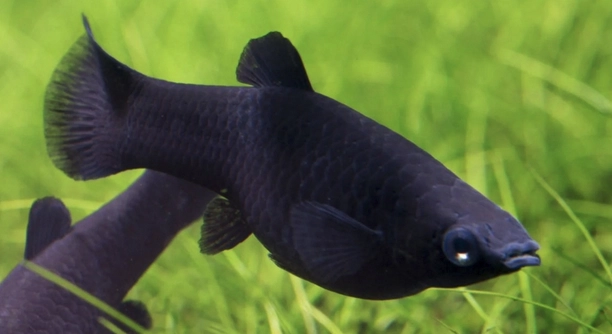
Black Mollies are popular freshwater fish admired for their striking color and peaceful nature. Many aquarists enjoy watching them swim gracefully, but questions often arise about how they interact with others over time. Observing their behavior can be fascinating.
Black Mollies can develop mild territorial behavior as they grow, particularly in smaller tanks. They may claim specific areas for feeding or resting, but this territoriality is generally limited and rarely aggressive, allowing them to coexist peacefully with other compatible fish.
Understanding these behaviors can help you maintain a balanced aquarium. Recognizing subtle territorial patterns ensures a healthier environment for your Mollies and tank mates.
Understanding Black Molly Behavior
Black Mollies are naturally social fish, but they still show signs of establishing personal space. In a community tank, you might notice one fish lingering in a preferred corner or near plants. This behavior usually emerges as they mature, reflecting comfort rather than aggression. Males may display minor chasing or flaring, particularly when competing for food or attention from females. Such interactions are often brief and rarely lead to serious harm. Observing your fish can reveal patterns, like which areas are favored for resting or feeding. Providing sufficient space and hiding spots helps reduce stress and prevents minor territorial disputes from escalating. Tank size plays a critical role: a larger environment allows Mollies to claim small zones without interfering with others. Maintaining clean water and a consistent feeding schedule also encourages calmer behavior. Over time, they learn to coexist while respecting each other’s areas.
Tank size, decorations, and plants significantly influence territorial behavior and overall harmony.
Black Mollies benefit from an environment that balances open swimming areas with places to retreat. Plants, rocks, or ornaments offer privacy and reduce competition. Observing their movement and interactions helps identify potential stress points. Ensuring even food distribution prevents dominant fish from monopolizing resources. Minor chasing is normal, but continuous aggression indicates overcrowding or mismatched tank mates. Regular monitoring and small adjustments to tank layout can promote calmer dynamics. Mollies adapt to their surroundings, but proactive care ensures they thrive together. Over time, they establish a loose hierarchy that minimizes conflict, supporting a peaceful aquarium. Understanding their tendencies allows for informed decisions regarding tank size, population, and decoration placement, resulting in a more stable and enjoyable habitat for both fish and caretaker.
Signs of Territorial Behavior
Black Mollies may stake out certain spots in the tank, like near filters or plants. Minor chasing or nudging can occur, especially among males. These actions are usually brief and part of establishing personal space rather than serious aggression.
Observing feeding patterns can also reveal territorial tendencies. Dominant fish might swim faster toward food, occasionally blocking others. They may flare their fins to assert presence, yet this rarely escalates. Noticing which fish retreat or avoid certain areas helps identify subtle hierarchies. Providing multiple feeding zones and evenly spaced hiding spots minimizes tension. Changes in behavior over time often indicate comfort levels and adaptation to the tank environment.
Territorial signs can extend to resting areas as well. Some Mollies prefer to sleep near plants or ornaments, while others claim open spaces. This division reduces direct conflicts and ensures each fish feels secure. Recognizing these patterns helps in managing tank layout effectively. Adjustments in decoration placement or adding gentle barriers can maintain harmony. Even minor interventions, like adding floating plants or rearranging rocks, create new zones and lessen repeated confrontations, supporting a calmer community tank overall.
Managing Tank Space
Providing ample swimming room and hiding areas helps limit territorial disputes among Black Mollies. Overcrowded tanks increase stress and trigger unnecessary aggression.
Dividing the tank with plants, rocks, or decorations creates visual barriers that reduce direct encounters. Each fish can claim a section without constant interference. Regularly rearranging ornaments keeps the environment stimulating and prevents dominance over a fixed area. Monitoring fish behavior after changes ensures the layout supports peaceful coexistence. Maintaining clean water and stable temperatures further encourages calm interactions. When introducing new Mollies, gradual acclimation helps them settle without provoking territorial displays. Effective space management leads to a balanced, healthy tank where all fish can thrive.
Feeding and Territorial Behavior
Feeding time can intensify minor territorial actions. Dominant Mollies may rush to food first, nudging others aside. Ensuring multiple feeding spots reduces competition and stress.
Observing who consistently claims the best spots helps identify dominant fish. Adjusting feeding routines can balance access and prevent constant chasing.
Tank Decorations and Layout
Proper placement of plants, rocks, and hiding areas creates boundaries that naturally reduce conflict. Each fish can occupy a preferred space without feeling threatened. Visual barriers also help shy Mollies feel secure, limiting aggressive displays. Maintaining variety in decorations encourages exploration and prevents stagnation in behavior patterns.
Social Dynamics Among Mollies
Black Mollies establish a loose hierarchy over time. Males often assert minor dominance through chasing, while females usually remain passive. Recognizing these dynamics helps manage tank interactions effectively and ensures a calmer environment for all fish.
FAQ
Do Black Mollies always show territorial behavior?
Not all Black Mollies display territorial behavior. It often depends on tank size, population density, and individual temperament. Some fish are naturally more passive, while others may occasionally assert dominance. Providing adequate space and hiding spots minimizes aggressive interactions, allowing most Mollies to coexist peacefully without constant disputes.
Can territorial behavior harm other fish?
In most cases, Black Mollies’ territorial behavior is mild and does not cause serious harm. Minor chasing or nudging is common, especially among males, but it rarely results in injury. Aggression may increase in overcrowded tanks or when there are too few hiding spots, so proper tank management is essential.
How can I reduce territorial disputes?
Creating multiple zones in the tank helps reduce conflicts. Adding plants, rocks, and ornaments gives fish areas to retreat to. Feeding in several locations prevents dominant fish from monopolizing food. Occasionally rearranging decorations can refresh the environment and prevent fixed territories from forming.
Do males and females behave differently?
Yes, males are more likely to show territorial tendencies. They may flare fins or chase others during feeding or mating periods. Females are generally less aggressive but may still assert space over preferred resting spots. Recognizing these differences helps in balancing the tank population.
Does tank size affect territory development?
Tank size is a major factor. Smaller tanks increase stress and force fish to compete for limited space, leading to more pronounced territorial behavior. Larger tanks provide room for multiple zones, allowing Mollies to establish loose territories without causing conflict. Proper stocking levels are crucial.
Can adding more Mollies reduce aggression?
Adding more Mollies can sometimes dilute aggression by spreading dominance across several fish. However, overcrowding worsens stress and may trigger more disputes. It’s important to balance numbers with tank size and ensure enough hiding spots and feeding areas for all fish.
Do territorial behaviors change over time?
Yes, territorial behaviors often decrease as Mollies settle into their environment. Young fish may be more active and exploratory, while mature Mollies develop established patterns and learn to coexist with minimal conflict. Observing behavior over weeks can help gauge adjustments needed in the tank layout.
Is feeding the main trigger for territorial displays?
Feeding is a common trigger but not the only one. Preferred resting spots, breeding periods, or high-traffic areas may also provoke minor territorial displays. Ensuring multiple feeding zones and adequate decorations helps reduce triggers and encourages a calm, balanced tank environment.
How do hiding spots influence behavior?
Hiding spots reduce stress and limit aggressive interactions. Mollies use plants, rocks, and ornaments to retreat from dominant fish. Providing a variety of spaces ensures that both shy and assertive fish can find comfort, reducing chasing and allowing more peaceful coexistence.
Can territorial behavior be completely prevented?
Complete prevention is unlikely, as establishing personal space is natural for Mollies. However, careful tank management—sufficient space, decorations, multiple feeding zones, and balanced populations—can minimize conflicts. Observing interactions and making adjustments ensures a healthier, more harmonious environment for all fish.
How do I know if aggression is serious?
Minor chasing and fin displays are normal. Serious aggression involves constant chasing, biting, or visible injuries. Persistent attacks may require separating aggressive individuals, increasing tank size, or adding more hiding spots to restore calm. Monitoring fish daily helps detect issues early.
Do territorial behaviors affect breeding?
Territoriality can influence breeding, especially among males. Dominant males may control access to females or nesting areas. Providing ample space and multiple hiding spots ensures less dominant fish can participate, increasing chances of successful breeding without excessive stress.
Can tank mates influence behavior?
Yes, the choice of tank mates matters. Peaceful, similarly sized fish coexist well with Black Mollies. Aggressive or highly active species may trigger defensive behaviors, increasing territorial displays. Selecting compatible species helps maintain balance and reduces unnecessary stress in the tank.
Are certain decorations better for reducing disputes?
Dense plant clusters, caves, and rocks work best for dividing the tank visually. Tall or layered decorations allow fish to claim vertical space as well. Even simple rearrangements create new boundaries and encourage exploration, reducing fixed territorial claims and supporting calmer interactions.
How often should I rearrange the tank?
Rearranging every few weeks or months helps prevent fixed dominance over a particular area. Small changes, like moving plants or rocks slightly, are usually enough. Frequent or drastic rearrangements can cause stress, so balance is key to maintaining stability.
Do Mollies recognize specific territories long-term?
Yes, Mollies can remember preferred spots over time. Once they find a comfortable area with sufficient cover and minimal competition, they tend to return regularly. Maintaining consistent environmental features ensures they continue to feel secure while minimizing disputes.
Can territorial behavior indicate health issues?
Occasional aggression is normal, but sudden increases in chasing or fin nipping may indicate stress or illness. Poor water quality, overcrowding, or disease can exacerbate behavior. Monitoring water parameters and fish health ensures that behavioral changes are not signs of deeper problems.
Is it better to separate aggressive fish?
Separating excessively aggressive fish can restore calm to the tank. If one fish repeatedly harasses others, temporary or permanent separation prevents injuries. Adding more hiding spots or increasing tank size may allow reintegration without conflict, depending on the situation.
Do juveniles act differently from adults?
Juvenile Mollies are often more playful and exploratory, showing less fixed territorial behavior. As they mature, they establish preferred areas and subtle hierarchies. Understanding these life-stage differences helps manage tank layout and anticipate changes in social dynamics.
Can environmental enrichment reduce aggression?
Yes, enrichment reduces boredom and stress, which in turn lowers minor aggression. Floating plants, caves, and varied textures provide stimulation. Changing decorations occasionally encourages exploration, discourages fixed territories, and promotes a healthier, more balanced community among Black Mollies.
Final Thoughts
Black Mollies are generally peaceful fish, but they do show mild territorial tendencies, especially as they mature. These behaviors are a natural part of their social structure and are usually limited to claiming favorite resting or feeding areas. Minor chasing, flaring, or nudging is normal and rarely leads to serious conflict. Observing your Mollies over time helps identify which individuals are dominant and which areas of the tank they prefer. Providing ample swimming space and a variety of hiding spots allows each fish to establish its own comfort zone without interfering with others. Plants, rocks, and other decorations serve as visual boundaries that help reduce tension. Even small adjustments to tank layout can prevent repeated disputes and encourage calmer interactions. Recognizing and understanding these behaviors allows you to manage your aquarium more effectively while maintaining a healthy and balanced environment for all fish.
Feeding routines also influence territorial displays. Mollies may rush to food first or chase others away from favored feeding spots, but this behavior can be managed with careful planning. Offering multiple feeding zones ensures that all fish have access to food without constant competition. Distributing flakes or pellets in different areas, or providing sinking foods for bottom dwellers, reduces the likelihood of aggression. Observing patterns during feeding time can reveal which fish dominate certain areas and which may need additional support or hiding spots. Over time, Mollies often settle into predictable routines, establishing loose hierarchies that limit conflict. Adjusting the tank layout or adding enrichment such as floating plants or new ornaments can redirect energy and minimize repeated territorial challenges. Proper management of feeding and environmental conditions promotes a more peaceful community, keeping stress low and allowing all fish to thrive.
Tank size and population density play a critical role in minimizing aggressive behaviors. Overcrowded tanks increase competition for space and resources, which can heighten territorial disputes. Larger tanks provide more freedom for each fish to claim a preferred area, reducing the frequency of conflicts. Juvenile Mollies are often more active and exploratory, but as they mature, their behaviors become more settled. Recognizing these changes allows you to anticipate and manage minor disputes before they escalate. Careful selection of tank mates is also important; peaceful species of similar size coexist best with Black Mollies, while highly aggressive or active fish may trigger defensive behaviors. Monitoring water quality, maintaining stable conditions, and providing consistent care all contribute to a harmonious aquarium. By understanding and addressing the natural tendencies of Black Mollies, you can create a calm, balanced, and enjoyable environment for both the fish and yourself.

Hello,
If you enjoy the content that we create, please consider saying a "Thank You!" by leaving a tip.
Every little bit helps us continue crafting quality advice that supports the health, happiness, and well-being of pets around the world, for pets of all shapes, sizes, and species.
We really appreciate the kindness and support that you show us!