
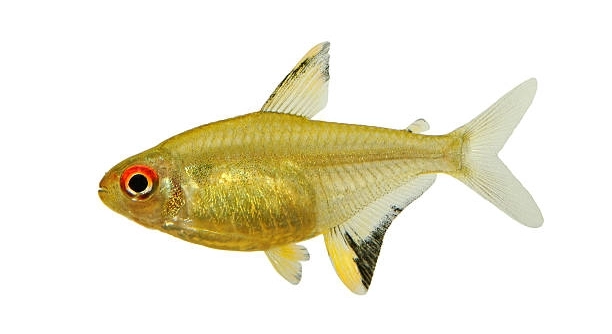
Do you ever notice your lemon tetras swimming in patterns and wonder why they move the way they do? Observing their tiny, bright bodies can be relaxing, but their behavior may sometimes feel confusing for beginners.
Lemon tetras display schooling behavior as a natural instinct for safety and social interaction. They prefer to swim in groups of six or more, and sudden changes in their environment can lead to stress or erratic movements.
Learning these basic behavior patterns can help you maintain a peaceful and healthy aquarium environment for your tetras.
Why Lemon Tetras School Together
Lemon tetras often swim in tight groups, which can seem both mesmerizing and puzzling. This schooling behavior is natural and provides safety from perceived threats. When they move as a unit, each fish feels more secure, reducing stress and increasing their confidence. A lone tetra may appear timid or hide more often, showing that social interaction is critical to their well-being. Observing a well-formed school reveals patterns in movement, signaling comfort or alertness in the tank. Consistency in lighting, water temperature, and minimal sudden disturbances helps maintain steady schooling. Over time, you may notice tetras forming subgroups within the larger school, which reflects their social hierarchy. Providing plants or decorations allows for shelter while maintaining open swimming space, which supports both exploration and schooling instincts. Beginners often underestimate the role of group size, but at least six fish are recommended to see natural schooling behavior fully emerge.
Keeping lemon tetras in groups of six or more reduces stress and encourages natural movement, making the aquarium feel lively.
Maintaining proper school size is important for their mental health. Tanks that are too small or overcrowded can disrupt group cohesion, leading to erratic swimming or hiding. Observing interactions helps detect any stressed or sick fish early. Water conditions, including pH, temperature, and oxygen levels, directly impact behavior. A calm environment allows tetras to establish social bonds and swim confidently without sudden bursts of panic. Consistent feeding times encourage routine movement, making their behavior predictable. Over time, understanding their schooling patterns can help in arranging tank decor to minimize conflicts. Even slight changes, like adding a new fish or rearranging decorations, can temporarily alter their formation, so gradual adjustments are best. Monitoring these patterns helps ensure a healthy, balanced aquarium where lemon tetras thrive.
Recognizing Signs of Stress
Stress in lemon tetras can appear as darting, clamped fins, or hiding. Observing these signs early prevents bigger problems.
Stress often results from changes in water quality, tank mates, or lighting, affecting their health.
Small adjustments in care routines can reduce stress significantly. Ensuring consistent feeding, stable water conditions, and enough swimming space allows tetras to regain calm. Avoid overcrowding and sudden movements near the tank. Adding gentle filtration and dim lighting can mimic natural habitats, providing security. Monitoring their reactions after changes helps determine if further adjustments are needed. Even temporary stress can make them more prone to disease, so early intervention is key. Providing plants and open areas supports their natural instincts, allowing for hiding and schooling simultaneously. Understanding these stress indicators helps you respond effectively, keeping lemon tetras healthy and active.
Lemon Tetras and Tank Size
A small tank can make lemon tetras feel cramped, causing stress and erratic swimming. They need space to school properly and explore without constant collisions or hiding due to overcrowding.
Providing at least a 20-gallon tank for a small group ensures enough swimming room and comfort. Open areas combined with planted sections allow tetras to display natural behavior. Too little space can lead to aggression, stunted growth, or health issues. Regularly checking tank dimensions against fish numbers helps maintain balance. A well-sized tank supports proper oxygen circulation, stable temperature, and reduced stress. These conditions let tetras thrive while showing vibrant colors and energetic schooling patterns. Planning tank size ahead of time avoids future problems.
Space also affects social interaction. A roomy tank encourages schooling, reduces conflicts, and lets each fish find its preferred swimming zones. Plants, rocks, and decorations should not obstruct too much of the swimming area. A balance between open swimming lanes and shelter spots ensures comfort. Proper spacing allows feeding routines to be predictable, minimizing competition and stress. Lemon tetras are more likely to display healthy, natural behavior when they have room to move freely. Observing their patterns helps refine tank layout for long-term well-being.
Feeding Behavior
Lemon tetras eat small flakes, micro pellets, and occasional live foods. Consistent feeding supports health and energy levels.
They prefer multiple small feedings instead of one large meal, reducing waste and keeping water clean. Overfeeding can cause bloating, water pollution, and increased stress. Observing how they approach food helps gauge health. Maintaining a varied diet ensures proper growth, bright coloration, and active behavior. Live or frozen options like daphnia or brine shrimp stimulate natural hunting instincts. Monitoring feeding patterns also reveals hierarchy within the school. Adjusting portion sizes prevents uneaten food from polluting the tank, supporting stable water quality and overall health.
Feeding behavior provides insight into their comfort and social dynamics. Aggressive or hesitant eating may indicate stress or illness. Fish that consistently avoid food might be hiding or struggling with tank conditions. Rotating food types ensures balanced nutrition, encouraging natural foraging behavior. Watching how lemon tetras respond to feeding helps identify any weaker or sick individuals early. Tank layout, light levels, and water temperature can also influence appetite, making small adjustments helpful. Over time, careful observation and routine feeding support healthy, active schooling and reduce conflicts during mealtime.
Interaction with Other Fish
Lemon tetras are peaceful but may be stressed by aggressive tank mates. Choosing calm species helps maintain harmony in the aquarium.
They thrive with similar small, non-aggressive fish. Avoid large or territorial species that might chase or nip them.
Breeding Behavior
Lemon tetras spawn in planted areas with gentle lighting. Males display brighter colors and chase females briefly. Eggs are scattered among fine-leaved plants or spawning mops. After laying, adults may eat the eggs, so separating them or using a breeding tank is often necessary. Fry hatch in about two days and require tiny foods like infusoria or newly hatched brine shrimp. Proper water conditions and temperature around 78°F support successful breeding. Observing their courtship behavior helps identify compatible pairs and timing for spawning. Regular water changes and careful feeding ensure healthy fry growth.
Nighttime Behavior
At night, lemon tetras become less active and seek shelter among plants or decorations. They rest but remain alert to movements in the tank.
How many lemon tetras should I keep together?
Lemon tetras are social fish that feel safest in groups. Keeping at least six allows them to display natural schooling behavior. Smaller groups often result in stress, hiding, or erratic swimming. Larger groups are fine as long as the tank is spacious enough. A 20-gallon tank comfortably supports a small school, but adding more fish requires careful consideration of swimming space and filtration. Observing their interactions in different group sizes helps determine the ideal number. Schools allow them to feel secure, reduce stress, and maintain consistent activity throughout the day.
What do lemon tetras eat?
Lemon tetras are omnivores and thrive on a varied diet. Flake food or micro pellets form the main diet, but live or frozen foods like daphnia, brine shrimp, or bloodworms enhance nutrition and color. Feeding small portions multiple times a day is better than a single large meal. Overfeeding can cause bloating, uneaten food, and water quality issues. Offering occasional vegetables, like blanched spinach, adds fiber and variety. Observing how they respond to different foods helps gauge health and appetite. Healthy tetras are active during feeding and eagerly swim to eat, reflecting their comfort and well-being.
Do lemon tetras get along with other fish?
Yes, lemon tetras are peaceful and do well with other non-aggressive species of similar size. Ideal tank mates include small rasboras, guppies, and corydoras. Avoid larger or territorial fish that may chase or nip them. Stress from aggressive companions can lead to hiding, color loss, or reduced activity. Monitoring interactions when introducing new fish is essential. Overcrowding also increases stress and competition for food. Keeping compatible species ensures calm schooling, natural behavior, and better overall health. Lemon tetras rely on a stable social environment, and careful selection of tank mates contributes to a balanced aquarium ecosystem.
How do I know if my lemon tetras are stressed?
Signs of stress include clamped fins, erratic swimming, hiding, or reduced appetite. Sudden changes in water quality, temperature, lighting, or tank layout can trigger these behaviors. Stress weakens the immune system, making fish more prone to illness. Correcting water conditions, ensuring adequate space, and maintaining a peaceful environment helps reduce stress. Adding plants and hiding spots provides security. Observing their daily activity and swimming patterns gives early clues to potential problems. Early intervention prevents long-term health issues and promotes a calmer, more active school. Consistent care routines are key to stress management.
Can lemon tetras breed in a home aquarium?
Yes, lemon tetras can breed if conditions are right. They prefer planted areas with gentle lighting for spawning. Males become brighter and briefly chase females to encourage egg-laying. Eggs are scattered among fine-leaved plants or spawning mops. Adults may eat eggs, so separating them or using a breeding tank is recommended. Fry hatch in about two days and require very small foods like infusoria or newly hatched brine shrimp. Maintaining stable water conditions and a temperature near 78°F increases success. Observing courtship behavior helps identify compatible pairs, and careful feeding ensures healthy fry growth and development.
Why do lemon tetras swim erratically sometimes?
Erratic swimming often indicates stress, poor water quality, or illness. Sudden changes in temperature, pH, or ammonia levels can trigger panic movements. Overcrowding, aggressive tank mates, or insufficient hiding places also contribute. Observing water parameters regularly helps detect issues early. Providing enough space, a calm environment, and regular feeding routines supports steady, natural swimming. If erratic behavior persists, checking for disease signs, such as spots, fin damage, or rapid gill movement, is important. Correcting these factors restores comfort, allowing tetras to swim in coordinated schools.
Do lemon tetras need special lighting or tank decor?
Moderate lighting and planted areas make lemon tetras feel secure. Plants, rocks, and decorations provide hiding spots and simulate a natural environment. Too bright lighting may cause stress, while too little can reduce activity and color intensity. Open swimming space is essential to support schooling behavior. Adding floating plants or low-light zones offers shelter and helps maintain a calm atmosphere. Tank layout affects movement patterns, feeding behavior, and social interactions. Observing how tetras respond to different decor arrangements helps refine the environment. A well-planned tank balances hiding places with open swimming lanes, encouraging healthy, active schooling.
How often should I clean the tank for lemon tetras?
Regular maintenance is important to prevent stress and disease. Partial water changes of 20-30% every week help maintain stable water conditions. Removing uneaten food, waste, and debris prevents ammonia buildup and keeps the tank healthy. Checking filters, substrate, and decorations ensures cleanliness without disturbing the fish too much. Over-cleaning can be stressful, so balance is key. Maintaining a consistent schedule allows lemon tetras to thrive and display natural behavior. Observing water parameters, like pH, nitrate, and temperature, alongside cleaning routines, supports overall health and vibrant coloration.
Do lemon tetras sleep at night?
Yes, lemon tetras rest at night but remain alert. They slow down swimming, often gathering near plants or decorations for shelter. Dim lighting or a darkened tank helps simulate natural day-night cycles. Even while resting, they may respond to sudden movements or changes. Providing safe, calm spaces encourages proper sleep, supporting health and energy for daytime activity. Observing their resting patterns gives insight into comfort and environmental suitability. Proper night routines reduce stress and support consistent schooling and feeding behavior during the day.
Total word count: 520
Lemon tetras are small, vibrant fish that can bring life and movement to any aquarium. They are peaceful, social, and generally easy to care for, which makes them a good choice for beginners and experienced aquarists alike. Understanding their natural behavior, including schooling, feeding habits, and interactions with other fish, is key to maintaining a healthy tank. Observing them closely allows you to notice changes in behavior that may indicate stress, illness, or environmental issues. A well-maintained tank with proper water conditions, sufficient space, and suitable tank mates supports their natural instincts and keeps them active and vibrant.
Creating the right environment for lemon tetras involves balancing open swimming areas with plants and decorations that provide shelter. They feel most comfortable in groups of six or more, and the tank should allow them enough room to swim freely without overcrowding. Water quality is essential, so regular monitoring of temperature, pH, and nitrate levels is important. Consistent feeding routines and a varied diet help them maintain bright colors and healthy growth. Stress can be minimized by avoiding aggressive fish, sudden changes in the tank, or overfeeding, which affects both water quality and their overall health. Understanding these basic needs ensures that lemon tetras are not only surviving but thriving in your care.
Breeding and nighttime behavior are also important aspects to consider. Lemon tetras spawn in planted areas, and careful management of adults and fry helps ensure successful growth. During rest periods at night, they gather near plants or decorations, which shows the importance of providing hiding spots. Even simple observations, like how they react to feeding or interact with other fish, can provide insight into their well-being. Maintaining a stable environment, paying attention to their schooling patterns, and addressing small issues quickly creates a healthy and balanced aquarium. By understanding these behaviors and needs, you can enjoy the natural beauty and activity of lemon tetras while keeping them healthy and stress-free.
Total word count: 409

Hello,
If you enjoy the content that we create, please consider saying a "Thank You!" by leaving a tip.
Every little bit helps us continue crafting quality advice that supports the health, happiness, and well-being of pets around the world, for pets of all shapes, sizes, and species.
We really appreciate the kindness and support that you show us!