
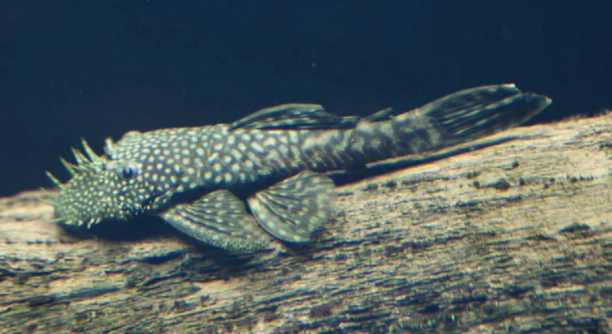
Do you ever notice your pleco hiding more than usual or acting restless in its tank? Watching them become stressed can be concerning, especially when you want your fish to stay healthy and peaceful in their environment.
Reducing pleco stress naturally involves creating a stable and comfortable habitat, providing proper nutrition, maintaining clean water conditions, and introducing environmental enrichments. These strategies support their well-being and help prevent stress-related health issues.
Implementing these simple changes can make a noticeable difference in your pleco’s daily life and overall happiness in the aquarium.
Provide Hiding Spots
Plecos feel safer when they have places to hide. Rocks, caves, and driftwood can give them private areas to retreat when they feel stressed. Adding plants around the tank also creates natural hiding spaces and reduces their exposure to light. Overcrowding can make plecos anxious, so avoid putting too many fish in one tank. Observing your pleco’s behavior will help you know which areas they prefer and how often they use them. Sometimes they may choose a cave during the day and explore at night. Maintaining a consistent layout is important because sudden changes can increase stress. When you rearrange decorations or clean the tank, try to keep the familiar spots intact. Even small hiding places can provide comfort. The more comfortable your pleco feels, the more active and healthy it will remain. Over time, these simple adjustments can improve their mood and behavior significantly.
Hiding spots reduce anxiety and give plecos control over their environment. It’s a simple way to lower stress naturally.
Plecos are naturally nocturnal and shy during the day. By giving them secure hiding areas, they can feel safe to explore when ready. Driftwood is especially beneficial because it also provides surfaces for grazing. Plants and rocks add layers of protection and variety. A stress-free pleco is more likely to feed regularly, grow steadily, and show natural behaviors. Creating an environment that mimics their natural habitat is key for long-term health. Watching them use these spaces can be rewarding, as they seem calmer and more confident. Small changes, like adding a single cave or cluster of plants, can make a noticeable difference. Regularly observing your pleco ensures their hiding spots meet their needs and that they remain comfortable throughout the day.
Maintain Clean Water
Dirty water is stressful for plecos and can cause health issues if not addressed promptly. Frequent water changes and proper filtration are essential to remove waste, excess food, and harmful chemicals. Test water regularly to monitor pH, ammonia, nitrite, and nitrate levels, keeping them within safe ranges for plecos. Avoid using harsh chemicals or sudden temperature changes that can shock the fish. Clean decorations and substrate gently to prevent buildup. Aeration and circulation also help maintain oxygen levels. Filtration systems should match the tank size and be cleaned according to manufacturer guidelines. Monitoring water clarity and smell gives clues about overall tank health. Clean water creates a stable environment where plecos feel secure and are less likely to display stress-related behaviors. Regular maintenance not only supports your pleco’s health but also reduces the chance of disease spreading to other tank inhabitants.
Maintaining clean water is essential to reduce stress and protect plecos from illness. Regular care keeps the tank safe and stable.
Water quality directly impacts pleco behavior and long-term health. Dirty or stagnant water can cause lethargy, loss of appetite, and susceptibility to disease. Plecos produce a significant amount of waste, so consistent water changes are crucial. A proper filter removes debris, while water testing ensures chemical levels stay safe. Aeration improves oxygen, which is vital for overall well-being. Keeping the tank clean reduces stress signals, like hiding excessively or scraping against surfaces. Some plecos are sensitive to even minor changes, so gentle cleaning routines help maintain stability. Observing water clarity, color, and odor gives immediate feedback about the tank environment. Over time, these habits create a comfortable habitat where plecos thrive. Pairing clean water with appropriate hiding spots and nutrition enhances overall health. Investing time in maintenance prevents larger problems and ensures your pleco remains active, healthy, and stress-free.
Offer a Balanced Diet
A varied diet helps plecos stay healthy and reduces stress. Feeding algae wafers, fresh vegetables, and occasional protein supplements provides essential nutrients for growth and well-being.
Including a mix of vegetables like zucchini, cucumber, and spinach ensures fiber and vitamins. Algae wafers help satisfy their natural grazing behavior, while occasional protein treats, like shrimp pellets, support muscle development. Avoid overfeeding, as leftover food can pollute the tank and increase stress. Observing feeding habits can indicate their health; a stressed pleco may eat less or avoid certain foods. Rotating diet options keeps them engaged and prevents nutrient deficiencies. A well-fed pleco is more active, calmer, and shows natural behaviors more consistently.
Fresh food must be washed and trimmed properly before offering to prevent water contamination. Introduce new items gradually so your pleco adjusts without digestive upset. Vegetables can be blanched to soften them, making it easier for the fish to eat. Monitoring leftovers ensures water remains clean. Consistent feeding times create routine, which reduces stress. By providing a balanced diet and observing your pleco’s preferences, you support both physical health and mental comfort. Small adjustments in feeding can make a noticeable difference in their energy and activity.
Maintain Proper Tank Temperature
Plecos are sensitive to temperature fluctuations, and keeping water stable is essential to reduce stress. Sudden changes can cause lethargy, loss of appetite, or illness.
Using a reliable heater and thermometer helps maintain consistent water temperature within the species’ ideal range. Monitor daily for changes caused by seasonal shifts or equipment issues. Avoid placing the tank near windows or heating vents that cause temperature swings. Stable temperature improves metabolism, immune response, and overall behavior, keeping your pleco calm and active.
Temperature also influences oxygen levels and activity patterns. Warmer water increases metabolism but reduces oxygen, while cooler water slows digestion. Gradual adjustments are key when acclimating new plecos. Observing behavior, like hiding or resting near the surface, indicates discomfort. Pairing temperature control with proper filtration and hiding spots creates a comfortable, stress-free environment. Regularly checking equipment ensures reliability, reducing sudden shocks. A stable tank encourages feeding, exploration, and natural behaviors, supporting long-term health and resilience.
Reduce Tank Noise
Loud vibrations and constant banging can stress plecos. Keep the tank in a quiet area and minimize sudden impacts near the glass.
Filters and air pumps should run smoothly without rattling. Soft padding under the tank can absorb vibrations and reduce noise, making the environment calmer.
Add Environmental Enrichment
Providing logs, smooth rocks, and driftwood encourages natural behavior and exploration. Plecos enjoy surfaces to graze and hide under, which lowers stress. Changing decorations occasionally keeps the tank interesting without startling them, supporting mental stimulation and comfort in their habitat.
Keep Compatible Tankmates
Avoid aggressive or overly active fish that may harass plecos. Calm, slow-moving species help maintain a peaceful environment and reduce stress.
FAQ
How often should I change my pleco’s water?
Plecos benefit from regular water changes to maintain clean and healthy conditions. Generally, changing 20–30% of the water weekly keeps ammonia and nitrate levels low. Large tanks may allow for slightly less frequent changes, but smaller tanks need more attention. Always use dechlorinated water at the same temperature as the tank to avoid shocking your fish. Consistent water maintenance reduces stress and prevents common health issues. Monitoring water clarity and behavior after each change helps ensure the pleco is adjusting well to the new water.
What types of vegetables can I feed my pleco?
Plecos enjoy vegetables such as zucchini, cucumber, spinach, and peas. Blanching vegetables lightly can make them softer and easier to eat. Rotate vegetables to provide a variety of nutrients and prevent boredom. Some plecos also enjoy occasional protein sources like shrimp pellets or bloodworms, but vegetables should make up the majority of their diet. Remove uneaten food after a few hours to keep the water clean. Fresh, properly prepared vegetables support digestion, growth, and stress reduction.
How do I know if my pleco is stressed?
Signs of stress include hiding excessively, refusing food, scraping against surfaces, or unusual swimming patterns. Lethargy and rapid gill movement may indicate discomfort. Observing behavior daily allows you to spot changes quickly. Stress can result from poor water quality, aggressive tankmates, or inadequate hiding spaces. Adjusting these conditions promptly helps your pleco feel secure. Stress often affects appetite and immune response, so early detection is crucial. Creating a calm environment with clean water, proper diet, and hiding spots keeps stress levels low.
Can plecos live with other fish?
Yes, plecos can live with peaceful tankmates that do not harass them. Avoid aggressive or territorial species, as they may stress your pleco. Slow-moving, non-aggressive fish are ideal companions. Providing plenty of hiding places and space helps reduce potential conflicts. Observing interactions in the first few weeks ensures your pleco adapts well to tankmates. Stress from incompatible species can lead to health issues, so careful planning is important.
How important is tank temperature for plecos?
Tank temperature is crucial for pleco health. Most species prefer a stable range between 72°F and 78°F, though specific species may vary. Sudden changes can cause lethargy, appetite loss, or illness. Use a reliable heater and thermometer to maintain consistency. Gradual acclimation is necessary when introducing new water or moving the tank. Proper temperature improves metabolism, feeding behavior, and immune function, reducing overall stress. Pair temperature stability with clean water and proper hiding spots to support a comfortable environment.
How often should I clean decorations and substrate?
Regular cleaning of decorations and substrate prevents algae buildup and maintains water quality. Clean driftwood, rocks, and caves gently to avoid damaging surfaces your pleco uses for grazing. Substrate can be vacuumed during water changes to remove debris. Avoid harsh chemicals; use tank water for rinsing. Consistent cleaning supports a stress-free environment, reduces disease risk, and helps your pleco remain active and healthy. Observing leftover food and waste patterns helps determine when more thorough cleaning is necessary.
Is it necessary to provide hiding spots for plecos?
Yes, hiding spots are essential for plecos to feel secure. Caves, driftwood, and dense plants allow them to retreat and reduce anxiety. Even small shelters improve their comfort and encourage natural behavior. Maintaining familiar hiding places prevents unnecessary stress caused by constant changes in the tank layout. Observing which spots are used most can guide further enrichment. Hiding spots also help them rest during the day, supporting overall well-being and a calm demeanor.
How can I prevent my pleco from overgrazing on decorations?
Providing a balanced diet with plenty of vegetables and algae wafers reduces excessive scraping on decorations. Ensure driftwood and rocks are smooth to prevent injury. Offering multiple grazing surfaces distributes feeding activity and prevents localized damage. Monitor behavior to identify if overgrazing is due to stress or insufficient nutrition. Adjusting feeding routines and enrichment can help maintain healthy behavior while keeping decorations intact.
Do plecos need a special substrate?
Plecos prefer smooth, soft substrates like sand or fine gravel to protect their sensitive undersides. Sharp or coarse gravel can cause injuries and increase stress. Substrate also affects water quality; fine sand traps debris, making cleaning easier. Combining appropriate substrate with hiding spots and enrichment creates a safe, comfortable environment, encouraging natural grazing and reducing stress. Regular observation ensures the substrate remains clean and undisturbed.
Can stress affect my pleco’s lifespan?
Yes, chronic stress can weaken the immune system, reduce appetite, and increase susceptibility to disease. Long-term stress may shorten lifespan if not addressed. Providing a stable environment with proper water quality, diet, temperature, and enrichment is crucial. Monitoring behavior and making adjustments promptly helps your pleco live a healthier, longer life. Small, consistent changes in care can have a significant impact on longevity and well-being.
This FAQ covers essential aspects of pleco care to reduce stress and maintain their health in a home aquarium. Following these practices ensures your pleco remains active, comfortable, and thriving over time.
Word count: 507
Final Thoughts
Caring for a pleco requires attention to its environment, diet, and daily habits. Stress is one of the most common challenges for plecos in home aquariums, and it can affect their health and behavior in noticeable ways. By providing clean water, hiding spots, and proper nutrition, you give your pleco the tools to feel safe and comfortable in its tank. Consistent observation of your pleco’s behavior is key to understanding its needs. Noticing changes early, such as reduced appetite or unusual swimming patterns, allows you to make small adjustments that prevent more serious problems. Maintaining stable water temperature and quality is also important, as fluctuations can quickly increase stress levels. Even small details, like the placement of rocks, plants, or driftwood, contribute to a sense of security. Plecos are naturally shy and nocturnal, so respecting their patterns and giving them space to retreat during the day helps them feel at ease.
Feeding a balanced diet is another essential aspect of reducing stress. Plecos benefit from a combination of algae wafers, fresh vegetables, and occasional protein supplements. Introducing new foods gradually ensures they adjust without digestive upset, and rotating vegetables provides a variety of nutrients. Overfeeding should be avoided, as leftover food can pollute the tank and increase stress. Observing what your pleco prefers helps you make better choices and ensures it gets the nutrition it needs. In addition, environmental enrichment, such as smooth rocks, caves, and driftwood, encourages natural grazing and exploration behaviors. This not only reduces stress but also supports mental stimulation, keeping your pleco more active and engaged. Pairing enrichment with compatible tankmates helps maintain a calm environment, as overly aggressive or active species can contribute to stress. By paying attention to these details, you create a stable and supportive habitat for your pleco, which promotes both health and happiness.
Finally, consistent care and attention make the biggest difference in reducing pleco stress. Regular water changes, monitoring tank conditions, maintaining proper temperature, and observing behavior all contribute to a healthier, calmer fish. Small, steady changes in routine can have a large impact on overall well-being, making your pleco more active and less anxious. Stress, if left unchecked, can shorten a pleco’s lifespan and lead to health complications, so preventive measures are always better than reactive ones. Over time, these practices build a stable environment that mirrors their natural habitat, supporting natural behavior and providing comfort. Each pleco is unique, and paying attention to individual preferences for hiding spots, diet, and social interactions ensures they feel secure. By combining proper care, observation, and adjustments based on your pleco’s responses, you can reduce stress and help it thrive. A calm and well-supported pleco is more likely to display healthy behaviors, feed consistently, and live a longer, happier life. With patience and consistency, you can create a tank that meets both their physical and mental needs, ensuring your pleco remains a vibrant and healthy member of your aquarium.
Word count: 419

Hello,
If you enjoy the content that we create, please consider saying a "Thank You!" by leaving a tip.
Every little bit helps us continue crafting quality advice that supports the health, happiness, and well-being of pets around the world, for pets of all shapes, sizes, and species.
We really appreciate the kindness and support that you show us!