
Paragraph 1:
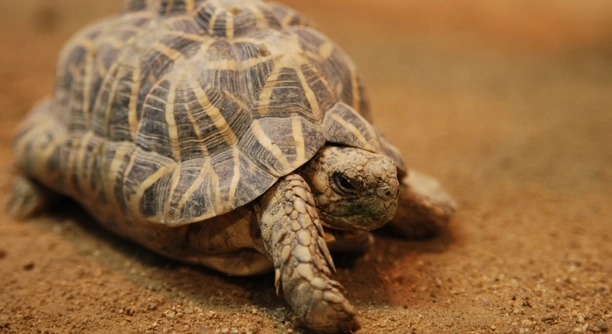
Maintaining the right humidity for your Indian Star Tortoise is essential for its well-being. These tortoises require a controlled environment to thrive and stay healthy, which includes proper humidity levels.
Paragraph 2:
To maintain the ideal humidity for Indian Star Tortoises, it is essential to regulate their habitat by adjusting factors such as substrate moisture, enclosure ventilation, and humidity sources. Regular monitoring and maintenance of these factors will ensure optimal humidity levels.
Paragraph 3:
By making simple adjustments to your tortoise’s environment, you can maintain the perfect conditions for their health. This article covers the top methods to help you achieve just that.
1. Choose the Right Substrate for Proper Humidity
The right substrate plays a significant role in maintaining humidity levels for your Indian Star Tortoise. Using materials like coconut coir, sphagnum moss, or orchid bark will help retain moisture and keep the environment humid without being too wet. These substrates are excellent at absorbing water and releasing it gradually, ensuring your tortoise’s habitat remains balanced. Additionally, avoid using sand or gravel as they do not hold moisture effectively, leading to a dry environment.
A good substrate not only helps maintain humidity but also allows your tortoise to dig and burrow, replicating its natural habitat. Regularly misting the substrate will also improve moisture retention and help in regulating humidity levels.
Keeping the substrate moist is essential, but make sure it doesn’t become overly wet, which can cause other problems like mold growth. Aim for a slightly damp substrate to create the perfect balance for your tortoise.
2. Proper Ventilation is Key
Humidity levels can fluctuate if your enclosure isn’t well-ventilated.
Ensure your tortoise’s habitat has ventilation holes that allow air to circulate. This will help maintain a steady level of humidity without creating a stagnant, damp atmosphere. Proper airflow is also crucial for preventing mold and bacteria growth.
If your enclosure is too sealed off, moisture will become trapped, leading to excessive humidity. On the other hand, poor ventilation will cause humidity levels to drop. Aim for a balance with ventilation holes placed strategically in the enclosure. This way, your tortoise will be comfortable in a humid yet fresh environment.
3. Use a Humidifier
A humidifier can help maintain consistent humidity levels for your tortoise. These devices release moisture into the air, preventing the environment from becoming too dry. You can place a small, adjustable humidifier near the enclosure to control humidity.
When using a humidifier, make sure to monitor humidity levels regularly to prevent over-humidification, which can lead to mold or respiratory issues for your tortoise. Choose a humidifier with a built-in hygrometer for easier monitoring. It’s also helpful to clean the humidifier regularly to avoid bacterial buildup.
In addition to keeping humidity levels stable, a humidifier will also reduce the need for constant misting, making maintenance easier. This is especially useful if you live in an area with a dry climate or have difficulty keeping humidity consistent. Over time, the device will help create a more comfortable environment for your Indian Star Tortoise.
4. Mist Regularly for Humidity
Misting is a simple yet effective way to maintain humidity in your tortoise’s enclosure. Regularly spraying water on the substrate and inside the enclosure can help increase moisture levels.
Make sure to mist the enclosure daily, especially during dry seasons, to keep humidity at the right level. You can adjust the frequency depending on the environment and temperature. Be sure to avoid excessive misting, as too much water can make the enclosure too damp.
In addition to increasing humidity, misting also helps with hydration. Your tortoise will appreciate the added moisture in the air, which will assist in keeping its skin healthy and prevent dehydration. Just be mindful to keep the water droplets light to avoid saturating the habitat.
5. Maintain a Stable Temperature
Temperature and humidity go hand in hand. A warm enclosure helps moisture to stay in the air, preventing it from becoming too dry.
Keeping the temperature consistent is key for maintaining the right humidity. Invest in a reliable thermostat and use heat lamps or ceramic heaters to create a warm environment, ensuring that humidity levels are not compromised.
The right temperature range for an Indian Star Tortoise is typically between 85°F and 90°F during the day, with a slight drop at night. This heat helps to encourage proper humidity by preventing excessive moisture loss. Ensure there are no sudden temperature fluctuations, as this can lead to stress or dehydration.
6. Use a Water Dish
A shallow water dish in the enclosure can also contribute to the overall humidity levels.
The water dish not only gives your tortoise a place to drink but also helps keep the air moist. Make sure to clean it daily to avoid bacteria buildup.
Position the water dish strategically, ensuring that it doesn’t create wet spots on the substrate, which could lead to an overly damp environment. A clean and well-placed water dish is a simple way to boost humidity while providing hydration for your tortoise.
FAQ
What is the ideal humidity level for an Indian Star Tortoise?
The ideal humidity level for an Indian Star Tortoise should be between 50% and 70%. It’s important to keep the humidity within this range to ensure your tortoise remains healthy and hydrated. Too little humidity can lead to dehydration and respiratory issues, while excessive humidity can cause mold growth and other health problems. Regularly check the humidity with a hygrometer to make sure the levels are stable.
How often should I mist my tortoise’s enclosure?
Misting should be done daily, particularly during dry seasons or when your home’s humidity is low. Light misting ensures the substrate stays moist, helping maintain a balanced humidity level. Depending on your environment, you may need to adjust how often you mist. Make sure not to overdo it, as excessive water could create a damp environment, which is not ideal for your tortoise.
Can I use a humidifier to maintain humidity levels?
Yes, a humidifier is a great tool to help maintain stable humidity levels, especially in dry climates. By using a small, adjustable humidifier near your tortoise’s enclosure, you can add moisture to the air, preventing it from becoming too dry. It’s important to monitor humidity levels to avoid making the environment too humid, which could lead to issues like mold growth or respiratory problems.
Can the temperature affect the humidity in my tortoise’s enclosure?
Yes, temperature plays a major role in controlling humidity. A warmer enclosure will help the moisture in the air stay at the right level. You should maintain a temperature range of 85°F to 90°F during the day, with a slight drop at night. Using a heat lamp or ceramic heater can help achieve the correct temperature and maintain the necessary humidity levels.
What kind of substrate should I use for my tortoise’s enclosure?
The best substrates for maintaining humidity are coconut coir, sphagnum moss, and orchid bark. These materials hold moisture well and help regulate humidity levels in the enclosure. Avoid using sand or gravel, as they don’t retain moisture effectively and can lead to a dry environment. Regularly mist the substrate to keep it slightly damp for optimal humidity.
How can I tell if my tortoise’s enclosure is too humid?
If the enclosure is too humid, you may notice excess moisture on the walls or substrate. The air may feel damp or musty, and mold could start to form. Your tortoise might also show signs of respiratory distress, such as wheezing or difficulty breathing. To correct the issue, improve ventilation and adjust the misting or humidifier settings.
Is it safe to place a water dish in my tortoise’s enclosure?
Yes, a shallow water dish is essential for hydration and also helps increase humidity levels. Make sure the water dish is clean and free from bacteria. The dish should be large enough for your tortoise to drink from but not deep enough for it to soak in, as tortoises don’t need to be immersed in water.
How do I prevent mold growth in my tortoise’s enclosure?
Mold growth can occur if the humidity is too high or if the enclosure is too damp. To prevent mold, make sure the enclosure has proper ventilation and is not overly misted. Clean the substrate regularly and replace it if necessary. Using a hygrometer to monitor humidity levels can also help keep mold from forming.
Can I use a spray bottle to mist my tortoise’s enclosure?
Yes, using a spray bottle is an easy and effective way to mist your tortoise’s enclosure. Just ensure you’re using it lightly and evenly, not over-saturating the substrate. This method allows you to adjust the amount of water added to the environment. Be careful not to create a wet, soggy environment that could harm your tortoise.
How do I maintain the right humidity in a dry climate?
In dry climates, it’s crucial to use additional methods like a humidifier, frequent misting, and using humidity-retaining substrates. Keep the enclosure in a location where the air doesn’t fluctuate too much, and consider adding a water dish to help maintain moisture. Regularly monitor the humidity levels with a hygrometer to ensure they stay within the ideal range.
Final Thoughts
Maintaining the right humidity for your Indian Star Tortoise is crucial for its overall health and well-being. Tortoises, like all reptiles, rely on specific environmental conditions to stay healthy, and humidity plays a big role in this. If the humidity levels are too low, your tortoise can become dehydrated, leading to various health problems. On the other hand, if it’s too high, you may encounter issues like mold or respiratory infections. The key is finding the right balance and adjusting your setup as needed.
Using a combination of methods to control humidity is the best approach. Choosing the right substrate, adding a water dish, misting regularly, and using a humidifier or thermostat are all effective strategies. These tools help maintain a stable environment that promotes healthy hydration and overall comfort for your tortoise. Monitoring humidity with a hygrometer is an easy and essential step in ensuring everything stays within the ideal range. Regular cleaning of the enclosure and careful management of temperature will also help in preventing problems like mold or bacteria growth.
While it may seem like a lot to manage at first, once you establish the right routine, maintaining your tortoise’s habitat will become much easier. Keeping an eye on the humidity levels, adjusting as necessary, and making small tweaks to the environment will ensure that your Indian Star Tortoise thrives. With the right care, your tortoise will enjoy a comfortable, healthy life, and you’ll have peace of mind knowing you’re providing the best possible habitat.

Hello,
If you enjoy the content that we create, please consider saying a "Thank You!" by leaving a tip.
Every little bit helps us continue crafting quality advice that supports the health, happiness, and well-being of pets around the world, for pets of all shapes, sizes, and species.
We really appreciate the kindness and support that you show us!