
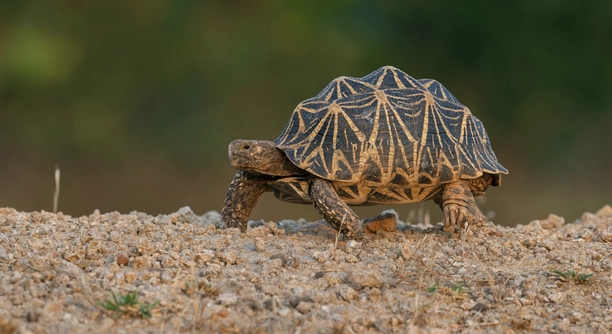
Sometimes, you may notice that your Indian Star Tortoise isn’t using its water dish, and you might be unsure why. Understanding its behavior and needs can help you address this issue and improve its well-being.
The main reason why your Indian Star Tortoise isn’t using its water dish could be due to a lack of comfort or environmental factors. Tortoises often prefer shallow water, and if the dish is too deep or uncomfortable, they may avoid it.
Learning more about your tortoise’s needs and habitat setup can help improve its water habits and overall health. Understanding the right conditions makes a significant difference in encouraging natural behavior.
Understanding Your Tortoise’s Behavior
Indian Star Tortoises are naturally cautious animals, and their behavior can sometimes be a bit puzzling. If your tortoise isn’t using its water dish, it could be because of several environmental factors. Tortoises often feel safer when they can access water at ground level without feeling trapped. If the dish is too deep or shaped awkwardly, your tortoise may avoid it altogether. Some tortoises prefer drinking from natural sources, like shallow puddles, rather than standing water, which might explain why the dish is being ignored. Another possibility is that the water temperature might not suit your tortoise’s preferences, leading it to stay away.
The right water dish can make a significant difference.
To make your tortoise more comfortable, try providing a shallower water dish that closely resembles what it would encounter in the wild. You should also ensure that the water is clean and fresh, as a dirty dish may deter your tortoise from drinking. Experimenting with the size and placement of the dish is essential. Make sure it is positioned somewhere accessible and stable, as a tipping dish can make your tortoise feel uneasy. Be patient while adjusting its habitat; these changes can help your tortoise feel safe and encourage it to hydrate more frequently.
The Importance of Temperature
The temperature of the water is another key factor that affects your tortoise’s willingness to drink.
Indian Star Tortoises are ectothermic, meaning they rely on external heat sources to regulate their body temperature. If the water in the dish is too cold or too hot, it may be uncomfortable for them. Tortoises are more likely to drink when the water is at a temperature that aligns with their natural preferences. Maintaining a temperature range between 70°F and 80°F for water is ideal, as it will be closer to what your tortoise would naturally encounter in its native environment.
Keeping the water at the right temperature will not only encourage drinking but also prevent potential health issues. If the water is too cold, your tortoise may avoid drinking it, which could lead to dehydration. If it’s too hot, it could cause stress or harm. Regularly checking the water’s temperature is an easy and effective way to ensure your tortoise is comfortable and healthy.
The Role of Humidity
Humidity is a critical factor in your tortoise’s comfort and overall health.
Indian Star Tortoises thrive in environments with moderate humidity. If the enclosure is too dry, your tortoise may avoid using the water dish. A lack of humidity can also lead to dehydration, making your tortoise reluctant to drink. The air around them should mimic their natural habitat’s moisture levels. Keeping the humidity between 50% and 60% is ideal for encouraging natural hydration behavior.
To maintain the right humidity, you can mist the enclosure lightly or use a humidity gauge to monitor conditions. Adjust the enclosure’s ventilation to balance airflow and moisture, ensuring the tortoise has access to the ideal environment. Adding moist moss or a humid hide can also help.
Dish Placement and Size
The placement and size of the water dish directly affect your tortoise’s drinking habits.
If the dish is placed in a corner or difficult-to-reach spot, your tortoise may not use it. It’s best to position the water dish in an open area where it’s easy for the tortoise to access. The size of the dish matters, too. A dish that’s too deep or too large might make your tortoise uncomfortable, as it could feel unsafe. Smaller, shallow dishes work better because they allow the tortoise to drink without feeling overwhelmed.
Placing the dish near a heat source might help as well. Tortoises are attracted to warmth, and a well-placed dish can encourage them to use it. It’s essential to experiment with different spots and sizes to figure out what works best for your tortoise’s needs.
Water Quality
The quality of the water in the dish can make a significant difference.
Dirty or contaminated water will make your tortoise avoid the dish entirely. Always ensure the water is clean, free of debris, and changed regularly. Any buildup of dirt, algae, or chemicals could cause your tortoise to stay away from the water.
To keep the water clean, use a shallow dish that is easy to wash. Changing the water daily ensures it remains fresh and safe for your tortoise. Be mindful of using non-toxic cleaning agents, as harsh chemicals could harm your tortoise if ingested.
Water Dish Material
The material of the water dish can affect your tortoise’s comfort.
Some materials, such as plastic, can retain odors or bacteria, while ceramic or stone dishes are easier to clean and more durable. Choose a dish made of a non-porous material to avoid the buildup of harmful bacteria.
FAQ
Why is my tortoise ignoring the water dish?
Your tortoise may be avoiding the water dish for several reasons. The dish could be too deep, uncomfortable, or placed in an inconvenient spot. Also, if the water temperature is off, your tortoise may not feel like drinking. Environmental factors like low humidity or an unclean dish can also play a role. Ensuring the dish is shallow, placed in an accessible area, and has fresh, clean water at the right temperature can help encourage your tortoise to use it.
How often should I clean my tortoise’s water dish?
It’s best to clean the water dish every day to keep it fresh and safe. Tortoises are sensitive to bacteria, and a dirty dish can lead to health issues. Regular cleaning helps avoid any buildup of dirt, algae, or other contaminants that might discourage your tortoise from drinking. A quick rinse and refill with fresh water is usually sufficient.
Can I use tap water for my tortoise?
You can use tap water, but it’s important to check if it contains high levels of chlorine or other chemicals. Some tortoises are sensitive to these chemicals, so using dechlorinated water or letting the water sit out for a few hours can help reduce any harmful effects. Always ensure the water is clean and free of any harmful substances before offering it to your tortoise.
How deep should the water dish be for my tortoise?
The water dish should be shallow enough for your tortoise to drink from comfortably without feeling like it might fall in. A depth of 1-2 inches is generally suitable for most tortoises. If the dish is too deep, your tortoise might avoid it, as it could feel unsafe or unable to exit easily.
Can my tortoise drink from a puddle or do I need a dish?
While tortoises might drink from shallow puddles in the wild, providing a designated water dish is a more controlled and hygienic option. A water dish gives your tortoise a reliable and clean source of hydration. It also allows you to monitor the water quality and ensure it stays safe for your tortoise.
Is it normal for my tortoise to drink very little water?
Yes, it can be normal for tortoises to drink less water than some other pets. Tortoises are efficient at retaining moisture from the food they eat, especially if they consume leafy greens and fruits that have high water content. However, make sure your tortoise has access to fresh water at all times, and monitor its behavior to ensure it stays hydrated.
How do I encourage my tortoise to drink more water?
Encouraging your tortoise to drink more water involves ensuring it has access to clean, fresh water at the correct temperature, placed in an easy-to-reach, shallow dish. You can also raise the humidity in the enclosure, as this can promote hydration. Offering moist food such as cucumbers or leafy greens is another way to help your tortoise stay hydrated.
Can I add supplements to my tortoise’s water?
It’s not generally recommended to add supplements directly to your tortoise’s water unless advised by a vet. Supplements can alter the water’s taste and make it less appealing to your tortoise. If your tortoise requires specific supplements, it’s best to offer them in its food, as this is often more effective and safe.
What should I do if my tortoise is not drinking at all?
If your tortoise isn’t drinking water at all, it could be a sign of dehydration, illness, or stress. First, check the water dish for cleanliness, proper temperature, and shallow depth. Ensure the humidity levels are appropriate and that the environment is not too hot or dry. If your tortoise continues to avoid drinking, consult a veterinarian for further advice.
Can my tortoise drink from a dish with other pets?
It’s not a good idea to allow other pets to share your tortoise’s water dish. The dish should be a safe, clean source of hydration for your tortoise, and sharing it with other animals can introduce bacteria or chemicals that could harm your tortoise. If other pets are around, consider using a separate water dish for your tortoise.
How long can a tortoise go without water?
Tortoises can go without drinking water for a while, especially if they are getting enough moisture from their food. However, extended periods without water can lead to dehydration, which can cause health issues. It’s essential to provide your tortoise with access to fresh water daily to ensure it remains properly hydrated.
Is it okay to give my tortoise a bath for hydration?
Giving your tortoise a shallow bath can help it stay hydrated, but it should not replace access to clean water in a dish. A warm, shallow soak for about 15-20 minutes can provide extra hydration, but always ensure the tortoise has access to its water dish for regular drinking. A bath is a supplement, not a substitute.
Final Thoughts
It’s important to remember that tortoises, including Indian Star Tortoises, have specific needs when it comes to hydration. While they might not drink as much as other pets, access to clean and properly maintained water is essential for their health. If your tortoise isn’t using its water dish, it could be due to several factors, like the dish’s depth, temperature, or location. By paying attention to these small details, you can encourage better hydration habits and help keep your tortoise healthy.
Every tortoise is different, and it may take some time to figure out exactly what works for your pet. Trying different water dish sizes, adjusting the dish’s placement, and making sure the water temperature is right can all make a difference. Also, don’t forget about environmental factors like humidity and the overall comfort of the enclosure. These changes may not show results overnight, but with consistent adjustments, your tortoise is more likely to feel comfortable and start using its water dish more regularly.
Lastly, it’s important to monitor your tortoise’s overall health. If you notice any signs of dehydration, like lethargy or dry skin, it’s best to take action right away. Ensure that your tortoise is not just drinking enough water, but also eating a balanced diet that includes hydrating foods. If you ever feel uncertain about your tortoise’s water habits or overall care, don’t hesitate to reach out to a vet. They can offer valuable guidance and ensure that your tortoise stays healthy for years to come.

Hello,
If you enjoy the content that we create, please consider saying a "Thank You!" by leaving a tip.
Every little bit helps us continue crafting quality advice that supports the health, happiness, and well-being of pets around the world, for pets of all shapes, sizes, and species.
We really appreciate the kindness and support that you show us!