
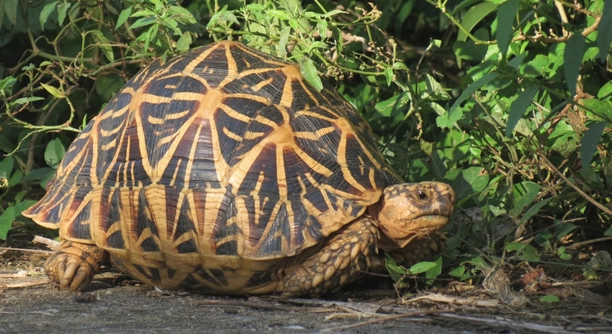
Creating a safe outdoor space for Indian Star Tortoises is essential for their well-being. Proper planning ensures their comfort, safety, and happiness. This article will guide you through the best steps to achieve this.
The best way to create a safe outdoor space for Indian Star Tortoises is by designing an enclosure with proper fencing, ample shade, and secure flooring. It should mimic their natural habitat, ensuring they have room to roam and access food and water.
With these tips, your tortoise will enjoy a safe and comfortable outdoor environment.
Choosing the Right Location for the Enclosure
Finding the perfect spot for your Indian Star Tortoise’s outdoor space is important for their health. They need a place with plenty of sunlight, but also some areas to cool down when needed. Too much sun or heat can cause stress. Ideally, the area should be quiet and away from heavy foot traffic. It’s crucial to choose a spot where the tortoise can feel secure and not exposed to potential predators. Make sure the ground is firm and not too sandy, as tortoises need a stable surface for walking.
Keep in mind that Indian Star Tortoises enjoy a mix of shaded and sunny areas. A well-chosen location will help them regulate their body temperature and feel at ease.
Consider setting up the enclosure in a well-ventilated area where the tortoises can also receive fresh air. This ensures they stay comfortable throughout the day while staying protected from strong winds or extreme weather.
Creating a Secure Fencing System
To keep your tortoises safe, you’ll need sturdy fencing. It should be tall enough to prevent them from climbing out.
Use materials like wood or plastic, making sure the fence goes deep into the ground. This prevents them from digging under and escaping. Additionally, the fence should not have large gaps or spaces, as this could let in predators or pests. Be sure to check the integrity of the fence regularly to ensure it stays in place.
Providing Adequate Shade
Tortoises need shade to avoid overheating, especially during the hottest parts of the day. Without shade, they can easily become stressed or dehydrated. It’s important to provide shaded spots using natural elements like trees or man-made structures like a simple shelter or tarp. Ensure the shaded area is large enough for them to move around comfortably.
You can also consider planting low-maintenance plants that can provide shade. These plants will give them a natural refuge while adding a touch of greenery to the environment. Just make sure the plants you choose are safe for tortoises and won’t harm them if eaten.
Adding a shaded area not only ensures their comfort but also supports their natural instincts to seek shelter when needed. By creating a balance between sunny and shaded spaces, you help your tortoises stay healthy and content in their outdoor environment.
Flooring for the Enclosure
The floor of your tortoise’s outdoor space plays a key role in their comfort. Choose materials like grass, soil, or sand to allow natural movement. Avoid gravel, as it can be too harsh on their shells and may cause injury.
Adding a mix of different textures on the ground will make the environment more stimulating. This also helps mimic their natural surroundings, which is crucial for their mental well-being. If you use soil or sand, make sure it’s not too deep or loose. Tortoises need firm ground to walk on, but not so hard that it feels uncomfortable for them.
For easier cleaning, you can add a layer of mulch or leaf litter. This will not only create a more natural look but will also help absorb moisture, keeping the area cleaner. Just be cautious of using wood chips that might attract pests.
Providing Fresh Water
Fresh water is essential for Indian Star Tortoises. Always have a shallow bowl of water available to keep them hydrated. The water should be changed daily to prevent stagnation and bacterial growth. Ensure the bowl is heavy enough so it won’t tip over easily, even during their movement.
You can use a larger, shallow dish that allows them to drink and soak in the water if needed. Make sure the water level isn’t too deep, as tortoises can have difficulty climbing out if it’s too high.
Choosing Safe Plants
Be cautious about the plants in your tortoise’s outdoor space. Not all plants are safe for them to eat. Stick to tortoise-friendly options like dandelions, clover, and hibiscus. Avoid plants that are toxic to them, such as lilies or certain types of ivy.
Before planting anything, double-check that the species are safe for tortoises to nibble on. Always choose organic options, as chemicals or pesticides can harm them. Keeping your plants safe will ensure your tortoises can safely graze and enjoy their outdoor space.
Adding Hiding Spaces
Your tortoises will need some hiding spaces where they can retreat and feel secure. This can be something as simple as a small wooden box or a pile of rocks. These spots provide shelter and help them feel safe from potential threats.
Tortoises are naturally shy animals, and they appreciate having a secluded area to rest. Make sure the hiding spots are big enough for them to crawl into without feeling cramped. This will reduce their stress and provide them with a sense of security in their environment.
FAQ
How do I know if my outdoor enclosure is safe for my Indian Star Tortoise?
To ensure your enclosure is safe, check that it has secure fencing, is free from predators, and has enough space for your tortoise to roam. The ground should be firm but comfortable for walking. Avoid any hazards like sharp objects or toxic plants. Regularly inspect the area to make sure the fencing is intact and that no gaps have appeared. Proper ventilation is also essential to avoid humidity buildup or stuffy air.
Can my Indian Star Tortoise live outside all year round?
Indian Star Tortoises are not fully adapted to cold temperatures, so it’s best to bring them indoors during the winter months, especially in cooler climates. They thrive in warm, sunny environments and can live outside during warmer months. However, you need to be mindful of nighttime temperatures dropping too low. If you’re in a region with extreme weather, it’s best to have a portable outdoor enclosure or a heated area they can access.
How much space does an Indian Star Tortoise need in its outdoor enclosure?
A good rule of thumb is to provide at least 10 square feet of space per tortoise. The larger the enclosure, the better, as it gives your tortoise more room to explore and stay active. A spacious enclosure with natural features such as rocks, plants, and hiding spots will help mimic their natural environment and keep them stimulated.
What kind of substrate is best for the outdoor space?
For outdoor enclosures, a combination of soil, grass, and sand works well. Avoid using materials like gravel, which can hurt their shells or cause discomfort when walking. Ensure the substrate isn’t too deep, as tortoises prefer a firm surface to walk on. It’s also important to maintain cleanliness by removing waste regularly to keep the environment healthy.
Do Indian Star Tortoises need UVB lighting outside?
When they are outside in direct sunlight, your tortoises should get enough UVB exposure for proper calcium absorption. However, if they are kept in a shaded or partially covered area, they might not get sufficient UVB. In such cases, adding a UVB lamp to the enclosure can help replicate the necessary sunlight. Always ensure the tortoises have access to both sun and shade.
What can I do to protect my Indian Star Tortoise from predators?
Predators like dogs, cats, or larger birds can pose a threat to your tortoise. To protect them, ensure the enclosure is fully enclosed with secure fencing, including barriers that go at least a foot into the ground to prevent digging. Regularly check the area for potential threats, and never leave your tortoise outside unattended if you know predators are nearby.
How can I maintain the right temperature for my Indian Star Tortoise outside?
Indian Star Tortoises require warmth to stay healthy. Ideally, their enclosure should stay between 80-95°F during the day. If you live in a region with cooler temperatures, consider using a heat lamp during colder months to regulate the temperature. Always provide a shaded area to help them cool off when necessary.
What types of food should I provide in the outdoor space?
Your tortoise’s diet should be based on fresh, leafy greens and grasses. Safe options include dandelions, clover, and hibiscus. Avoid feeding them too many fruits or vegetables that are high in moisture, as it can upset their digestive system. A constant supply of fresh water should also be available at all times.
Can I let my Indian Star Tortoise roam freely outside?
While it’s tempting to let your tortoise roam freely, it’s safer to keep them inside a secure, enclosed area. Free-roaming can expose them to predators, and they might wander off or get lost. A properly designed outdoor enclosure ensures they can explore safely while remaining protected from potential dangers.
How do I clean the outdoor enclosure?
Cleaning the outdoor enclosure involves regularly removing waste, such as droppings or uneaten food, and checking for mold or mildew. Depending on the materials used for the flooring, you may need to change the substrate periodically. Ensure the water bowl is washed daily to prevent bacteria buildup. Keep the overall environment tidy to help maintain the health of your tortoise.
Final Thoughts
Creating a safe outdoor space for your Indian Star Tortoise is an important step in ensuring they lead a healthy and happy life. By providing a well-designed enclosure with proper fencing, shade, and enough space to roam, you help mimic their natural habitat. The right environment allows them to thrive, providing both physical and mental stimulation. Whether they are soaking in the sun or resting in the shade, they will appreciate the care you’ve put into their outdoor space.
It’s also crucial to regularly check the conditions of the enclosure. Monitoring the temperature, ensuring the water stays fresh, and keeping an eye on the health of the plants in the area will help you maintain a safe and comfortable space. Consistency is key when it comes to caring for your tortoise’s outdoor environment. By sticking to a regular cleaning routine and inspecting the setup for potential hazards, you can avoid many common issues and keep your tortoise’s home in top condition.
Lastly, always be mindful of the challenges that come with outdoor living. Predators, extreme weather, and changes in seasons can pose risks to your tortoise’s well-being. While outdoor spaces are great for tortoises, they do require ongoing attention and care. Being prepared for these challenges will ensure that your tortoise’s outdoor space remains a safe and enjoyable place for years to come.

Hello,
If you enjoy the content that we create, please consider saying a "Thank You!" by leaving a tip.
Every little bit helps us continue crafting quality advice that supports the health, happiness, and well-being of pets around the world, for pets of all shapes, sizes, and species.
We really appreciate the kindness and support that you show us!