
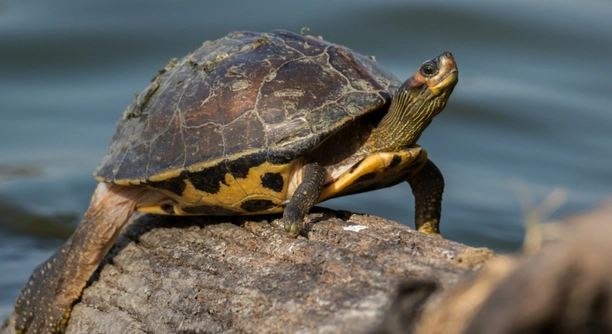
Your Indian Roofed Tortoise may often be yawning, and you might wonder why this happens. It’s natural to want to understand your pet’s behavior and ensure they are healthy and content in their environment.
Yawning in Indian Roofed Tortoises is usually a sign of relaxation, a way for them to stretch their jaw muscles, or a response to their environment. It may also happen when they are adjusting to changes in temperature or light.
There are a variety of factors at play, and it’s important to understand the specific needs of your tortoise. From their diet to environmental setup, we will cover everything you need to know about this behavior.
Why Yawning Happens in Tortoises
Yawning is a common behavior in many animals, and your Indian Roofed Tortoise is no exception. When they yawn, it’s often due to muscle stretching, a natural way to loosen up. This is similar to how humans stretch after waking up. Sometimes, they may also yawn if they are feeling a bit stressed or are adjusting to their surroundings. However, if yawning happens excessively, it could be an indication of something more, like temperature issues or environmental stress.
While yawning itself is generally normal, keep in mind that any drastic change in frequency or pattern could signal an underlying concern. Tortoises may feel the need to yawn more when they experience discomfort or when there’s a shift in their habitat. Temperature shifts are particularly noticeable to them, so it’s essential to maintain a stable environment. Other possible factors include poor lighting conditions or diet issues, which can contribute to unusual behaviors.
To ensure your tortoise stays happy and healthy, observe any other changes in their behavior. If yawning is paired with other symptoms like lethargy or loss of appetite, it’s wise to take action.
Habitat Concerns
Environmental factors, like temperature and humidity, play a crucial role in your tortoise’s behavior.
A stable, comfortable habitat is key to your tortoise’s well-being. If the environment isn’t right, yawning could be a sign of stress. If they feel too cold or too hot, they may exhibit this behavior as they try to adjust. Always monitor their habitat to make sure it’s within the right temperature range, ideally around 75-85°F. A basking spot should be slightly warmer, up to 90°F, while a cooler area of their habitat allows them to regulate their body temperature. Ensuring there is enough humidity is also important for their skin and overall health.
Changing light patterns can impact your tortoise’s natural rhythms. If they are exposed to insufficient lighting or fluctuating light hours, it may lead to yawning or other unusual behaviors. The best solution is to maintain a consistent day-night cycle and provide UVB lighting to support their health. Additionally, providing a suitable substrate like coconut fiber or soil ensures they have a comfortable, stress-free environment.
Diet and Nutrition
A poor diet can also lead to unusual behaviors like yawning.
Your tortoise needs a balanced diet of leafy greens, vegetables, and occasional fruit. Too much protein or improper food choices can cause stress, making them yawn more often. Providing a variety of food helps them get the nutrients they need to stay healthy. If they aren’t getting enough vitamins or minerals, it can cause problems with their energy levels and overall behavior. Offering calcium-rich foods is essential, especially for shell development. Avoid feeding them too many high-oxalate foods, like spinach, which can cause digestive issues.
To ensure a healthy diet, focus on high-fiber foods that will help with digestion. This includes foods like dandelion greens, collard greens, and clover. Make sure fresh water is available at all times as dehydration can cause lethargy, leading to increased yawning. Be mindful of portion sizes, as overfeeding can also lead to discomfort and abnormal behaviors. Avoid sugary or processed foods that can negatively impact their health. Monitoring their food intake regularly will help you spot potential diet-related issues early.
Illness and Stress
Yawning can sometimes indicate that your tortoise is not feeling well.
Stress is a common cause for yawning in tortoises. It can be triggered by changes in their environment, such as moving to a new tank, being around loud noises, or not having enough hiding spaces. Tortoises need a calm, quiet space where they feel safe. If there’s a lot of activity around them or they are exposed to constant handling, this can lead to stress. In some cases, yawning may also be linked to illness, like respiratory infections. If you notice your tortoise yawning and showing other signs of illness, like runny nose, swollen eyes, or lethargy, seek veterinary help immediately. Regularly checking their behavior and health can help catch any potential issues early.
Environmental stressors such as temperature fluctuation can cause physical and emotional stress, leading to yawning. Always keep a close eye on the temperature gradient in their habitat and ensure there is a warm basking spot. If the habitat is too warm or too cold, it will interfere with their natural comfort, leading to stress and, sometimes, excessive yawning.
Temperature and Humidity
Improper temperature and humidity can lead to yawning as well.
Your tortoise relies on a steady environment. If the temperature drops or gets too high, they may feel discomfort, causing them to yawn. Humidity levels are just as important for their health. Too much or too little can stress them out, leading to yawning or other abnormal behaviors.
A proper humidity level should be maintained at around 50-60% to help with their skin and respiratory health. Make sure your tortoise has access to a basking spot with a temperature around 90°F, and ensure cooler areas are available for them to retreat when needed.
Overhandling
Tortoises, like many animals, can become stressed with too much handling.
Excessive handling can make your tortoise feel unsafe or threatened. This stress may cause them to yawn more than usual as a response to discomfort. It’s important to let them explore their habitat without interference, allowing them to adjust naturally and calmly.
FAQ
Why does my Indian Roofed Tortoise yawn so much?
Yawning in Indian Roofed Tortoises is usually a sign of stretching or relaxation. However, it can also indicate environmental stress, temperature changes, or discomfort. If your tortoise yawns excessively, it may be reacting to an imbalance in its habitat or diet.
Is yawning a sign of illness in my tortoise?
While yawning is not always a sign of illness, if it’s accompanied by other symptoms like lethargy, loss of appetite, or runny nose, it could indicate something more serious, like a respiratory infection. Always monitor other signs and consult a vet if you notice unusual behavior.
Can I reduce my tortoise’s yawning?
To minimize yawning, focus on maintaining a stable environment for your tortoise. Ensure the temperature and humidity are appropriate for their species. Avoid sudden changes in their habitat and reduce stress by limiting handling. A balanced diet and proper lighting are also key factors.
What should I do if my tortoise’s yawning is paired with other strange behaviors?
If yawning is paired with signs like lethargy, difficulty eating, or changes in activity levels, you should investigate further. It could be a sign of a health issue or stress. Ensure their environment is stable, and seek veterinary advice if needed.
How can I know if my tortoise is stressed?
Stressed tortoises may show signs like yawning, hiding, pacing, or being less active than usual. Other signs include loss of appetite, respiratory problems, or excessive scratching. Creating a peaceful habitat with the right temperature, humidity, and hiding spots can help reduce stress.
Is it normal for my tortoise to yawn when they wake up?
Yes, it is normal for tortoises to yawn upon waking. Just like humans, they stretch and yawn to help their muscles loosen up after rest. It’s a common and harmless behavior, especially if it happens at the start of their day or after a nap.
How can I tell if my tortoise is overheating?
Overheating in tortoises can cause excessive yawning, lethargy, and a lack of appetite. You may notice them retreating to cooler areas or even lying down with their mouth open. Ensure their basking spot is not too hot, and that there is a cooler area where they can regulate their body temperature.
Can yawning be caused by poor diet?
A poor diet can contribute to stress, which might cause increased yawning. Tortoises need a variety of leafy greens and vegetables, with occasional fruits. Calcium is also vital for shell health. If they are not getting the right nutrients, it could lead to discomfort and abnormal behavior like yawning.
Why is my tortoise yawning after eating?
Yawning after eating can be a normal behavior. It could indicate they are stretching their jaw muscles after feeding, which is common in many animals. If the yawning is not accompanied by other signs of discomfort or illness, it’s likely just a natural action.
Could yawning be due to dehydration in my tortoise?
Dehydration can cause a tortoise to feel lethargic and may lead to more frequent yawning. Always provide fresh water and monitor their intake. A hydrated tortoise is more likely to be active and less prone to stress, which can reduce yawning. Consider providing moisture-rich vegetables to help with hydration.
Can the environment cause yawning?
Yes, an unstable environment can cause yawning as a sign of stress. Temperature fluctuations, poor lighting, or an uncomfortable habitat can all lead to yawning in tortoises. Ensure they have a consistent day-night cycle, proper UVB lighting, and appropriate temperature gradients to avoid stress.
Is yawning common in all tortoises or specific to my species?
Yawning can be observed in many tortoise species, but the frequency and causes may vary. For Indian Roofed Tortoises, yawning is often a normal behavior linked to stretching or relaxation. However, it’s always a good idea to understand the specific needs of your tortoise species to identify any unusual behaviors.
Can yawning be a sign of a respiratory infection?
While yawning alone is not typically a sign of a respiratory infection, it can accompany other symptoms of such an infection. If your tortoise is yawning along with wheezing, nasal discharge, or labored breathing, it could indicate a respiratory issue. In this case, consult a veterinarian.
Should I be worried if my tortoise yawns while basking?
Yawning while basking can simply be a sign of your tortoise relaxing and stretching out its muscles. It’s often nothing to worry about. However, if yawning is excessive or accompanied by signs of discomfort, check the basking spot’s temperature and ensure it’s within the proper range for your tortoise.
What is the best way to prevent stress-related yawning in my tortoise?
To reduce stress-related yawning, make sure your tortoise’s environment is comfortable and secure. Keep their habitat clean and quiet, with appropriate temperature gradients and humidity levels. Limit handling and avoid loud noises or disruptions. Provide hiding spots to make them feel safe and reduce stress.
How often should I check my tortoise for signs of stress or illness?
It’s a good idea to check your tortoise regularly for signs of stress or illness. Daily observations, especially regarding their eating habits, activity level, and behavior, can help you catch any issues early. If yawning becomes excessive or is accompanied by other symptoms, consult a veterinarian.
Yawning in Indian Roofed Tortoises is usually a natural and harmless behavior. It can be a sign of stretching or relaxation, much like how humans yawn after a good rest. However, it can sometimes indicate discomfort caused by environmental factors or stress. For example, temperature fluctuations, improper humidity, or an unbalanced diet can make your tortoise more prone to yawning. By ensuring their habitat is stable and providing a proper diet, you can reduce unnecessary yawning and ensure your tortoise remains healthy.
While yawning by itself isn’t usually a cause for concern, it’s important to pay attention to any changes in your tortoise’s behavior. If yawning is accompanied by other signs, like lethargy, loss of appetite, or changes in their activity levels, it may signal a more serious issue, such as a respiratory infection or other health problems. Keeping a close eye on their overall behavior, diet, and environment will help you identify potential concerns early. This proactive approach will help you care for your tortoise in the best way possible and ensure they lead a long, healthy life.
Ultimately, understanding the reasons behind your tortoise’s yawning can help you provide better care and maintain a suitable environment. By monitoring their habitat, offering a balanced diet, and minimizing stressors, you can support your tortoise’s well-being. If you’re ever in doubt, don’t hesitate to consult with a veterinarian. They can offer guidance if you notice any unusual changes in your tortoise’s behavior or health, ensuring your pet remains in good condition.

Hello,
If you enjoy the content that we create, please consider saying a "Thank You!" by leaving a tip.
Every little bit helps us continue crafting quality advice that supports the health, happiness, and well-being of pets around the world, for pets of all shapes, sizes, and species.
We really appreciate the kindness and support that you show us!