
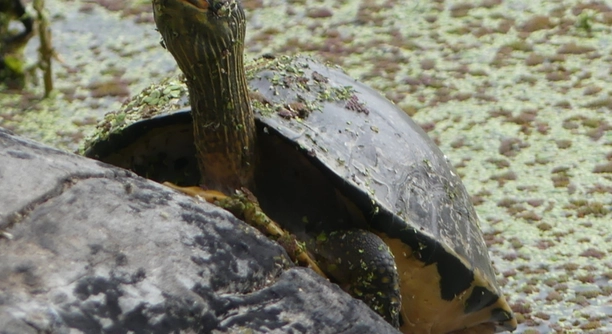
Dehydration can be a serious issue for your Indian Roofed Tortoise. Recognizing the signs early can prevent long-term health problems, ensuring your tortoise stays active and healthy. Knowing how to treat dehydration is key to its recovery.
Identifying dehydration in an Indian Roofed Tortoise involves looking for symptoms like sunken eyes, dry skin, lethargy, and loss of appetite. To treat it, provide clean, fresh water, soak your tortoise in lukewarm water, and consult a vet if needed.
Taking care of a dehydrated tortoise can be simple once you understand the steps. Proper hydration and quick actions can make all the difference in getting your tortoise back to normal. Keep reading for helpful tips on treatment.
Signs of Dehydration in an Indian Roofed Tortoise
Recognizing the early signs of dehydration in your Indian Roofed Tortoise is crucial for preventing more severe health issues. Dehydrated tortoises may appear lethargic, with dull or sunken eyes, dry skin, and a lack of interest in food. Their shell might feel dry to the touch, which is not typical for a healthy tortoise. It’s also common for their breathing to become shallow or labored when they are not getting enough water. A sudden drop in energy levels or refusal to eat are strong indicators that your tortoise could be dehydrated.
If you spot these signs early, it’s essential to act fast. Dehydration can quickly lead to more severe health issues, affecting your tortoise’s digestive system and overall immune function. Take the time to regularly observe your tortoise’s behavior and look out for these signs, especially during the warmer months or after changes in their environment. The quicker you identify dehydration, the easier it is to help them recover.
When left untreated, dehydration can lead to organ failure, skin damage, and in extreme cases, death. So, it’s important to check for these signs routinely. If you notice your tortoise becoming less active, dry skin, or sunken eyes, it’s a sign that they need more hydration. Address the issue quickly by increasing water intake and, if necessary, seeking professional care.
How to Treat a Dehydrated Indian Roofed Tortoise
If your tortoise shows signs of dehydration, the first step is to offer fresh, clean water. You can also soak your tortoise in lukewarm water to help hydrate it quickly.
Soaking your Indian Roofed Tortoise is one of the best methods to treat dehydration. Place it in a shallow container of lukewarm water, making sure that the water level is just above its legs, but not so high that it can’t stand comfortably. Leave your tortoise in the water for about 20 to 30 minutes. This process helps it absorb moisture through its skin. You can repeat this daily until the symptoms of dehydration start to improve.
Along with soaking, ensure that your tortoise has access to fresh water at all times. You might need to gently encourage your tortoise to drink by offering water from a small dish. Keep an eye on its overall behavior and make sure that it starts eating again. A healthy diet rich in vegetables that have high water content, like cucumbers and leafy greens, can also help your tortoise stay hydrated.
If your tortoise is not responding to these measures or is showing severe symptoms, it’s a good idea to visit a vet for further evaluation. They might administer fluids directly, especially if dehydration is extreme.
Preventing Dehydration in an Indian Roofed Tortoise
To prevent dehydration, ensure your tortoise always has access to fresh water. You can offer it water by soaking it or providing a shallow dish. Proper hydration is essential for your tortoise’s overall health and well-being.
A consistent hydration routine is key to preventing dehydration. Regular soaking helps your tortoise stay hydrated and supports healthy digestion. Be sure to place the water dish in an area that’s easily accessible. If your tortoise isn’t drinking from its dish, it might prefer a different type of water source or a more frequent soak.
Diet plays a significant role in hydration as well. Vegetables like cucumbers, romaine lettuce, and watermelon are excellent choices because they have high water content. Offering a variety of hydrating foods along with access to water helps ensure your tortoise stays well-hydrated. Keep an eye on your tortoise’s behavior, and if it appears lethargic or dry, take action quickly to avoid further health issues.
The Role of Temperature and Humidity
The environment plays a major role in hydration. Too much heat or low humidity can increase the risk of dehydration. Keep your tortoise’s enclosure in a temperature range of 75°F to 85°F to avoid excessive drying.
A humid environment is also important for hydration. You can maintain the right humidity levels by misting the enclosure or using a humidifier. Humidity helps your tortoise absorb moisture from the air, especially when combined with access to water. Monitoring humidity with a hygrometer ensures your tortoise’s habitat is balanced.
If the humidity level is too low, your tortoise may have trouble maintaining adequate hydration. Low humidity combined with excessive heat can make dehydration worse, so adjusting your tortoise’s living conditions is essential. Keep the humidity levels stable to avoid future issues.
How to Soak Your Indian Roofed Tortoise
Soaking your tortoise is a simple and effective way to rehydrate it. Make sure the water is lukewarm, not too hot or cold, to avoid stressing your tortoise.
Place your tortoise in a shallow dish with enough water to cover its legs but not its shell. Let it soak for 20 to 30 minutes, making sure to monitor it during this time. The warm water helps your tortoise absorb moisture through its skin, providing a quick hydration boost.
Repeat this soaking routine once or twice a day until you notice your tortoise becoming more active and its skin appears less dry. Consistent soaking can help restore hydration levels over time.
The Importance of Fresh Water
Always provide fresh, clean water for your tortoise. Stale or dirty water can discourage your tortoise from drinking.
Change the water regularly, especially if it becomes dirty or contaminated. Keeping the water fresh encourages your tortoise to drink, helping prevent dehydration. Clean water is essential for its health, as it helps with digestion and overall well-being.
Provide the water in a shallow dish, ensuring it’s accessible for your tortoise at all times. Monitor the water level, especially after soaking. A good hydration habit goes a long way in maintaining your tortoise’s health.
Food Choices for Hydration
Offering hydrating foods can be a great supplement to water. Vegetables with high water content like cucumbers, lettuce, and watermelon are ideal.
These foods not only hydrate your tortoise but also provide essential nutrients. They can be offered alongside its regular diet. Incorporating more hydrating foods is especially beneficial during warm weather or if your tortoise has been exposed to heat for long periods.
FAQ
How often should I soak my Indian Roofed Tortoise?
Soaking your tortoise once or twice a day is a good start if you suspect dehydration. If your tortoise is healthy and active, soaking every few days is sufficient. However, if you notice signs of dehydration, such as dry skin or sunken eyes, increase the frequency of soaks. Consistent soaking will help maintain hydration, especially if your tortoise has been exposed to heat or low humidity. Pay attention to how your tortoise responds and adjust the routine based on its behavior.
Can I use tap water to soak my tortoise?
Yes, you can use tap water, but make sure it is at the right temperature—lukewarm, not hot or cold. If your tap water is heavily chlorinated, let it sit out for a few hours or use a water conditioner to remove chemicals before soaking your tortoise. Chlorine in tap water can irritate your tortoise’s skin, so it’s best to avoid direct exposure to harsh chemicals. Always ensure the water is clean and free of contaminants before use.
What temperature should the water be for soaking?
The water should be lukewarm, between 75°F and 85°F (24°C to 29°C). Too hot or too cold water can cause stress to your tortoise, making it harder for it to absorb moisture. Lukewarm water is comfortable and encourages your tortoise to relax, making it easier for it to stay in the water for a longer time. A thermometer can help you maintain the right temperature.
How do I know if my tortoise is dehydrated?
Common signs of dehydration in a tortoise include sunken eyes, dry skin, lethargy, and a lack of appetite. If you notice that your tortoise’s shell feels dry or it’s not moving around much, dehydration could be the cause. Pay attention to its behavior and look for these signs to address the problem early. Dehydrated tortoises may also have shallow, labored breathing. Always check for these symptoms regularly, especially during the warmer months when dehydration can happen quickly.
Is it okay to offer fruits to hydrate my tortoise?
Fruits with high water content, like watermelon, cantaloupe, or strawberries, are great additions to your tortoise’s diet. While fruits are not the primary source of hydration, they can complement water and provide extra moisture. Keep in mind that fruits should only be offered in moderation, as they are high in sugar. Overfeeding fruits can lead to digestive issues, so balance them with leafy greens and other vegetables that also aid in hydration.
Can a tortoise be over-soaked?
It’s unlikely that you can over-soak your tortoise, as long as you are not leaving it in the water for extended periods. Soaking should last no longer than 20 to 30 minutes, as this gives the tortoise enough time to hydrate without stress. Too much soaking may cause your tortoise to become stressed or uncomfortable, and it can also make them more prone to infections from prolonged exposure to water. Always monitor your tortoise during soaking to ensure it is not in the water too long.
How can I improve humidity in my tortoise’s enclosure?
To increase humidity in your tortoise’s enclosure, you can mist the habitat with water or use a humidifier. Ensure there are moist areas where your tortoise can seek hydration. Another way to boost humidity is by adding a shallow water dish that encourages evaporation. A hygrometer is useful for monitoring humidity levels. The ideal humidity range for an Indian Roofed Tortoise is between 40% and 60%. High humidity helps your tortoise absorb moisture from the air, especially during dry seasons or in heated enclosures.
Should I add a water dish to my tortoise’s enclosure?
Yes, a water dish should be placed in the enclosure at all times. It should be shallow enough for your tortoise to reach comfortably. Make sure the dish is cleaned and refilled regularly with fresh water. Tortoises may not drink as often as they need to soak, so offering a water dish gives them a constant supply of hydration. The dish should be large enough to allow your tortoise to drink and soak its legs, but not so deep that it might get stuck or have difficulty climbing out.
What should I do if my tortoise refuses to drink water?
If your tortoise isn’t drinking from its water dish, try soaking it in lukewarm water more frequently. You can also offer water in a different container or use a syringe to gently administer water into its mouth. Keep offering hydrating foods like watery vegetables (e.g., cucumber) or fruits. If your tortoise still refuses to drink and shows other signs of illness, consult a vet for advice on possible underlying issues.
How can I tell if my tortoise’s shell is too dry?
A dry shell might feel rough or flaky. You may also notice that the shell doesn’t have the usual smoothness and shine. A healthy tortoise shell should feel slightly soft to the touch but not dry or brittle. If you notice cracks, rough patches, or discoloration, your tortoise could be dehydrated or suffering from other environmental stressors. Regular hydration, proper humidity, and a balanced diet will help maintain your tortoise’s shell health.
Do environmental changes affect my tortoise’s hydration?
Yes, temperature, humidity, and seasonal changes can impact your tortoise’s hydration levels. During warmer weather, tortoises are more likely to become dehydrated, especially if the environment is dry or too hot. During winter months, reduced humidity and colder temperatures may also lead to dehydration if proper care isn’t taken. Be mindful of your tortoise’s surroundings and adjust soaking frequency, humidity, and temperature as needed to ensure they stay hydrated.
Final Thoughts
Taking care of a dehydrated Indian Roofed Tortoise may seem like a challenge, but with the right steps, it can be easily managed. The key is to recognize the signs of dehydration early. Symptoms like dry skin, lethargy, or sunken eyes should not be ignored. If you notice any of these, taking action quickly can prevent more serious health issues. Regular soaking in lukewarm water, offering fresh water consistently, and providing hydrating foods can go a long way in ensuring your tortoise stays well-hydrated. Keeping a close eye on its behavior will help you spot dehydration early and address it before it becomes a bigger problem.
Creating the right environment for your tortoise is just as important. Temperature and humidity levels play a significant role in hydration. Too much heat or low humidity can lead to dehydration, so make sure your tortoise’s enclosure stays within the right temperature range and has enough moisture in the air. A humid environment helps your tortoise absorb moisture through its skin, which is especially important during dry or hot weather. Keep the enclosure clean, and make sure there is always access to fresh water. Maintaining a consistent environment is key to keeping your tortoise healthy and hydrated.
Finally, remember that hydration is just one aspect of caring for your Indian Roofed Tortoise. Providing a balanced diet, a clean living space, and regular health checks are also important for its overall well-being. While dehydration can be quickly addressed with the right steps, maintaining proper hydration should be part of an ongoing care routine. By being proactive and monitoring your tortoise’s needs, you can help ensure that it remains healthy, active, and happy for years to come. Your efforts will pay off in the form of a thriving, hydrated tortoise.

Hello,
If you enjoy the content that we create, please consider saying a "Thank You!" by leaving a tip.
Every little bit helps us continue crafting quality advice that supports the health, happiness, and well-being of pets around the world, for pets of all shapes, sizes, and species.
We really appreciate the kindness and support that you show us!