
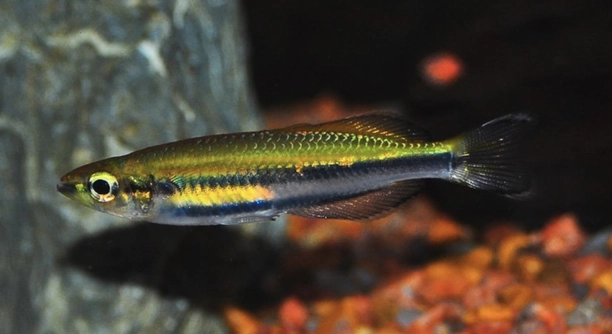
Keeping fish healthy goes beyond feeding and cleaning. Observing their natural behaviors helps them feel comfortable. Encouraging these instincts can lead to a more active and thriving aquarium environment for your fish every day.
Fish display behaviors like foraging, exploring, and social interaction, which are crucial for their physical and mental health. Providing suitable environments and stimulation supports these instincts and promotes overall well-being and longevity in captivity.
Learning how to support these natural tendencies can improve both the life of your fish and your enjoyment as an owner.
Encouraging Foraging Behavior
Fish naturally spend much of their time searching for food. In an aquarium, providing live or frozen foods that mimic natural prey can stimulate this instinct. Hiding small portions around the tank encourages exploration and keeps them active. Using plants, rocks, and decorations to conceal food creates opportunities for hunting and problem-solving. This activity prevents boredom and supports their physical health by promoting natural swimming and chasing motions. Over time, you’ll notice fish showing more alertness, moving deliberately toward food, and interacting with their environment more frequently. Offering variety in diet and feeding methods ensures they receive proper nutrition and mental stimulation. Rotating different foods like brine shrimp, daphnia, or bloodworms adds both nutritional value and enrichment. Avoid overfeeding to maintain water quality and avoid lethargy. Consistent feeding routines combined with foraging opportunities create a balanced and enriching habitat, allowing fish to express instincts they would naturally rely on in the wild.
Providing hidden foods boosts mental stimulation, encourages movement, and strengthens natural instincts in a controlled environment.
Active foraging also reduces stress and increases social interaction among tank mates. Fish become more engaged with their surroundings, exploring crevices and interacting with plants. Over time, this behavior can improve immunity and overall vitality, creating a livelier and healthier aquarium.
Promoting Social Interaction
Fish often thrive in groups and exhibit complex social behaviors.
Encouraging social interaction means choosing compatible species and maintaining appropriate group sizes. Observing their dynamics helps identify dominant and shy individuals, ensuring balance. Social behaviors include schooling, chasing, and synchronized swimming, which indicate comfort and confidence in the environment. Providing open swimming areas alongside hiding spots allows fish to choose interaction or solitude as needed. Structured environments with clear territories reduce stress and minimize aggression. Watching these interactions can be rewarding, showing how fish communicate and respond to each other’s presence. Over time, proper social setups can prevent isolation-related stress and encourage natural patterns. Adding enrichment, such as plants, rocks, and currents, helps fish interact in ways that reflect their natural instincts. Social stimulation is essential for both physical activity and mental health, fostering a harmonious tank environment where all individuals can thrive without undue tension.
Encouraging Exploration
Providing varied tank decorations motivates fish to explore. Rocks, caves, and plants create safe areas and hidden paths, keeping them active and curious. Changing layout occasionally can renew interest and prevent boredom.
Exploration helps fish develop spatial awareness and reduces stress. When fish have places to investigate, they swim more confidently and show natural behaviors. Open areas allow fast-moving species to exercise, while dense planting offers security for shy fish. Introducing new textures and colors gradually encourages movement and interaction without overwhelming them. Fish that explore regularly tend to have stronger immune systems and display more vibrant colors. Observing their patterns can guide adjustments in tank design, ensuring everyone thrives. A well-structured environment promotes both mental and physical stimulation, letting fish act naturally within their habitat.
Regular exploration opportunities also improve social dynamics, as fish interact with each other while navigating structures. Fish become more active, less stressed, and demonstrate instincts like hiding, chasing, and investigating new spaces. Creating a stimulating environment supports overall health and makes the aquarium more engaging for anyone observing it.
Supporting Resting Areas
Providing quiet zones ensures fish can rest without disturbance. Plants, caves, and shaded corners offer refuge from light and activity.
Resting areas reduce stress and prevent fatigue. Fish need these zones to conserve energy, especially after feeding or social interactions. Without proper spaces, they may become restless or hide excessively. Quiet spots allow timid fish to feel secure, promoting confidence and natural behaviors. Placing dense plant clusters or small caves near open swimming areas balances safety and activity. Observing which spots fish prefer can guide adjustments to habitat design. These areas also protect weaker or smaller species from aggressive tank mates, supporting overall harmony. A mix of resting and active zones creates a well-rounded environment where all fish can thrive and maintain healthy routines.
Encouraging Natural Hiding
Hiding spots help fish feel safe and reduce stress. Plants, rocks, and small caves give them areas to retreat when threatened or resting.
Natural hiding supports confidence and reduces aggression. Fish use these spaces to avoid conflict and feel secure, improving overall well-being and encouraging natural instincts to thrive.
Promoting Active Swimming
Providing open water areas allows fish to swim freely and exercise naturally. Currents, tunnels, and unobstructed zones encourage movement, helping maintain muscle tone and stamina. Fish that swim actively tend to display healthier coloration, stronger immune systems, and better social behaviors. Ensuring sufficient space supports mental stimulation, reduces stress, and mimics natural habitats. Observing swimming patterns helps identify preferred areas and adjust tank layout for maximum engagement. Rotating decorations and varying flow creates new challenges that keep fish moving. Active swimming contributes to overall fitness, supporting digestion, reducing lethargy, and fostering natural behaviors in a balanced and healthy environment.
Supporting Breeding Instincts
Certain species benefit from structures and conditions that trigger natural breeding behaviors. Providing appropriate substrates, plants, and privacy encourages reproduction.
FAQ
How can I tell if my fish are stressed?
Signs of stress in fish include hiding more than usual, loss of appetite, erratic swimming, or faded colors. Stress often arises from poor water quality, aggressive tank mates, or insufficient hiding spaces. Regular observation and monitoring water parameters help detect issues early and maintain a healthy environment.
What types of foods encourage natural behaviors?
Live and frozen foods like brine shrimp, daphnia, and bloodworms promote foraging and hunting instincts. Scattering food or hiding small portions in plants and decorations encourages exploration. Rotating food types provides balanced nutrition while keeping fish mentally engaged and physically active.
How do I create social groups in my tank?
Choose species that naturally school or interact well together. Maintain proper group sizes to reduce aggression and stress. Providing open swimming areas and hiding spots allows fish to engage socially or retreat if needed. Observe interactions and adjust stocking levels or arrangements to maintain harmony.
How often should I change the tank layout for exploration?
Minor changes every few weeks can stimulate curiosity without causing stress. Rearranging decorations, adding new plants, or creating different hiding spots encourages natural exploration while keeping the environment safe and comfortable. Avoid drastic changes that may confuse timid fish.
What materials work best for hiding spots?
Plants, rocks, and small caves made of aquarium-safe materials are ideal. Live plants provide shade and natural aesthetics, while rocks and PVC caves offer solid shelters. Make sure all decorations are smooth, free of sharp edges, and securely positioned to prevent accidents.
Can tank size affect natural behaviors?
Yes, limited space can restrict swimming, foraging, and social interactions. Larger tanks with varied structures allow fish to express instincts fully. Providing both open areas and shelters ensures that active and shy fish have adequate opportunities for movement and retreat.
How can I encourage breeding behaviors?
Provide species-specific conditions such as appropriate water temperature, lighting, and substrates. Dense plants, spawning mops, or caves give fish privacy and security. Reducing stress, maintaining clean water, and offering high-quality food can also trigger natural breeding instincts in healthy fish.
Is it necessary to mimic natural currents?
Many species benefit from gentle water flow that mimics natural currents. Pumps, filters, and flow diversions can create movement, encouraging active swimming, exercise, and exploration. Adjust the flow based on species preference to avoid overwhelming smaller or weaker fish.
How do I balance active and resting areas?
Include open swimming zones alongside shaded corners, caves, or dense plants. This allows fish to choose activity or rest as needed. Observing preferences helps refine the layout, ensuring all fish can access both spaces comfortably while reducing stress and promoting natural routines.
Can tank enrichment improve fish health?
Yes, environmental enrichment supports physical fitness, reduces stress, and stimulates natural instincts. Activities like exploring, foraging, and social interaction improve immune function, coloration, and overall vitality. Regular adjustments and varied stimuli keep fish engaged and thriving in a safe, supportive habitat.
How do I prevent aggression while encouraging natural behaviors?
Provide enough hiding spots and open space to reduce territorial disputes. Choose compatible species and avoid overcrowding. Observing behavior and separating overly aggressive individuals when necessary helps maintain a peaceful environment while still allowing fish to express natural instincts.
What are signs of a healthy, stimulated fish?
Healthy fish are active, display bright colors, forage or explore regularly, interact appropriately with tank mates, and maintain normal feeding and resting behaviors. Consistent observation of these indicators helps ensure your fish are thriving and benefiting from the environment you provide.
How important is water quality for natural behaviors?
Water quality is crucial. Clean, well-filtered water with stable temperature and pH allows fish to exhibit natural behaviors safely. Regular testing, partial water changes, and proper filtration prevent stress and disease, enabling active swimming, foraging, and social interactions to occur naturally.
How often should I observe and adjust the tank?
Frequent observation, at least once daily, helps monitor fish health, behavior, and interactions. Minor adjustments to decorations, feeding methods, or groupings can enhance stimulation. Keeping detailed notes on behaviors helps create an optimal, enriching environment that supports natural instincts consistently.
Can I mix species with different activity levels?
Yes, but careful planning is needed. Pairing active swimmers with peaceful, less active species requires balanced tank layout, sufficient hiding spots, and monitoring interactions. Ensuring both species have suitable zones prevents stress and allows each fish to engage in natural behaviors comfortably.
Are live plants necessary for natural behaviors?
Live plants are highly beneficial but not strictly necessary. They provide shelter, surfaces for foraging, and stimulate exploration. Artificial plants can also work if arranged thoughtfully. Plants contribute to mental stimulation, social interaction, and resting areas while improving water quality naturally.
How do I know if enrichment is effective?
Fish engaging in exploration, active swimming, foraging, and social interactions indicate successful enrichment. Reduced hiding, brighter colors, and increased appetite are additional signs. Observing behavior changes after adjustments helps identify what stimulates natural instincts most effectively.
Can stress override natural behaviors?
Yes, prolonged stress can suppress instincts like foraging, socializing, or breeding. Causes include poor water quality, aggressive tank mates, overcrowding, or lack of hiding spaces. Addressing stressors restores natural behaviors and improves overall health and vitality in the aquarium.
What role does feeding schedule play in natural behavior?
Regular, varied feeding encourages foraging and exploration. Spacing meals and using hidden food placements promotes active searching and problem-solving. Consistent feeding schedules help regulate metabolism, reduce aggression, and reinforce healthy routines, supporting both mental and physical stimulation.
How can I adjust for shy or timid fish?
Provide dense plants, caves, and shaded areas where timid fish can retreat safely. Gradually introduce social or active species to avoid overwhelming them. Allowing choice between resting and active zones encourages confidence, reduces stress, and supports expression of natural behaviors at their own pace.
Final Thoughts
Encouraging natural behaviors in fish is essential for their health and happiness. Fish are more than decorative tank ornaments; they have instincts that drive their movement, social interactions, and feeding patterns. Providing environments that allow them to express these behaviors supports both their physical and mental well-being. Simple changes like adding hiding spots, plants, or open swimming areas can make a big difference. Observing fish daily helps understand their preferences and needs. Fish that can forage, explore, swim actively, and interact socially tend to display brighter colors, healthier appetites, and more confidence. Supporting these behaviors also reduces stress and minimizes the risk of illness caused by inactivity or poor environmental conditions.
Maintaining the right balance in the aquarium is key. Too much open space without shelter can make timid fish feel exposed, while excessive hiding spots may limit activity and social interaction. Fish need variety in their environment to stimulate exploration and engagement. Adding decorations, caves, or floating plants encourages movement and curiosity. Rotating elements occasionally keeps the environment fresh and engaging, preventing boredom. Feeding practices also play a role in encouraging natural behaviors. Scattering food, hiding it among plants, or offering live or frozen options can simulate foraging and hunting. Observing how fish respond to these changes helps refine the setup, ensuring each species can thrive. Simple adjustments over time can create a more balanced, harmonious, and stimulating environment.
Natural behaviors are not only important for fish health but also for the enjoyment of keeping an aquarium. Watching fish explore, swim actively, and interact with their environment provides insight into their instincts and personality. By encouraging these behaviors, owners can create a tank that feels closer to a natural habitat, where each fish has space to rest, hide, socialize, and exercise. Consistent attention to water quality, enrichment, social balance, and feeding ensures long-term benefits. Small, intentional changes can significantly improve the life of the fish, making the aquarium a more lively and rewarding space. Prioritizing their natural behaviors supports vitality, reduces stress, and fosters an environment where fish can truly thrive, reflecting care and respect for these living creatures.

Hello,
If you enjoy the content that we create, please consider saying a "Thank You!" by leaving a tip.
Every little bit helps us continue crafting quality advice that supports the health, happiness, and well-being of pets around the world, for pets of all shapes, sizes, and species.
We really appreciate the kindness and support that you show us!