
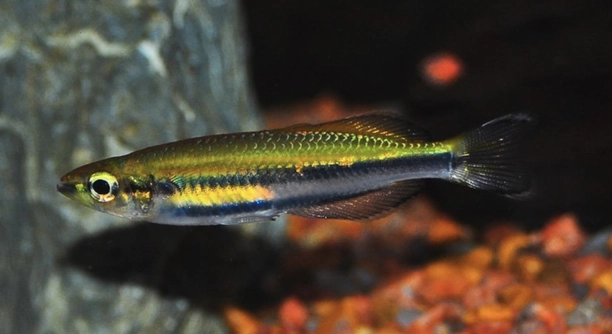
Rainbowfish are small, colorful freshwater fish that brighten up any aquarium. Many fish owners enjoy their vibrant appearance but want to make sure these lively creatures live long, healthy lives with proper care and attention.
Rainbowfish lifespan can be significantly improved through consistent water quality management, a balanced and varied diet, adequate space, stress reduction, proper lighting, regular monitoring for disease, and maintaining stable water temperature conditions conducive to their natural habitat.
Following these practices can make a noticeable difference in their health. Each step plays a role in ensuring rainbowfish thrive and enjoy a longer life in your aquarium.
Maintain Stable Water Conditions
Rainbowfish are sensitive to changes in their environment. Keeping water parameters stable is essential for their health. Temperature swings, pH fluctuations, and sudden changes in hardness can stress the fish, weakening their immune system. I’ve noticed that when the water is consistently clean and stable, rainbowfish swim actively, show brighter colors, and interact more. Regularly checking temperature and pH with reliable tools prevents surprises. Partial water changes are a simple way to maintain water quality without shocking the fish. Using a gentle filter helps remove debris but avoid strong currents, as rainbowfish prefer calm areas. Adding natural decorations like plants and rocks not only mimics their habitat but also provides hiding spots, reducing stress. Observing their behavior daily helps detect problems early. If a fish starts hiding or loses color, it often signals a water issue. Maintaining consistent conditions is one of the simplest ways to ensure they live a long, healthy life.
Consistent water quality directly improves rainbowfish health, reducing stress and preventing disease. Stability in temperature and pH is key.
Regular maintenance includes checking water parameters, performing partial changes, and ensuring the filter functions well. Avoid sudden shifts in environment to keep rainbowfish comfortable and healthy.
Provide a Balanced Diet
A balanced diet is crucial for rainbowfish longevity. Feeding them a mix of high-quality flakes, pellets, and occasional live or frozen foods provides necessary nutrients. I usually offer small portions two to three times daily, preventing overfeeding. Overfeeding can pollute water and cause digestive problems. Including vegetables or spirulina-based foods helps support their immune system. Different species may have slightly different preferences, so observe which foods they readily eat. Rotating food types keeps their diet interesting and ensures all nutritional needs are met. Treats like brine shrimp or daphnia can be offered a few times per week, adding variety without disrupting balance. Proper feeding schedules, combined with clean water, allow rainbowfish to grow strong and maintain vibrant colors. Consistency in diet not only enhances health but also encourages active behavior, making them more enjoyable to watch. A nutritious diet directly contributes to extending their lifespan.
Balanced feeding improves health and supports immunity, ensuring rainbowfish remain active and vibrant.
Over time, a consistent, nutrient-rich diet prevents malnutrition, strengthens the immune system, and reduces susceptibility to common diseases. Avoid feeding only one type of food to ensure they receive all vitamins, minerals, and proteins necessary for growth and vitality. Observing their eating habits can indicate health status. Healthy rainbowfish show bright colors, energetic swimming, and regular feeding response. Including live or frozen foods occasionally replicates their natural diet, enhancing overall nutrition. Avoid overfeeding, as excess food decays in water, affecting both water quality and fish health. A balanced diet combined with proper water management significantly extends lifespan. Paying attention to portion sizes, food variety, and feeding frequency allows these fish to thrive and display natural behaviors consistently. Feeding with care ensures their environment remains clean and their bodies stay strong, helping them enjoy a long, healthy life in the aquarium.
Provide Adequate Space
Rainbowfish need enough room to swim freely. Crowded tanks stress them, reduce growth, and shorten lifespan. A larger tank with hiding spots and open swimming areas keeps them healthy and active.
A spacious aquarium allows rainbowfish to move naturally, establish territories, and interact without constant competition. Overcrowding can lead to aggression, stunted growth, and weakened immune systems. I make sure to follow recommended stocking guidelines based on tank size and species. Including plants, rocks, and driftwood creates hiding spots, reducing stress and giving shy individuals space to retreat. Open swimming areas let them exercise, which is essential for maintaining strong muscles and overall vitality. Proper tank layout and sufficient space also help keep water cleaner, as fish waste is more evenly distributed, reducing localized contamination. When I rearrange their tank occasionally, they explore more actively, which seems to improve their behavior and well-being.
Monitoring behavior and adjusting the number of fish ensures the tank remains comfortable. Regular observation helps prevent overcrowding and stress, supporting rainbowfish health and longevity.
Minimize Stress Factors
Stress directly impacts rainbowfish lifespan. Sudden changes, aggressive tank mates, and excessive noise can weaken their immune system. Keeping a calm environment reduces illness and encourages natural behavior.
Providing a stable environment is essential to reduce stress. I ensure the tank has gentle water flow, quiet surroundings, and compatible species. Bright lights or frequent disturbances can startle them, so I try to maintain a predictable routine. Using floating plants or decorations offers shelter and security, giving them a sense of control over their space. Regularly checking water quality and avoiding rapid temperature changes prevents hidden stressors that can compromise health. Even small adjustments, like maintaining consistent feeding times, help rainbowfish feel secure. Observing their interactions helps identify aggression or anxiety early. By minimizing stress, rainbowfish are more likely to live longer, remain active, and show vibrant colors consistently. A calm, stable environment contributes to overall physical and behavioral well-being, enhancing lifespan and quality of life.
Maintain Proper Lighting
Rainbowfish benefit from a consistent light cycle. About 10–12 hours of light daily supports natural rhythms and reduces stress, helping them stay healthy and active.
Avoid sudden changes in lighting, as it can startle them. Using a timer ensures consistency, which keeps their environment stable and predictable.
Monitor Water Temperature
Keeping water within the proper temperature range is essential. Most rainbowfish thrive between 75–82°F (24–28°C). I check the thermometer daily to prevent sudden fluctuations. Maintaining this range supports metabolism, digestion, and immune function, all of which are critical for a longer, healthier life.
Regular Health Checks
Observing rainbowfish daily helps spot early signs of illness. Watch for changes in color, appetite, or swimming patterns to address problems promptly.
FAQ
How often should I change my rainbowfish’s water?
Partial water changes should be done weekly, usually 20–30% of the tank volume. I find that doing it consistently keeps water parameters stable and reduces the buildup of harmful chemicals. Completely changing all the water at once can shock the fish, so small, regular changes are safer. Using a siphon helps remove debris without disturbing plants or decorations. Clean water keeps rainbowfish active, colorful, and less prone to disease.
What is the best diet for rainbowfish?
A mix of high-quality flakes or pellets, along with occasional live or frozen foods like brine shrimp or daphnia, works well. I rotate food types to ensure all nutritional needs are met. Vegetables or spirulina-based foods support immune health and enhance color. Avoid overfeeding, as leftover food pollutes the tank. Feeding small portions multiple times a day is better than one large feeding. Proper diet improves growth, activity, and overall health.
How many rainbowfish should I keep in one tank?
Stocking depends on tank size and species. Generally, I keep at least six rainbowfish together because they are schooling fish. A group that is too small can become stressed or timid, while overcrowding causes aggression and poor water quality. Giving them plenty of swimming space and hiding spots ensures they remain active and comfortable. Observing interactions helps adjust the number or layout if any fish appear stressed.
What temperature is ideal for rainbowfish?
Most rainbowfish thrive between 75–82°F (24–28°C). I monitor this daily with a reliable thermometer. Sudden changes in temperature can stress the fish, weaken immunity, and shorten lifespan. Using a heater with a thermostat keeps conditions stable. Proper temperature supports metabolism, digestion, and coloration, making the fish more vibrant and active.
Can rainbowfish live with other fish?
Yes, rainbowfish are generally peaceful and do well with similar-sized, non-aggressive species. I avoid very small fish that might be seen as food or overly aggressive species that cause stress. Observing interactions is important to ensure compatibility. Including plants and hiding spaces reduces conflict and allows all species to thrive in the same tank.
How do I know if my rainbowfish is sick?
Signs of illness include loss of color, lethargy, irregular swimming, loss of appetite, or clamped fins. I check fish daily and isolate any showing symptoms to prevent spreading disease. Water quality is often the underlying cause, so testing and adjusting parameters can help. Prompt action with appropriate treatment improves recovery chances and protects the rest of the tank.
What kind of tank setup is best for rainbowfish?
A long tank with open swimming areas and planted sections works best. I use gentle filtration to keep water clean without creating strong currents. Decorations like rocks and driftwood provide hiding spots and reduce stress. A balanced layout encourages natural behavior, allows exercise, and supports mental and physical health, contributing to longer lifespan.
How often should I check water parameters?
I test water at least once a week for pH, hardness, ammonia, nitrites, and nitrates. Frequent monitoring helps catch small changes before they become harmful. Maintaining consistent conditions supports immune health, reduces stress, and ensures rainbowfish thrive. Using a reliable test kit makes tracking easy and precise.
Do rainbowfish need special lighting?
A consistent light cycle of 10–12 hours a day helps maintain natural rhythms. I use a timer to avoid sudden changes, which can stress the fish. Proper lighting enhances color, encourages activity, and supports plant growth if the tank has live plants.
Can I breed rainbowfish at home?
Yes, but it requires careful preparation. I set up a separate breeding tank with slightly warmer water and fine-leaved plants for egg laying. Removing adults after spawning prevents them from eating the eggs. Feeding a high-protein diet increases success. Fry need tiny foods like infusoria or newly hatched brine shrimp. With patience, healthy fry grow quickly in optimal conditions.
How do I reduce stress in rainbowfish?
Stable water conditions, compatible tank mates, hiding spaces, and consistent feeding schedules all help. I minimize loud noises, sudden movements, and drastic changes in temperature or light. Stress reduction supports immune health, encourages natural behavior, and helps rainbowfish live longer, more vibrant lives.
Is it necessary to quarantine new fish?
Yes, I always quarantine new fish for at least two weeks before adding them to the main tank. This prevents introducing diseases or parasites. Observing their health, behavior, and eating habits during quarantine ensures they are safe to join established rainbowfish, protecting both the newcomers and existing fish.
This FAQ covers the most important aspects of rainbowfish care, helping maintain their health, reduce stress, and support longevity through proper tank management, diet, and observation.
Rainbowfish are beautiful, lively fish that can bring color and energy to any aquarium. Caring for them requires attention to their environment, diet, and overall health. Maintaining stable water conditions, including temperature, pH, and cleanliness, is essential for keeping rainbowfish active and healthy. Small, consistent water changes and proper filtration make a noticeable difference. Over time, I’ve seen how even minor improvements in water quality can reduce stress and prevent common illnesses, which directly affects lifespan. Providing enough space for swimming and including hiding spots also supports their natural behavior and reduces tension among tank mates. A tank that feels safe and predictable helps rainbowfish thrive and display their best colors.
Feeding rainbowfish a balanced and varied diet is another critical factor. High-quality flakes or pellets, supplemented occasionally with live or frozen foods, give them the nutrients they need. I rotate different food types to ensure they receive vitamins, minerals, and proteins consistently. Overfeeding can be harmful, so offering small portions multiple times a day keeps water clean and prevents digestive issues. Including plant-based foods such as spirulina or vegetables supports immunity and contributes to overall vitality. Observing how they eat and behave can indicate whether their diet is meeting their needs. Healthy rainbowfish swim actively, show bright coloration, and respond eagerly during feeding, all signs of proper nutrition.
Stress management and regular observation are equally important in supporting rainbowfish longevity. Sudden changes in water, aggressive tank mates, loud noises, or irregular lighting can all weaken the fish. I find that keeping routines consistent, providing calm surroundings, and checking water parameters weekly prevents unnecessary stress. Regular health checks help detect early signs of disease, such as loss of color or reduced activity, so treatment can begin promptly. Quarantining new fish and monitoring compatibility with existing tank mates further protects the group. When all these elements are combined—stable water, nutritious food, space, and minimal stress—rainbowfish are more likely to live longer, remain vibrant, and enjoy an active, healthy life in the aquarium.

Hello,
If you enjoy the content that we create, please consider saying a "Thank You!" by leaving a tip.
Every little bit helps us continue crafting quality advice that supports the health, happiness, and well-being of pets around the world, for pets of all shapes, sizes, and species.
We really appreciate the kindness and support that you show us!