
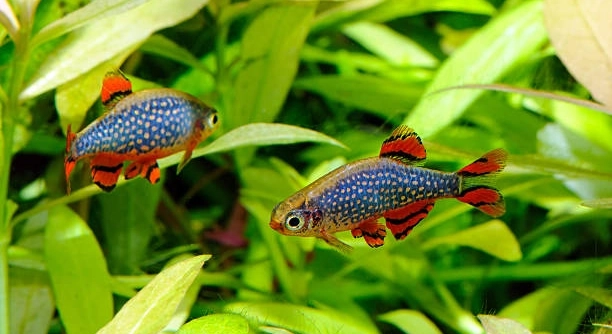
Danios are lively, small fish that many aquarium enthusiasts enjoy keeping. As these fish grow, their feeding patterns gradually shift, reflecting changes in metabolism and behavior. Observing these changes helps ensure they stay healthy and active.
As danios age, their feeding behaviors evolve in seven key ways. Younger fish tend to eat more frequently and display rapid, energetic feeding, while older danios often slow down, require smaller portions, and may show selective preferences for certain food types.
Learning about these behavioral shifts can improve your care routine and help maintain your danios’ health through all life stages.
Increased Appetite in Young Danios
Young danios are highly active and tend to eat more than older fish. Their fast metabolism drives frequent feeding, and they often compete at the surface for food. Observing them during feeding can reveal bursts of energy, rapid darting movements, and a preference for smaller, easily digestible foods. Tank conditions can influence how much they eat, as clean, well-oxygenated water encourages consistent feeding. It is common to see young danios gulp down flakes or small live foods with minimal hesitation. Providing multiple feeding spots can reduce competition and stress. Overfeeding is a risk, so monitoring portions is important to maintain water quality and fish health. Young fish can handle diverse diets, including high-protein options that support growth and strong immune systems. Regularly adjusting food type and quantity as they grow ensures they develop at a healthy rate without creating waste buildup.
Young danios show rapid growth due to their high energy intake and frequent meals.
Balanced feeding supports healthy development and reduces stress in young danios, laying a foundation for long-term well-being.
Slower Eating in Adult Danios
Adult danios often slow down during feeding and may take longer to finish meals.
As danios age, their metabolism decreases, reducing the energy needed daily. Adults may ignore food they once accepted eagerly, focusing only on preferred items. They are more deliberate in eating, which can reduce competition and aggression during mealtime. Feeding should match their slower pace, offering smaller portions several times a day instead of one large feeding. High-protein or nutrient-rich options remain beneficial but should be provided in moderation to prevent digestive issues. Observing their response to different foods helps identify preferences and ensures each fish receives adequate nutrition. Maintaining water quality is critical, as leftover food can quickly degrade, affecting health. Adjusting feeding routines to match adult behavior supports longevity and prevents obesity or nutrient deficiencies, helping the tank remain balanced.
Adults adapt to lower energy needs by choosing foods more selectively, requiring careful feeding management.
Providing a structured feeding schedule and adjusting portion sizes keeps adult danios healthy and active, minimizing waste and stress while meeting nutritional requirements for their age.
Selective Feeding Habits
As danios grow older, they often become pickier about their food. They may favor certain flakes, pellets, or live foods while ignoring others. Observing these preferences helps provide the right nutrition.
Older danios may refuse foods they previously ate without hesitation. This change can be influenced by flavor, texture, or size of the food. Some adults prefer sinking pellets over floating flakes, while others focus on live or frozen options. Adjusting diet gradually can encourage balanced nutrition. Tracking their feeding patterns ensures all fish get enough nutrients without overfeeding or causing water quality issues. Careful observation helps maintain health and prevent nutritional gaps in selective feeders.
Selective feeding also impacts tank management. Leftover food can accumulate, affecting water quality and potentially stressing other fish. Offering varied, high-quality options in small amounts encourages consistent eating habits while keeping the tank clean and healthy.
Reduced Aggression During Feeding
Older danios usually show less competition at the feeding area, allowing a calmer meal environment.
Aggressive behavior decreases as social hierarchy stabilizes. Juvenile danios often dart and chase each other, but adults feed with less conflict, which reduces stress and injuries. This shift can make mealtimes more predictable and easier to manage, allowing each fish access to sufficient food. Feeding multiple spots in the tank helps prevent minor squabbles and ensures all fish can eat comfortably. Stress reduction supports overall health and longevity, especially as danios age.
This change in aggression affects how food should be offered. Adults benefit from routine feeding in consistent locations, using smaller portions spread across the tank. Less chasing allows more fish to eat simultaneously, improving nutrition distribution. Monitoring behavior ensures shy or slower fish still get their share, helping maintain balance and preventing dominance-related malnutrition. By adapting feeding strategies, care can remain effective while minimizing stress.
Preference for Smaller Portions
Older danios often eat smaller amounts at each feeding. Large portions can overwhelm them or go uneaten.
Providing appropriately sized servings prevents leftover food from polluting the tank. It also helps maintain steady digestion and reduces stress associated with overfeeding.
Slower Response to Food
As danios age, their reaction time during feeding slows. They may take longer to notice food or swim toward it. This requires patience when feeding and careful observation to ensure all fish are eating enough. Slower responses are normal and reflect natural changes in metabolism and activity levels.
Increased Interest in Vegetables
Some older danios show more interest in plant-based foods. Offering small amounts of blanched vegetables can provide fiber and variety, supporting digestion and overall health.
FAQ
How often should I feed my danios at different ages?
Young danios require more frequent feedings, typically two to three times a day, to support rapid growth and high energy levels. Adults can thrive on one to two feedings daily with smaller portions, reflecting their slower metabolism. Observing how quickly they finish meals helps adjust the schedule. Overfeeding at any age can lead to poor water quality and digestive issues. Feeding in controlled amounts ensures all fish get adequate nutrition while maintaining a clean tank environment.
What types of food are best for young danios?
Young danios benefit from a high-protein diet that promotes growth. Flake foods, micro-pellets, and live foods like brine shrimp or daphnia work well. Small food sizes make eating easier and prevent choking. Introducing a mix of foods encourages balanced nutrition and helps young danios develop healthy feeding habits early. Rotating food types can prevent dietary deficiencies and support immune system development. Observing preferences can guide adjustments to ensure all young fish are eating enough.
Why do adult danios eat more slowly than juveniles?
As danios mature, their metabolism naturally slows. Adults require less energy, so they consume smaller portions over a longer period. Feeding behavior changes, including slower responses and selective eating, are normal. Providing smaller, nutrient-rich portions and spreading feeding spots reduces competition and ensures all fish receive adequate nutrition. Monitoring intake helps prevent leftover food from polluting the tank. Adult feeding routines should match their energy needs without overfeeding, which could cause health issues like obesity or poor water quality.
How can I encourage picky adult danios to eat?
Offering a variety of foods gradually can entice selective eaters. Combining flakes, pellets, and small amounts of frozen or live foods can stimulate interest. Observing which foods they prefer allows for tailored feeding while ensuring nutritional balance. Serving smaller portions multiple times a day reduces waste and encourages consistent eating. Patience is key, as some adults take longer to adapt to new foods. Maintaining good water quality and stable tank conditions also promotes regular feeding behavior in picky danios.
Are there signs that danios are not getting enough food?
Yes, signs include lethargy, weight loss, faded colors, or unusual aggression at feeding times. Shy or slower fish may struggle to compete, especially in younger, more active groups. Monitoring feeding behavior and ensuring all fish can access food helps prevent malnutrition. Adjusting portion sizes, feeding frequency, or distribution can correct underfeeding. Regular observation ensures that even less dominant individuals receive adequate nutrition without overfeeding the rest of the tank.
Can danios eat vegetables, and how often should they be offered?
Yes, older danios often benefit from small amounts of plant-based foods. Blanched spinach, zucchini, or peas provide fiber and variety. Offering vegetables two to three times per week complements protein-based diets and supports digestive health. Introduce slowly to avoid overfeeding or water contamination. Observing which vegetables are accepted ensures they contribute to overall nutrition effectively.
Is it necessary to change feeding methods as danios age?
Yes, adapting feeding methods helps match their behavior and nutritional needs. Young fish may benefit from fast-dispersing flakes or micro-pellets, while adults respond better to slower-sinking pellets or targeted feeding spots. Adjusting food size, portion amounts, and feeding frequency ensures all fish eat adequately and helps maintain water quality. Regularly monitoring feeding behavior and tank conditions guides appropriate adjustments, supporting long-term health and reducing stress.
What role does tank environment play in feeding behavior?
Tank conditions significantly affect feeding. Clean water, adequate oxygenation, and proper lighting influence appetite and energy levels. Overcrowding or excessive competition can discourage slower or shy fish from eating. Providing multiple feeding spots and maintaining a stable environment encourages consistent eating habits. Observing fish during feeding helps identify issues related to the environment and allows for timely adjustments to ensure all danios remain healthy and well-nourished.
How do feeding behaviors indicate health problems?
Changes in feeding habits can signal illness or stress. Loss of appetite, sudden selectiveness, or slower response times may indicate infections, digestive issues, or water quality problems. Monitoring feeding closely allows for early detection and intervention. Prompt action, such as adjusting diet, improving water conditions, or consulting a veterinarian, helps maintain the health and longevity of danios. Consistent feeding patterns are a strong indicator of overall well-being.
How can I prevent overfeeding while ensuring proper nutrition?
Measure portions according to age and activity levels. Young danios need frequent, small meals, while adults benefit from smaller, less frequent feedings. Remove uneaten food promptly to avoid water quality issues. Offering a variety of high-quality, nutrient-rich foods ensures all dietary needs are met. Observing fish behavior during feeding helps fine-tune portions, preventing both underfeeding and overfeeding while maintaining health and a clean tank environment.
This FAQ covers common concerns and practical strategies for feeding danios throughout their life stages, helping maintain health, growth, and behavior consistency.
Final Thoughts
Caring for danios requires attention to how their feeding behaviors change as they grow. Young danios are highly active and have rapid metabolisms, which means they need frequent, small meals. They often compete for food at the surface and enjoy a variety of flakes, pellets, and live foods. Watching them eat can provide insight into their growth and health, allowing adjustments to portion sizes and feeding frequency. Overfeeding can lead to water quality problems, so careful observation is key. Providing the right foods at the right times ensures that young fish develop properly and stay strong and energetic.
As danios reach adulthood, their feeding habits shift. They eat more slowly, may show selective preferences, and often prefer smaller portions. Aggressive chasing and competition decline, which allows a calmer feeding environment. Adults also have lower energy requirements, so they do not need as much food as juveniles. Offering nutrient-rich, high-quality foods in moderation helps maintain their health while preventing leftover food from contaminating the tank. Adjusting feeding routines to match these changes ensures that each fish gets enough nutrition and remains active without stressing the tank environment. Observing preferences, timing, and behavior is important for making proper adjustments and keeping the fish healthy.
Older danios sometimes develop interest in vegetables or plant-based foods, which can provide fiber and dietary variety. Slower response to food and selective eating are normal signs of aging and should be considered when planning meals. Maintaining a stable tank environment, with clean water, adequate oxygenation, and enough feeding spots, supports consistent eating behaviors. Paying attention to these details reduces stress, prevents malnutrition, and allows all fish, even shy or slower individuals, to eat sufficiently. Overall, understanding the changes in feeding behavior across different life stages is essential for the long-term health and well-being of danios, ensuring that they remain lively and vibrant throughout their lives.

Hello,
If you enjoy the content that we create, please consider saying a "Thank You!" by leaving a tip.
Every little bit helps us continue crafting quality advice that supports the health, happiness, and well-being of pets around the world, for pets of all shapes, sizes, and species.
We really appreciate the kindness and support that you show us!