
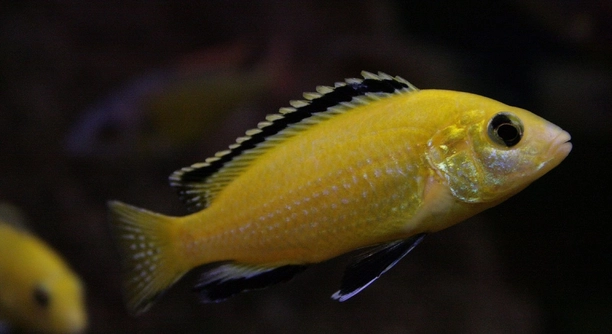
Many aquarium hobbyists enjoy keeping cichlids and often notice differences between males and females. These differences have led to many beliefs and ideas about their behavior, appearance, and care. Understanding these can help in better caring for these fish.
There are several common myths about male and female cichlids that often cause confusion. These include misconceptions about size, aggression, color intensity, and breeding habits. Scientific observation shows that many of these beliefs are oversimplified or inaccurate.
Knowing the truth behind these myths can improve how you manage your aquarium and your cichlids’ well-being. It also helps create a more peaceful environment for both male and female fish.
Myth 1: Male Cichlids Are Always Larger Than Females
Many people believe that male cichlids grow much bigger than females. While this can be true for some species, it is not a rule that applies to all cichlids. Size differences vary depending on the species and the environment they live in. Sometimes, females can be just as large or even larger in certain cases. Factors like diet, tank size, and genetics play a bigger role in growth than gender alone. Assuming size as the main way to tell males from females can lead to mistakes in identification. This is important because proper care and breeding depend on correctly knowing your fish. Observing behavior and physical traits together gives a clearer picture.
Size differences between males and females can be subtle or obvious, but they are not always reliable for identification.
Knowing the real factors behind size can help you better care for your cichlids and avoid confusion in your tank setup.
Myth 2: Male Cichlids Are Always More Aggressive Than Females
It’s common to think male cichlids are always more aggressive, especially during breeding. However, females can also show strong aggression, especially when guarding eggs or fry. Aggression depends on species, individual personality, and tank conditions more than just gender. For example, some female cichlids are known to be fiercely protective, even more than males in some situations. Stress and overcrowding in the tank can increase aggressive behavior regardless of sex. Understanding this helps prevent unnecessary separation or stress for your fish. Managing tank space, hiding spots, and compatible mates reduces conflict. It also encourages a more balanced social environment.
Both male and female cichlids have the potential for aggression, influenced by many factors beyond gender.
Recognizing when aggression is natural or caused by environment improves your ability to maintain a healthy aquarium. Avoid assuming males are always the problem and watch all fish closely.
Myth 3: Only Male Cichlids Display Bright Colors
Many people think only male cichlids have bright, vibrant colors. This is not always true, as some females can be equally colorful, depending on the species and their mood.
Color intensity can vary between males and females, but environmental factors like diet and stress also affect their appearance. Healthy, well-fed fish tend to show brighter colors regardless of gender. In some species, females develop strong colors during breeding periods to protect their territory or attract mates. Ignoring female coloration can lead to misunderstandings when trying to identify the sexes. Paying attention to behavior alongside color helps make better judgments.
Bright color alone is not a reliable way to tell males from females. Observing multiple traits provides a clearer understanding of your cichlids.
Myth 4: Female Cichlids Are Less Active Than Males
Females are often seen as less active than males, but this is not always the case. Their activity levels change with breeding, stress, and tank conditions.
During breeding, females may be busier protecting eggs or fry, showing high activity and alertness. Outside breeding times, females might seem less active if they are conserving energy or hiding. Activity differences between genders depend on individual personality and species traits more than a strict rule. Tank layout also influences movement—plenty of space encourages more activity for both males and females. Observing each fish’s normal behavior helps identify what is typical and what might signal a problem.
Female cichlids can be just as active and energetic as males, especially when caring for offspring or exploring their environment.
Myth 5: Males Always Build the Best Nests
Not all male cichlids build nests, and when they do, the quality varies widely. Some species rely more on females or both parents to prepare the breeding site.
Nest building depends on species, individual behavior, and environment. Some females are very involved in selecting and preparing spawning sites, and sometimes nests are simple or even absent. Assuming males are always the builders overlooks the important role females play in reproduction.
Myth 6: Female Cichlids Don’t Compete for Territory
Females can be just as territorial as males, especially during breeding. They defend spaces to protect eggs or young fish.
Territorial behavior is not exclusive to males. Female cichlids establish and defend territories to ensure the safety of their offspring. This competition can be intense and lead to aggressive encounters, particularly in crowded tanks or breeding conditions. Overlooking female territoriality can cause surprises in tank dynamics, so it’s important to recognize their role in defending space and resources.
Myth 7: Sexing Cichlids Is Easy by Just Looking at Them
Sexing cichlids can be tricky because physical differences are subtle or vary by species. Visual cues alone often aren’t enough.
Some cichlids show distinct differences like fin shape or coloration, but many require close observation or behavior study. In some cases, only during breeding will sex differences become clear. Relying only on appearance can lead to errors, especially for beginners. Knowing this helps set realistic expectations and encourages patience when identifying males and females.
Sexing requires attention to multiple traits and sometimes time to observe behavior.
How can I tell the difference between male and female cichlids?
Telling males from females often involves looking at several features rather than just one. Size can help, but it isn’t always reliable since some females grow as large as males. Color differences exist but also depend on species and mood. Fins may give clues—males often have longer, pointed fins—but not always. Behavior is a good indicator: males may be more territorial or show courtship displays, while females might guard eggs or fry. Sometimes, only during breeding do the differences become clear. Patience and close observation are key.
Are male cichlids always more aggressive than females?
No, females can be just as aggressive, especially during breeding or when protecting young. Aggression depends on species, tank conditions, and individual personalities. Overcrowding and stress can increase aggression for both sexes. It’s important to manage tank space and provide hiding spots to reduce conflict. Watching behavior carefully helps identify which fish are causing trouble, rather than assuming males are always the problem.
Why do some female cichlids have bright colors?
Female coloration varies by species and circumstances. Some females display bright colors during breeding to protect territory or attract mates. Good diet and low stress also help females show strong colors. Bright female colors are natural in some species and should not be mistaken as a male trait only.
Is size a reliable way to sex cichlids?
Size differences exist but aren’t consistent across species. Some females grow as large as males. Environmental factors like diet and tank size also influence growth. Relying on size alone can lead to mistakes in identifying males and females. Use size together with behavior and physical traits for better accuracy.
Do all male cichlids build nests?
Not all males build nests. Nest building varies by species and individual behavior. Sometimes females help or even take the lead in preparing breeding sites. Assuming all males build nests ignores this diversity. Observing the species’ natural behavior is helpful.
Can female cichlids be territorial?
Yes, females are often territorial, especially when guarding eggs or fry. Female territorial aggression can be just as intense as males’. Recognizing female territoriality helps better manage tank space and reduce conflict.
Is it easy to sex cichlids just by looking at them?
Sexing cichlids visually can be difficult. Physical differences are subtle or appear only during breeding. Behavior and multiple traits often provide clearer clues. Beginners should be patient and use various signs for correct identification.
What should I do if I can’t tell males from females?
If identification is unclear, observe fish behavior over time. Breeding behavior often reveals sexes. Consult species-specific guides or experienced keepers. Some hobbyists use venting techniques, but these require care. Patience is important for successful sexing.
Does the environment affect male and female cichlid behavior?
Yes, tank conditions, population density, and stress impact behavior. Aggression and activity levels can rise with poor environment. Providing enough space, hiding places, and good water quality improves behavior for both sexes.
Can diet influence the appearance of male and female cichlids?
Diet affects health and color intensity for all cichlids. A balanced diet helps males show bright colors and females maintain good condition. Poor nutrition can dull colors and reduce breeding readiness. Feeding quality food supports overall well-being and vibrant appearance.
Understanding the differences between male and female cichlids is not always easy. Many common ideas about how to tell them apart are not completely true or apply only to certain species. Size, color, and behavior can vary a lot depending on the type of cichlid and the environment they live in. This means it is important to look at several signs together, rather than relying on just one. Being patient and observing your fish over time will give you a clearer idea of which are males and which are females. This helps with proper care and creating a peaceful tank.
Both male and female cichlids have unique roles and behaviors that make them interesting to watch. Males may be more colorful or build nests, but females also show strong colors and defend their territory, especially when protecting their eggs or young. Aggression is not limited to males—females can be equally protective and sometimes more active during breeding times. Understanding these behaviors makes it easier to manage aggression in the tank and helps you provide the right environment for all your fish. Giving them enough space, hiding spots, and good water conditions reduces stress and keeps them healthy.
Sexing cichlids takes time and care. It is a combination of watching physical traits and behavior, and sometimes waiting for breeding periods to see clearer differences. Avoid making quick assumptions based only on size or color, because these can be misleading. Learning the truth behind common myths improves how you care for your fish and creates a better home for them. By knowing what to expect from males and females, you can enjoy watching their natural behaviors and support their health in your aquarium.

Hello,
If you enjoy the content that we create, please consider saying a "Thank You!" by leaving a tip.
Every little bit helps us continue crafting quality advice that supports the health, happiness, and well-being of pets around the world, for pets of all shapes, sizes, and species.
We really appreciate the kindness and support that you show us!