
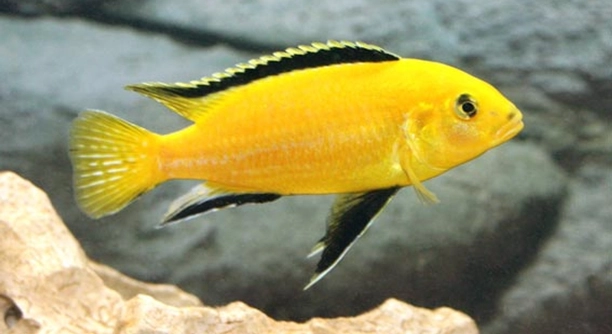
African cichlids are popular aquarium fish known for their vibrant colors and active behavior. Many fishkeepers want to understand how well these fish recover from injuries, especially torn fins. Knowing about their healing abilities helps maintain a healthy tank environment.
African cichlids have the ability to regrow torn fins through a natural healing process. This regeneration is generally effective, allowing the fins to restore their shape and function over time, provided the fish remains healthy and stress-free.
This article will explore the factors that influence fin regrowth and offer insights on how to support your cichlid’s recovery effectively.
Causes of Torn Fins in African Cichlids
Torn fins in African cichlids often happen due to their active nature and territorial behavior. These fish sometimes nip at each other, especially in crowded tanks. Poor water quality can also weaken fins, making them more prone to damage. Sharp decorations or rough surfaces in the aquarium may accidentally tear fins as well. Infections, particularly bacterial or fungal, can worsen fin condition and cause further tearing. Stress weakens the immune system, slowing down healing and increasing the chance of injury. Keeping the tank clean, providing enough space, and avoiding aggressive tankmates are essential steps to prevent fin damage. Watching your fish’s behavior closely can help you spot early signs of fin problems. Quick action improves their chances of full recovery.
Proper identification of the cause helps in applying the right treatment and preventing future damage.
Regular water changes and proper tank maintenance reduce the risks of infections and fin injuries significantly.
How to Support Fin Regrowth in African Cichlids
Supporting fin regrowth starts with providing a stress-free environment. Clean, well-filtered water and stable temperature promote healing. Feeding high-quality food with adequate nutrients strengthens the fish’s immune system. Adding vitamins or supplements designed for fish can further boost recovery. Avoid overcrowding the tank and separate aggressive fish to reduce stress and prevent further injury. Using aquarium salt in recommended doses helps fight infections and aids tissue repair. Monitor water parameters like pH, ammonia, and nitrite levels regularly to keep conditions optimal. If an infection is present, treatment with appropriate medication is necessary. Fin regrowth takes time, so patience is important. With consistent care and attention, African cichlids can recover well from torn fins and regain their full appearance.
Monitoring Fin Regrowth
Regular observation of your cichlid’s fins is important. Look for new growth, color changes, or signs of infection.
Noticing early changes helps catch problems before they worsen. If the fin edges look ragged or inflamed, treatment may be needed. Healthy regrowth appears as clear, smooth tissue forming along the torn edges. Avoid handling the fish unnecessarily, as this can cause more stress and slow healing. Keeping a log of changes can help track progress and adjust care if needed.
Fin regrowth is gradual. Initially, you might see a thin, transparent layer forming. Over weeks, this layer thickens and gains color, blending with the original fin. Patience is key, as rushing the process can cause setbacks.
When to Seek Professional Help
If fins do not show signs of improvement after several weeks, consult a fish care specialist. Persistent damage or worsening condition may indicate infection or other health issues. Professional advice ensures proper diagnosis and treatment, improving your fish’s chance of full recovery. If the fish’s behavior changes drastically or it shows signs of illness, expert help is necessary to prevent further harm.
Preventing Fin Tears
Keeping your tank clean and spacious reduces the chance of fin tears. Avoid overcrowding and remove sharp objects that can injure fins.
Healthy fish are less prone to fin damage. Regular water changes and balanced feeding support their overall well-being and resilience.
Ideal Tank Conditions for Healing
Stable water temperature, proper filtration, and regular monitoring of water parameters are crucial. Sudden changes can stress your cichlids, delaying fin regrowth. Maintain a temperature between 75-82°F (24-28°C) and keep pH around neutral. Use gentle filtration to avoid strong currents that may worsen fin damage. Regular water testing helps catch issues early, ensuring a safe environment for healing.
Signs of Infection
Redness, swelling, or white edges on fins often indicate infection. Prompt treatment is necessary to protect your fish.
FAQ
Can African cichlids fully recover from torn fins?
Yes, African cichlids can fully recover from torn fins if their environment is stable and stress is minimized. Proper care, including clean water, good nutrition, and avoiding aggression in the tank, supports complete fin regrowth. Healing time varies but generally takes several weeks.
How long does it take for fins to regrow?
Fin regrowth usually begins within a week after injury, with noticeable improvement in two to four weeks. Complete healing may take one to two months depending on the injury size and tank conditions. Patience and consistent care are important during this period.
What should I feed my cichlid to aid fin healing?
A balanced diet rich in proteins and vitamins supports fin repair. High-quality pellets or flakes designed for cichlids, supplemented with occasional live or frozen foods like brine shrimp, can improve recovery. Adding vitamin supplements designed for aquarium fish can further strengthen their immune system.
Can I treat fin tears with aquarium salt?
Yes, aquarium salt can help reduce stress and fight mild infections that often accompany fin tears. Use it carefully at recommended doses, usually 1 teaspoon per 5 gallons, and avoid overuse. Salt helps maintain water balance and promotes healing but should not replace medication if infection is severe.
Should I isolate a fish with torn fins?
Isolating a fish with torn fins is often beneficial, especially if aggression is causing the injury. A separate tank or breeder box reduces stress and prevents further damage from tankmates. However, isolation should be balanced with good water quality and proper feeding to ensure recovery.
What are common signs that fin tears are infected?
Infected fins may show redness, swelling, white or fuzzy edges, and sometimes bleeding. The fish may also become lethargic or stop eating. If infection is suspected, prompt treatment with antibacterial or antifungal medications is necessary to prevent worsening.
Can rough decorations cause fin tears?
Yes, sharp or rough decorations can easily tear fins as fish swim or hide around them. Avoid using sharp rocks, broken pottery, or decorations with jagged edges. Smooth, rounded decorations and live plants provide safer environments that reduce injury risk.
How can I reduce aggression in my cichlid tank?
Providing enough space, hiding spots, and visual barriers helps reduce aggression. Avoid overcrowding and keep a proper male-to-female ratio. Introducing more tankmates gradually and monitoring interactions can prevent fights that lead to fin damage.
Is water temperature important for fin regrowth?
Maintaining a stable water temperature within the ideal range of 75-82°F (24-28°C) is important. Sudden temperature changes cause stress, which slows healing. Consistent warmth supports metabolic processes that help tissue repair.
What medications help with fin rot?
Medications containing antibiotics or antifungals, like those with erythromycin or malachite green, are effective against fin rot. Always follow dosage instructions and isolate infected fish during treatment. Fin rot can worsen quickly without proper care.
Can poor water quality cause fin tears?
Poor water quality weakens fins and makes them more susceptible to tearing and infection. High ammonia, nitrite, or nitrate levels damage delicate fin tissue. Regular water testing and timely water changes are key to preventing fin problems.
Is it normal for fins to look ragged during regrowth?
Yes, fins often look ragged or uneven as new tissue grows. This is part of the natural healing process. Over time, the fin tissue smooths out and regains color. If ragged edges worsen or discolor, it may indicate infection or other issues.
How often should I change water during fin recovery?
During fin recovery, changing 20-30% of the tank water weekly is recommended to keep conditions clean and stable. More frequent small changes can help in tanks with sick or stressed fish, but avoid large sudden changes that cause stress.
Can stress slow down fin regrowth?
Stress from overcrowding, poor water quality, or aggressive tankmates slows fin healing. Stress weakens the immune system and can cause fish to stop eating. Minimizing stress through good tank management helps ensure faster recovery.
Are there any supplements to promote fin healing?
Certain vitamins, like vitamin C and vitamin E, support tissue repair and immune health in fish. Specialized fish supplements added to food or water can aid fin regrowth. Always use supplements as directed to avoid overdosing.
Should I trim damaged fins to help regrowth?
Trimming fins is generally not recommended. Removing damaged tissue can cause more harm and delay healing. It’s better to let fins regrow naturally while preventing further injury and infection. Consult a specialist if severe damage occurs.
What are the best tankmates for African cichlids to avoid fin damage?
Choose peaceful or similarly sized cichlids that are not overly aggressive. Avoid small or slow-moving species that may become targets. Proper tank size and hiding places reduce conflict and fin injuries among tankmates.
Can fin tears affect a fish’s swimming?
Yes, torn fins can impair swimming balance and speed. This may affect feeding and escaping threats. As fins heal, swimming improves. Severe damage may cause long-term difficulties if not treated properly.
Is it okay to use antibiotics preventively?
Preventive antibiotic use is discouraged as it can lead to resistance and harm beneficial bacteria. Only use antibiotics when infection is confirmed and follow treatment guidelines carefully to protect your tank’s health.
How do I know if fin regrowth is progressing well?
Healthy fin regrowth looks like smooth, transparent tissue forming at torn edges. The new tissue gradually thickens and gains color. Watch for absence of redness, swelling, or decay as signs of good progress.
African cichlids have a natural ability to regrow torn fins, which is a helpful trait for fishkeepers. This process depends largely on maintaining a healthy environment and reducing stress for the fish. Clean water, proper nutrition, and minimizing aggressive behavior in the tank all play important roles in helping fins heal fully. When these conditions are met, cichlids can restore their fins over time, returning to their vibrant, active selves. Understanding these basics helps ensure the fish’s well-being and keeps the aquarium looking its best.
It is important to remember that fin regrowth is a gradual process. New fin tissue does not appear overnight, and patience is key. During this time, it is crucial to monitor your fish regularly for signs of infection or further injury. Providing stable water conditions, a balanced diet, and a calm environment supports steady healing. Avoiding sudden changes or stressors helps prevent setbacks. If problems arise, such as persistent tearing or signs of illness, seeking professional advice can make a significant difference. Proper care during recovery supports not only the fins but the overall health of your cichlid.
Taking care of African cichlids with torn fins requires attention and commitment. Prevention is always better than cure, so maintaining good tank conditions and preventing aggression helps reduce injuries in the first place. However, when fin tears do happen, understanding how to support healing can improve outcomes. With consistent care, many cichlids fully recover and continue to thrive in their aquatic homes. This knowledge allows fishkeepers to create a healthy and balanced environment where these beautiful fish can flourish over time.

Hello,
If you enjoy the content that we create, please consider saying a "Thank You!" by leaving a tip.
Every little bit helps us continue crafting quality advice that supports the health, happiness, and well-being of pets around the world, for pets of all shapes, sizes, and species.
We really appreciate the kindness and support that you show us!