
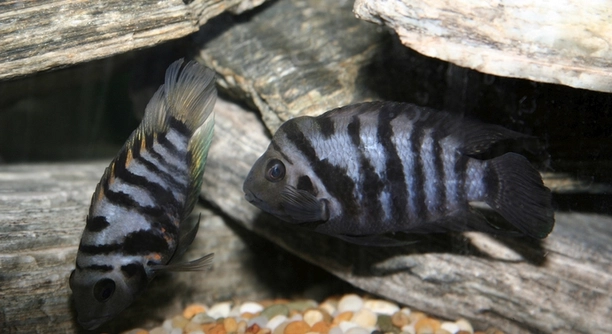
Your cichlid spends a lot of time guarding rocks in its tank, which might seem unusual at first. This behavior is common among many cichlid species and can tell you a lot about their environment and instincts. Understanding why they do this helps in caring for them properly.
Cichlids guard rocks primarily to protect their territory, secure breeding sites, and defend their eggs or fry from potential threats. This behavior is instinctual and important for their survival and reproductive success in both natural and aquarium settings.
Recognizing the reasons behind this guarding behavior can improve your fishkeeping experience and help maintain a healthy aquarium environment for your cichlid.
Territorial Instincts in Cichlids
Cichlids are naturally territorial fish. In the wild, they stake out areas filled with rocks and hiding spots. This helps them feel secure and safe from other fish. When kept in an aquarium, these instincts don’t disappear. Your cichlid will guard rocks to mark its territory and keep other fish away. This behavior is especially strong when the tank is small or overcrowded. Rocks also provide important shelters and breeding sites. If your cichlid is spending a lot of time near rocks, it’s simply protecting its space. Providing enough room and hiding places can reduce stress and aggressive behavior. Watching your cichlid’s actions can give clues about its comfort level. If it seems restless or aggressive around the rocks, it may need more space or adjustments to the tank setup.
Territorial guarding is a natural survival strategy for cichlids, helping them protect resources and establish dominance.
Cichlids often display this guarding to feel safe and control their environment. The rocks act as physical boundaries, allowing the fish to monitor its surroundings easily. Keeping your tank well-arranged with multiple hiding spots helps lessen conflicts. It also promotes healthy interaction between fish. Understanding these behaviors ensures your cichlid lives in a stress-free environment, leading to better health and longevity.
Breeding and Protection Behavior
When cichlids breed, they become very protective of their eggs and fry.
During breeding, cichlids will guard specific rocks or caves where they lay eggs. This is a vital part of their reproductive process. The guarding fish keeps predators and other tank mates away from the vulnerable eggs. It also ensures that the fry have a safe place to grow. Sometimes, both parents take turns protecting the site. This can cause them to become more aggressive and territorial than usual. Providing the right environment with plenty of rocks or breeding caves encourages natural behavior and reduces stress. It also increases the chance of successful breeding in captivity. Watching these protective behaviors can be rewarding and shows how dedicated cichlids are to their offspring. This instinct to guard is key to their survival as a species and is best respected in a home aquarium setting.
Environmental Stressors
Environmental changes can cause your cichlid to guard rocks more frequently.
Sudden changes in water temperature, pH levels, or lighting can make cichlids feel threatened. These stressors trigger protective behaviors like guarding rocks to create a safe zone. If the tank conditions fluctuate, your fish may become more territorial.
Keeping water parameters stable and consistent helps reduce stress. A stable environment reassures your cichlid that its territory is safe, lowering the need for constant guarding. Regular water testing and slow adjustments can maintain this balance and improve your fish’s overall comfort.
Social Dynamics and Tank Mates
The presence of other fish influences how much your cichlid guards rocks.
When tank mates are too close or aggressive, cichlids respond by guarding their territory tightly. This can be a defense against competition for food and space. Stress from incompatible companions can also lead to more guarding. Choosing compatible species and providing ample hiding places can ease these tensions.
Monitoring fish behavior helps you notice signs of social stress early. Separating aggressive fish or increasing tank size may be necessary. Creating a balanced social environment allows your cichlid to feel secure and reduces excessive guarding behaviors over time.
Food Protection
Cichlids may guard rocks to protect their food source.
They often stash food or defend areas where food is regularly available. This behavior ensures they keep enough nutrition without competition from other fish.
Territory Establishment
Guarding rocks is a way for cichlids to claim and establish territory within the tank. This behavior helps reduce conflicts by signaling ownership to other fish. Rocks provide clear boundaries, making it easier for your cichlid to control its space and avoid confrontations.
Health Issues
Sometimes, guarding behavior increases if your cichlid is feeling unwell or stressed. Illness or injury can make fish more defensive, causing them to stay close to protected areas like rocks. Watching for other signs of poor health can help identify if this is a factor.
Natural Instinct
Guarding rocks is a natural, instinctive behavior in cichlids. It reflects their need for safety, breeding, and territory control. This behavior should be expected and accepted as part of their normal habits.
FAQ
Why does my cichlid guard rocks so aggressively?
Aggressive guarding is usually a sign that your cichlid feels the need to protect its territory or breeding site. This behavior helps them keep other fish away from what they see as valuable space or resources. If the tank is crowded or lacks enough hiding places, the aggression may increase. Adjusting tank size or layout can help reduce this behavior.
Is it normal for cichlids to guard rocks all the time?
Yes, guarding rocks is a natural and common behavior for many cichlid species. They use rocks to create secure spaces and protect eggs or fry. Constant guarding often means the fish is feeling safe and is maintaining its territory, especially during breeding periods.
Can guarding behavior harm my cichlid or other fish?
Guarding itself is not harmful to your cichlid, but aggression linked to guarding can stress or injure other fish. It’s important to monitor interactions and provide enough space and hiding spots. If aggression becomes severe, separating the fish may be necessary to prevent harm.
How can I reduce my cichlid’s guarding behavior?
Improving tank conditions often helps. Increase tank size, add more rocks and hiding places, and ensure water parameters are stable. Reducing stress by selecting compatible tank mates also lowers guarding intensity. Sometimes, rearranging the tank can disrupt territory boundaries and lessen guarding.
Does guarding rocks mean my cichlid is ready to breed?
Often, yes. Guarding rocks is a key sign of breeding readiness. The fish protects chosen sites where eggs or fry will be placed. However, guarding can also happen outside of breeding when defending territory or food resources.
Should I move rocks if my cichlid is guarding them too much?
Moving rocks can disturb your cichlid’s sense of security and increase stress. If you want to reduce guarding, add extra rocks or hiding spots rather than removing the guarded ones. This gives the fish more options and less reason to guard a single spot intensely.
Can stress cause a cichlid to guard rocks more?
Stress from poor water quality, overcrowding, or incompatible tank mates can increase guarding behavior. When stressed, cichlids become more defensive to protect themselves. Keeping stable water conditions and a calm environment helps lower stress and reduce excessive guarding.
Is guarding behavior different between cichlid species?
Yes, some species are naturally more territorial and protective than others. African cichlids, for example, are often more aggressive and guard rocks closely. South American cichlids may show less intense guarding but still protect territories and breeding sites.
How long does cichlid guarding behavior last during breeding?
Guarding typically lasts until the eggs hatch and the fry are able to swim freely. This can take several days to a couple of weeks depending on species and water temperature. After this period, parents usually relax their guarding unless they continue to protect fry.
Can guarding behavior indicate illness?
Increased guarding may sometimes signal that a cichlid is feeling unwell or vulnerable. Illness can cause fish to hide more or become defensive around familiar areas. Look for other signs like changes in appetite, swimming patterns, or appearance to confirm health issues.
Does guarding behavior change with age?
Young cichlids may guard less until they mature. Adult fish, especially breeding pairs, tend to guard more actively. Older fish might reduce guarding if their health declines or if they are less territorial due to changing social status in the tank.
Is it okay to have multiple cichlids guarding rocks in the same tank?
Multiple cichlids guarding rocks can lead to territorial disputes and stress. Providing plenty of space, rocks, and hiding places helps reduce conflict. Careful selection of compatible species and monitoring behavior is necessary to maintain peace in a community tank.
Final Thoughts
Understanding why your cichlid guards rocks can improve the way you care for your fish. This behavior is natural and important for their sense of security, territory, and breeding needs. It shows that your cichlid is using instincts to protect itself and its environment. Recognizing this helps you respond better to their needs and create a tank setup that supports these behaviors. You can adjust things like tank size, decoration, and water conditions to make your cichlid feel safe and comfortable. This reduces stress for the fish and encourages healthier, more natural behavior.
Guarding rocks can sometimes seem like a sign of aggression, but it is usually a normal way your cichlid interacts with its surroundings. Aggression can increase if the tank is too small or crowded, or if other fish challenge your cichlid’s space. Adding more hiding places and carefully choosing tank mates can help lower tension. It’s also important to keep water quality stable and consistent because changes can increase stress and guarding behavior. Watching your fish closely helps you notice when guarding is healthy or when adjustments may be needed. When your cichlid feels safe, it is less likely to guard rocks aggressively and more likely to show peaceful behavior.
Keeping a cichlid means accepting certain natural behaviors like guarding rocks as part of its personality. This behavior supports survival and reproduction, which are key parts of their life cycle. As a caretaker, providing the right environment is essential to balance these instincts with the health of the whole tank. By understanding guarding behavior, you can make thoughtful choices about your aquarium setup and fish care routine. This makes the tank a better place for your cichlid and all other inhabitants. It also helps you enjoy watching your fish’s natural behaviors in a healthy, well-maintained environment.

Hello,
If you enjoy the content that we create, please consider saying a "Thank You!" by leaving a tip.
Every little bit helps us continue crafting quality advice that supports the health, happiness, and well-being of pets around the world, for pets of all shapes, sizes, and species.
We really appreciate the kindness and support that you show us!