
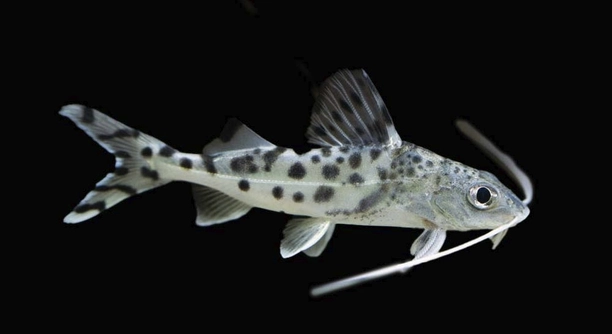
Many fish owners care deeply about their pets’ well-being and wonder how their behaviors reflect their feelings. Pictus catfish are popular for their active and social nature. Understanding how isolation affects them is important for keeping them healthy.
Pictus catfish can experience stress and behavioral changes when kept in isolation, which may resemble signs of depression. Their natural social behavior means they thrive best in groups, and isolation can negatively impact their mental and physical health.
Recognizing these effects can help you create a better environment for your catfish and improve their overall quality of life.
Understanding Pictus Catfish Behavior
Pictus catfish are active and social fish that naturally live in groups. In their natural habitat, they swim together, explore, and interact frequently. When kept alone, they may stop showing their usual lively behavior. Instead of swimming around actively, isolated Pictus catfish often become sluggish and hide more than usual. These changes can signal stress or unhappiness caused by loneliness. It is important to observe these behaviors because they can affect the fish’s health. Social interaction helps them feel safe and secure. Without it, their immune system may weaken, making them more prone to illness. Owners should consider the tank setup and how many fish are present to support healthy behavior. Providing companions or a stimulating environment can make a big difference in their well-being.
Isolation may cause Pictus catfish to act withdrawn and less energetic, which are signs of distress.
Watching closely for behavior changes is essential for keeping your fish healthy and happy in captivity.
Signs of Depression in Pictus Catfish
Fish do not show emotions the same way humans do, but their behaviors can reflect stress or poor mental health. A Pictus catfish kept alone may stop eating as much and spend more time hiding. It might also lose interest in swimming or exploring the tank. These behaviors suggest the fish is not thriving. Stress weakens their ability to fight off disease. Tank conditions, such as poor water quality or lack of enrichment, can add to the problem. A fish that once moved quickly and curiously but now floats listlessly is likely struggling. Adding tank mates or environmental features like plants and hiding spots can help improve their condition. Monitoring water temperature and cleanliness is also key to their comfort and health. Addressing these signs early can prevent long-term harm.
Effects of Isolation on Pictus Catfish Health
Isolation can cause stress in Pictus catfish, leading to weakened immune systems and increased risk of illness. Stress affects their behavior and physical condition, making them vulnerable to infections and diseases common in aquarium settings.
The stress from being alone may reduce a catfish’s appetite and slow its metabolism. Without the stimulation of other fish, they can become less active, which affects their overall health. Inactivity may lead to muscle weakening and make it harder for them to recover from illness. Over time, isolation can cause visible physical signs like faded color or damaged fins. This shows that mental and physical health are connected, even in fish. Ensuring a social environment can help maintain their health and prevent these issues.
Providing a suitable number of tank mates is important for Pictus catfish health. When kept with others, they tend to be more active and show normal feeding behaviors, which supports their immune system and keeps them strong.
How to Prevent Depression in Isolated Pictus Catfish
Keeping Pictus catfish in groups reduces stress and promotes natural behavior. Social interaction is vital to their well-being. If your tank must house a single catfish, it’s important to enrich their environment with hiding spots and gentle water flow to mimic natural conditions. Adding live plants and decorations can also keep them mentally stimulated. Regular tank maintenance and monitoring water quality reduce additional stress factors. Sometimes, interactive feeding methods, like placing food in different spots, encourage activity and curiosity. These efforts help counter the negative effects of isolation, but they don’t replace the benefits of having companions.
A well-maintained and stimulating environment supports a catfish’s mental health, making them less prone to stress and depression. Always try to provide companions, but if that isn’t possible, use enrichment strategies to improve their quality of life.
Social Needs of Pictus Catfish
Pictus catfish naturally live in groups of six or more. Being social animals, they rely on interaction with others to feel secure and active. Without this, they can become withdrawn and less healthy.
In a group, they communicate through body movements and share swimming patterns. Isolation removes this natural behavior, which can harm their mental state.
Recognizing Stress Symptoms in Isolated Catfish
Common signs of stress include hiding, reduced appetite, and sluggish swimming. These behaviors often indicate discomfort or depression. Changes in color or damaged fins may also appear. Watching for these signs helps catch problems early.
Tank Environment and Its Role
A well-maintained tank with clean water and proper temperature supports fish health. Stress from poor conditions adds to the effects of isolation, making environment care crucial for well-being.
Benefits of Companionship
Having tank mates encourages natural social behavior and reduces stress, improving overall health and lifespan of Pictus catfish.
How many Pictus catfish should be kept together?
Pictus catfish thrive best in groups of at least six. This number allows them to express natural social behaviors and feel safe. Smaller groups may lead to stress and loneliness. When kept in adequate numbers, they are more active and show healthier behavior patterns.
Can a single Pictus catfish survive alone?
While a single Pictus catfish can survive, it is not ideal for its mental or physical health. Isolation often leads to stress and behavioral changes that reduce their quality of life. If kept alone, extra care is needed to provide environmental enrichment and maintain good water conditions.
What are the signs of depression in Pictus catfish?
Signs include hiding for long periods, loss of appetite, sluggish movement, and faded colors. They may stop exploring and stay at the bottom or corners of the tank. Physical symptoms like damaged fins or unusual spots can also appear if stress is prolonged.
How can I improve the environment for an isolated Pictus catfish?
Add live plants, caves, and hiding spots to create stimulation. Use gentle water flow and maintain consistent water temperature. Feeding in different locations encourages activity. Regular cleaning and water changes reduce stress caused by poor water quality.
Does tank size affect their well-being?
Yes, tank size plays a role. A larger tank offers more space to swim and explore, which is important for their mental health. It also allows for more companions and environmental features. Crowded or too small tanks can increase stress and aggression.
Are there other fish suitable as companions for Pictus catfish?
Yes, Pictus catfish get along well with peaceful, similarly sized fish. Avoid aggressive or very small fish that may become prey. Suitable companions include tetras, danios, and other community fish. Introducing compatible fish reduces loneliness and encourages social behavior.
What happens if a Pictus catfish is stressed for too long?
Long-term stress weakens the immune system, making the fish prone to diseases like fungal infections and fin rot. It can also shorten their lifespan. Stress affects eating habits and growth, reducing their overall vitality and ability to recover from illness.
Can I tell if my catfish is happy?
Happy Pictus catfish swim actively, explore their environment, and feed eagerly. They interact with other fish and display bright colors. Regular movement and curiosity are good signs. Observing these behaviors helps ensure they are comfortable and healthy.
Is it okay to add decorations to reduce loneliness?
Yes, decorations provide mental stimulation and hiding places. These reduce boredom and stress, especially if the fish is alone. However, decorations do not replace the benefits of social interaction but can improve quality of life.
How often should I monitor my Pictus catfish’s behavior?
Daily observation is best to catch early signs of stress or illness. Notice changes in activity, appetite, or appearance. Early detection allows quick action to improve their environment or health, preventing more serious problems.
Pictus catfish are naturally social creatures that do best when kept with others of their kind. Isolation can cause stress and behavioral changes that may look like depression. When these fish are alone, they often become less active, eat less, and hide more. This can affect their health and overall quality of life. It is important to provide an environment that supports their social needs, whether by keeping them in groups or offering plenty of stimulation when a single fish is necessary. Paying attention to their behavior can help owners notice early signs of stress or unhappiness.
The tank setup plays a crucial role in how well Pictus catfish cope with isolation. A clean tank with proper temperature, good water quality, and enough space will help reduce stress. Adding decorations, plants, and hiding places can make the environment more interesting and comfortable. These features encourage natural behaviors like exploring and seeking shelter. Even when kept alone, a well-maintained tank can help the fish stay healthier and more active. Regular monitoring of water conditions and fish behavior is important to catch any problems early and adjust care as needed.
Overall, understanding the social needs of Pictus catfish helps create a better living environment for them. Whenever possible, keeping them in groups is best. If that is not an option, environmental enrichment and careful care can reduce the negative effects of isolation. Fish owners who observe their pets regularly and respond to changes can support their well-being effectively. By providing proper social conditions and a healthy habitat, Pictus catfish can live longer, happier lives even in home aquariums.

Hello,
If you enjoy the content that we create, please consider saying a "Thank You!" by leaving a tip.
Every little bit helps us continue crafting quality advice that supports the health, happiness, and well-being of pets around the world, for pets of all shapes, sizes, and species.
We really appreciate the kindness and support that you show us!