
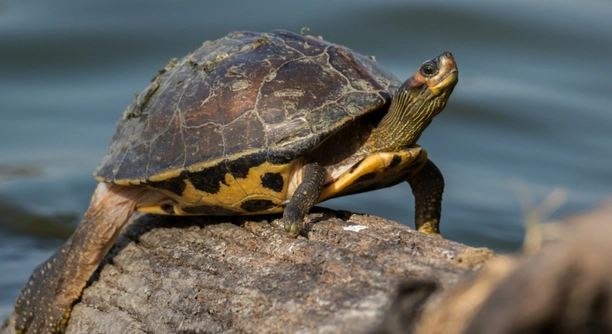
Is your Indian roofed tortoise constantly rubbing against objects, leaving you wondering what’s causing this behavior? This action may seem unusual, but it often has a clear reason. Understanding the possible causes can help you ensure your tortoise’s well-being.
The most common reason your Indian roofed tortoise rubs against things is shedding. As tortoises grow, they shed their scutes and skin, leading to itching and discomfort. Environmental factors, such as humidity levels, substrate texture, or even stress, may also contribute to this behavior.
Providing the right habitat conditions and monitoring your tortoise’s health can help reduce excessive rubbing. Recognizing when this behavior signals a potential issue is essential for maintaining your pet’s overall comfort and health.
Common Reasons for Rubbing Behavior
Tortoises often rub against objects due to shedding. As their scutes and skin shed in layers, they may feel irritated and seek relief by rubbing against surfaces. Dry environments can make shedding more uncomfortable, causing them to do this more frequently. Ensuring proper humidity levels helps the process go smoothly.
If your tortoise is rubbing excessively, check for signs of skin irritation or damage. Rough or dry patches may indicate that the enclosure’s humidity is too low. Providing a humid hide and maintaining a balanced environment can prevent discomfort and promote healthy shedding.
Sometimes, rubbing behavior is linked to stress or changes in their habitat. If you recently introduced a new substrate or rearranged their enclosure, your tortoise might be adjusting to the changes. Ensuring a stable and enriched environment with proper hiding spots and basking areas can make them feel more secure and comfortable.
How to Help Your Tortoise
Excessive rubbing may indicate a problem with your tortoise’s habitat. Checking their enclosure’s humidity, temperature, and substrate can help determine the cause. If conditions are too dry or rough, making adjustments can prevent further discomfort.
Maintaining the right humidity level is essential. Indian roofed tortoises thrive in moderate humidity, so misting their enclosure and adding a humid hide can support healthy shedding. The substrate should also provide some moisture without being overly damp. Coconut coir or cypress mulch works well for maintaining the right balance.
Providing enrichment can also reduce excessive rubbing. Rough surfaces like flat stones or logs allow natural shedding without irritation. If stress is a factor, ensure your tortoise has hiding spots and a consistent environment. If rubbing continues despite these adjustments, a vet visit can rule out skin infections or other health issues. Taking small steps to improve their habitat can make a big difference in their comfort and well-being.
Adjusting the Habitat for Comfort
A dry environment can make shedding uncomfortable, leading to more rubbing. Keeping humidity levels between 50% and 70% helps your tortoise shed properly. Adding a shallow water dish and misting the enclosure can provide extra moisture without making the habitat too damp.
Choosing the right substrate is important for maintaining proper humidity. Coconut coir, cypress mulch, and damp sphagnum moss can help keep moisture balanced. Avoid overly dry materials like sand, as they can cause irritation. Providing a humid hide with damp moss or a moist towel gives your tortoise a comfortable place to retreat when needed.
Temperature also affects your tortoise’s comfort. A basking area of around 85–90°F and a cooler side around 75°F creates a stable environment. Using a high-quality UVB light helps maintain healthy skin and shell growth. Ensuring the enclosure has both warm and cool zones allows natural behaviors and reduces stress.
Encouraging Natural Shedding
Shedding happens in small, gradual layers, and rough surfaces help remove loose scutes naturally. Adding flat rocks, rough logs, or terracotta tiles to the enclosure allows your tortoise to rub against them without irritation. These surfaces mimic natural environments and prevent excessive scratching on unsuitable objects.
Bathing your tortoise a few times a week in lukewarm water for 10–15 minutes can also promote shedding. The warm water softens the skin, making it easier to shed loose layers. If you notice stuck scutes, gently brushing with a soft toothbrush can help, but avoid forcefully removing any pieces. If shedding issues persist, checking for signs of infection or abnormalities is important.
A well-balanced diet supports healthy skin and shell growth. Providing dark leafy greens, calcium supplements, and occasional fruits ensures proper nutrition. Dehydration can slow down shedding, so fresh water should always be available. A combination of proper habitat conditions, hydration, and nutrition will keep your tortoise comfortable and reduce excessive rubbing.
Monitoring for Health Issues
Excessive rubbing could be a sign of an underlying health issue. Shell rot, fungal infections, or parasites may cause discomfort, leading your tortoise to rub against objects for relief. Checking for discoloration, unusual spots, or soft areas can help identify potential problems early.
If you notice persistent rubbing along with redness, swelling, or foul odors, a vet visit is necessary. Skin infections can worsen without treatment, causing pain and further irritation. A proper diagnosis ensures the right care, whether it involves topical treatments, dietary changes, or adjustments to the enclosure’s conditions.
Reducing Stress-Related Rubbing
Environmental changes, frequent handling, or the presence of other animals can cause stress. A predictable routine, stable enclosure setup, and limited disruptions help your tortoise feel secure. Ensuring they have enough hiding spots and a proper day-night light cycle reduces unnecessary stress-related behaviors.
When to Seek Veterinary Help
If rubbing continues despite habitat adjustments, a vet can check for hidden issues. Early intervention prevents minor concerns from becoming serious health problems.
FAQ
Why is my Indian roofed tortoise rubbing its face against things?
Rubbing the face can be a sign that your tortoise is trying to relieve discomfort caused by shedding. It may also be an attempt to remove dead skin or scutes that are not shedding properly. Ensure the humidity in their habitat is right, as low moisture can cause skin issues, leading to increased rubbing. A well-balanced diet and proper hydration will also help with the shedding process.
How often should I bathe my tortoise to help with shedding?
Bathing your tortoise two to three times a week in lukewarm water can help promote proper shedding. The warm water softens the skin and scutes, making it easier for them to shed naturally. Never forcefully peel off any skin or scutes, as this can cause injury. If the tortoise is reluctant to bathe, keep it short, just 10–15 minutes.
Can dry skin cause my tortoise to rub against surfaces?
Yes, dry skin is one of the most common reasons tortoises rub against things. Low humidity levels in the enclosure can lead to dehydration, which results in dry, flaky skin. This discomfort causes your tortoise to rub against surfaces to relieve the irritation. Increase the humidity to around 60–70% to help prevent this.
What can I do to prevent my tortoise from rubbing its face too much?
First, ensure the humidity in their environment is adequate, as low humidity can cause dry skin. You can also add rough surfaces like logs, rocks, or tiles to their enclosure. These help your tortoise shed naturally without irritating its skin. If rubbing persists, check for signs of infection or illness.
Is rubbing a sign of a more serious problem?
While mild rubbing can be linked to shedding, constant or aggressive rubbing could be a sign of a health issue. Infections like shell rot, fungal conditions, or skin irritations might cause discomfort. If your tortoise seems lethargic, has abnormal growth on its shell, or is showing signs of distress, a vet should examine it as soon as possible.
How can I tell if my tortoise has shell rot?
Shell rot occurs when the shell becomes soft or discolored, often due to infections. If you notice any abnormal softness, blackened spots, or foul odors coming from your tortoise’s shell, this could indicate shell rot. Early treatment is essential to prevent the infection from spreading. A veterinarian should assess the severity of the condition.
Can my tortoise get too stressed from rubbing?
Stress can contribute to rubbing, especially if there are sudden changes in their environment. Loud noises, other animals, or frequent handling can make your tortoise feel unsafe. A stable environment with a predictable routine will reduce stress. Ensure they have plenty of hiding spots and enough space to move around comfortably.
What is the best substrate to reduce rubbing?
Coconut coir or cypress mulch works well to maintain the right humidity levels in your tortoise’s habitat. Avoid using sand or materials that can cause irritation or are too dry. A combination of moisture-retaining substrates with flat rocks or tiles for rubbing will create a comfortable environment that helps prevent excessive rubbing.
How do I know if my tortoise’s rubbing is caused by stress or health issues?
If your tortoise is rubbing its face excessively and you’ve already ensured proper humidity and shedding conditions, stress might be the cause. Look for signs like hiding more than usual, loss of appetite, or changes in behavior. If you notice any of these, or if the rubbing seems intense, it’s worth having a vet check for any underlying health issues.
Should I change my tortoise’s diet to help with rubbing?
A proper diet can support healthy skin and shell growth, reducing shedding issues. Make sure your tortoise is getting enough calcium and dark leafy greens. Avoid overfeeding fruits as they can lead to nutritional imbalances. A well-balanced diet also supports the immune system, helping your tortoise fight off potential infections that might cause rubbing.
Can rubbing be a normal part of shedding?
Yes, mild rubbing can be completely normal during shedding. Tortoises rub to help remove dead skin and scutes naturally. However, if it seems excessive or is accompanied by signs like skin lesions, it could indicate discomfort, and adjustments should be made to the enclosure.
How can I help my tortoise if it has stuck scutes?
If you notice stuck scutes, soaking your tortoise in warm water for about 10–15 minutes can help loosen them. Use a soft brush to gently remove any loose pieces. If stuck scutes persist, consult a veterinarian for advice. It is essential not to force any scutes off, as this can cause injury or infection.
Is it possible that my tortoise is rubbing because it’s bored?
Yes, tortoises can sometimes rub against objects due to boredom or lack of stimulation. If their environment is too plain, they might rub as a form of exploration or frustration. Adding enrichment like rocks, hiding spots, and objects to climb on will help reduce boredom and provide more natural behaviors.
Can rubbing against objects be a sign of a behavioral issue?
While rubbing is usually a physical response to environmental or health-related issues, it could also be a sign of boredom or frustration. Providing plenty of space, hiding areas, and regular interaction can help reduce this type of behavior. If there are no changes in rubbing behavior despite these steps, it might be worth checking for health concerns.
How often should I check for signs of shell health?
Regular checks for shell health should be a part of your tortoise’s routine care. Inspect the shell weekly for any cracks, softness, or discoloration. If you notice any changes, it’s crucial to consult a veterinarian to ensure early treatment. Healthy shell growth is essential for your tortoise’s overall well-being.
Final Thoughts
Understanding the reasons behind your Indian Roofed Tortoise’s behavior, such as rubbing against surfaces, is important for maintaining its well-being. While mild rubbing can be a normal part of shedding, excessive or frequent rubbing can indicate an underlying issue. It’s essential to ensure that your tortoise’s environment is properly set up to meet its needs. This includes maintaining the right humidity levels, providing a balanced diet, and offering a comfortable, secure space for it to thrive. Paying attention to these factors can help reduce discomfort and stress, ultimately supporting your tortoise’s overall health.
If rubbing persists or if you notice other unusual behaviors, such as lethargy, changes in appetite, or signs of injury, it’s crucial to seek veterinary advice. A vet can help identify any health issues that might be causing the behavior. Early intervention is key to addressing any problems before they become more serious. It’s better to be proactive and address the issue quickly to prevent any further discomfort or potential harm to your tortoise. Regular check-ups and proper care will keep your tortoise in good health.
Ultimately, keeping your tortoise’s environment stable and healthy is the best way to prevent unnecessary rubbing. By monitoring factors like humidity, temperature, and diet, you’ll ensure your tortoise stays happy and comfortable. Regularly observing your tortoise’s behavior will help you spot any changes early on. Remember, tortoises are resilient creatures, but they do require consistent care and attention to maintain their health and happiness.

Hello,
If you enjoy the content that we create, please consider saying a "Thank You!" by leaving a tip.
Every little bit helps us continue crafting quality advice that supports the health, happiness, and well-being of pets around the world, for pets of all shapes, sizes, and species.
We really appreciate the kindness and support that you show us!