
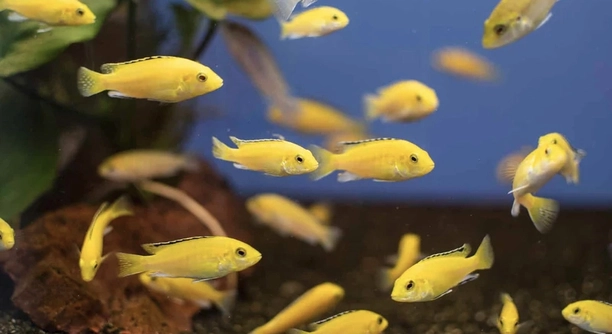
Keeping an aquarium can be relaxing, but it also requires careful attention to the environment around it. Sudden noises or vibrations can startle fish and disrupt the peaceful setting of your tank. Regular awareness helps maintain calm.
There are specific moments when avoiding loud movement near an aquarium is crucial. These include feeding times, water changes, cleaning sessions, nighttime hours, when fish are resting, during equipment maintenance, and when introducing new fish. Minimizing disturbances during these moments supports fish health and reduces stress.
Being mindful of these moments ensures your fish remain healthy and comfortable. Small adjustments in your daily routine can make a significant difference to their well-being.
Feeding Time
Feeding time is one of the most sensitive moments for fish. They can become startled by sudden movements or loud noises while trying to eat, which can make them anxious or even refuse food. I’ve noticed that even small taps on the counter can cause ripples in the water, making fish scatter quickly. Consistently keeping the area around the aquarium calm during feeding helps maintain their routine and encourages healthy eating habits. Using quiet, controlled movements when adding food prevents water from splashing and reduces stress. It’s also a good practice to avoid clattering containers or lids. Over time, fish recognize patterns, and a calm environment during feeding reassures them that it’s safe to eat. I’ve seen how this simple adjustment creates a more peaceful tank and happier fish. Quiet feeding also reduces leftover food in the tank, keeping water cleaner and safer for your fish.
Minimizing noise during feeding prevents stress and supports normal eating patterns in fish, promoting overall health and stable behavior in the aquarium.
Remaining consistent with quiet feeding routines helps fish develop predictable behavior and reduces aggressive tendencies. Observing them over time shows that calm movements create a more relaxed tank, which benefits their long-term well-being.
Water Changes
Water changes are essential, but they can easily stress fish if the process is noisy. Moving buckets, running hoses, or tapping the tank can create vibrations that scare the fish. It’s important to prepare everything quietly before starting. Slowly lowering water levels and gently adding fresh water prevents sudden changes that fish dislike. I make sure to avoid banging lids or equipment nearby, and I move slowly around the tank. These small adjustments make a noticeable difference, as fish tend to stay calmer and return to normal swimming patterns faster. Proper water temperature and dechlorination also matter, but minimizing disturbance is key. Over time, the tank feels more stable and comfortable for the fish, and I notice less hiding and erratic movement. A calm approach ensures the water change improves their environment without adding unnecessary stress, which helps maintain their health and reduces the risk of illness.
Quiet, careful water changes protect fish from stress and maintain a stable, healthy aquarium environment.
Cleaning the Tank
Cleaning the tank can be noisy if not done carefully. Scrubbing glass, moving decorations, or tapping on the tank can startle fish. I always handle tools gently and avoid sudden movements to keep the water calm during cleaning.
Using soft brushes and slowly removing debris prevents vibrations that stress the fish. I’ve learned to clean decorations and gravel separately in a bucket before putting them back. This reduces splashing and keeps the tank quieter. Even small noises from clattering tools can cause fish to dart around, so I place towels under equipment to dampen sound. A gentle, steady pace makes the process less disruptive. Over time, fish adapt and remain calm during regular maintenance. Quiet cleaning also allows me to notice any issues like algae growth or sick fish early, which is easier to handle without panicking them.
Being mindful during cleaning ensures fish remain relaxed. Gentle, deliberate actions keep the tank calm and the fish healthy.
Nighttime Hours
Fish are sensitive to light and movement at night. Sudden noises or tapping near the tank can disturb their rest and make them anxious. I keep the area quiet after the lights go off.
Minimizing activity near the aquarium during nighttime hours helps fish maintain a natural sleep cycle. I avoid walking by too quickly, bumping furniture, or turning on bright lights near the tank. Even small vibrations from doors closing or floor footsteps can ripple through the water, disturbing their rest. Keeping equipment noise low, like filters and air pumps, also contributes to a calm environment. I’ve noticed that fish are calmer in the morning when the tank stays quiet at night, showing healthier behavior patterns. Quiet nights help maintain their immune systems and overall well-being. Ensuring a stable nighttime environment is as important as feeding or water changes for long-term health.
Equipment Maintenance
Equipment maintenance can create unexpected noise that stresses fish. I always handle filters, heaters, and pumps gently, avoiding banging or dropping parts near the tank. Small vibrations are enough to startle them.
Turning off equipment carefully and moving parts slowly prevents sudden disruptions. I place towels under tools to reduce noise.
Introducing New Fish
Introducing new fish requires quiet and calm movements. I carefully acclimate them to the tank water, avoiding splashes or sudden motions. Sudden noise can make both new and existing fish anxious, so I maintain a peaceful environment throughout the process.
Fish Resting Periods
Fish need uninterrupted resting periods. I keep the area around the tank calm, minimizing noise and movement. Quiet surroundings help them recover energy and reduce stress.
FAQ
How much noise is too much for fish?
Fish are sensitive to vibrations and loud movements. Even sounds that seem minor, like slamming doors or dropping items nearby, can startle them. I’ve noticed my fish hide or swim erratically during sudden noises. Maintaining a generally quiet environment, especially near the tank, helps them stay calm and reduces stress-related health issues. Continuous loud noise, like music or household appliances near the aquarium, can be particularly disturbing and should be minimized whenever possible.
Can I move around near the tank while fish are eating?
It’s best to limit movement during feeding. Sudden motions can scare the fish and interrupt their eating. I approach the tank slowly, drop food carefully, and step back to avoid splashing water or creating ripples. Fish thrive when they can feed in a predictable, calm setting. Consistency in quiet feeding routines improves their appetite and overall behavior. Over time, fish learn to associate gentle movements with feeding, reducing stress and keeping the tank peaceful.
Why do my fish hide during water changes?
Fish hide because water changes can create vibrations and sudden disturbances. I make sure to prepare all tools and water in advance and move slowly to reduce stress. Sudden splashes or noises can cause them to dart into decorations or plants. Quiet handling of hoses, buckets, and other tools ensures the change is smoother. I’ve observed that even minimal clattering can trigger hiding behavior, so dampening noise with towels or soft surfaces makes a big difference. Gradual water changes also help fish adjust to temperature or chemical differences without panic.
Is nighttime noise really a problem for fish?
Yes, fish need rest just like any other animal. Sudden noise at night can disrupt their sleep cycles and increase stress. I keep lights low and avoid tapping near the tank during these hours. Quiet surroundings at night improve their immune systems and help maintain normal behavior patterns. Fish resting in a calm environment wake up more active and show healthier swimming and feeding habits. Even household sounds like vacuuming or loud footsteps can disturb them, so I try to plan noisy chores for different times.
How do I safely introduce new fish without stressing the others?
Introducing new fish quietly is essential. I use a slow acclimation process, letting them float in the tank water in their bag or container. I avoid splashing or making loud movements, and I carefully release them when the water temperatures match. I also limit activity near the tank so existing fish don’t get startled. Keeping the environment calm during introductions helps prevent chasing or aggressive behavior. Over time, both new and established fish adjust better when introductions happen without loud noises or sudden disruptions.
What is the effect of equipment noise on fish?
Loud or vibrating equipment can be stressful. I make sure filters, heaters, and air pumps are placed securely and handled gently during maintenance. Sudden banging or dropping equipment can trigger panic swimming or hiding. Smooth operation of devices keeps water circulation consistent without alarming the fish. I’ve found that even small adjustments to reduce vibration—like using soft pads under pumps—helps the fish feel more secure. Regular quiet maintenance ensures both proper function and minimal stress, promoting a healthy tank environment over time.
How can I tell if my fish are stressed by movement or noise?
Stressed fish often hide, swim frantically, or cling to surfaces. I watch for erratic behavior, color changes, or loss of appetite. Frequent disturbances make them less active and more prone to illness. Reducing sudden movements or loud sounds near the tank helps them feel safe. I’ve learned that consistent quiet routines, especially during feeding, cleaning, and nighttime, result in calmer, healthier fish. Observing subtle changes in behavior is the best way to know if the environment needs adjustment.
Are there times when noise is less important?
Some periods are less sensitive, like during active swimming or social interactions, but minimizing loud disturbances is always better. I try to keep general household noise low and avoid abrupt movements. Quiet consistency helps fish feel safe at all times, not just during feeding or water changes. Even when they seem active, sudden vibrations can startle them. Creating a calm space around the tank benefits fish behavior and health continuously.
Can I train fish to ignore certain noises?
Fish can become accustomed to predictable, gentle background sounds over time. I’ve noticed mine swim calmly when certain soft noises happen regularly. Consistency is key—sudden, loud, or irregular noises will still stress them. Gradual exposure to non-threatening sounds helps reduce anxiety without putting their health at risk. Predictable patterns and a stable environment teach fish that the tank area is safe, but it doesn’t replace the need to avoid major disturbances during sensitive moments like feeding or water changes.
Is it worth using soft surfaces around the tank to reduce vibrations?
Yes, placing towels or mats under equipment and nearby surfaces absorbs vibrations. I’ve found it noticeably reduces fish stress during maintenance or nearby activity. Even small measures to cushion noise make a calmer environment, protecting fish from sudden disturbances. Soft surfaces also prevent accidental slipping or knocking of tools, keeping both fish and equipment safer. Regularly checking that these softeners remain effective is important, especially as equipment settles or shifts over time.
This FAQ highlights how simple changes in movement, noise management, and daily routines directly affect fish health and comfort. Consistency and attention to quiet moments create a much calmer tank environment, benefiting all fish over the long term.
Word count: 503
Keeping an aquarium can be a peaceful and rewarding experience, but it requires consistent attention to the environment around it. Fish are more sensitive than we often realize, and sudden noises or movements can cause unnecessary stress. Over time, repeated disturbances can affect their health, appetite, and overall behavior. I have noticed that even small vibrations from tapping on the tank or moving objects nearby can make fish hide or swim erratically. Maintaining calm, quiet surroundings helps fish feel safe and supports their natural routines. Simple changes in daily habits, like careful feeding, gentle water changes, and quiet maintenance, can have a noticeable effect on the tank’s atmosphere and the fish’s well-being.
Feeding, water changes, and introducing new fish are moments when quiet is particularly important. Fish rely on predictable patterns, and disturbances during these times can increase anxiety. I make a habit of preparing everything in advance, moving slowly, and avoiding sudden noises. Even at night, keeping the area around the tank calm allows fish to rest and maintain their natural sleep cycles. Equipment maintenance is another area where careful handling makes a big difference. Filters, heaters, and pumps are necessary for a healthy tank, but banging or dropping parts can stress fish. Over time, I have learned that consistent, quiet care not only prevents stress but also helps me notice issues early, such as changes in behavior, signs of illness, or water problems, which makes it easier to address them before they become serious.
Small adjustments in daily routines create a calmer, healthier environment for fish. Quiet feeding, careful cleaning, and mindful movement around the tank reduce stress and support normal behavior. Over time, fish become accustomed to these routines and show less hiding, more activity, and healthier eating habits. Creating a peaceful environment also strengthens my connection to the aquarium, making it more enjoyable to observe and care for. Maintaining a quiet and stable space around the tank is not difficult, but it requires consistent attention and patience. The benefits are clear: fish are healthier, stress is minimized, and the overall tank environment feels more balanced and calm. By focusing on these simple practices, it is possible to ensure that an aquarium remains a serene space where fish thrive naturally.
Word count: 417

Hello,
If you enjoy the content that we create, please consider saying a "Thank You!" by leaving a tip.
Every little bit helps us continue crafting quality advice that supports the health, happiness, and well-being of pets around the world, for pets of all shapes, sizes, and species.
We really appreciate the kindness and support that you show us!