
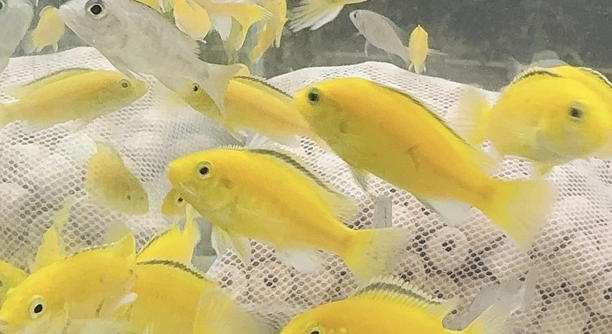
Electric yellow cichlids are vibrant freshwater fish that thrive in well-maintained aquariums. Choosing the right substrate plays a crucial role in their overall health, coloration, and behavior, making it essential for every hobbyist to consider carefully.
Selecting an appropriate substrate for electric yellow cichlids involves balancing factors such as water chemistry, ease of cleaning, and fish comfort. Substrates like sand or fine gravel help maintain optimal pH levels and promote natural digging behaviors.
Knowing which substrates support your cichlids’ well-being can improve their environment and longevity. The following guide ranks seven top substrate options for these striking fish.
Sand Substrate
Sand is one of the most popular choices for electric yellow cichlids. Its fine texture allows the fish to dig naturally without hurting their delicate mouths. Sand also prevents debris from getting trapped, making cleaning easier. Light-colored sand enhances the bright yellow of the cichlids, creating a striking contrast in the aquarium. It’s important to rinse the sand thoroughly before adding it to the tank to avoid clouding the water. Over time, sand can compact, so occasional stirring or vacuuming is necessary to maintain healthy oxygen flow in the substrate. Sand is gentle on the fish and helps prevent injuries, making it ideal for tanks with multiple cichlids. Additionally, sand supports beneficial bacteria that contribute to maintaining water quality, which is critical for the health of these fish. This substrate works well with plants and rocks, providing a natural-looking environment without sacrificing practicality.
Sand is gentle and easy to clean, enhancing both the tank’s look and the cichlids’ well-being.
Sand provides a natural digging experience for electric yellow cichlids while maintaining stable water parameters. It is versatile, pairing well with decorations, rocks, and plants. Proper maintenance keeps the sand aerated, which supports beneficial bacteria. Choosing the right sand ensures the fish remain healthy and their vibrant color stands out.
Fine Gravel
Fine gravel is another solid option for electric yellow cichlids. Its small particles allow digging without causing harm. The texture is slightly firmer than sand, giving the fish some resistance while they explore.
Gravel can trap more debris than sand, so regular cleaning is essential to prevent water quality issues.
This substrate balances aesthetics and functionality. It comes in various colors, which can enhance the yellow tones of the cichlids. Fine gravel supports plant roots and decorations well, giving you flexibility in tank design. While it requires more maintenance than sand, it is less prone to compacting. The slight gaps between particles allow oxygen to circulate, helping maintain healthy bacteria colonies. Gravel also encourages natural behaviors, as fish can sift and move particles around. Selecting the right size ensures the cichlids can dig comfortably while preventing accidental ingestion of larger stones. Overall, fine gravel offers durability, visual appeal, and a stable environment for these vibrant fish.
Crushed Coral
Crushed coral is ideal for electric yellow cichlids that prefer harder, alkaline water. It naturally raises and stabilizes pH levels, which helps protect the fish’s health. The coarse texture allows for easy digging and supports beneficial bacteria.
Crushed coral creates a stable environment by gradually dissolving and releasing minerals into the water. This helps maintain consistent hardness and pH, which is important for cichlids prone to stress from fluctuating conditions. Its rough surface supports the growth of nitrifying bacteria, aiding in waste breakdown. Fish can dig and sift without risk of injury, and the substrate prevents sharp edges from forming. This substrate is durable and can last for years without needing replacement, making it a practical choice for long-term tank setups.
The larger particles of crushed coral provide good circulation between grains, which prevents anaerobic spots and improves oxygen levels in the substrate. It complements rocks and decorations well, creating a natural, attractive layout while sustaining the cichlids’ well-being.
Aquarium Soil
Aquarium soil is nutrient-rich and supports plant growth while maintaining water quality. Its fine texture is safe for digging cichlids, and it enhances the colors of the fish.
Soil substrates improve the health of live plants by providing essential nutrients directly to their roots. They help maintain a stable environment, keeping water parameters balanced. Unlike sand or gravel, soil can absorb and slowly release minerals and organic matter, which supports both plants and fish. It allows electric yellow cichlids to display natural behaviors like digging and rearranging substrate without injury. Soil also prevents rapid changes in water chemistry, reducing stress on the fish and promoting longevity.
Using aquarium soil encourages a thriving planted tank while sustaining electric yellow cichlids’ vibrant coloration and health. It works well with rocks, driftwood, and other decorations, creating a natural, visually appealing layout that mimics their natural habitat.
Pea Gravel
Pea gravel is small, rounded, and easy for cichlids to move around. Its smooth texture prevents injuries and allows digging without risk.
It is heavier than sand, so it stays in place during tank cleaning. Pea gravel also supports plant roots and decorations, making it a versatile option for aquarium layouts.
River Rocks
River rocks provide a natural look and create hiding spots for cichlids. They are smooth, preventing damage to the fish while allowing movement around the tank.
These rocks help establish territories within the aquarium, reducing stress and aggression. They are durable and require little maintenance, lasting for years without changing the tank’s chemistry.
Slate Chips
Slate chips are flat and stable, making them ideal for stacking or creating structures. Their smooth edges prevent injuries, and they allow cichlids to explore naturally.
Slate chips maintain stable water chemistry and offer a visually appealing layout while supporting fish behaviors like digging and rearranging substrate.
FAQ
What substrate is best for electric yellow cichlids?
Sand is widely considered the best substrate for electric yellow cichlids. Its fine texture allows natural digging behaviors without harming their mouths. Light-colored sand also enhances their vibrant yellow coloring, creating a visually appealing contrast in the aquarium. Additionally, sand supports beneficial bacteria, helping maintain water quality.
Can I use gravel instead of sand?
Yes, fine gravel can work as an alternative. It provides slight resistance while digging, which some fish enjoy. Gravel supports plant roots and decorations better than sand, but it can trap more debris, requiring regular vacuuming to prevent water issues. Choosing the right size is crucial to avoid accidental ingestion.
Is crushed coral safe for these cichlids?
Crushed coral is safe and beneficial if your tank requires higher pH and hardness. It gradually releases minerals, stabilizing water chemistry. Its coarse texture allows digging, and it supports beneficial bacteria. However, it may not be ideal for planted tanks as it can alter soil chemistry over time.
Can I mix substrates?
Mixing substrates is possible and often practical. For example, combining sand with crushed coral can balance pH while allowing natural digging. Mixing substrates also creates depth and visual interest, but be mindful of how each type affects water chemistry. Some combinations may need careful monitoring to maintain a stable environment.
How do I clean substrate without harming my fish?
Use a siphon or gravel vacuum during water changes to clean the substrate gently. Avoid stirring up too much debris at once, as this can cloud the water. Cleaning regularly prevents waste buildup while preserving beneficial bacteria essential for a healthy aquarium.
Does substrate color affect cichlid behavior?
Yes, substrate color can influence fish behavior and appearance. Lighter substrates often enhance electric yellow cichlid coloration, while darker substrates may reduce brightness but can make fish feel more secure. Matching substrate color to your tank setup can improve both aesthetics and fish comfort.
How deep should the substrate be?
A depth of 2 to 3 inches is generally sufficient for electric yellow cichlids. This allows them to dig without risk of uprooting plants or decorations. Deeper layers can be used if the tank is heavily planted, but regular maintenance is required to prevent anaerobic pockets in the substrate.
Do substrates affect water chemistry significantly?
Yes, substrates like crushed coral or certain soils can change pH and hardness. Sand is largely neutral, while nutrient-rich soils can alter water chemistry to support plants. Always test water parameters after adding a new substrate to ensure a stable, healthy environment for your cichlids.
Can substrates prevent algae growth?
Substrates indirectly affect algae growth by supporting plant health and maintaining water balance. Clean sand or gravel prevents debris accumulation that feeds algae. Choosing substrates that encourage proper circulation and beneficial bacteria helps minimize unwanted algae without harming your fish.
How often should substrate be replaced?
Replacement frequency depends on the substrate type. Sand and gravel can last for years with proper cleaning. Crushed coral and soils may require monitoring for chemical changes or compaction. Replacing substrate is only necessary if it becomes contaminated, loses structure, or negatively affects water quality.
Can cichlids dig up plants in certain substrates?
Yes, digging behavior is natural for electric yellow cichlids. Sand and fine gravel allow safe digging, while heavier substrates like slate chips or larger gravel reduce uprooting. Planting strategies, such as using pots or heavier rocks, can help protect delicate plants from constant disturbance.
Are there substrates that discourage digging?
Flat and heavy substrates like slate chips discourage extensive digging while still providing a safe environment. However, most cichlids will still move some material around. Selecting substrates depends on balancing natural behavior with tank aesthetics and plant protection.
Can substrate affect fish health?
Absolutely. Substrates influence water chemistry, debris accumulation, and stress levels. Choosing the right substrate prevents injuries, supports natural behavior, and maintains optimal water conditions, all of which are essential for long-term health and vibrant coloration of electric yellow cichlids.
Is it safe to combine soil and sand?
Yes, layering soil beneath sand can support plants while providing a safe surface for digging fish. The soil supplies nutrients to roots, and sand prevents direct ingestion of soil particles. Proper layering prevents mixing while maintaining water stability and plant health.
Do I need to rinse all substrates before adding them?
Yes, rinsing is crucial to remove dust, debris, and fine particles. Failing to rinse substrates can cloud water and introduce unwanted contaminants. Sand, gravel, and crushed coral all benefit from thorough rinsing before placement in the tank.
Can substrate influence breeding?
Yes, electric yellow cichlids often use substrates for spawning. Sand and fine gravel are preferred because they allow digging and create secure spots for laying eggs. Providing suitable substrate enhances natural breeding behaviors and reduces stress during reproduction.
Is there a substrate that supports both fish and plants?
Aquarium soil is ideal for planted tanks while accommodating cichlid behavior. Nutrient-rich soil promotes plant growth, and its texture is safe for digging. Combining it with a thin sand layer can protect plants from uprooting while offering a natural environment for the fish.
How do I choose the right substrate for my tank size?
For larger tanks, consider substrates that maintain water stability over time, like sand or crushed coral. Smaller tanks benefit from substrates that are easy to clean and manage. Always account for fish quantity, plants, and decorations when selecting substrate to ensure balance and health.
Are natural river rocks better than artificial decorations?
Natural river rocks are safe, smooth, and support bacteria growth. They provide hiding spots and territory markers. Artificial decorations can be used but may lack the beneficial properties of natural materials. Choosing natural rocks helps maintain a stable, comfortable environment for electric yellow cichlids.
How can I prevent anaerobic zones in substrate?
Regular vacuuming, stirring, and maintaining proper water flow prevent anaerobic zones. Substrates like sand and fine gravel require occasional aeration. Avoid compacting layers too deep, as trapped debris can create low-oxygen areas, which harm both fish and beneficial bacteria.
Can substrates affect tank filtration?
Yes, substrates interact with filtration by trapping debris and supporting bacterial colonies. Proper substrate selection reduces strain on filters by preventing excessive waste buildup. Combining effective filtration with a well-maintained substrate ensures clean, stable water for electric yellow cichlids.
Does substrate impact tank aesthetics significantly?
Absolutely. Substrate color, texture, and arrangement influence the overall look of the aquarium. Light sand highlights vibrant fish, gravel supports plant layouts, and rocks create natural scenery. Choosing the right substrate balances appearance with functionality and fish comfort.
What is the safest substrate for juvenile cichlids?
Sand and fine gravel are safest for juveniles due to their soft texture. These substrates prevent injury to delicate mouths and allow natural digging behaviors. Avoid sharp or large particles that can damage young fish or cause accidental ingestion.
Can substrate affect water clarity?
Yes, some substrates release dust or fine particles if not rinsed properly. Sand can cloud water initially, while soil or crushed coral may alter clarity if disturbed. Proper preparation and maintenance maintain clear, healthy water for the fish.
Are there substrates that reduce stress for cichlids?
Yes, substrates that allow digging, provide hiding spots, and maintain stable water parameters reduce stress. Sand, fine gravel, and smooth rocks support natural behaviors, territoriality, and comfort, improving overall well-being and coloration of electric yellow cichlids.
Can I use decorative stones as the only substrate?
Decorative stones can work if smooth and safe, but they may not allow digging or support plant roots. Combining them with sand or gravel provides both aesthetics and functionality, creating a safer, more natural environment for electric yellow cichlids.
Is it necessary to match substrate to natural habitat?
Matching substrate to their natural African lake habitat helps maintain proper water chemistry and behavior. Sand or crushed coral closely mimics lake beds, supporting pH, hardness, and natural digging, which contributes to healthier, more active, and brightly colored cichlids.
How do I prevent substrate from altering pH too much?
Monitor water regularly and choose substrates known for neutral properties like sand or aquarium soil. If using crushed coral, layer it carefully or combine with neutral sand to avoid rapid pH spikes. Consistent testing ensures stability and safe conditions for cichlids.
Can substrate help with territorial disputes?
Yes, substrates that allow digging and create natural territories reduce aggression. Rocks, gravel, and sand let fish mark spaces and establish safe areas, which lowers stress and minimizes fights between cichlids. Proper arrangement and variety also encourage natural behavior.
Is there a low-maintenance substrate option?
Sand and crushed coral are relatively low-maintenance. Sand requires occasional stirring, while crushed coral lasts for years without replacement. Both support water stability and bacteria, reducing the frequency of deep cleaning compared with fine gravel or nutrient-rich soils.
Do substrates affect filter efficiency?
Indirectly, yes. Substrates trap debris, supporting beneficial bacteria, which reduces strain on filters. Poor substrate choice or lack of maintenance can overload filtration, so matching substrate with proper tank care ensures optimal water quality.
Are colored gravels safe for electric yellow cichlids?
Yes, if non-toxic and smooth. Avoid painted or coated gravels that can leach chemicals. Natural-colored gravels maintain safe conditions while providing aesthetic appeal, complementing the bright yellow coloration of the cichlids.
How do I layer multiple substrates effectively?
Place nutrient-rich soil at the bottom, then cover with sand or fine gravel. This prevents mixing while supporting plants and digging behavior. Layering maintains water stability, prevents ingestion of soil, and creates a visually appealing, functional tank layout.
Can substrate affect cichlid lifespan?
Indirectly, yes. Proper substrate maintains water quality, supports natural behavior, reduces stress, and prevents injuries. All these factors contribute to longevity, health, and vibrant coloration, ensuring electric yellow cichlids thrive in the aquarium environment.
Should I remove old substrate when adding new fish?
Not always. If the old substrate is clean and chemically stable, it can remain. Removing old substrate is necessary only if it is contaminated, compacted, or negatively affecting water chemistry. Retaining beneficial bacteria in existing substrate supports a healthy environment for new fish.
How does substrate interact with decorations?
Substrate stabilizes rocks, plants, and ornaments. Sand and gravel hold items in place, while heavier stones or slate chips provide solid foundations. Proper arrangement prevents tipping, protects fish, and maintains both aesthetic appeal and functionality of the aquarium setup.
Can substrates cause injury to electric yellow cichlids?
Yes, sharp or oversized gravel, stones, or decorations can injure mouths or fins. Smooth sand, fine gravel, and rounded rocks are safest, allowing natural digging and swimming behaviors without risk of damage. Selecting the right size and texture is essential for fish safety.
Are substrates different for freshwater versus brackish setups?
Yes. Electric yellow cichlids are freshwater fish, so substrates should suit soft to moderately hard water. Crushed coral may raise hardness, while sand and gravel are safer for maintaining freshwater conditions. Substrate choice should always match water parameters for optimal health.
Can substrate affect oxygen levels in the tank?
Yes, compacted or deep substrates can create anaerobic pockets. Proper aeration, occasional stirring, and choosing substrates that allow water flow help maintain oxygen levels, supporting beneficial bacteria and overall tank health.
Do I need special substrate for breeding electric yellow cichlids?
Yes, fine sand or smooth gravel encourages natural spawning behaviors. Substrate allows fish to dig and prepare nests, supporting egg safety and fry development. Providing appropriate substrate improves reproductive success and reduces stress during breeding.
How do I maintain substrate long-term?
Regular vacuuming, stirring, and monitoring water parameters are key. Rinse new additions and avoid over-compacting layers. Each substrate has specific needs, but consistent care ensures healthy fish, plants, and tank appearance for years.
Are all natural substrates safe?
Most natural substrates like river rocks, sand, or gravel are safe if smooth and non-toxic. Avoid materials that may leach chemicals or have sharp edges. Testing new substrates before adding fish ensures a secure environment.
Can substrate help with water hardness control?
Yes, substrates like crushed coral naturally raise and stabilize hardness. Sand and gravel are more neutral, while nutrient-rich soils may slightly alter parameters. Choosing substrate based on water chemistry needs helps maintain a healthy, balanced aquarium.
Do substrates need special treatment before planting?
Yes, rinse thoroughly and consider layering nutrient soil beneath sand or gravel. This ensures plant roots access nutrients while preventing cloudiness and maintaining safe conditions for cichlids. Proper preparation supports both plants and fish health.
Can substrate influence tank temperature?
Not directly, but darker substrates absorb more heat from lighting, slightly raising local temperatures. Lighter substrates reflect light, keeping conditions stable. Substrate choice should complement overall tank setup and equipment for balanced environmental conditions.
Is substrate important for juvenile and adult cichlids alike?
Yes. Juveniles need softer, fine substrates to prevent injury, while adults benefit from substrates that support digging and natural behavior. Choosing the right substrate ensures growth, safety, and stress reduction at all life stages.
How do I know when substrate needs replacement?
Signs include water quality issues, chemical changes, compaction, or persistent debris. If substrate affects fish health, plant growth, or tank aesthetics, replacement or partial maintenance is necessary to restore optimal conditions.
Does substrate impact the efficiency of water testing?
Yes, debris buildup or chemical reactions in substrates can affect test readings. Regular cleaning and choosing inert or stable substrates help ensure accurate monitoring of pH, hardness, ammonia, and other parameters critical for fish health.
Are there substrates that promote natural cichlid behavior?
Sand, fine gravel, and smooth rocks encourage digging, sifting, and territorial behavior. Providing substrates that mimic natural habitats allows cichlids to express instincts safely, reducing stress and supporting healthy, vibrant fish.
Can substrate affect feeding habits?
Yes, substrates influence how fish forage. Sand and fine gravel allow natural sifting and searching, while larger gravel or rocks may make feeding more challenging. Observing fish behavior ensures substrate complements feeding routines.
How do I prevent substrate from discoloring water?
Rinse thoroughly before adding to the tank. Avoid dyed or coated substrates that may leach color. Proper cleaning and layering prevent cloudiness and maintain clear water for a healthy aquarium environment.
Is it possible to overdo substrate depth?
Yes, excessively deep layers can trap debris, create anaerobic zones, and make cleaning difficult. Depth should balance digging behavior, plant support, and maintenance ease, usually around 2-3 inches for most setups.
Can substrate absorb toxins?
Some substrates, like activated clay or nutrient soils, can absorb certain compounds. However, sand and gravel mainly act as physical barriers, relying on filtration and bacteria for toxin breakdown. Proper substrate combined with maintenance ensures safe water quality.
Does substrate choice affect aquarium lighting?
Yes, light-colored substrates reflect light, enhancing fish colors and brightness. Dark substrates absorb light, creating contrast but slightly dimming the tank. Choosing substrate complements both lighting setup and aesthetic preferences.
Are there substrates that naturally deter algae?
Substrates that maintain water stability, support plants, and prevent debris accumulation indirectly reduce algae growth. Sand and clean gravel help minimize nutrient buildup, while soil can promote plant competition against algae.
Can substrate support biofilm growth?
Yes, porous and rough substrates like gravel and crushed coral support biofilm, which serves as a food source for some fish and helps maintain nitrogen cycles. Proper balance ensures biofilm benefits without promoting excessive algae.
How does substrate interact with water circulation?
Substrate affects water flow at the bottom. Sand and fine gravel allow circulation while preventing compaction, supporting oxygenation and bacteria. Dense or layered substrates may reduce flow, requiring occasional stirring to maintain a healthy environment.
Is there a substrate that balances aesthetics and function best?
Sand combined with smooth rocks or fine gravel provides both visual appeal and functional benefits. It supports digging, plant growth, and stable water parameters, creating a comfortable and attractive habitat for electric yellow cichlids.
Can substrate affect territorial aggression?
Yes, substrates that allow digging and territory formation reduce stress and aggression. Natural variations, rocks, and sand encourage fish to establish boundaries, helping maintain peaceful interactions in a community tank.
Do I need to worry about substrate for single-species tanks?
Even in single-species setups, substrate is important for behavior, health, and aesthetics. It allows natural digging, supports water stability, and enhances coloration, contributing to overall well-being and longevity.
How do I combine substrate with decorations effectively?
Layering soil under sand, arranging rocks for hiding spots, and ensuring even distribution prevents shifting. Proper placement supports plants, prevents injuries, and maintains a natural, visually pleasing aquarium while accommodating cichlid behaviors.
Can substrate affect water odor?
Yes, decomposing debris in compacted or poorly maintained substrates can cause odors. Regular cleaning, proper depth, and rinsing prevent buildup, keeping water fresh and safe for fish.
Is substrate choice critical for tank cycling?
Yes, substrates like sand, gravel, and crushed coral support beneficial bacteria, which are essential for cycling. Proper substrate selection helps establish a stable nitrogen cycle, reducing stress and potential harm to electric yellow cichlids.
Can substrate influence tank filtration placement?
Yes, substrates that trap debris may require stronger filtration or specific placement to prevent clogging. Matching substrate type and depth with filter intake ensures consistent water flow and optimal filtration efficiency.
Are substrates compatible with all filtration systems?
Most substrates work with common filters if properly maintained. Sand, gravel, and crushed coral do not usually interfere, but very fine particles may enter intake systems, requiring pre-filters or careful setup to prevent blockages.
How do I maintain substrate in planted tanks?
Use layered soil beneath sand or gravel, avoid over-compacting, and vacuum lightly. Nutrient release supports plant growth, while maintaining substrate health ensures fish safety and tank stability. Regular monitoring keeps the system balanced.
Do cichlids ever consume substrate accidentally?
Yes, while digging, they may ingest small particles. Fine sand or appropriately sized gravel reduces risks, while larger or sharp materials can cause injury or digestive issues. Choosing the right texture is important.
Is substrate replacement more important than water changes?
No, both are essential. Regular water changes maintain chemical balance, while substrate maintenance prevents debris buildup and supports bacteria. Neglecting either can negatively impact fish health and tank stability.
Can substrate affect overall tank maintenance frequency?
Yes, sand and crushed coral require minimal disturbance, reducing cleaning frequency. Gravel and soil may need more attention to prevent compaction, debris buildup, and chemical imbalance. Proper substrate choice directly influences maintenance routines.
Do substrates affect fish coloration?
Yes, light-colored sand enhances electric yellow cichlid vibrancy, while darker
Choosing the right substrate for electric yellow cichlids is essential for both the health of the fish and the overall success of your aquarium. Substrate affects water chemistry, fish behavior, and even the appearance of the tank. Sand, fine gravel, and crushed coral each have specific advantages depending on your tank setup and water conditions. Sand is gentle and allows for natural digging, while fine gravel provides structure and supports plants more easily. Crushed coral helps maintain higher pH and hardness, which is suitable for cichlids that prefer alkaline water. Selecting a substrate should not be based solely on looks, as the physical and chemical properties directly influence fish well-being and longevity. Proper planning and consideration of the fish’s natural behavior ensure that the tank environment is both safe and stimulating.
Maintenance is another key factor when choosing substrate. Some types, like sand, require occasional stirring to prevent compacting, while gravel may trap debris and need more frequent vacuuming. Crushed coral, though durable, can gradually change water chemistry if not monitored, so testing water parameters regularly is recommended. Nutrient-rich aquarium soil supports plant growth but can also alter water parameters, making it necessary to layer it with sand or gravel if you have digging fish. Consistent cleaning and monitoring help prevent problems like anaerobic zones, which can negatively affect beneficial bacteria and overall water quality. Keeping a close eye on the substrate ensures the environment remains stable and reduces stress for the cichlids. Long-term care is easier when the substrate matches the needs of both the fish and any plants or decorations in the tank.
The choice of substrate also influences the overall appearance and functionality of the aquarium. Light-colored sand or gravel can highlight the bright yellow coloration of electric yellow cichlids, creating a visually appealing tank, while darker substrates provide contrast and a natural feel. Rocks and other structures can be combined with the substrate to form territories, hideaways, and spawning areas, reducing aggression among fish. The right substrate supports natural behaviors like digging, sifting, and territory formation, which are crucial for reducing stress and encouraging healthy activity. By selecting the appropriate substrate, you are not only creating a beautiful aquarium but also providing a functional and safe environment that promotes long-term health, natural behavior, and vibrant coloration. Careful thought, proper maintenance, and attention to the fish’s needs ensure that the tank remains balanced, thriving, and enjoyable for both the fish and the keeper.

Hello,
If you enjoy the content that we create, please consider saying a "Thank You!" by leaving a tip.
Every little bit helps us continue crafting quality advice that supports the health, happiness, and well-being of pets around the world, for pets of all shapes, sizes, and species.
We really appreciate the kindness and support that you show us!