
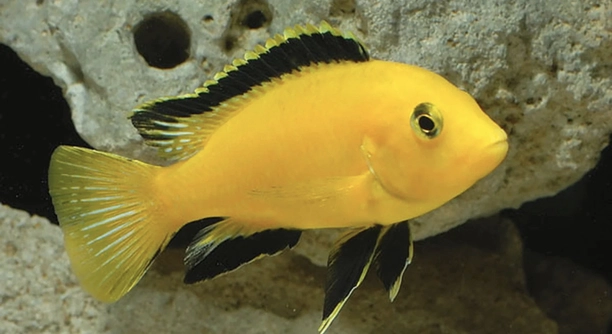
Do you ever wonder how to keep your cichlids active and healthy throughout the day? Feeding them at the right times can improve their natural energy and help maintain a stable environment in your aquarium.
The best times to feed cichlids are in the morning, midday, and evening, spaced evenly to support natural energy cycles. Consistent feeding encourages regular metabolism, reduces stress, and promotes healthy growth in their aquatic environment.
Understanding optimal feeding schedules will help your cichlids thrive. These strategies provide a foundation for keeping your aquarium balanced and your fish energized throughout the day.
Morning Feeding: Kickstart Their Energy
Feeding cichlids in the morning helps jumpstart their metabolism after a night of rest. At this time, they are most alert and active, ready to search for food. Offering a balanced diet with protein-rich pellets or flakes supports muscle development and overall vitality. Observing their behavior during morning feeding allows you to ensure each fish gets enough nourishment without overfeeding. Many cichlids respond well to smaller, frequent meals, making morning feeding an opportunity to monitor their appetite and health. By providing food early, you help establish a routine that reduces stress and keeps them engaged. Morning feeding also encourages natural activity patterns, as the fish swim actively, exploring their tank and interacting with their environment. Maintaining consistency in timing is crucial. Feeding at roughly the same time each day signals to the cichlids when to expect meals, fostering a sense of stability. Over time, you may notice improved coloration and vitality, reflecting their increased energy from a well-structured feeding schedule.
Morning feedings set a healthy rhythm for your cichlids and can improve long-term energy levels. Observing them helps maintain tank balance.
Establishing a morning feeding routine requires careful portion control. Offer amounts that the fish can finish within a few minutes to prevent leftover food from polluting the tank. Avoid overfeeding, which can lead to water quality issues and health problems. Rotating different types of food, such as pellets, flakes, and occasional frozen treats, ensures varied nutrition. Watching how each fish responds allows you to adjust quantities for individual needs. This morning meal strengthens metabolism and encourages active swimming, which is essential for maintaining physical fitness. By making feeding predictable, cichlids feel secure, which reduces aggressive behaviors that often arise in crowded tanks. Regular morning feedings also allow you to observe early signs of illness or changes in appetite. Over time, the benefits become evident in their growth, energy, and overall appearance. Proper morning feeding is a simple but powerful step in keeping your cichlids healthy and lively.
Midday Feeding: Maintaining Momentum
Midday feeding provides an energy boost when activity naturally dips. Offering small portions helps sustain movement and reduces lethargy.
Feeding at midday ensures cichlids maintain consistent energy levels. It prevents long gaps between meals, supporting metabolism and digestive health. During this time, smaller, nutrient-rich servings work best, as they allow the fish to eat without overwhelming their system. Observing their midday behavior shows which fish are thriving and which may need adjustments. Midday feedings also help prevent boredom, encouraging exploration and interaction within the tank. Introducing variety, such as a mix of flakes and frozen foods, keeps their diet balanced while supplying essential vitamins and minerals. Feeding at this time can also reduce aggressive tendencies, as a well-fed group is less likely to compete fiercely for resources. The midday meal complements the morning feeding, ensuring energy remains steady throughout the day. By spacing meals evenly, cichlids benefit from a regulated routine that fosters both physical and mental stimulation, making them more active and responsive in their environment. Regular midday feeding is a straightforward method to support consistent energy and overall well-being.
Evening Feeding: Preparing for Rest
Evening feeding helps cichlids store energy before their rest period. A light, balanced meal prevents overnight hunger and supports digestion. Feeding at this time should be smaller than earlier meals to avoid leftover food that can affect water quality.
Evening meals provide nutrients needed for recovery and growth. Offer easily digestible foods like flakes or softened pellets, ensuring they finish quickly. Avoid high-protein or oily treats at this time, as heavy meals can stress the fish overnight. Feeding in the evening reinforces a predictable routine, which reduces anxiety and aggressive behaviors. Observing their intake helps track individual health and ensures weaker fish are getting enough. Evening feeding complements morning and midday schedules, maintaining a consistent energy cycle. Over time, this practice improves activity levels, coloration, and overall vitality, reflecting the benefits of well-timed feeding patterns. Proper portion control and observation are key to effective evening feeding.
Balanced evening feeding prevents digestive issues and keeps the tank cleaner. Consistency ensures cichlids remain active and healthy through the night.
Feeding Around Activity Peaks
Feeding during peak activity hours maximizes food intake efficiency. Cichlids are more alert and responsive, reducing wasted feed and ensuring proper nutrition. Timing meals to match natural activity promotes movement and engagement in the tank.
Peak activity feedings support optimal metabolism and energy use. Fish that receive food during active periods process nutrients more effectively, leading to improved growth and muscle development. Observing when cichlids are most active allows precise timing for these meals. Including a variety of foods, like live or frozen options, enhances dietary balance and stimulates natural foraging behaviors. Regularly feeding around these periods reduces stress and strengthens social dynamics, as fish can eat without competing excessively. Matching feedings to energy peaks creates a stable environment where cichlids are consistently active, healthier, and less prone to disease. This approach combines nutrition with behavioral enrichment, fostering long-term vitality.
Feeding After Water Changes
Feeding after water changes helps cichlids recover energy lost during adjustment. Their metabolism may slow temporarily, so offering a small, balanced meal supports stability.
Smaller meals after maintenance prevent overfeeding while ensuring nutrition. This practice reduces stress and promotes healthy digestion, keeping the tank environment balanced.
Pre-Workout Feeding
Feeding before periods of high activity gives cichlids energy to explore and swim actively. Providing nutrient-rich foods primes their metabolism for movement and interaction. Observing their response ensures each fish receives adequate portions. Pre-workout feeding encourages natural behaviors and maintains consistent energy levels throughout the tank.
Feeding During Low Light
Low light feedings reduce competition among cichlids. Fish are calmer, allowing weaker or shy individuals to eat comfortably. It also prevents aggressive behaviors that may arise under bright conditions, promoting fairness and better nutrition distribution.
FAQ
How often should I feed my cichlids each day?
Most adult cichlids do well with two to three meals per day. Younger fish or highly active species may benefit from an additional small feeding. Consistency is more important than the exact number of meals, as regular timing helps maintain metabolism and reduces stress.
What type of food is best for natural energy?
A mix of high-quality pellets, flakes, and occasional frozen or live foods provides balanced nutrition. Protein-rich options support muscle development, while vegetables or algae-based foods contribute fiber and essential vitamins. Rotating food types prevents dietary gaps and keeps fish engaged.
Can overfeeding harm my cichlids?
Yes, overfeeding can lead to obesity, poor water quality, and digestive issues. Uneaten food decomposes quickly, increasing ammonia and nitrate levels, which stress fish. Feeding only what they can consume within a few minutes is essential for health and tank stability.
Is it necessary to adjust feeding times based on tank activity?
Yes, feeding during periods of natural activity ensures fish consume more food efficiently. Active periods allow proper metabolism and reduce leftover food. Observing your cichlids’ behavior can help determine the best timing for peak engagement.
Should I feed cichlids differently after cleaning the tank?
After water changes, it is best to offer smaller meals. Fish may be temporarily stressed, and digestion can slow. Providing a light, balanced meal supports energy recovery without overwhelming their system. This also prevents leftover food from polluting freshly cleaned water.
Can feeding at low light affect my cichlids?
Feeding during dim lighting helps shy or weaker fish access food without competition. It reduces aggressive behavior in dominant individuals and ensures a more equitable distribution of nutrition. This approach supports social harmony and healthier fish.
How important is routine in feeding cichlids?
Routine is very important. Regular feeding times signal when meals will occur, reducing stress and encouraging predictable behavior. Consistent schedules improve energy levels, support growth, and help maintain overall tank balance.
Are there signs my cichlids are not eating enough?
Yes, lethargy, loss of color, or hiding more than usual can indicate underfeeding. Observing behavior and body condition can help you adjust portions. Ensuring all fish receive enough food maintains vitality and reduces stress within the tank.
Should I change feeding amounts as cichlids grow?
Yes, juvenile cichlids require more frequent feedings to support growth, while adult fish benefit from stable, moderate portions. Adjusting amounts based on size, activity, and species ensures proper nutrition without overfeeding or underfeeding.
Does variety in diet affect energy levels?
Providing a variety of foods ensures a balanced intake of protein, vitamins, and minerals. Diverse diets enhance metabolism and energy, improve coloration, and encourage natural foraging behavior. Rotating foods also reduces boredom and supports overall health.
Is feeding at night ever necessary?
Night feedings are rarely required for most cichlids. However, nocturnal or highly active species may benefit from small portions during low-light periods. Feeding should always be measured to prevent water quality issues and maintain proper digestion.
Can feeding schedules prevent aggression?
Yes, predictable feeding routines reduce competition and stress-related aggression. Offering food at the same times daily and spacing meals evenly encourages calm behavior and helps maintain social balance in the tank.
How do I monitor if my feeding schedule is effective?
Observe energy levels, growth, coloration, and behavior. Healthy, active cichlids with clear eyes and good body condition indicate that feeding times and portions are appropriate. Adjustments should be based on observation rather than strict adherence to fixed amounts.
Are there foods I should avoid during certain feedings?
Heavy, high-fat foods should be avoided during evening or low-light feedings to prevent digestive strain overnight. Easily digestible options are better for these periods, ensuring energy storage without affecting tank water quality.
Can feeding influence cichlid breeding?
Proper nutrition and consistent feeding schedules can enhance reproductive health. Healthy, energetic fish are more likely to display breeding behaviors. Offering high-quality protein and varied diets during key periods supports egg production and fry survival.
How do I handle picky eaters?
Introduce new foods gradually, mixing them with familiar options. Observing preferences and ensuring each fish receives portions without competition helps even selective eaters get proper nutrition. Consistency and patience improve acceptance of a varied diet.
Is there a best order to feed different types of cichlids?
Feeding order can reduce aggression. Dominant species may eat first, followed by shy or less aggressive fish. Using separate feeding areas or slow-dispersing foods ensures all individuals get adequate portions without conflict.
What role does portion size play in energy maintenance?
Portion size directly affects energy levels and health. Small, controlled portions allow proper digestion and nutrient absorption, while large amounts can overwhelm metabolism or cause water quality issues. Adjust sizes based on species and activity.
Can supplements improve natural energy?
Occasional vitamin or mineral supplements can support overall health, especially for cichlids with specialized diets. They should complement, not replace, a balanced feeding routine, and overuse should be avoided to prevent imbalances.
How do I balance feeding times with tank maintenance?
Coordinate feedings around maintenance to minimize stress. Avoid feeding immediately before or after cleaning. Providing meals at predictable times keeps fish calm and helps maintain consistent energy and health.
This FAQ provides a complete reference for ensuring your cichlids remain energetic, healthy, and balanced through proper feeding schedules, portion control, and dietary variety.
Final Thoughts
Feeding cichlids at the right times is essential for keeping them healthy and active. Morning, midday, and evening meals help maintain steady energy levels and support natural behaviors. Establishing a consistent routine reduces stress, encourages regular swimming patterns, and ensures each fish receives proper nutrition. Observing your cichlids during feeding times also provides insight into their overall health. Changes in appetite, swimming activity, or coloration can be early indicators of potential issues. Paying attention to these details allows you to adjust feeding schedules or portion sizes to meet the needs of your fish. Small, frequent meals are usually better than large, irregular ones, as they help regulate metabolism and prevent overfeeding. Overfeeding can quickly affect water quality, which in turn impacts the health of all fish in the tank.
Choosing the right type of food is just as important as timing. A balanced diet that includes protein, vitamins, and fiber promotes strong growth and energy levels. Pellets and flakes provide consistent nutrition, while frozen or live foods can add variety and stimulate natural foraging behavior. Rotating food types ensures your cichlids receive all the nutrients they need without becoming bored or stressed. Protein-rich foods are ideal for active cichlids, while vegetable-based options supply fiber for digestion. It is important to avoid feeding heavy or fatty foods during evening or low-light periods, as these meals can overload digestion and leave waste in the tank. Keeping portion sizes appropriate and consistent helps maintain water quality and prevents issues like lethargy or disease. Watching how each fish responds to different foods can guide adjustments and improve overall energy levels.
Maintaining a well-planned feeding schedule benefits both the fish and the aquarium environment. Predictable routines encourage natural behaviors, reduce aggression, and improve overall vitality. Feeding around periods of peak activity ensures efficient nutrient use and enhances the energy of the fish throughout the day. Even small changes, such as providing meals after water changes or during low-light periods, can make a noticeable difference in their behavior and health. Monitoring energy levels, growth, and interactions between fish allows you to fine-tune schedules to suit your specific tank conditions. By combining proper timing, varied nutrition, and careful observation, you create a stable, supportive environment for your cichlids. These practices ensure long-term health, vibrant coloration, and consistent energy, making your aquarium a thriving space for your fish to grow and remain active.

Hello,
If you enjoy the content that we create, please consider saying a "Thank You!" by leaving a tip.
Every little bit helps us continue crafting quality advice that supports the health, happiness, and well-being of pets around the world, for pets of all shapes, sizes, and species.
We really appreciate the kindness and support that you show us!