
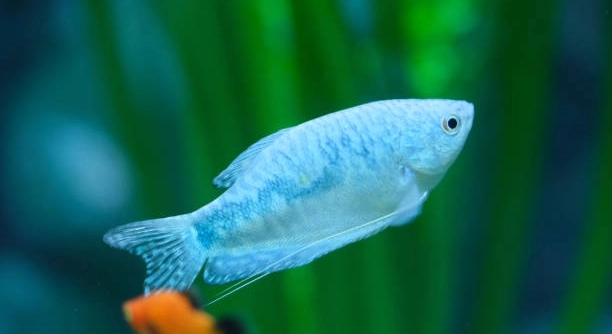
Is your gourami ignoring its usual bubble nest routine, leaving you unsure if something’s wrong or if it’s just a phase?
The most common reasons your gourami may not bubble nest include poor water conditions, lack of stimulation, low temperatures, or stress. These factors can significantly impact their instinctual behavior and ability to build nests.
Recognizing these causes will help you create a calm, healthy space where your gourami feels safe enough to resume nesting.
Poor Water Quality
Water conditions play a major role in whether your gourami will build a bubble nest. If the water is dirty, filled with ammonia, or has fluctuating pH levels, your fish may feel unsafe or stressed. Consistently clean water with stable parameters helps maintain your gourami’s comfort and health. Regular water changes, using a filter with gentle flow, and monitoring levels with test kits can make a big difference. If the water is too hard or contains chemicals like chlorine, it can affect their natural behavior. Always use a dechlorinator, and aim to replicate their natural habitat. Bubble nesting is a sign of well-being and readiness to breed. When conditions are off, your fish won’t feel the need to prepare a nest. Stay consistent with care, and don’t let the tank environment slip out of balance. Clean, calm water is key to supporting their instincts and helping them thrive.
Keep the tank free from strong currents or debris, as gouramis prefer peaceful and clear environments when nesting.
Keeping track of water temperature, ammonia levels, and overall cleanliness is a simple step that can encourage your gourami to start nesting again.
Lack of Male Stimulation
Male gouramis usually build bubble nests when they sense a female is nearby and ready to breed.
If your male doesn’t see or detect a female in the tank, he may not feel the need to build a nest. Some males are more responsive when a female is temporarily introduced, even if they aren’t kept together long-term. Visual contact alone can sometimes spark nesting behavior. Another thing to consider is the male’s age—young or older fish may show less interest in nesting. You’ll want to ensure the male is healthy, active, and not overly stressed. Introducing floating plants or hiding spots can help mimic natural breeding environments and make your fish feel more secure. Some males also respond better in slightly warmer water, around 78–80°F. Small adjustments like these can lead to big changes. Providing just the right amount of stimulation, without overcrowding the tank, can bring out his nesting instincts naturally.
Stress in the Tank
Gouramis are sensitive to their surroundings, and stress can quickly shut down their natural behaviors. Loud noises, sudden movements, or aggressive tank mates can all cause anxiety, making your fish less likely to build a bubble nest.
If your gourami shares space with fast or territorial fish, he may not feel comfortable enough to nest. Constant swimming to avoid conflict uses energy he’d normally save for nest-building. Even frequent tapping on the glass or changing decorations too often can disturb his routine. Stick to a predictable schedule for feeding and cleaning, and make sure the tank layout has calm hiding areas. These small efforts help your gourami feel secure. You may notice more interest in surface activity once the stress goes down. Give him time—reducing stress doesn’t always bring immediate results, but it does create the right conditions for nesting to happen naturally again.
Look for signs like reduced appetite or staying hidden—these often mean your gourami feels overwhelmed. Creating a quieter environment can make a big difference over time.
Incorrect Water Temperature
Temperature matters more than many people realize. If the tank is too cold or fluctuates often, it can prevent your gourami from nesting altogether. A stable range between 78°F and 82°F is ideal for triggering breeding behavior.
Cold water slows down your gourami’s metabolism and dulls his instincts. You might notice he becomes less active or hides more than usual. On the flip side, overly warm temperatures can lead to stress or illness. Use a reliable aquarium heater and thermometer to keep things steady. Avoid placing the tank near windows or vents that might change the water temperature throughout the day. If you recently changed your heater or added new water, give your fish a few days to adjust. A consistent temperature gives your gourami the physical comfort he needs to focus on nesting. Once conditions stay stable, you may see him start to patrol the surface and prepare a nest again.
Lack of Surface Cover
Without floating plants or soft surface structures, your gourami may not feel secure enough to build a nest. They prefer calm, covered areas where bubbles won’t pop easily and where they can hide while working.
Try adding floating plants like water lettuce or frogbit. Even artificial floating decorations can help.
Poor Health or Nutrition
If your gourami isn’t feeling well or isn’t getting the right nutrition, he may skip bubble nesting altogether. Illnesses, parasites, or vitamin deficiencies can all drain his energy. Watch for signs like clamped fins, discoloration, or sluggish behavior. Make sure he’s eating a varied diet that includes protein-rich foods like bloodworms or brine shrimp, along with high-quality pellets. A well-fed, healthy fish is far more likely to engage in nesting. Also, avoid overfeeding, as it can lead to water quality issues. Giving your fish time to recover and keeping his diet consistent can restore his energy and bring back his nesting drive.
Age or Personality
Young males may not be mature enough to build nests, while older ones may show less interest. Some just have calmer personalities and won’t nest as often as others.
FAQ
Why is my gourami not building a bubble nest even though conditions seem fine?
Sometimes, even when all tank conditions appear perfect, individual gouramis might delay nest building due to personality or mood. Some males take longer to feel ready, especially if they are young or recently introduced to a new tank. Stress from subtle changes or past illness might also play a role. It’s important to be patient and keep conditions stable. Adding floating plants and ensuring the fish has enough space and calm surroundings can help encourage nesting behavior over time.
Can female gouramis build bubble nests?
No, typically only male gouramis build bubble nests. The nest is part of their breeding behavior to protect the eggs and fry. Females do not build nests but may contribute by laying eggs in the male’s nest area. If you see bubble nests, it’s a good sign a healthy male is present and potentially ready to breed.
How long does it take for a gourami to start building a bubble nest?
If conditions are ideal and the male is ready, bubble nest building can start within a few days to a week. However, if your gourami is new to the tank or environment, it might take longer for him to feel secure enough to begin nesting. Regular water changes, stable temperature, and reducing stress will help speed up the process.
What should I do if my gourami builds a nest but then stops?
This can happen due to changes in water quality, temperature fluctuations, or stress from tank mates. Check water parameters immediately and correct any issues. Also, make sure the tank environment remains calm. Sometimes the male abandons the nest if he feels threatened or uncomfortable. Give your gourami some time and avoid disturbing the tank during this period.
Are there any tank mates that prevent gouramis from building bubble nests?
Yes, aggressive or overly active tank mates can discourage nesting. Fast swimmers or territorial fish might chase or stress the gourami, preventing him from feeling safe. Ideal tank mates are peaceful, slow-moving species that won’t bother your gourami. Shrimp and small tetras are often good companions.
Does the size of the tank affect bubble nest building?
A very small tank may limit your gourami’s ability to build a proper nest, while a very large tank might spread his attention too thin. A medium-sized tank (around 10–20 gallons) with plenty of surface area and floating plants is ideal. This gives the male enough room to create and protect his nest comfortably.
Can bubble nests form without breeding happening?
Yes, male gouramis sometimes build bubble nests even if no female is present. This behavior is instinctual and shows they are healthy and ready to breed, but it doesn’t guarantee that spawning will occur without a female.
How do I encourage my gourami to start bubble nesting?
Keep water clean, stable, and warm around 78–82°F. Add floating plants or gentle surface cover. Avoid sudden changes in the tank and reduce stress by limiting tank disturbances. Feeding a varied, protein-rich diet also supports breeding behavior. Introducing a female for short periods can stimulate the male without stressing either fish.
Is it normal for some gouramis to never build bubble nests?
Yes, not all gouramis will build bubble nests regularly. Some males may be less inclined due to personality, age, or past health issues. While nesting is a sign of good health and breeding readiness, the absence of a nest doesn’t always mean something is wrong.
Can poor diet cause a lack of bubble nesting?
Definitely. A poor diet lacking protein and essential nutrients can reduce a gourami’s energy and breeding instincts. Feeding high-quality pellets along with live or frozen protein sources like bloodworms can improve overall health and encourage nesting.
Should I remove other fish when trying to get my gourami to nest?
It depends. If other fish are causing stress or aggression, temporarily removing them can help your gourami feel more secure. In peaceful community tanks, this is usually unnecessary. Creating hiding spots and floating plants often solves conflict without moving fish.
How often should I check water parameters to support nesting?
Regular monitoring is important. Checking ammonia, nitrite, nitrate, pH, and temperature once a week keeps the environment stable. Sudden changes can discourage nesting, so consistent maintenance is key.
Can I encourage bubble nest building by changing the tank setup?
Yes, adding floating plants and calm areas near the water surface helps. Avoid strong currents or surface agitation. Soft, quiet surroundings make your gourami feel safe enough to focus on nest-building.
Does light affect bubble nesting behavior?
Bright, constant light can stress gouramis. A natural day/night cycle with moderate lighting supports their well-being. Some dimming during the day or gentle light can encourage natural behaviors, including nesting.
How long do bubble nests last?
Bubble nests can last from several days to a few weeks if undisturbed and water conditions remain good. If the male is actively guarding the nest, it tends to stay intact longer. Without breeding or protection, nests may break down quickly.
Final Thoughts
Bubble nesting is a natural and important behavior for male gouramis, but not all of them will build nests all the time. Various factors can affect whether or not a gourami chooses to create a bubble nest. These include the environment, health, diet, and even the personality of the fish. Understanding these factors helps in providing the best conditions for your gourami, whether you want to encourage breeding or simply want to see natural behavior. It’s normal for some gouramis to take longer or not nest at all, and patience is key when caring for these fish.
Creating a comfortable tank environment is one of the most important steps to support bubble nesting. Providing floating plants or soft cover at the water surface gives your gourami a calm place to build his nest. Maintaining clean, stable water with the right temperature and gentle surface movement also plays a major role. A well-balanced diet with enough protein can boost your gourami’s energy and overall health, making nesting more likely. Avoiding stress from aggressive tank mates or sudden changes in the tank helps keep your gourami relaxed enough to engage in this behavior.
While bubble nesting can be a sign of a healthy and happy gourami, it is not the only way to measure your fish’s well-being. Some males simply may not build nests often due to age or temperament. What matters most is that your gourami shows other signs of good health, such as active swimming, eating well, and bright colors. By paying attention to the needs of your gourami and creating a supportive environment, you can enjoy watching natural behaviors and help your fish thrive. Whether or not a bubble nest appears, consistent care will always benefit your gourami’s long-term health.

Hello,
If you enjoy the content that we create, please consider saying a "Thank You!" by leaving a tip.
Every little bit helps us continue crafting quality advice that supports the health, happiness, and well-being of pets around the world, for pets of all shapes, sizes, and species.
We really appreciate the kindness and support that you show us!