
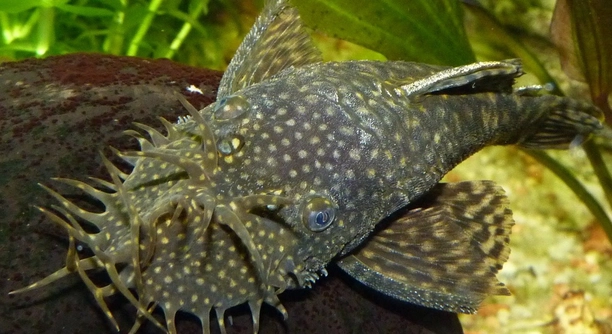
Is your pleco swimming around during the day when it is usually nocturnal? Many owners are surprised to see this behavior, as plecos are typically known for hiding and being active only at night.
Plecos may be active during daylight hours due to environmental factors, hunger, or stress. Changes in lighting, water quality, or tank dynamics can alter their natural nocturnal patterns, prompting daytime activity that is otherwise uncommon in healthy specimens.
Understanding why your pleco is out can help maintain a stable and comfortable habitat for your fish, ensuring its health and wellbeing.
Changes in Lighting
Plecos are sensitive to light, and even small changes in your tank’s lighting schedule can affect their behavior. If your aquarium receives more ambient light during the day, your pleco might adjust its activity patterns and explore areas it usually avoids. Sometimes, a new lamp or moving the tank closer to a window can trigger daytime movement. It’s also important to check that your tank has enough hiding spots, as plecos feel safer in shaded areas. When their environment feels exposed, they may swim more cautiously during daylight, or conversely, seek out new areas that seem safe. Regularly maintaining a consistent light-dark schedule helps them stick to their natural nocturnal rhythm.
Consistent darkness during nighttime hours encourages plecos to rest and reduces unexpected daytime activity. Adjusting light levels gradually can help them adapt smoothly.
Properly simulating natural light patterns promotes a balanced routine for your pleco, which can reduce stress and support healthy growth, feeding, and social behavior. Ensuring a calm and stable environment is essential for their overall well-being.
Feeding Habits
Plecos will sometimes feed during the day if they are very hungry or if their diet isn’t sufficient.
If plecos are not receiving enough food at night, they may come out during the day in search of extra nutrition. Many owners underestimate the amount of algae, vegetables, or sinking pellets needed for proper growth. Feeding too little at night or inconsistent feeding schedules can prompt daytime activity. Additionally, young plecos and highly active breeds require more frequent meals than older or more sedentary ones. Observing how much your pleco eats and adjusting portions can help prevent daytime roaming. High-quality foods rich in fiber and plant matter support their digestive health, while occasional protein sources like shrimp pellets can add variety. Understanding your pleco’s appetite and adjusting feeding times gradually ensures they remain active at appropriate hours without disrupting their natural nocturnal behavior. Maintaining a routine reduces stress, supports immune function, and keeps your pleco comfortable and healthy.
Water Quality
Poor water conditions can push plecos to move during the day. High nitrate levels, low oxygen, or sudden changes in temperature can make hiding spots less comfortable, prompting them to swim more frequently.
Maintaining clean water is crucial. Regular water changes, proper filtration, and monitoring ammonia, nitrite, and nitrate levels help create a stable environment. Plecos are sensitive to fluctuations, and even small imbalances can alter their behavior. Oxygen-rich water encourages them to rest at night, while stagnant or polluted conditions may drive them to seek better areas during daylight. Regular testing keeps conditions consistent and supports their overall health.
Temperature plays a key role in activity. Water that is too warm or too cold can increase stress, causing unusual daytime movement. Adjusting heaters and keeping a stable range ensures your pleco stays comfortable and follows its natural nocturnal patterns.
Tank Companions
Aggressive or overly active tank mates can disturb plecos, causing daytime movement.
Plecos prefer calm, non-confrontational companions. Fast-swimming or territorial fish can interrupt their hiding spots, forcing them to explore new areas or compete for food during the day. Monitoring interactions and providing separate zones or caves helps reduce stress.
Adding proper decorations and hiding places minimizes conflicts. Driftwood, caves, and plants give plecos options to retreat when tank mates become too active. Observing behavior allows you to identify which fish trigger daytime movement. Adjusting the tank setup or separating aggressive species ensures plecos can maintain their natural schedule. A peaceful environment supports their nocturnal habits while encouraging healthy feeding and growth.
Stress Factors
Sudden changes in the tank can stress plecos, prompting unusual daytime activity. Rearranging decorations, moving the tank, or adding new fish may trigger this behavior.
Stress also comes from water quality issues or overcrowding. Plecos need calm, stable environments to stick to their natural nocturnal routine.
Health Issues
Illness or parasites can cause plecos to swim during the day. Lethargy, discoloration, or unusual spots often accompany these changes. Regular observation helps detect problems early.
Maintaining proper diet, clean water, and a stable habitat reduces the risk of health-related daytime activity. Sick or weakened plecos may adjust behavior to conserve energy or seek comfort. Early detection and intervention improve recovery and long-term wellbeing.
Environmental Enrichment
Providing caves, driftwood, and plants encourages natural hiding and nocturnal behavior. Plecos feel safer with adequate shelter.
FAQ
Why is my pleco out during the day even though it’s nocturnal?
Plecos can become active during daylight hours for several reasons. Changes in lighting, water quality, or temperature can alter their usual routine. Hunger or an insufficient diet at night may also prompt them to search for food during the day. Stress from new tank mates or rearranged decorations can encourage daytime swimming as well. Observing your pleco closely can help identify the cause and ensure its environment meets its natural needs.
Can plecos adapt to being active during the day?
While plecos are naturally nocturnal, some individuals can adjust their activity patterns slightly. Consistent feeding schedules, stable lighting, and a calm environment can encourage a more predictable routine. However, forcing a pleco to be active during the day is not recommended, as it may cause stress and affect overall health. It’s better to support their natural behavior while making gradual adjustments if needed.
How much should I feed my pleco to prevent daytime activity?
Plecos need a balanced diet rich in plant matter, algae, and occasional protein sources. Feeding enough at night reduces the chance they will seek food during the day. Young or active plecos may require larger portions or slightly more frequent meals. Observing their appetite and adjusting food accordingly ensures they get proper nutrition while maintaining their natural nocturnal habits.
What water conditions keep plecos comfortable?
Plecos thrive in clean, oxygen-rich water with stable temperatures. Ammonia, nitrite, and nitrate levels should be monitored regularly. Water changes and proper filtration are essential to maintain balance. Poor water quality or sudden fluctuations can stress plecos and encourage daytime activity. Keeping conditions consistent allows them to rest and stay active at appropriate times.
Do tank mates affect pleco activity?
Yes, aggressive or highly active fish can disturb plecos. Fast-moving or territorial species may interfere with their hiding spots, prompting daytime exploration. Providing plenty of caves, driftwood, and plants allows plecos to retreat when needed. Monitoring tank interactions helps maintain a calm environment and supports natural nocturnal behavior.
Could illness cause my pleco to be out during the day?
Health problems can influence activity patterns. Parasites, infections, or other illnesses may cause plecos to move during daylight hours. Signs include lethargy, discoloration, unusual spots, or irregular swimming. Prompt observation and intervention improve recovery. Keeping a clean tank, a stable environment, and proper nutrition helps prevent health-related disruptions.
How can I encourage my pleco to stay nocturnal?
Maintain a consistent light-dark cycle and provide ample hiding spots. Feed during the evening or night to reduce daytime searching. Avoid sudden changes in decorations or tank setup and limit stress from tank mates. Gradual adjustments help reinforce natural patterns without causing unnecessary stress.
Are there pleco species more likely to be active during the day?
Some pleco species are naturally more flexible in their activity patterns. While most are nocturnal, certain types may show daytime behavior under the right conditions. Knowing your species’ habits helps set realistic expectations and tailor care routines to encourage healthy activity cycles.
What decorations or tank setups help plecos feel secure?
Caves, driftwood, plants, and shaded areas provide comfort and reduce stress. Plecos need hiding spots to rest during the day and feel safe from tank mates or bright light. Adequate shelter supports natural behavior, decreases stress, and helps maintain nocturnal activity.
When should I consult a vet about my pleco’s behavior?
If unusual daytime activity comes with signs of illness like discoloration, lethargy, or spots, consult a vet promptly. Persistent changes despite proper care may indicate an underlying health issue. Early intervention ensures better recovery and long-term wellbeing for your pleco.
How often should I monitor my pleco’s behavior?
Regular observation helps catch changes early. Noting feeding patterns, activity levels, and interactions with tank mates allows you to detect stress, illness, or environmental issues. Frequent monitoring ensures your pleco stays healthy, comfortable, and maintains its natural nocturnal routine.
Can stress alone cause daytime activity?
Yes, stress from overcrowding, tank rearrangements, or incompatible companions can trigger unusual daytime movement. Minimizing disruptions and providing sufficient hiding places helps reduce stress and encourages natural behavior patterns.
Is it normal for plecos to occasionally be active during the day?
Occasional daytime activity can be normal, especially if environmental conditions or feeding schedules change. It doesn’t always indicate a problem, but consistent daytime activity warrants observation of water quality, diet, and stress factors to ensure wellbeing.
How does temperature affect pleco activity?
Plecos are sensitive to temperature fluctuations. Water that is too warm or too cold can increase stress and lead to daytime swimming. Keeping a stable, appropriate temperature range helps maintain nocturnal activity and overall health.
Can adding more hiding spots reduce daytime activity?
Yes, plecos feel safer with multiple caves, driftwood, or plants. More hiding spots allow them to rest during the day, reducing the need to swim openly and helping them maintain their natural nocturnal schedule.
Are plecos more active during the day in new tanks?
New environments can make plecos explore more frequently during daylight. Adjusting gradually, adding hiding spots, and maintaining stable water conditions helps them settle into their normal nocturnal behavior.
Does feeding frequency impact daytime activity?
Inconsistent or insufficient feeding at night may prompt daytime searching. A well-planned feeding routine helps satisfy their nutritional needs and encourages activity during natural hours, minimizing daytime movement.
How can I tell if my pleco is stressed or just exploring?
Signs of stress include rapid breathing, erratic swimming, hiding less, or aggression. Occasional exploration is normal, but repeated daytime activity combined with physical symptoms indicates stress or environmental discomfort. Monitoring behavior closely helps distinguish normal curiosity from underlying issues.
What are long-term effects of daytime activity for plecos?
Frequent disruption of nocturnal patterns can increase stress, weaken the immune system, and affect growth. Maintaining stable environmental conditions, proper feeding, and sufficient shelter helps preserve their natural routine and promotes overall health.
Can plecos adjust their schedule permanently?
Some plecos may adapt partially, but most retain a preference for nighttime activity. Supporting natural behavior through consistent light cycles, feeding schedules, and stress reduction is the best approach for long-term wellbeing.
Is water oxygenation important for nocturnal behavior?
Yes, well-oxygenated water encourages resting during the day and proper activity at night. Stagnant or low-oxygen water can lead to daytime movement as plecos search for more comfortable conditions, disrupting their natural routine.
How does tank size influence daytime activity?
A crowded or small tank limits hiding spots and increases stress, prompting daytime swimming. Adequate space, decorations, and calm companions reduce stress and encourage nocturnal habits.
Are plecos nocturnal in all aquariums?
While plecos are naturally nocturnal, their behavior can vary with tank conditions. Light exposure, feeding schedules, water quality, and stress levels influence whether they remain strictly nocturnal or occasionally move during the day.
How do I create a comfortable resting environment for my pleco?
Provide shaded areas, caves, driftwood, and plants. Maintain stable water conditions and minimize sudden disturbances. A secure environment reduces stress and supports natural nocturnal behavior.
Does noise or vibrations affect daytime activity?
Frequent vibrations or loud noises can disturb plecos, prompting them to swim during the day. Placing the tank in a quieter area and reducing disturbances helps maintain a calm environment and nocturnal routine.
How important is regular observation?
Monitoring your pleco allows early detection of environmental or health issues. Tracking activity, feeding, and interactions ensures interventions can be made promptly to support wellbeing and natural behavior.
What are common mistakes that trigger daytime activity?
Overfeeding, inconsistent feeding times, poor water quality, inadequate hiding spots, and stressful tank mates are common factors. Addressing these issues helps reinforce natural nocturnal patterns and reduces unnecessary daytime activity.
How can I encourage natural hiding behavior?
Provide multiple caves, driftwood, and dense plants. Avoid frequent rearrangements and disturbances. Supporting natural hiding behavior ensures plecos feel safe and reduces daytime roaming.
Does the type of pleco matter for daytime behavior?
Yes, some species are more prone to occasional daytime activity. Knowing your pleco’s species-specific habits helps you manage expectations and adjust care routines accordingly.
Can enrichment reduce stress and daytime activity?
Yes, adding decorations, caves, and plants gives plecos choices for hiding and resting. Environmental enrichment supports mental stimulation while encouraging natural nocturnal behavior, reducing stress-related daytime swimming.
Is daytime activity always a problem?
Not always. Occasional daytime swimming can be normal due to curiosity or minor environmental changes. Persistent activity combined with stress signs or health issues indicates the need for intervention to restore comfort and natural routines.
How do I balance feeding and nocturnal activity?
Feed adequately during the evening or night, with plant-based foods and occasional protein. Consistent feeding reduces daytime searching and supports nocturnal patterns, while ensuring proper nutrition and growth.
Can water flow influence pleco behavior?
Yes, strong currents or poorly distributed flow can push plecos to swim more during the day. Adjusting water movement and providing calm areas encourages resting and natural nocturnal activity.
What should I do if daytime activity persists despite proper care?
Continue monitoring water quality, diet, and tank dynamics. Check for subtle stressors, health issues, or environmental changes. Consulting a vet or experienced aquarist may help identify underlying causes and restore normal behavior.
Does tank lighting intensity matter?
Bright lights can encourage hiding or stress daytime activity. Using dim or adjustable lighting, along with shaded areas, helps plecos feel secure and maintain nocturnal patterns.
How do I know if daytime activity is seasonal or temporary?
Observe patterns over weeks or months. Short-term changes often relate to temporary stress or adjustments, while consistent shifts may indicate environmental, dietary, or health factors that require attention.
Can plecos thrive in partially nocturnal schedules?
Yes, they can adjust partially, but supporting natural nocturnal activity is better for health. Stable environments, proper diet, and hiding spots ensure they remain comfortable and active at optimal times.
How do I keep plecos comfortable in community tanks?
Provide calm tank mates, adequate space, and multiple hiding spots. Minimizing aggression and competition allows plecos to maintain their natural nocturnal behavior while coexisting peacefully with other fish.
Is it normal for plecos to explore during the day occasionally?
Occasional exploration is normal, especially if environmental conditions change. Regular monitoring ensures this behavior is not caused by stress, poor water quality, or illness, keeping your pleco healthy.
Can feeding at different times disrupt nocturnal habits?
Yes, feeding outside of the usual schedule can encourage daytime activity. Consistent evening feeding supports natural behavior while meeting nutritional needs.
Are plecos more active during breeding periods?
Yes, reproductive behavior can increase daytime activity as plecos search for suitable sites or mates. Providing proper caves and reducing disturbances helps manage this temporary change without stress.
How long does it take for plecos to return to normal nocturnal behavior?
Depending on the cause, plecos may take days to weeks to resume normal patterns. Consistent care, stable environment, and proper feeding support gradual adjustment.
What signs indicate daytime activity is problematic?
Persistent swimming during the day with stress signs, poor appetite, or unusual appearance signals an issue. Investigating water quality, diet, and tank conditions helps identify and resolve problems quickly.
How important is tank maintenance for nocturnal behavior?
Regular cleaning, water changes, and monitoring water parameters are crucial. A clean, stable environment reduces stress and supports plecos’ natural nocturnal activity, promoting health and longevity.
Does tank size impact daytime roaming?
Yes, small or overcrowded tanks increase stress and daytime swimming. Providing sufficient space and hiding areas encourages natural nocturnal patterns and overall wellbeing.
Can plecos be trained to stick to nocturnal habits?
Gradual adjustment of feeding schedules, light cycles, and environmental stability can encourage adherence to nocturnal routines. Sudden changes may cause stress, so gradual consistency is key.
How do I detect subtle stress in plecos?
Watch for changes in swimming patterns, hiding frequency, coloration, and appetite. Subtle signs often precede more obvious stress symptoms and allow early intervention.
Are plecos sensitive to human activity near the tank?
Yes, frequent tapping, sudden movements, or loud noises can stress plecos, prompting daytime movement. Reducing disturbances supports natural nocturnal behavior and comfort.
How can I make hiding spots more appealing?
Use natural materials like driftwood, rocks, or plants. Ensure spaces are dark, secure, and spacious enough for the pleco to rest comfortably, encouraging them to stay hidden during the day.
Is daytime activity linked to age?
Young plecos may be more active and curious, occasionally swimming during the day. Older plecos tend to stick to nocturnal patterns but can adjust slightly if environmental conditions change.
How do I handle persistent daytime activity in multiple plecos?
Observe interactions, feeding, and hiding space. Ensure each fish has adequate shelter and adjust diet or tank setup if needed. Persistent activity may indicate environmental stress affecting the group rather than individual behavior.
Can plecos coexist with very active fish without daytime activity issues?
Yes, with ample hiding spots, calm areas, and monitoring interactions. Proper tank design reduces stress and helps maintain natural nocturnal patterns even in active community setups.
What is the role of driftwood in reducing daytime activity?
Driftwood provides shelter, reduces stress, and encourages resting during the day. It also offers a surface for algae growth, supporting feeding without disturbing nocturnal patterns.
Does water hardness affect pleco behavior?
Extreme hardness or softness can stress plecos, influencing activity patterns. Maintaining suitable water parameters consistent with their natural habitat encourages nocturnal behavior and overall health.
Can plecos adjust to artificial lighting schedules?
Yes, gradual changes in lighting can influence activity patterns. Dim or timed lights that mimic natural cycles help maintain nocturnal behavior while reducing daytime exploration.
Are plecos more active during tank cleanings?
Yes, disturbances from cleaning can prompt swimming during the day. Scheduling maintenance during periods when plecos are naturally less active and providing hiding spots reduces stress and daytime activity.
How do I know if my pleco’s diet is sufficient?
Healthy growth, consistent nocturnal activity, and regular feeding response indicate adequate nutrition. Signs of insufficient diet include daytime searching, weight loss, or irregular feces. Monitoring intake helps maintain natural routines.
Does water flow direction influence hiding behavior?
Plecos prefer calm areas away from strong currents. Providing still zones encourages resting and reduces daytime swimming caused by discomfort or displacement.
Can multiple plecos in one tank increase daytime activity?
Yes, overcrowding or competition for hiding spots can lead to increased daytime movement. Providing sufficient shelters and monitoring interactions helps maintain nocturnal behavior.
How do I maintain stable nocturnal patterns in winter or summer?
Adjust lighting and temperature gradually to mimic natural seasonal changes. Sudden shifts can disrupt activity patterns, while gradual adjustments help plecos remain comfortable and follow their usual nocturnal routine.
Are plecos sensitive to seasonal changes in light?
Yes, extended daylight or shortened nights can affect activity. Maintaining consistent artificial lighting helps stabilize routines regardless of external seasonal changes.
Does water pH influence daytime activity?
Extreme pH can stress plecos, prompting daytime exploration. Maintaining a stable, species-appropriate pH supports nocturnal habits and overall wellbeing.
Can plecos be stressed by too many hiding options?
Unlikely, but overly complex setups can limit swimming space. Balance hiding spots with open areas to allow normal movement while maintaining safety and comfort.
Do plecos prefer certain substrates for hiding?
Soft sand or smooth gravel is ideal. Rough or sharp substrates can stress them and discourage resting, leading to more daytime activity.
How often should I rotate hiding spots?
Occasional rearrangement can provide enrichment, but frequent changes cause stress. Minimal, gradual adjustments help maintain nocturnal behavior while keeping the environment interesting.
Does temperature fluctuation at night impact daytime behavior?
Yes, sudden drops or rises in temperature can stress plecos, prompting daytime swimming. Stable night temperatures support resting and natural activity cycles.
Can plecos sense human presence and react during the day?
Yes, they can notice movement near the tank. While not harmful, excessive disturbance may prompt daytime activity if they feel unsafe or curious.
How do I encourage feeding without disrupting nocturnal patterns?
Feed primarily in the evening or night, using slow-sinking pellets or vegetables. Avoid daytime feedings unless necessary, to keep activity aligned with natural rhythms.
Is it normal for plecos to explore after tank lights turn off?
Yes, plecos may adjust slightly around light transitions. Providing gradual dimming or shaded areas encourages natural nocturnal activity without stress.
How does algae availability influence daytime activity?
Insufficient algae can drive plecos to search for food during daylight. Ensuring a consistent algae supply supports proper nocturnal feeding habits and reduces daytime roaming.
Are plecos more likely to swim during the day if isolated?
Lonely plecos may explore more to search for stimulation. Providing hiding spots, driftwood, or gentle enrichment can reduce daytime activity while keeping them mentally engaged.
How do I balance enrichment and nocturnal habits?
Offer caves, driftwood, and plants for hiding and exploration. Avoid overstimulating the tank during the day, and provide stable, calm conditions to maintain nocturnal behavior.
What’s the best way to monitor pleco health alongside activity?
Track swimming patterns, feeding, color, and physical condition. Regular observation ensures early detection of stress or illness while supporting natural nocturnal routines.
Does tank lighting color affect activity?
Plecos may respond better to dim or red-toned lighting, which mimics nighttime. Bright white lights can cause stress and increase daytime movement.
Can plecos overeat at night and still swim during the day?
Yes, overfeeding may not prevent daytime activity entirely. Balanced portions, consistent schedules, and high-quality food help maintain proper feeding rhythms.
How do I prevent nighttime activity from being disrupted by humans?
Minimize disturbances near the tank at night. Avoid tapping, loud noises, or frequent interaction, allowing plecos to rest and maintain natural nocturnal behavior.
Is daytime activity a sign of curiosity or stress?
It can be both. Occasional exploration may be normal, but consistent movement with stress signs or environmental issues indicates a problem needing attention.
Can plecos become nocturnal again after being active during the day?
Yes, with consistent care, proper feeding, stable water, and hiding spots, plecos usually return to natural nocturnal routines over time.
Does tank placement in a room affect daytime behavior?
Yes, tanks near windows, bright areas, or high traffic zones can encourage daytime activity. Placing the tank in a calmer, shaded spot supports noct
Observing your pleco out during the day can be surprising, especially if you are familiar with its nocturnal habits. This behavior does not always indicate a problem, but it is a sign that something in the environment or routine may have shifted. Plecos respond to a combination of factors, including lighting, feeding schedules, water quality, tank setup, and the presence of other fish. Each of these elements plays a role in shaping their activity patterns, and small changes can lead to noticeable differences in behavior. While occasional daytime movement may be harmless, consistent activity should prompt a closer look at their care and habitat to ensure that their needs are being met properly.
Providing a stable and comfortable environment is key to supporting natural pleco behavior. Adequate hiding spots, such as caves, driftwood, and plants, help plecos feel secure during the day and encourage them to rest when they are not active. Maintaining consistent lighting and feeding schedules reinforces their natural nocturnal patterns, while careful attention to water quality, temperature, and oxygen levels prevents stress and potential health issues. Tank companions should also be chosen thoughtfully, as aggressive or highly active fish can disturb plecos and push them to explore during daylight hours. By carefully observing your pleco and making gradual, supportive adjustments, you can help it feel safe, well-fed, and comfortable, which reduces unwanted daytime activity.
Health is another important factor to consider when your pleco is active during the day. Illness, parasites, or other underlying conditions may change activity patterns, so regular monitoring of your pleco’s appearance, behavior, and appetite is necessary. Early detection of any abnormalities allows for timely intervention and minimizes potential stress or long-term health impacts. It is also important to understand that some pleco species may naturally display a degree of flexibility in their activity schedules, meaning that occasional daytime exploration can be a normal part of their behavior. Combining observation, routine care, and a thoughtfully arranged tank ensures your pleco stays healthy, maintains its natural habits, and thrives in a comfortable environment where stress is minimized, and its nocturnal tendencies are respected.

Hello,
If you enjoy the content that we create, please consider saying a "Thank You!" by leaving a tip.
Every little bit helps us continue crafting quality advice that supports the health, happiness, and well-being of pets around the world, for pets of all shapes, sizes, and species.
We really appreciate the kindness and support that you show us!